
Primira Luxury Blog
“Jewelry is more than an accessory; it’s a timeless tale waiting to be told.”
“Like a well-crafted gem, true beauty comes from within. Let your jewelry amplify it.”


Showing 25–36 of 69 results
 ₹23,324 – ₹111,123Price range: ₹23,324 through ₹111,123
- ₹15,563 – ₹68,937Price range: ₹15,563 through ₹68,937
- ₹23,541 – ₹113,332Price range: ₹23,541 through ₹113,332
- ₹11,413 – ₹41,861Price range: ₹11,413 through ₹41,861
- ₹13,074 – ₹51,347Price range: ₹13,074 through ₹51,347
- ₹27,534 – ₹132,325Price range: ₹27,534 through ₹132,325
- ₹13,992 – ₹57,572Price range: ₹13,992 through ₹57,572
 ₹17,713 – ₹78,558Price range: ₹17,713 through ₹78,558
- ₹13,819 – ₹62,220Price range: ₹13,819 through ₹62,220
- ₹17,226 – ₹79,513Price range: ₹17,226 through ₹79,513
- ₹19,039 – ₹99,445Price range: ₹19,039 through ₹99,445
- ₹20,808 – ₹102,549Price range: ₹20,808 through ₹102,549
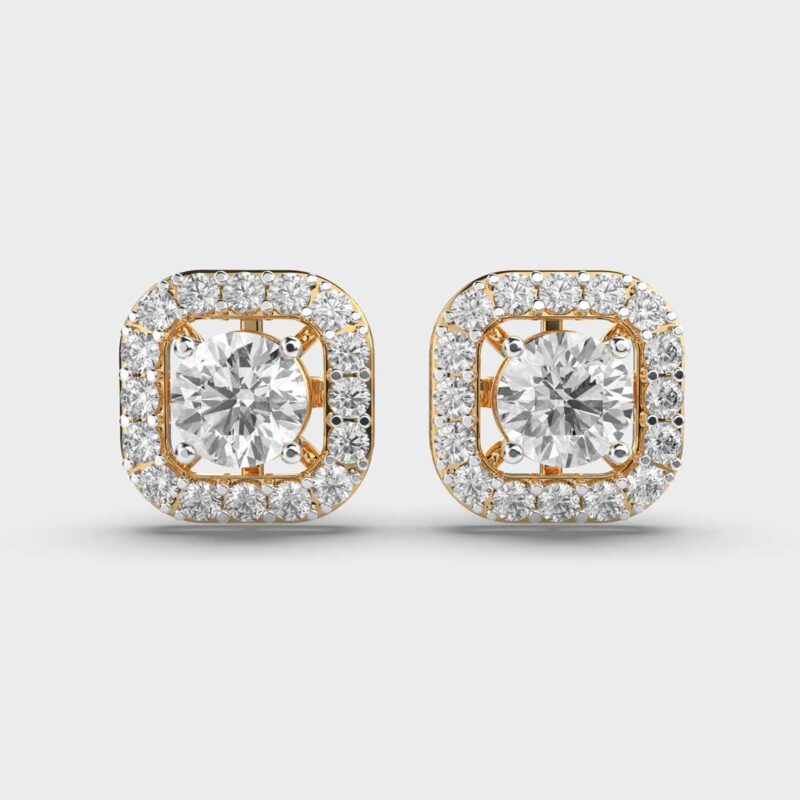
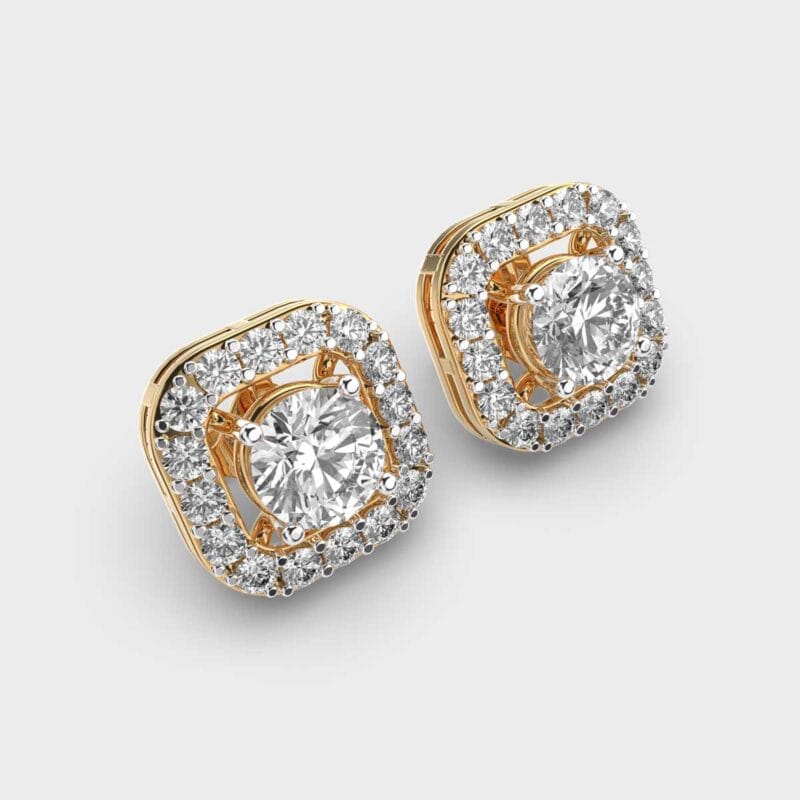


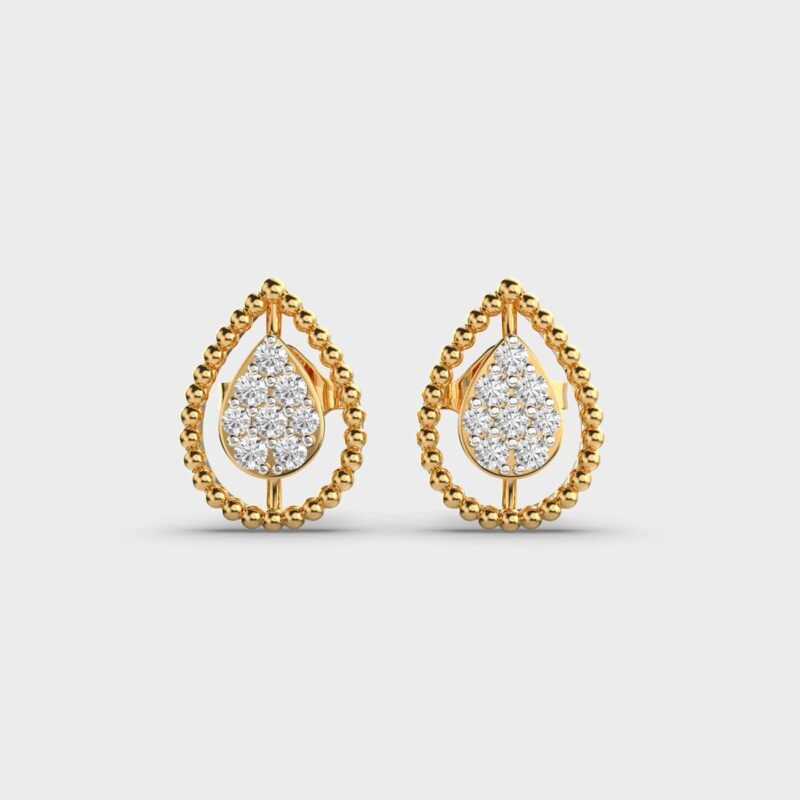


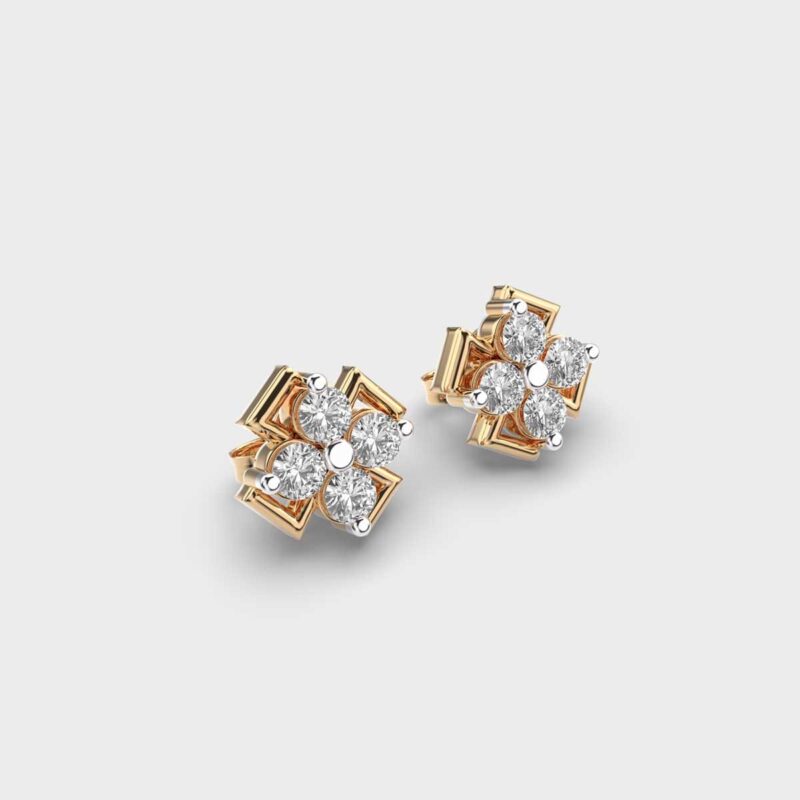
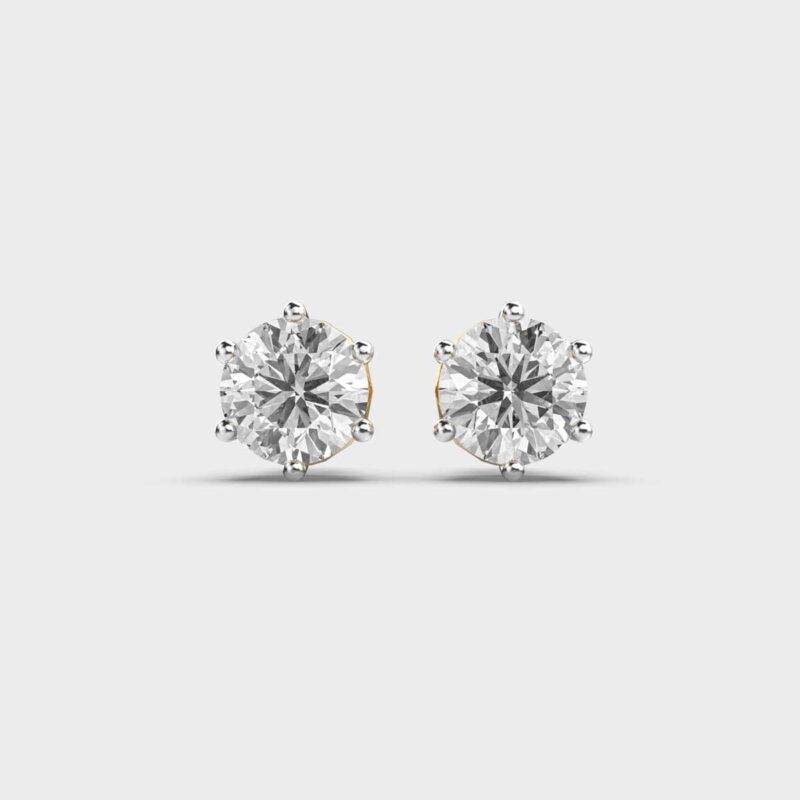
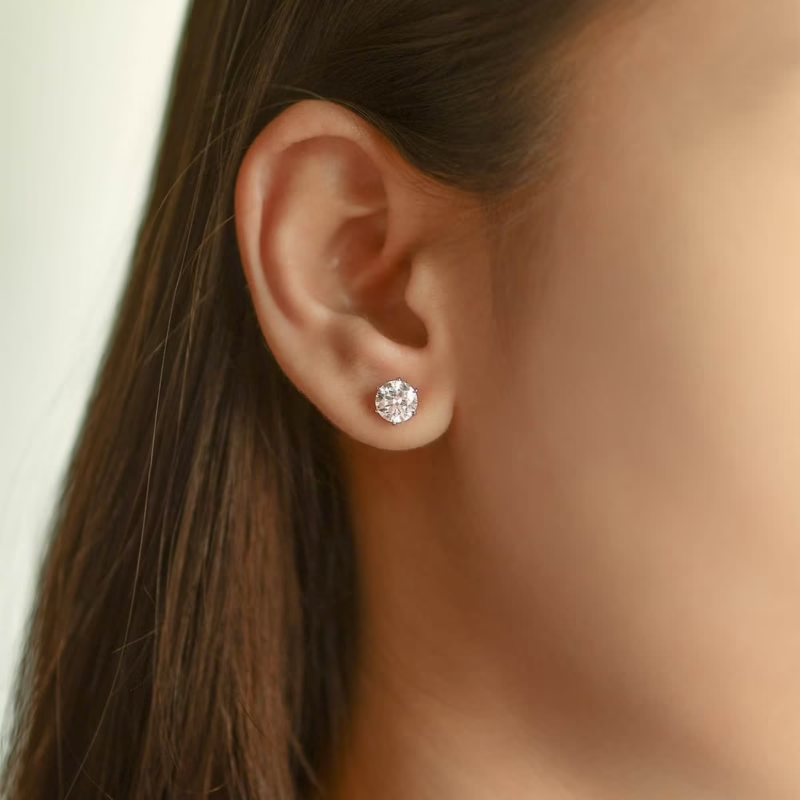

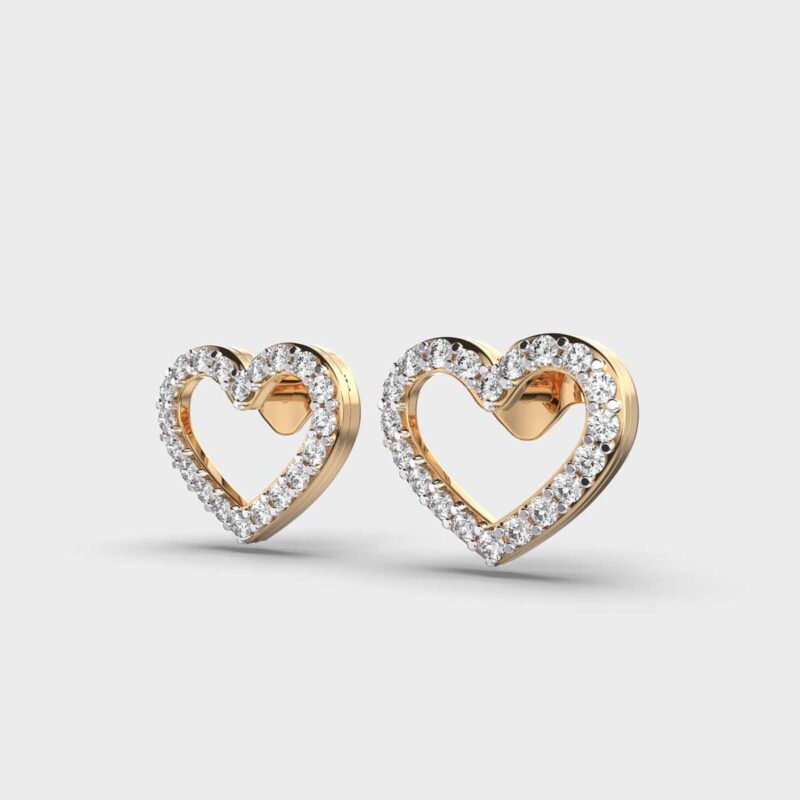
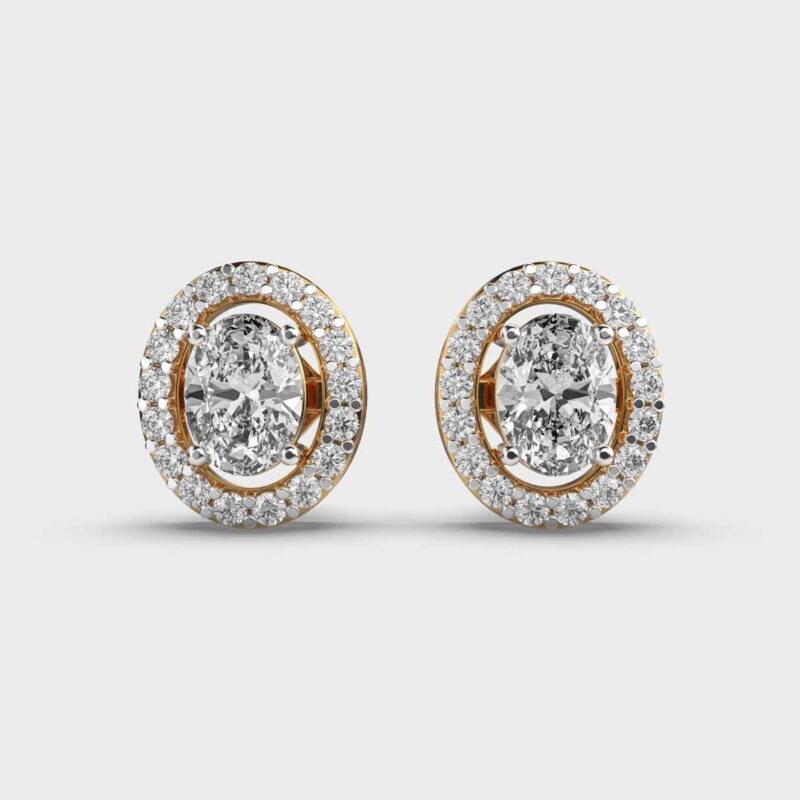


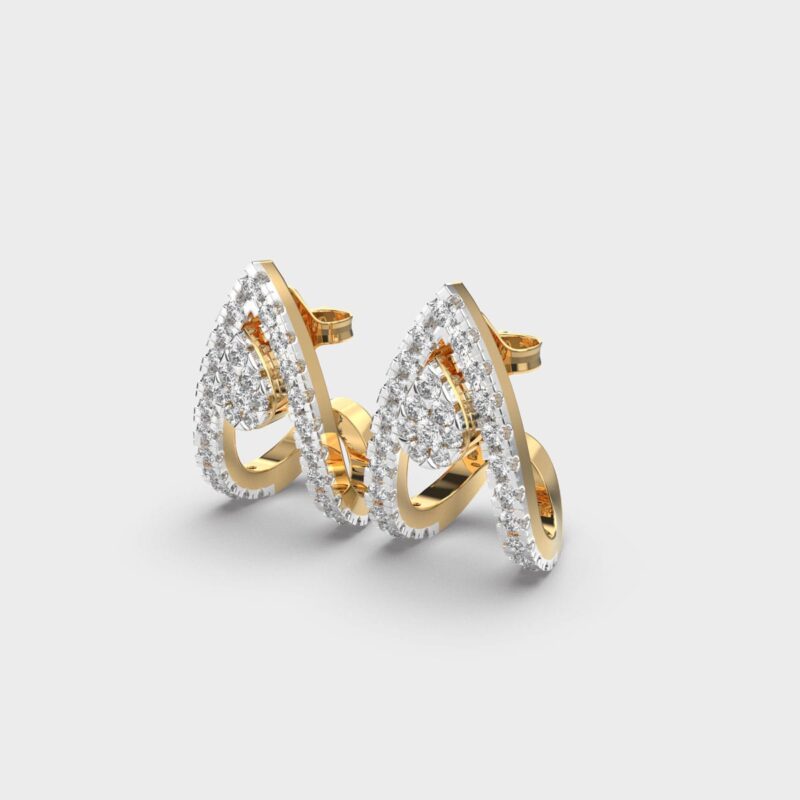
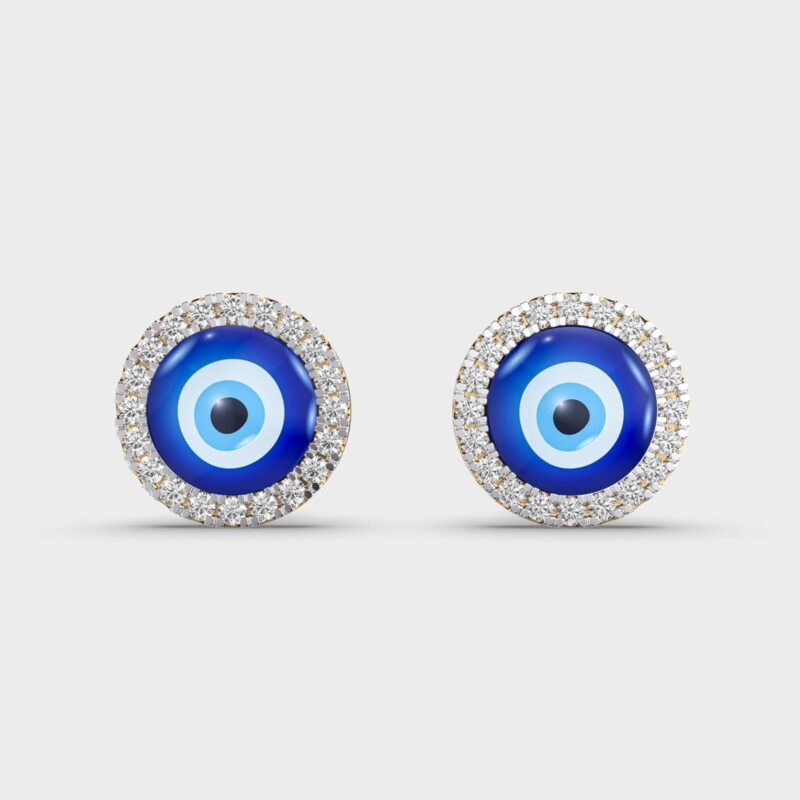

Showing 25–36 of 69 results
Discover Your Perfect Price
Filter by Stone Type and Metal to view accurate, variation-based pricing
Transparent, personalized, and effortless - explore designs that match your style, metal, and budget.
- Tip: Choose one stone type and one metal type to see your exact price.
- If prices seem off, just uncheck and re-apply your filters – the page will refresh with accurate pricing.
 1-to-1 Custom Design
Experience
 Craft Your Vision
Today with a 10% Starte
 HD video Preview
Before It Ships
 Fully Customizable
- Stone, Metal & Budget
 Choose Metal Tone:
Yellow, White or Rose Gold
 Handcrafted in Solid 10K · 14K · 18K
Gold, 925 Silver or 950 Platinum
 Select Your Stone Type:
 Lab-Grown Diamond or Moissanite
 Award winning
 craftmanship and detailing
 Hallmarked &
 Certified (IGI / SGL)
 Personalized Care &
 Expert Support
 Design Any Piece
Within Your Budget
1-to-1 Custom DesignExperience
Craft Your VisionToday with a 10% Starte
HD video PreviewBefore It Ships
Fully Customizable- Stone, Metal & Budget
Choose Metal Tone:Yellow, White or Rose Gold
Handcrafted in Solid 10K · 14K · 18KGold, 925 Silver or 950 Platinum
Select Your Stone Type: Lab-Grown Diamond or Moissanite
Award winning craftmanship and detailing
Hallmarked & Certified (IGI / SGL)
Personalized Care & Expert Support
Design Any PieceWithin Your Budget

Primira's
Real Reviews From Real Customers
Lifetime
Warranty
100% Money
Back Guarantee
Easy
Customization
7 Days
Return
14 Days
Exchange
Insured
shipping
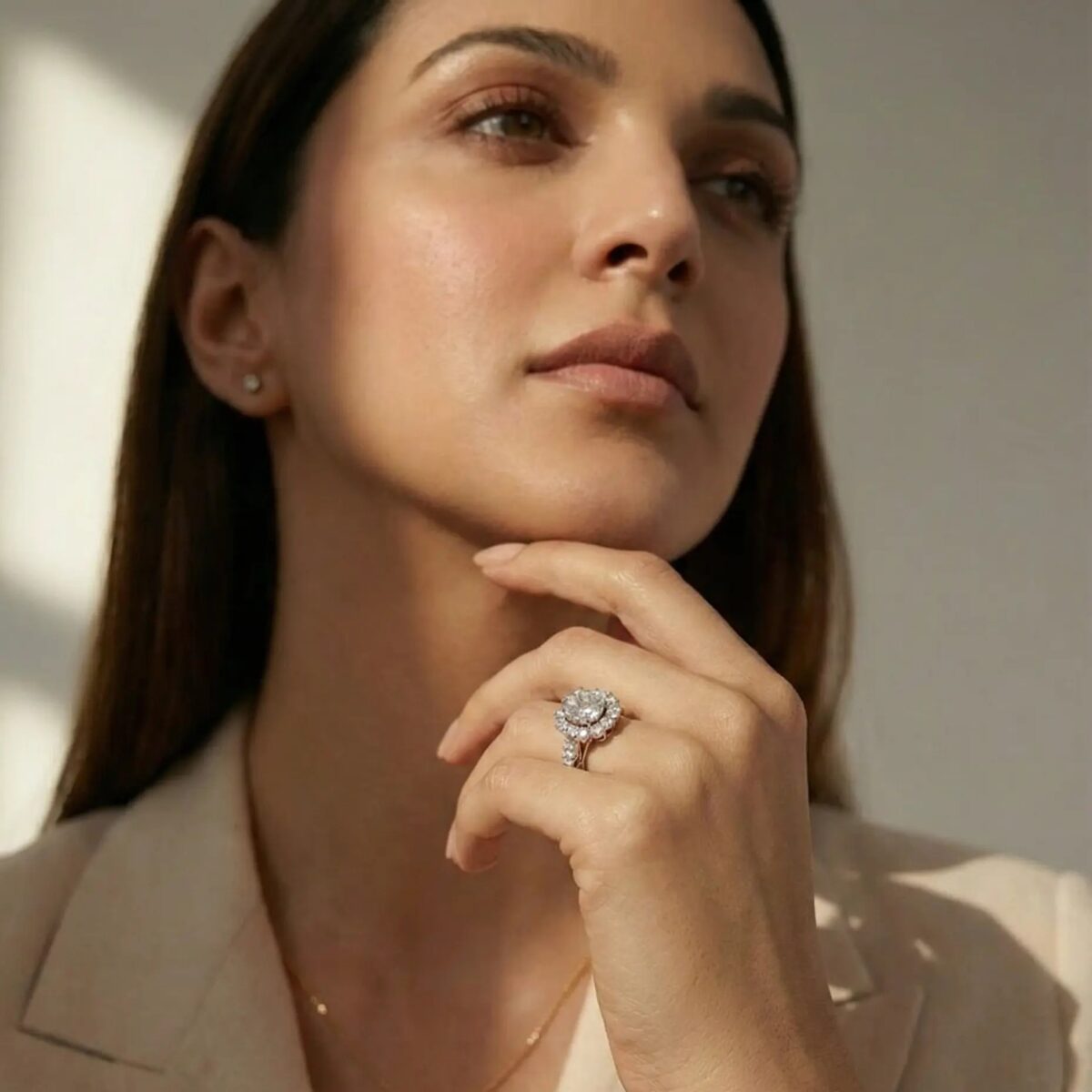
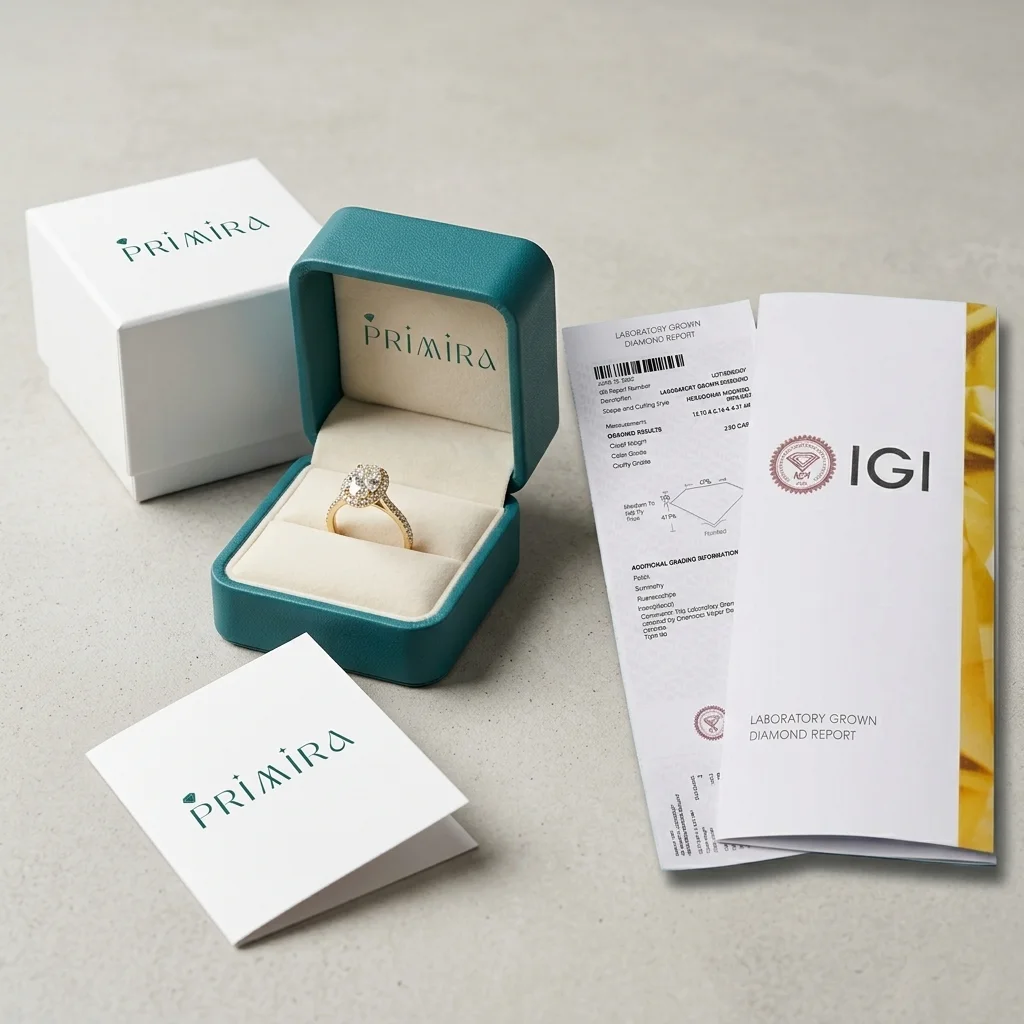
sustainable, beautiful packaging
Give your precious pieces a home they deserve with our stylish, soft-lined jewelry boxes made for effortless organization.
Read Our Article Behind Every Collection
Each design at Primira Luxury is handcrafted with precision, purpose, and emotion. From the first sketch to the final polish, our artisans turn your vision into a piece that feels personal, ethical, and timeless.
Read More
Lab Grown Diamond Stud Earrings — IGI Certified Pairs
Most stud earring disappointments aren’t about the diamonds. They’re about the pair. Two stones, graded identically on paper, can read as visibly different on the ear — one slightly cooler, one catching less light, a face-up diameter that’s off by half a millimetre. Under bathroom lighting, you don’t notice. Under the light at a table, you do.
That problem has a sourcing solution, and it happens before any metal is cast.
Primira’s lab grown diamond stud earrings are cut from matched parcels — stones from the same growth-cycle rough lot, the same crystal zone, the same nitrogen concentration profile. Colour temperature consistency is guaranteed at the growth stage, not reconciled after the fact by a retailer pulling two stones from different supplier invoices. Both stones carry independent IGI reports. Both report numbers are laser-inscribed on the girdle. Both are verifiable at igi.org. That’s what matched pair means when it’s done at the manufacturing level rather than at a catalogue.
What Makes a Stud Earring a Good One
A stud earring is deceptively simple: a single stone on a post, held by a setting, secured by a backing. Four components. Every one of them has a specification that matters.
The Setting: Martini vs Basket
The two dominant stud settings — three-prong martini and four-prong basket — are not interchangeable style choices. They’re different construction geometries with different consequences for how the stone sits on your ear.
Three-prong martini: The cone angle of a martini setting positions the stone low to the lobe, with the prongs sweeping outward beneath it. Minimal metal above the girdle plane means the pavilion is partially exposed — maximum light entry from below, and the stone reads slightly larger face-up because less metal interrupts the outline. The lower profile also reduces the risk of the setting catching on fabric or hair. The trade-off: three contact points instead of four, which means prong alignment must be more precise to distribute the stone’s weight evenly.
Four-prong basket: The basket raises the stone higher above the lobe on a frame of four prongs arranged at 90° intervals. The higher crown profile gives the diamond more visual presence from a distance, but the basket’s prong tips sit further above the skin — more exposed to the kind of daily contact (hair, scarves, collars) that loosens prongs over time. Four contact points distribute the stone’s weight more evenly, which matters at higher carat weights where the martini’s narrower base can put more stress on each prong.
The post-length required for each setting differs. A martini’s low cone height means a shorter post achieves flush lobe contact; a basket’s higher frame needs a correspondingly longer post to reach the backing correctly. If a manufacturer uses a standard-length post across both setting types, one of them will sit poorly — either projecting too far from the lobe or pulling the stone down at an angle. At Primira, post length is calibrated to the specific setting height and stone diameter of each pair. This is a production decision, not an afterthought.
Bezel-set studs are a third option — the stone is encircled by a metal rim, fully protected, snag-proof, and particularly suited to daily wear in active environments. The bezel’s rim diffuses light entry slightly compared to prong settings, but a well-cut stone in a bezel still performs well because the table and upper crown are fully exposed.
Matched Pair Specification — What to Confirm Before You Buy
When specifying a pair of lab grown diamond stud earrings, there are six variables that need to match across both stones, not just total carat weight:
Face-up diameter (mm): Two stones of nominally identical carat weight can have different diameters if their depth percentages differ. A deeper stone weighs more but looks smaller face-up. For round brilliant studs, the target diameter per stone should be specified, not just carat weight.
Cut grade: Both stones should carry the same IGI cut grade. An Excellent-cut stone and a Very Good-cut stone from the same parcel will handle light differently — the Excellent stone will appear brighter in direct light. That difference is invisible on a specification sheet and obvious on the ear.
Colour grade: Both stones at the same colour grade from the same parcel. Primira’s stock runs D-F colorless and G-H-I near-colorless. Mixing a D from one lot with an F from another in the same tier can produce a visible colour temperature differential under warm light.
Clarity: For studs, the clarity threshold drops compared to solitaire rings — the stones are smaller, worn further from the eye, and seen in a wide variety of lighting conditions. Primira’s floor is VVS1–VS2 across all stock. For round brilliant studs, VS2 is eye-clean without exception.
Carat per stone (not just total carat weight): A 1.00ct total weight pair means two 0.50ct stones — but only if the pair was matched to that specification. Confirm the individual stone weight, not just the combined figure.
Table and depth percentages: For buyers specifying their own proportions, both stones in a pair should be cut to the same table/depth/crown angle spec so their light return characteristics are identical. This matters most at 0.50ct per stone and above, where the face-up size is large enough for the light pattern to be visible to someone looking at both ears simultaneously.
All six variables are confirmed in the pre-production WhatsApp conversation before any metal is cast. The order doesn’t proceed until both stone specs are agreed and documented.
Setting and Carat Guidance
For daily wear (0.25–0.50ct per stone / 0.50–1.00ct total): The most practical range for daily rotation. A 0.25ct round brilliant sits at approximately 4.1mm diameter — noticeable, not conspicuous. A 0.50ct stone sits at approximately 5.2mm. Three-prong martini at this carat range gives a clean, close-to-lobe profile. Fourteen-karat gold is the recommended metal — highest tensile strength in the gold range, scratch-resistant, suitable for daily contact.
For office and occasion wear (0.50–1.00ct per stone / 1.00–2.00ct total): The 0.50–0.75ct per stone range is the global stud sweet spot — enough face-up surface to be clearly visible at conversational distance without projecting significantly above the lobe. A 0.75ct round brilliant at approximately 5.9mm per stone is the upper limit of a setting that looks refined rather than bold. Four-prong basket adds visual height at this size range, which suits more formal contexts.
For statement wear (1.00ct+ per stone / 2.00ct+ total): Above 1.00ct per stone, the martini’s three-point geometry starts putting more stress on individual prongs at the stone’s girdle. Four-prong basket is structurally preferred at this carat range. Eighteen-karat gold or platinum for the prong tips specifically — the higher metal purity gives better prong malleability for re-tipping without risk of brittleness. Primira stocks both 18K gold and 950 platinum settings for large-carat studs.
Screw-Back vs Push-Back Closure
The closure is the only component standing between a lost earring and a worn one. Neither closure type categorically wins — the right choice depends on how you wear the earrings.
Push-back (butterfly/friction back): The backing slides onto the post and grips by friction. Fast to put on, easy to remove, comfortable for daily wear including while sleeping or on a phone call (no hard threaded component against the skull). The risk: friction tension loosens with repeated use. A push-back that felt secure on day one can work loose by month six. Regularly checking and slightly re-tensioning the butterfly arms extends the life of the grip.
Screw-back: The post is threaded; the backing screws on and locks. Significantly more secure against accidental loss — the backing cannot slide off, only unscrew. The trade-offs: the threading requires careful alignment to avoid cross-threading (which can strip the delicate gold threads and damage the post); screwing on in a hurry produces the most failures; and a fully tightened screw-back pressed hard against the lobe can cause localised pressure soreness after extended wear.
For lab grown diamond studs at 0.50ct per stone and above, Primira recommends screw-back as the default. The value of the piece makes the security margin worth the minor inconvenience of the threading process. Push-back is available on request for buyers who are confident in their daily-wear habits and prefer the comfort. Both are available at no additional cost — specify your preference during the pre-production WhatsApp confirmation.
Shape Options for Lab Grown Diamond Stud Earrings
Round brilliant remains the most practical stud shape for one specific reason: as studs rotate on the post through daily wear, a round brilliant looks identical at every angle. Princess, cushion, oval, pear, and marquise studs can rotate visibly — which matters most with asymmetric shapes like pear or marquise, where a 30° rotation reads as a differently-oriented stone.
For non-round stud shapes, a four-prong setting with prongs positioned at the shape’s orientation points (tip and base for pear, point-to-point for princess) controls rotation by gripping at the stone’s narrowest dimension rather than letting it spin within a wider basket. The prong-to-shape alignment must be specified at the setting bench for each stone.
Surat’s cutting range means stud pairs are available in round brilliant, oval, cushion, princess, pear, marquise, heart, and the full specialty cut range — including Rose Cut pairs (which have a distinctive flat base that requires a cup seat setting rather than a standard cone or basket) and Old European Cut pairs for buyers wanting a warmer, softer light character than modern brilliant cutting produces. Custom shape stud pairs — alphabet initials, geometric silhouettes, custom outlines — are available on order; confirm via WhatsApp.
IGI Certification for Stud Earrings
Most stud earrings sold globally, including by otherwise-reputable retailers, are not individually certified. The industry convention is to sell earring diamonds without documentation on the basis that they’re small, difficult to evaluate, and rarely scrutinised. Primira takes a different position.
Every pair of lab grown diamond stud earrings carries individual IGI reports for both stones. This matters because a certification on a stud serves a different function than a certification on a solitaire ring. For a solitaire, the report confirms the stone you see. For a stud pair, the report confirms that both stones are what they were specified to be — and that they were independently graded to be that.
Two IGI reports, two girdle inscriptions, both verifiable at igi.org. That’s the only audit trail that confirms a matched pair on paper rather than by eyeball comparison.
Surat produces and cuts these stones. The IGI certification happens on stones whose entire history — from CVD or HPHT growth through faceting — took place within the same manufacturing district. There’s no wholesale intermediary between the cutting bench and the certification lab. That’s not a marketing claim; it’s a description of the supply chain.
Care for Lab Grown Diamond Stud Earrings
The setting elements most at risk in stud earrings are the prong tips and the backing threads.
Prong tips: The tips of stud prongs are the points of highest contact stress during daily wear — fabric catches, hair pulls, and accidental contact are concentrated there. Check prong tips every three to four months by running a fingernail lightly across each tip. A tip that catches fingernails is beginning to lift. Have it re-tipped before it fails completely; a loose prong tip is the most common cause of stone loss in stud earrings.
Screw-back threads: The gold threads on a screw-back post are fine and can strip if the backing is forced on at an angle (cross-threading) or over-tightened. Always start the backing straight, not angled, and stop tightening when resistance is felt — the backing should be snug, not hard-locked. Over-tightened screw-backs also increase pressure on the lobe and can cause localised soreness.
Cleaning: Ultrasonic cleaning is safe for bezel-set and four-prong basket studs in good condition. For three-prong martini settings, hand-clean with warm water and a soft brush — ultrasonic vibration can stress the narrower prong base over time. For any stud with a loose prong tip, do not ultrasonic clean; the vibration can dislodge the stone before you notice the prong has failed.
Backing storage: Store backings attached to the posts when not wearing the earrings. A backing that separates and sits loose in a jewelry box is a backing that will eventually be lost.
Custom Lab Grown Diamond Stud Earrings
Every specification listed above is adjustable at the production stage. The custom order process through Primira starts with a pre-production WhatsApp confirmation covering:
- Stone shape and carat per stone (not just total weight)
- Cut, colour, and clarity grade
- Setting type (martini, basket, bezel, or halo)
- Metal: 10K, 14K, or 18K gold in yellow, white, or rose; or 950 platinum
- Finish: high polish standard, satin/brushed, or matte available
- Closure: screw-back or push-back
- Any shape-specific considerations (orientation for asymmetric shapes, cup seat for Rose Cut)
If you’re ordering a large-carat pair — 1.00ct per stone and above — and want to verify the matched stones before setting, we can arrange confirmation of both stones’ face-up diameters and colour temperature under controlled lighting via WhatsApp before production proceeds.
And if you’re looking to extend your studs into a two-look piece, our lab grown diamond ear jackets are produced to match your stud’s specific post gauge, face-up diameter, and colour grade.
Production runs 15–35 business days. Certified in-stock pairs dispatch within 48 hours of order confirmation.
The full earring collection covers hoops, drop earrings and dangler earrings, hoop earrings, and men’s lab grown diamond earrings. If you’re building an ear stack, the diamond stud earrings are the anchor piece — diamond hoop earrings layer above or below depending on diameter.
Frequently Asked Questions
What carat size is right for diamond stud earrings?
The practical daily-wear range is 0.25–0.75ct per stone (0.50–1.50ct total). At 0.25ct per stone, the round brilliant sits at approximately 4.1mm diameter — visible and clean for professional environments. At 0.50ct per stone (5.2mm), it’s the most common global size for a reason: noticeable under most lighting conditions without projecting significantly above the lobe. Above 0.75ct per stone, the earring starts reading as a deliberate statement piece. 1.00ct+ per stone suits formal or evening wear and is available on custom order with matched-pair confirmation before production.
Screw-back or push-back — which should I choose for lab grown diamond studs?
For studs at 0.50ct per stone and above, screw-back is the more reliable security choice — the threaded lock can’t loosen through daily movement the way a friction back can over months of wear. Push-back is more comfortable for all-day wear including phone calls and sleep, and easier to put on quickly. The honest trade-off: screw-backs require careful threading every time, and cross-threading (forcing the backing on at an angle) can strip the post over time. Both are available from Primira — specify at confirmation. For any pair above 1ct total weight, screw-back is the standard recommendation.
What is a martini setting on stud earrings, and how is it different from a basket?
A martini setting uses three prongs arranged in a cone shape, which lets the stone sit low and close to the lobe with minimal metal above the girdle. A basket setting uses four prongs arranged around a raised frame, positioning the stone higher above the lobe. The practical differences: a martini reads slightly larger face-up (less metal interrupting the outline), sits flatter against the skin (lower snag risk), and requires a shorter post length. A basket provides a fourth contact point for the stone (better weight distribution at higher carats) and can give a slightly more elevated look. Neither is categorically better — the choice depends on carat weight, stone shape, and how the earrings will be worn.
Do lab grown diamond stud earrings need IGI certification?
Most earring diamonds sold globally aren’t certified — industry convention is that earrings are small and worn at distance from scrutiny, so documentation is considered optional. Primira certifies every pair. Each stone carries an individual IGI report with the report number laser-inscribed on the girdle, verifiable at igi.org. For a matched pair, two independent reports are the only way to confirm consistency on paper rather than by eye — which matters when you’re ordering online without seeing the stones before they’re set.
Can lab grown diamond stud earrings be worn every day?
Yes. Diamond registers 10 on the Mohs scale — it won’t scratch from daily contact. The practical care consideration isn’t the stone; it’s the prong tips. Check them every three to four months. A tip that catches on fabric is beginning to lift and should be re-tipped before the stone is at risk. Screw-back threads should be checked for smooth operation — cross-threading even once can damage the post. For genuinely all-day, every-day wear including sport and sleep, a bezel setting eliminates prong maintenance entirely.
How are Primira’s matched pair studs different from buying a matched pair elsewhere?
Retailers typically build matched pairs by pulling two separately certified stones from different supplier stock that fall within the same colour and clarity tier. Two stones graded F/VS1 from different sources can still show visible colour temperature differences under warm light because their crystal structure, nitrogen concentration, and growth conditions differ. Primira’s matched pairs come from the same growth-cycle rough lot — same crystal zone, same nitrogen profile before faceting. The match is built into the stones before any grade is assigned, not assembled retrospectively.

 Chat on WhatsApp