
Primira Luxury Blog
“Jewelry is more than an accessory; it’s a timeless tale waiting to be told.”
“Like a well-crafted gem, true beauty comes from within. Let your jewelry amplify it.”

Mining Free
Lab diamonds are a responsible choice for conscious consumers, offering brilliance without the environmental impact - crafted with no mining and free from exploitation.
Beauty & Quality
Lab grown diamonds offer the same physical, chemical, and optical brilliance as mined diamonds, delivering a natural sparkle and structure without the environmental impact. Choose lab diamonds for an ethical, stunning alternative that mirrors the beauty of traditional stones.
Value
Discover the brilliance of affordable lab-grown diamonds that offer the same sparkle and durability as mined stones - perfect for those seeking high-value diamonds and cost-effective luxury without compromise.
 1-to-1 Custom Design
Experience
 Craft Your Vision
Today with a 10% Starte
 HD video Preview
Before It Ships
 Fully Customizable
- Stone, Metal & Budget
 Choose Metal Tone:
Yellow, White or Rose Gold
 Handcrafted in Solid 10K · 14K · 18K
Gold, 925 Silver or 950 Platinum
 Select Your Stone Type:
 Lab-Grown Diamond or Moissanite
 Award winning
 craftmanship and detailing
 Hallmarked &
 Certified (IGI / SGL)
 Personalized Care &
 Expert Support
 Design Any Piece
Within Your Budget
1-to-1 Custom DesignExperience
Craft Your VisionToday with a 10% Starte
HD video PreviewBefore It Ships
Fully Customizable- Stone, Metal & Budget
Choose Metal Tone:Yellow, White or Rose Gold
Handcrafted in Solid 10K · 14K · 18KGold, 925 Silver or 950 Platinum
Select Your Stone Type: Lab-Grown Diamond or Moissanite
Award winning craftmanship and detailing
Hallmarked & Certified (IGI / SGL)
Personalized Care & Expert Support
Design Any PieceWithin Your Budget
Xplore our newly in Customized Shapes & Cut – Extra 10% Discount Code Today.
Special collection
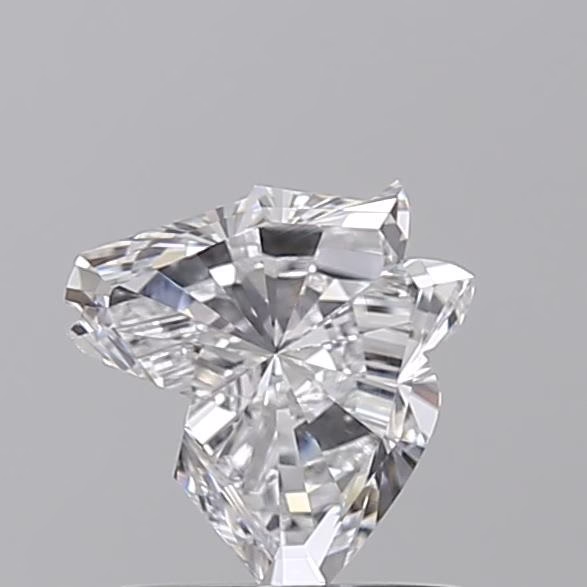
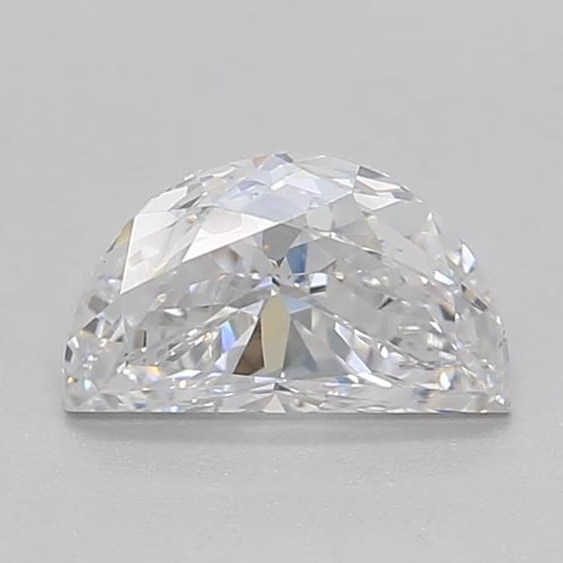
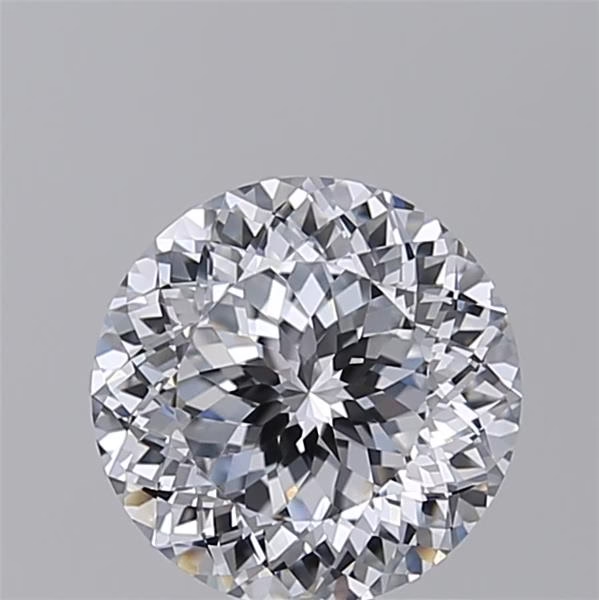
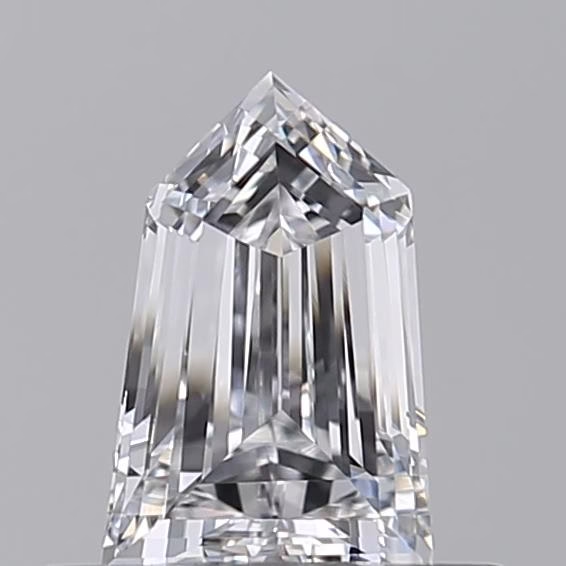
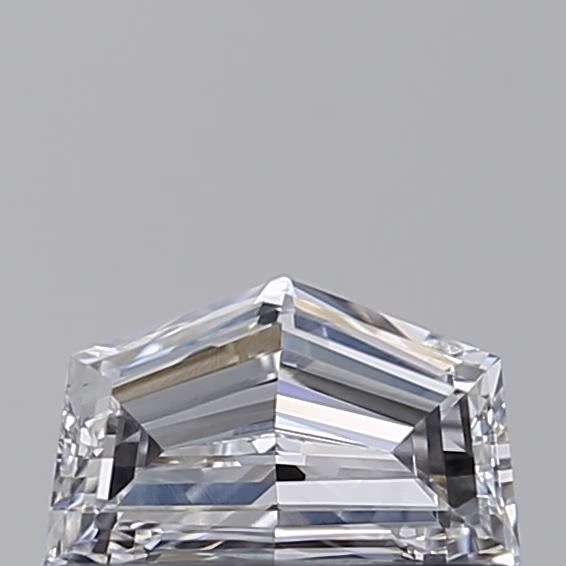
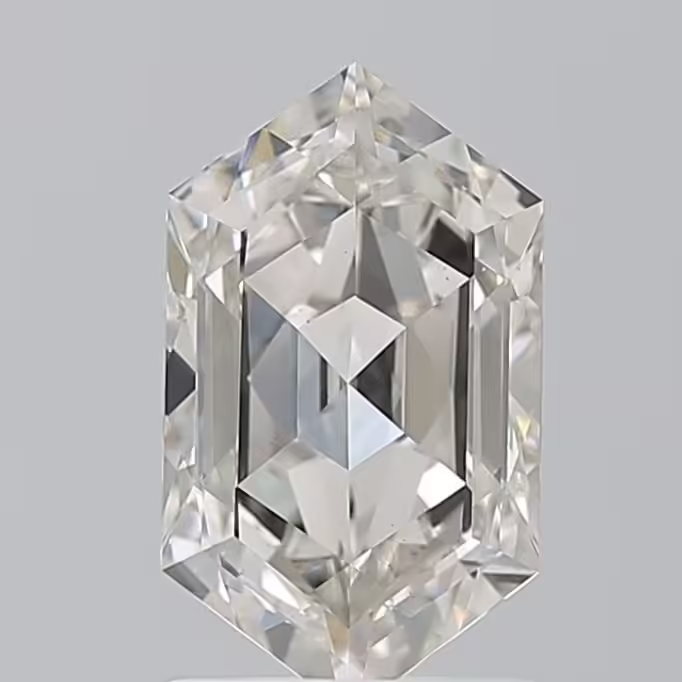
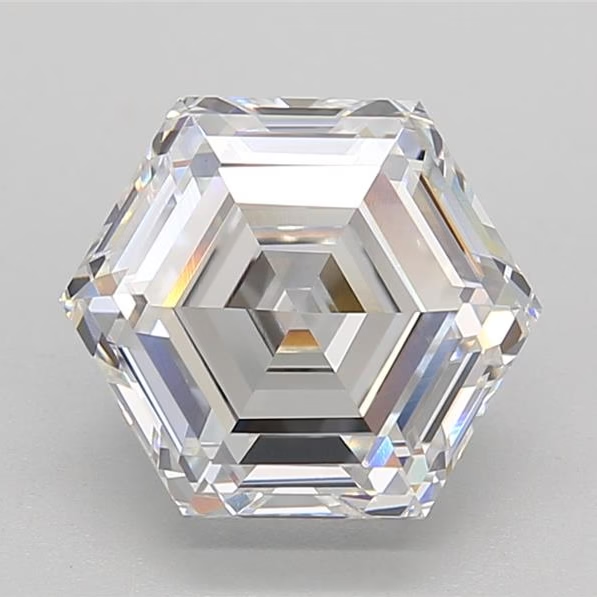
Personolization LGD Customized Shapes
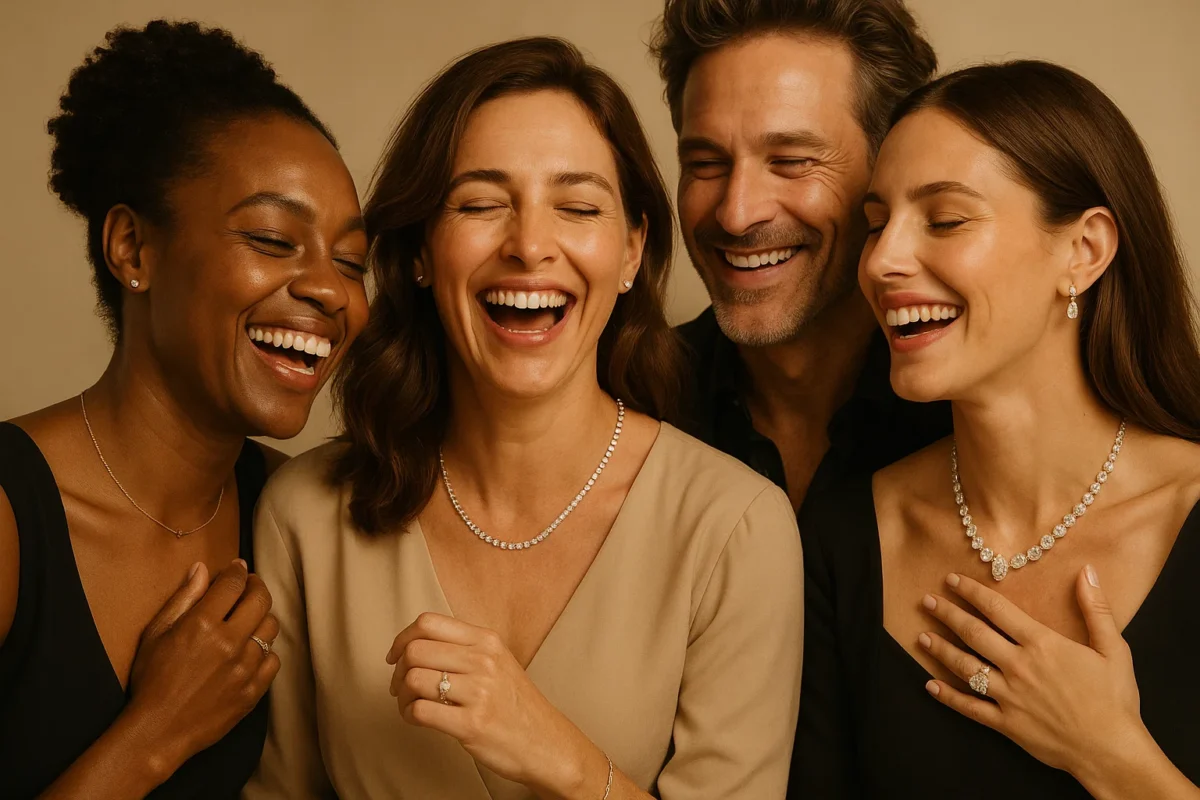
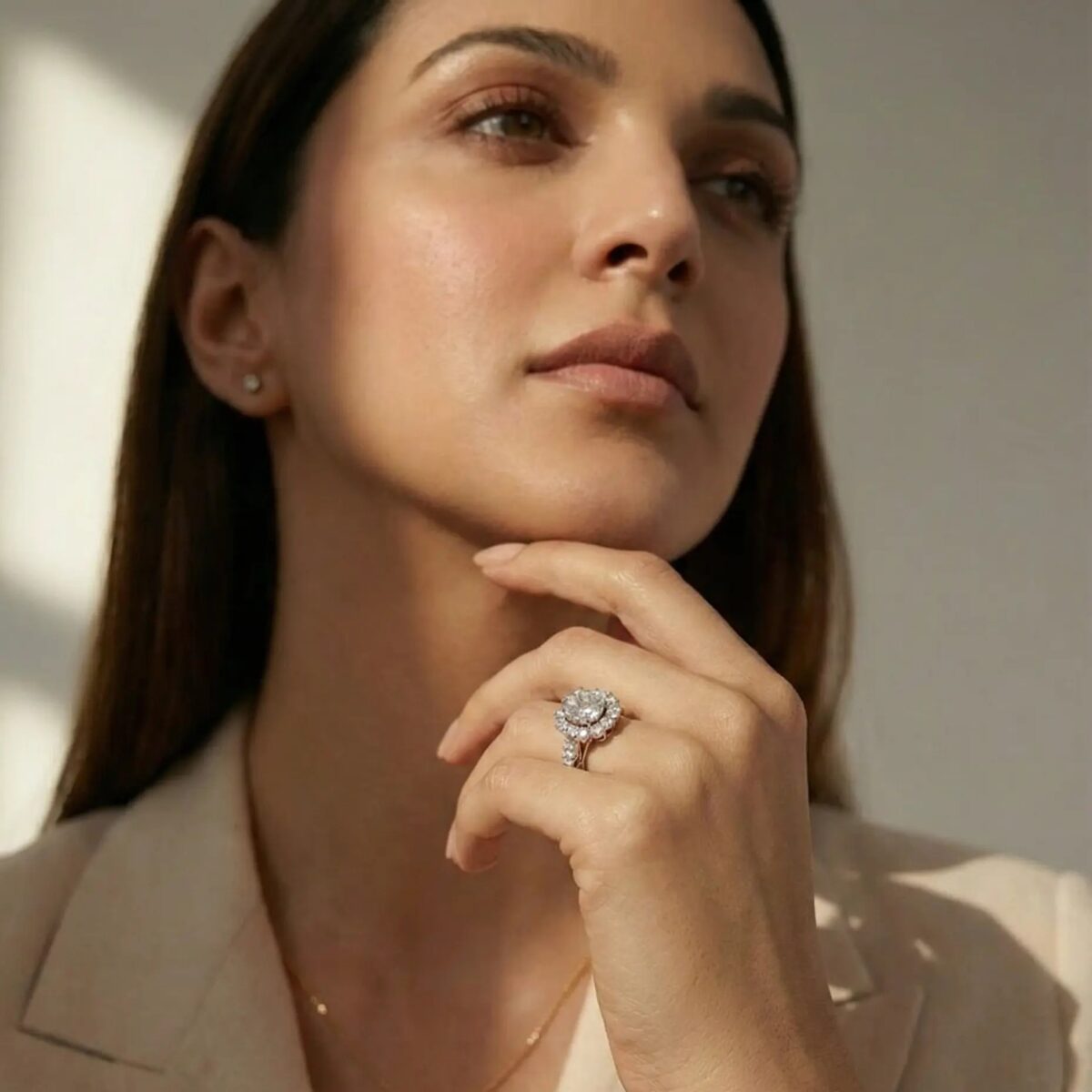
Celebrate the essence of elegance with lab grown diamonds that radiate individuality and charm. Our collection of special colored diamonds is thoughtfully curated to honor the most important women in your life. Whether you’re looking for diamonds for women or colored lab diamonds for gifting, our range offers timeless beauty and modern sustainability. Each piece can be customized – custom colored lab-grown diamonds for special women – to create a gift as unique as she is.
Why Our Lab Grown Diamond
Xplore our newly in Customized Shapes & Cut – Extra 10% Discount Code Today.
Special collection
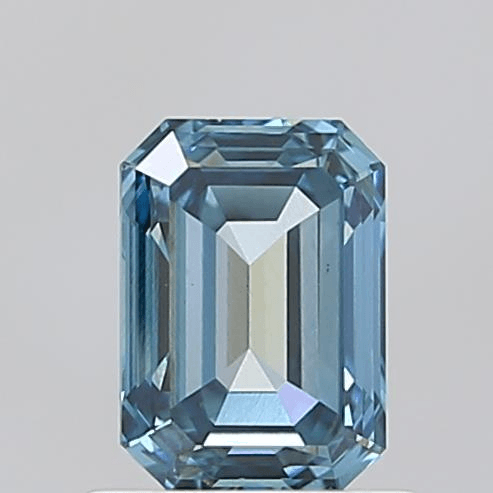
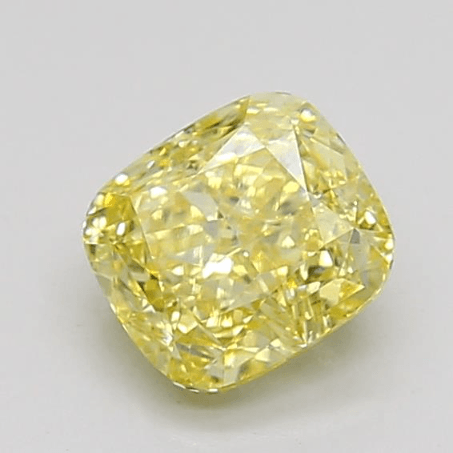
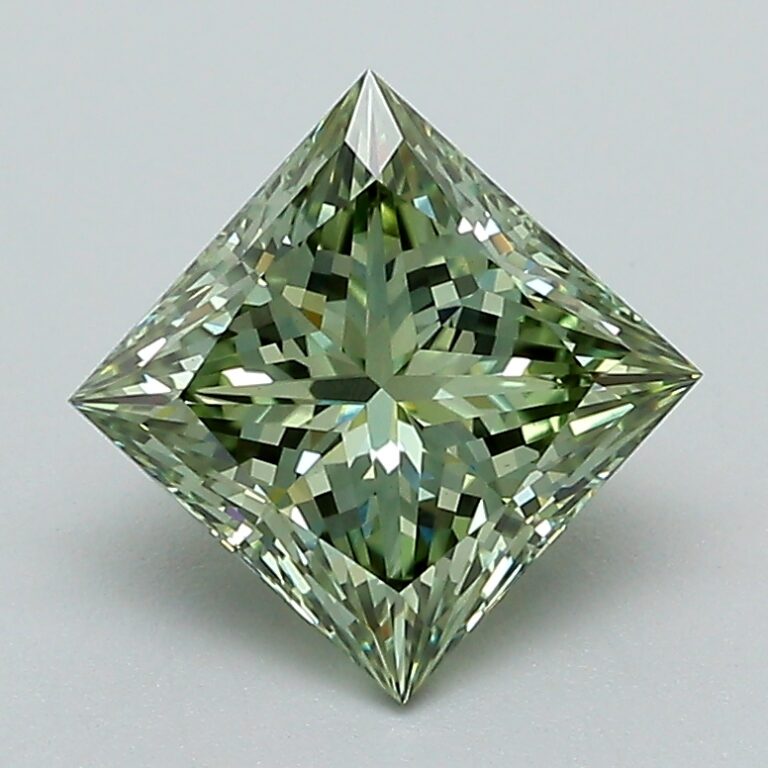
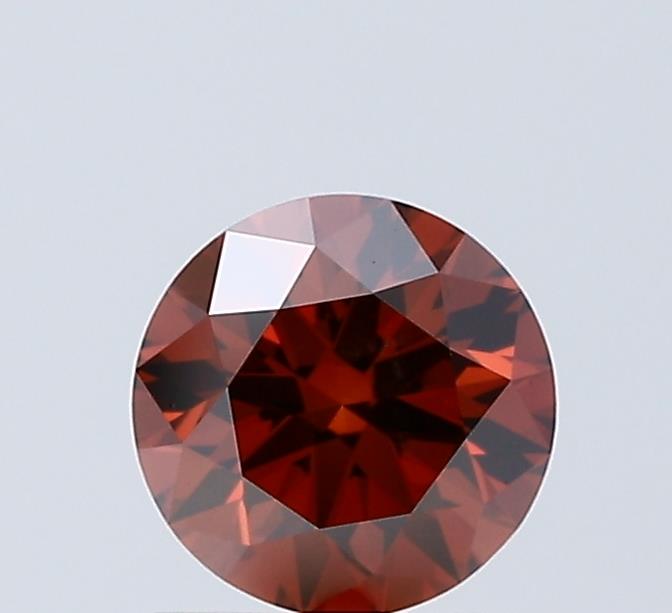
Beauty of colors
forever love
Celebrate timeless moments with rare, radiant hues found in our lab-grown diamond collection.


Primira's
Real Reviews From Real Customers
Lifetime
Warranty
100% Money
Back Guarantee
Easy
Customization
7 Days
Return
14 Days
Exchange
Insured
shipping
sustainable, beautiful packaging
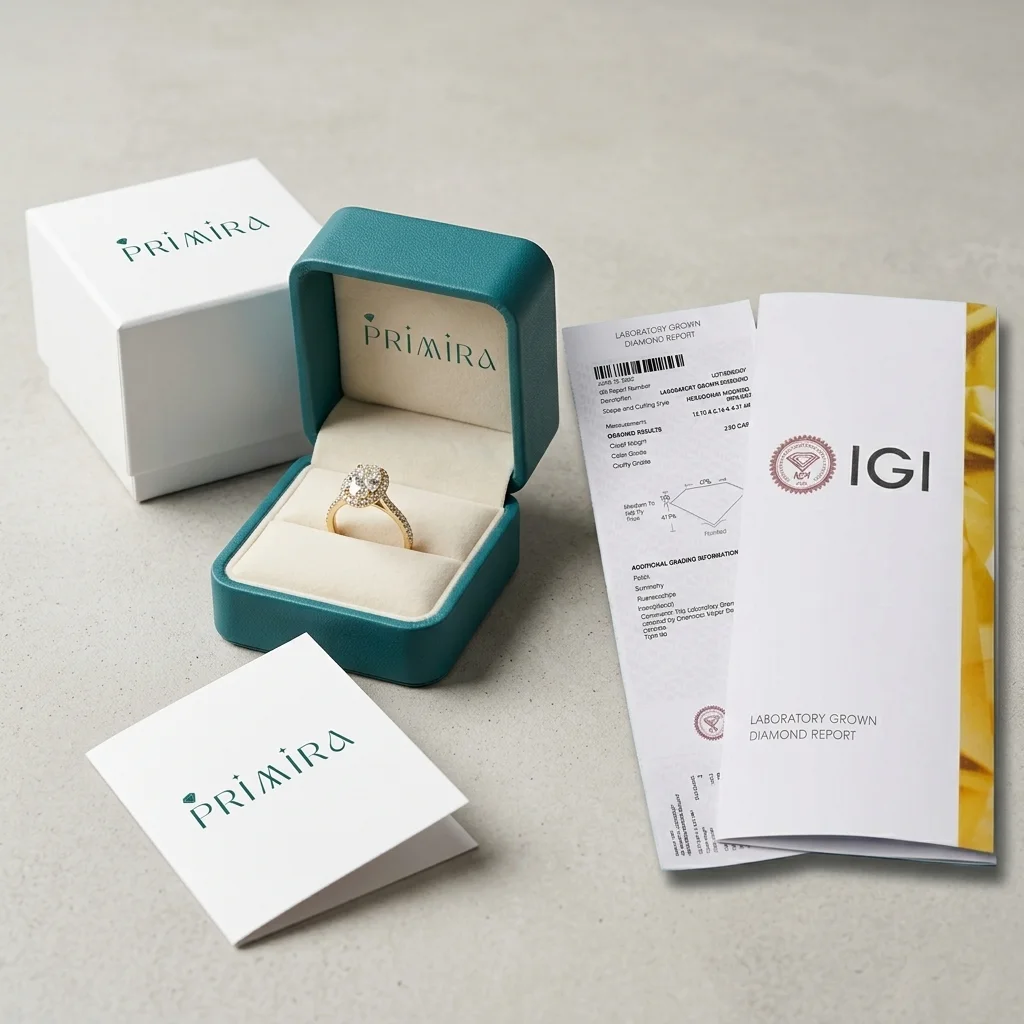
Give your precious pieces a home they deserve with our stylish, soft-lined jewelry boxes made for effortless organization.
Compare Stone Type
Moissanite
Moissanite, first discovered by the French scientist Henri Moissan in 1893, is a dazzling lab-created gemstone known for its exceptional brilliance. As the second hardest gemstone after diamonds on the Mohs hardness scale, lab-grown moissanite combines durability with stunning sparkle, making it an excellent alternative for those seeking ethical and affordable options.
Lab Grown Diamond
Lab diamonds share the same physical and chemical properties as natural diamonds, making them virtually indistinguishable to the naked eye. While their appearance is remarkably similar, the key difference lies in their creation – lab diamonds are manufactured in controlled environments, offering a sustainable and innovative alternative to traditionally mined stones.
Natural Diamond
Natural diamonds are composed of pure carbon atoms arranged in a crystal structure, formed over millions of years deep within the earth. Extracting these precious gems involves labor-intensive mining, followed by expert cutting and polishing by skilled gem cutters who shape the stones into their final dazzling forms.
FAQ'S
Yes, lab-grown diamonds possess the same chemical, physical, and optical properties as naturally mined diamonds.
Yes, all of Primira Luxury’s lab-grown diamonds are certified by reputable institutions such as the Gemological Institute of America (GIA) or the International Gemological Institute (IGI). These certifications assure the authenticity, quality, trust, and transparency of our lab-grown diamonds, providing you with confidence in your purchase.
Yes, we offer custom design services to create a unique piece tailored to your preferences and Budget , characterised based on the 4Cs – Cut, Colour, Clarity and Carat
Absolutely! We offer wholesale options tailored for business-to-business customers. Whether you’re looking to start a small business or need to purchase jewelry in bulk, we’re here to support your needs. For more details or to discuss your specific requirements, please feel free to contact us directly. You can reach us via email, or for a quicker response, feel free to WhatsApp us at +918200524191. We’re committed to providing quality service and products to help your business succeed.
No. A lot of people think that machines can be programmed to create a specific diamond grade and carat size but that’s really not possible. Machines simply put the right conditions together but then nature takes it from there. Just like with mined diamonds, there will be variances in colour, clarity and carat size in every piece.
Yes, Lab Grown Diamonds are also characterised based on the 4Cs – Cut, Colour, Clarity and Carat – just like natural diamonds
Moissanite is a gemstone that shares similarities with diamonds in terms of brilliance. Its affordability and unique fire have contributed to its growing popularity
Read Our Article Behind Every Collection
Each design at Primira Luxury is handcrafted with precision, purpose, and emotion. From the first sketch to the final polish, our artisans turn your vision into a piece that feels personal, ethical, and timeless.
Read More
Antique Cut Lab Grown Diamonds — Plus Custom Shapes, Cut in Surat
Pick up any other page in this collection and there’s a number to chase. Round wants a crown angle between 34° and 35°. Pear wants a length-to-width ratio. An antique cut lab grown diamond doesn’t work that way, and neither does a custom silhouette. Old European, Old Mine, Rose Cut, and Portuguese cuts predate the proportion science modern grading is built on — and a butterfly or an initial outline was never going to fit a brilliant-cut formula in the first place. If you’ve been comparing antique cut diamonds against a round’s cut-grade certificate and wondering why the numbers don’t line up, that’s not a gap in the paperwork. It’s a different category, graded a different way, and worth understanding before you buy one.
This page covers both halves of what Primira cuts outside the standard shape range: historically rooted antique cuts — Portuguese, Rose Cut, Old European, Old Mine — faceted to their original specifications using modern lab grown rough, and custom silhouette shapes — initials, symbols, novelty outlines like Butterfly, Tulip, Lotus, or Flame — cut to a reference image you provide. Both are produced at our own facility in Surat, the district that processes the largest share of the world’s rough diamond supply. That matters more here than almost anywhere else on the site, because the facet-pattern verification and reference-image translation that these shapes require happen at the cutting bench itself, not as a quality check applied after the fact by a reseller working from someone else’s finished inventory.
If you’ve arrived here from a ring page and want one of these cuts already set, our vintage cut engagement ring collection covers Rose Cut, Old European, Old Mine, and Portuguese in finished settings, with the setting-specific guidance (basket seat design, open gallery requirements) that belongs there rather than here. This page is for buyers specifying the stone itself first.
Why These Cuts Don’t Get a Cut Grade — And What We Verify Instead
Here’s the fact most pages selling antique cuts skip past: only round brilliant diamonds receive a numeric cut grade on an IGI or GIA report. The grading formula — table percentage, crown angle, pavilion angle — was built around Tolkowsky’s 1919 round brilliant standard. It doesn’t apply to a shape with no consistent proportion target, which is every cut on this page. Antique and custom-shape stones are graded on polish and symmetry instead — two separate, real, gradable qualities that say nothing about proportion but say everything about execution quality.
That’s not a loophole. It’s the honest answer to a question worth asking before you buy: when a seller calls an antique cut “Ideal,” what are they actually claiming? On a round, “Ideal” means the proportions hit the standard. On a Rose Cut or an Old Mine, there’s no standard to hit — so the claim, if made at all, isn’t measuring anything. What we check instead, and put on record, is concrete: polish grade, symmetry grade, facet count and pattern consistency against the cut’s defining structure, and — for custom silhouettes specifically — whether the finished stone matches the reference outline you approved before cutting began. That’s a more honest answer than a borrowed “Ideal” label, and it’s the standard every stone on this page is held to.
The Antique Cuts
Five named historical faceting styles, each solving a different lighting or rough-yield problem of its era — in the order they actually appeared.
Portuguese Cut — the most facet-dense cut we offer, typically 161 facets or more arranged in three rows on the crown and three on the pavilion. Most often cut in round outline. The extra rows mean light travels through more internal planes before exiting, producing a layered, crushed-ice scintillation rather than one broad flash — and even alignment across six facet rows, not just facet count, is what separates a well-executed Portuguese cut from a poorly executed one.
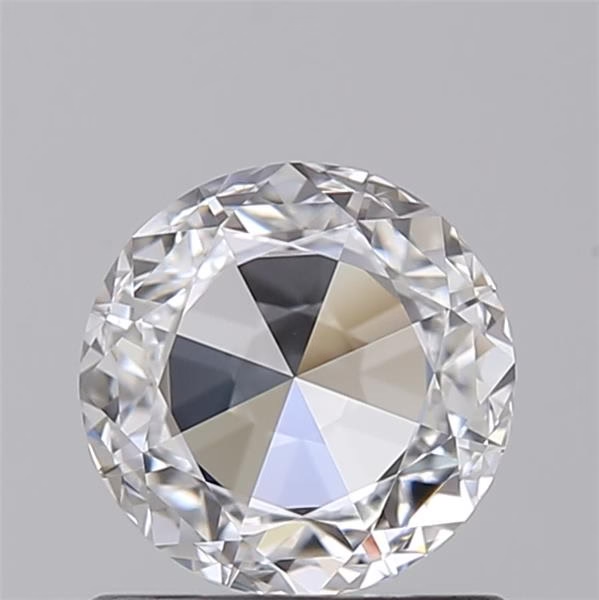
Rose Cut — flat base, domed faceted crown, 3 to 24 triangular facets depending on size and complexity. No pavilion at all, which means light return is genuinely lower than any brilliant or step cut we carry — a real trade-off, not a flaw we’ll talk you out of noticing. In exchange: a soft glowing luster, a low-profile setting footprint, and a face-up size that reads larger than the carat weight on a brilliant cut would suggest.
Old Mine Cut — squarish, cushion-shaped, predating Old European by decades and rooted in the Georgian and Victorian eras. Cutters worked closer to the rough crystal’s natural octahedral shape than Old European’s cutters later would, producing a softer, less symmetrical square with rounded corners, a larger open culet, and a smaller table — all contributing to the cut’s deep, warm, candlelit color.
Old European Cut (OEC) — round, 58 facets, the direct documented predecessor to the modern round brilliant. Smaller table, higher crown, deeper pavilion than a modern round, with a visible open culet at the base rather than the near-invisible point a modern round is cut to.
French Cut — the oldest cut on this page, dating to the 1400s. Square or rectangular outline, nine crown facets, with a square (or rhombus) table set diagonally to the crown’s outline and four triangular facets running from the table’s corners to the crown’s corners — together forming the four-pointed star the cut is recognized by. Historically the most common antique cut for small accent stones rather than centre stones, though it works as either. Popularized among French royalty in the 1600s, revived again in the Art Deco 1920s and ’30s.
A small number of historical stones don’t fit cleanly into any of these five styles — irregular, one-of-a-kind hand-cut antiques with their own facet arrangement. These are filtered under the general Antique Cut attribute rather than one of the five named styles, and each is evaluated individually since there’s no defined pattern to check it against.
Three of these styles are also cut on an oval outline, not just round or square — Oval Old Mine and Oval Portuguese are separate, named options in our shape catalogue for buyers who want the antique faceting character on an elongated rather than round stone.
| Cut | Facet count | Outline | Pavilion | Light character | Era |
| French Cut | 9 crown facets | Square or rectangular | 4 main facets | Bold geometric flashes, four-pointed star pattern | 1400s, popularized 1600s |
| Rose Cut | 3–24 | Round most common, also oval, pear, marquise | None — flat base | Soft luster, not sparkle | 16th c. onward |
| Old Mine | ~58, hand-pattern | Squarish/cushion, also round on order | Full, deep, larger open culet | Warm, candlelit glow | 18th–19th c. |
| Old European | 58 | Round | Full, deep, open culet | Warm, fewer but bolder flashes | Late 19th–early 20th c. |
| Portuguese | 161+ | Most often round, also oval on order | Full, deep | Layered, crushed-ice scintillation | Early 20th c., Portugal/Brazil trade |
Custom Silhouette Shapes — From Reference Photo to Finished Stone
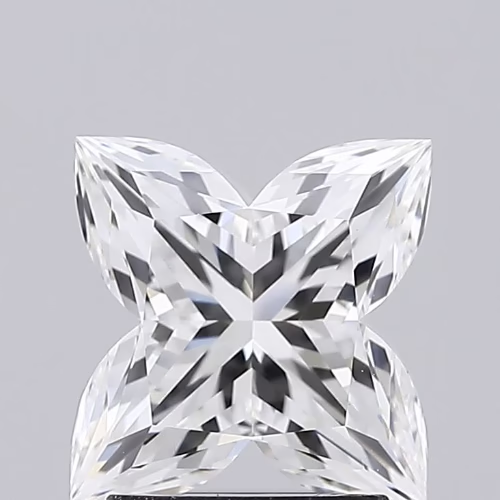
Beyond the five antique cuts, Primira cuts diamonds to custom outlines on order — initials, symbols, geometric forms, and figurative silhouettes. The process is different from ordering a standard shape, and worth understanding before you start. You send a reference image — a photo, a sketch, or a description of what you have in mind. Our lapidary team works out how the facet pattern can actually be applied to that outline without leaving the stone visually flat or compromising structural durability at narrow points — a sharp wingtip or a thin letter stroke can only carry so much faceting before it loses strength. You’ll see the proposed facet layout before cutting starts, not after, because a custom silhouette can’t be evaluated against a standard proportion spec the way a round or oval can — the outline itself is the specification, and confirming it before the rough is committed is the only real check available.
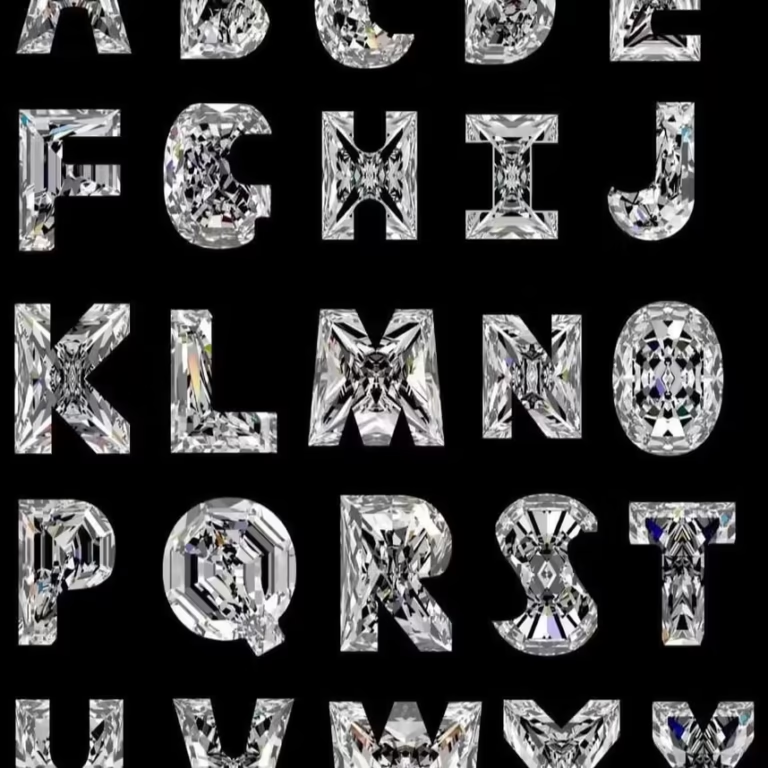
Personalised and Alphabet Cuts — initials and letter shapes are the most-requested custom silhouette we cut, almost always for a monogram pendant or a paired name-spelling set. The technical demand here is consistency, not novelty: when a buyer orders multiple letters for one piece, each is cut to the same height and depth as the others, so a name or initials set reads as a matched series rather than mismatched individual stones — a detail that matters more on a multi-letter order than on any single custom shape we cut.
Butterfly and Floral Silhouettes — Butterfly, Flower, Tulip, Lotus (also listed as Padma), and Lily are our most-requested nature-inspired outlines. Wingtips and petal points are the narrowest sections on these shapes and the first place to flag to a setter for protective prong placement — covered in more depth in the care section below.
Geometric Silhouettes — Hexagonal, Pentagonal, Octagon, Kite, Lozenge, Cadillac, and Shield outlines, for buyers who want a defined architectural shape rather than a brilliant or step-cut silhouette.
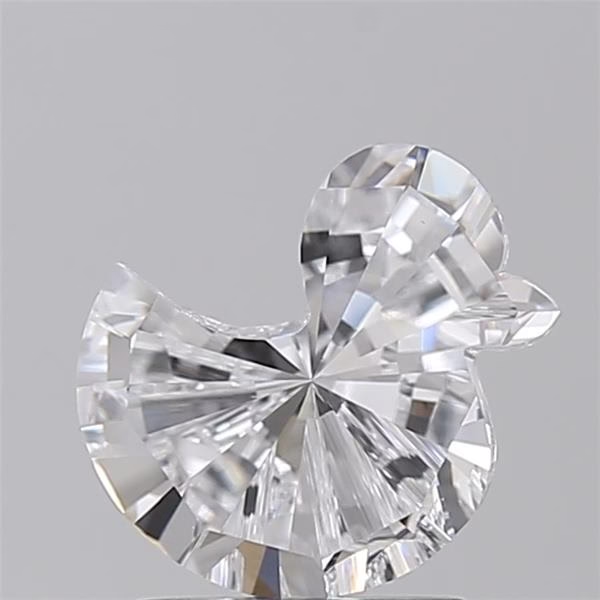
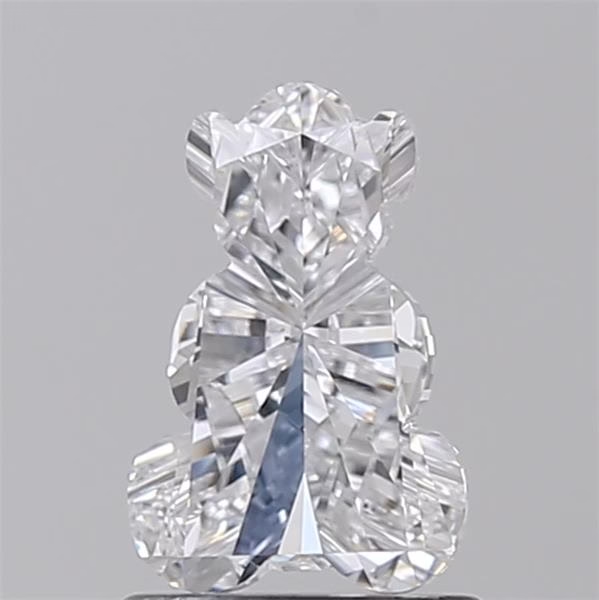
Figurative and Novelty Silhouettes — Horse, HorseHead, Duck, Angel, Panther, Rabbit, TeddyBear, Cat, Sparrow, Batman, Pineapple, Mango, Hulu, Briolette, Bullet, and Flame are all cut to order, alongside any outline not listed here — if you can send a clear reference image, our lapidary team can evaluate whether it’s cuttable.
The full Primira range of shape options, including the complete custom silhouette list, is documented in our loose lab grown diamonds collection.
One honest expectation to set: a highly detailed silhouette with thin extremities — a flower with narrow petals, a script-letter outline — sacrifices some brilliance for shape fidelity. There’s less material to work with at the narrow points, which limits how many facets can be cut there without weakening the stone. That’s a genuine design trade-off between outline accuracy and optical performance, not something we’ll undersell to close an order.
Buying Logic Changes With the Shape
Every shape in this collection asks a different question. Round comes down to proportion precision — table, depth, crown angle, all measured against a fixed target. Round brilliant lab grown diamonds are graded almost entirely on hitting that target, because outline alone can’t disguise a weak cut on a shape with nowhere to hide. Fancy color lab grown diamonds flip the priority again — saturation tier matters more than a numeric grade, and cut choice is about trapping color rather than maximizing light return.
Antique and custom cuts are the fourth logic on the list: there’s no proportion formula and, for the historical cuts, no pavilion-depth target to chase — what actually indicates quality is facet-pattern fidelity to the cut’s defining structure, polish, symmetry, and — for custom shapes — outline accuracy to the approved reference. If you’ve been applying round’s “hit the numbers” mindset to an Old Mine Cut or a Rose Cut, that’s the wrong checklist for this category. This is the right one.
Clarity and Color on Cuts Like These
Antique cuts have an optical property worth knowing before you shop by grade alone: the same broad, large facets that produce their characteristic warm light also do real work hiding small inclusions and softening visible body color. It’s well documented in the antique diamond trade that these cuts can face up one to two color grades whiter than their certified grade — which is exactly why many sellers of antique cuts stock lower color and clarity grades than they would for a round, leaning on the cut itself to do the visual work.
Primira doesn’t do that. Every stone on this page — antique cut or custom silhouette — comes from the same standard stock as the rest of the site: VVS1 to VS2 clarity, all eye-clean, with no SI2 or lower carried in any shape. D-E-F colorless is primary stock; G-H-I near-colorless remains available as a genuine value choice. Combined with the face-up effect these cuts naturally produce, a stone graded G-H-I here can read closer to colorless than the certificate alone would suggest — a real advantage on this category specifically, not a generic value pitch.
Caring for Antique and Custom-Cut Stones
These shapes carry a different vulnerability profile than the standard shapes elsewhere on the site, and it’s worth knowing before a stone goes into daily wear. A Rose Cut’s flat, pavilion-less base sits lower and closer to the skin, which protects it from impact in one sense but means the edge of the stone — rather than a deep point — takes any direct contact, so a low-profile or bezel-style setting protects it better than an exposed-edge mount. Old European and Old Mine cuts carry open culets — a visible flat facet at the base rather than a sharp point — which is part of the period look but is also a thinner section of stone than a modern round’s culet, worth flagging to whoever sets or resizes the piece. Custom silhouettes with narrow extremities — a butterfly wingtip, a thin letter stroke, a flower petal — are the most chip-prone shapes we cut, simply because there’s less material at those points; a protective setting (partial bezel, or prongs placed specifically at the narrowest sections) matters more on these than on almost anything else we offer.
Certification, Verification, and From Order to Your Door
Because there’s no cut grade to point to on these shapes, what actually goes on record is what matters. Every antique cut and custom silhouette ships with an IGI report stating polish, symmetry, color, and clarity, with the report number laser-inscribed on the girdle and verifiable independently at igi.org. For a custom silhouette specifically, the pre-production confirmation goes further than a standard order: the proposed facet layout against your reference image is confirmed via WhatsApp before cutting begins, alongside the usual carat, color, and clarity specifications — the same pre-production discipline every custom order on the site goes through, applied to the one variable (the outline itself) that’s unique to this category.
Antique cuts already in inventory dispatch within 48 hours of order confirmation, same as the rest of our loose stone range. Custom silhouettes and any antique cut outside standard stock run the standard 15 to 35 business day production window, occasionally up to 45 where the silhouette requires additional rough-orientation planning. Every shipment, custom silhouette included, is insured from the cutting bench to your door, and the 7-day return window applies if what arrives doesn’t match the confirmed specification. As with our other loose stone pages, The buyback program applies to set jewelry rather than loose stones — the same reason it doesn’t appear on any of our loose-stone pages.
If saturation or budget per carat matters more than diamond composition specifically, hand-cut moissanite is also available in custom shapes — a different stone with a different optical signature, worth comparing on its own terms.
Frequently Asked Questions
What is an antique cut diamond, and what counts as one at Primira?
An antique cut diamond uses a historical faceting style developed before modern brilliant-cut standardization — Portuguese, Old European, Old Mine, and Rose Cut are the four we offer, each rooted in a specific era and cut to that era’s defining proportions, not a modern reinterpretation of the look.
Old Mine Cut vs Old European Cut — what’s actually different?
Shape is the main distinction: Old European is round, Old Mine is squarish with rounded corners (closer to a cushion outline). Old Mine also predates Old European by several decades and tends to carry an even larger open culet and smaller table. Both are warm, candlelight-era cuts with less brilliance and more fire than a modern round.
Does an antique cut lab grown diamond get a cut grade like a round does?
No — only round brilliant diamonds receive a numeric cut grade, because the grading formula is built around round’s standardized proportions. Antique and custom-shape diamonds are graded on polish and symmetry instead, which is what’s stated on the IGI report for every stone on this page.
Why does Primira stock the same clarity and color floor on antique cuts as on every other shape?
Because the broad faceting on these cuts hides inclusions and softens color well enough that many sellers use it as cover to stock lower grades. We don’t — every antique cut and custom silhouette comes from the same VVS1-VS2, D-E-F/G-H-I standard stock as the rest of the site, which means the face-up effect these cuts produce is added value, not a substitute for grade.
Can I get a custom diamond shape — like a butterfly or an initial outline — cut to order?
Yes. Send a reference image and our lapidary team works out a facet pattern that fits the outline without compromising the stone’s structural integrity at narrow points. You’ll see and confirm the proposed facet layout via WhatsApp before cutting begins.
Are antique cut diamonds more or less expensive than a round brilliant of the same carat?
It varies by cut. Old Mine’s squarish outline follows the rough crystal more closely than round does, which can mean less rough sacrificed in cutting; Portuguese, with its 161+ facets across six rows, is labor-intensive in a way that affects cutting time rather than rough yield. There’s no single answer across all four — it depends on which cut and which specific stone.
What is a French cut diamond?
A French Cut is a square or rectangular antique cut with nine crown facets — a square table set diagonally to the outline, with four triangular facets running to the corners, forming a four-pointed star pattern. It’s the oldest cut on this page, dating to the 1400s, and historically the most common antique cut used for accent stones rather than centre stones.
 Chat on WhatsApp