
Primira Luxury Blog
“Jewelry is more than an accessory; it’s a timeless tale waiting to be told.”
“Like a well-crafted gem, true beauty comes from within. Let your jewelry amplify it.”


Showing 1–12 of 14 results
- ₹9,263 – ₹29,270Price range: ₹9,263 through ₹29,270
- ₹12,900 – ₹61,314Price range: ₹12,900 through ₹61,314
- ₹9,040 – ₹26,606Price range: ₹9,040 through ₹26,606
- ₹8,998 – ₹25,114Price range: ₹8,998 through ₹25,114
- ₹11,902 – ₹40,383Price range: ₹11,902 through ₹40,383
- ₹10,406 – ₹46,572Price range: ₹10,406 through ₹46,572
- ₹15,152 – ₹61,383Price range: ₹15,152 through ₹61,383
- ₹9,997 – ₹37,248Price range: ₹9,997 through ₹37,248
- ₹8,506 – ₹28,399Price range: ₹8,506 through ₹28,399
- ₹12,449 – ₹60,868Price range: ₹12,449 through ₹60,868
- ₹14,158 – ₹80,710Price range: ₹14,158 through ₹80,710
- ₹11,642 – ₹41,493Price range: ₹11,642 through ₹41,493


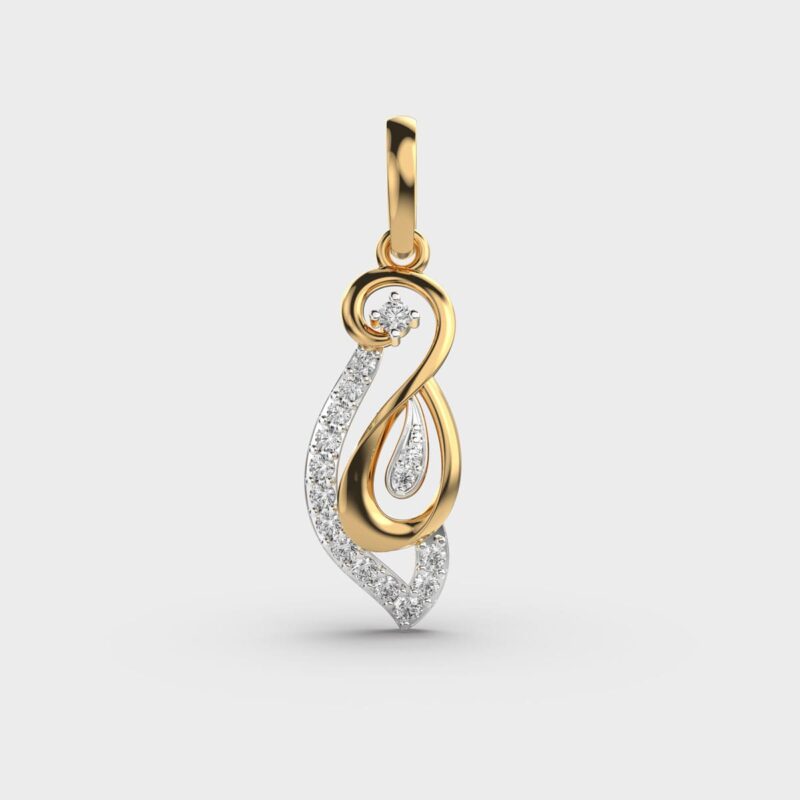
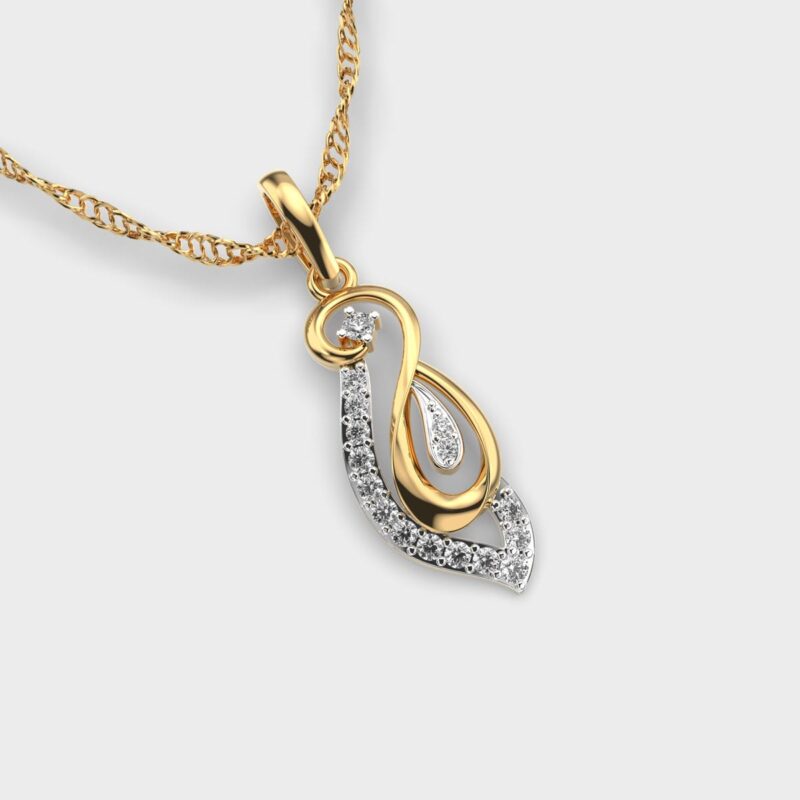

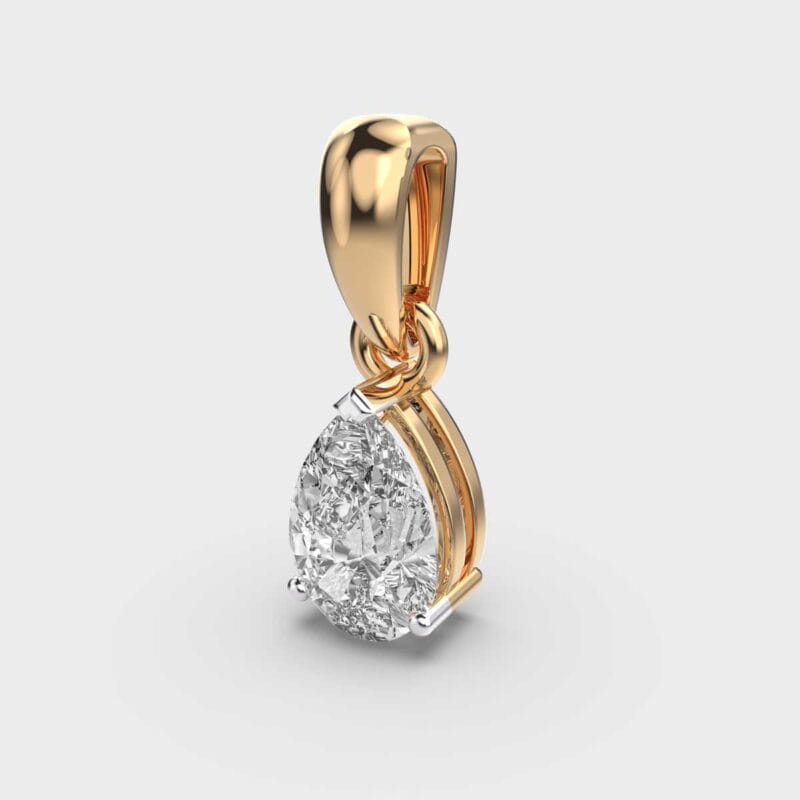


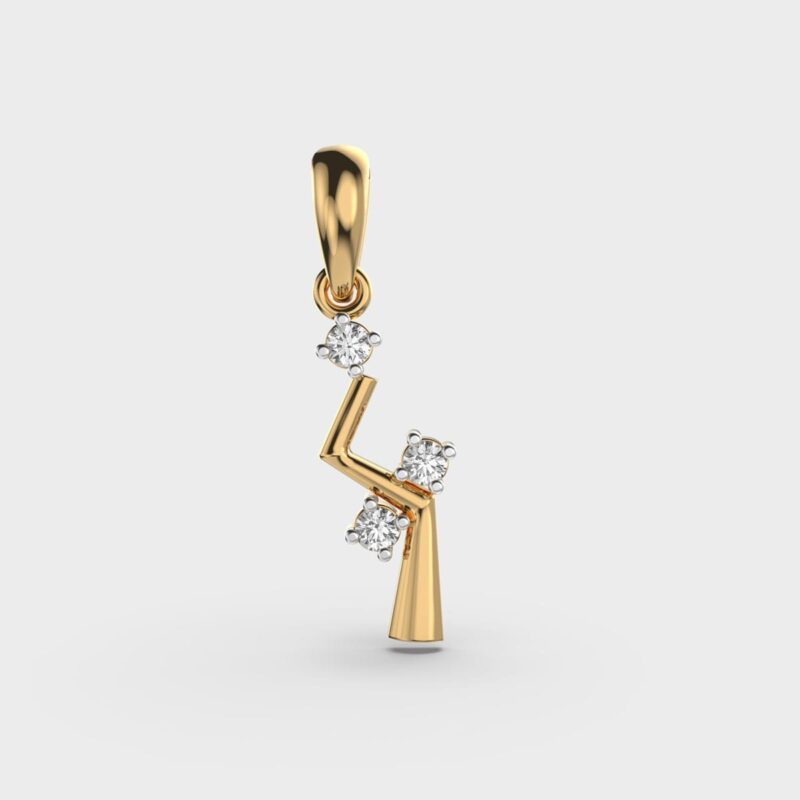
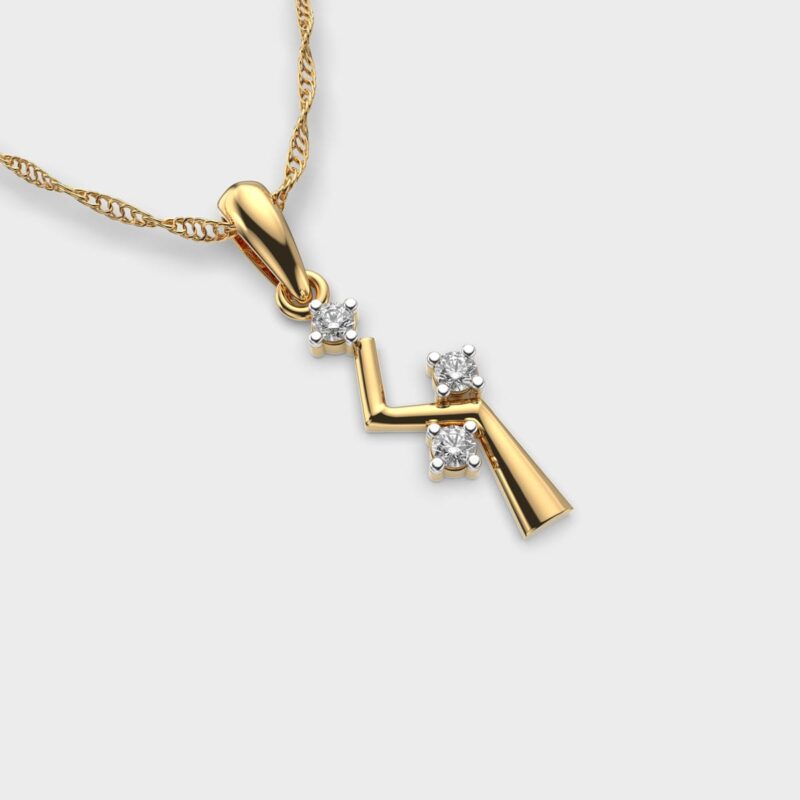
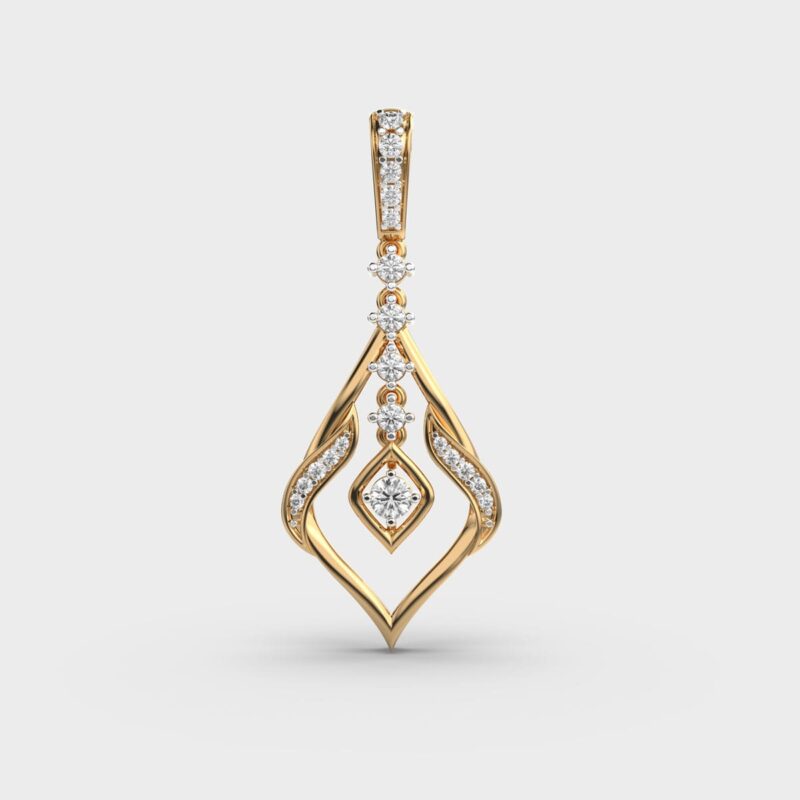

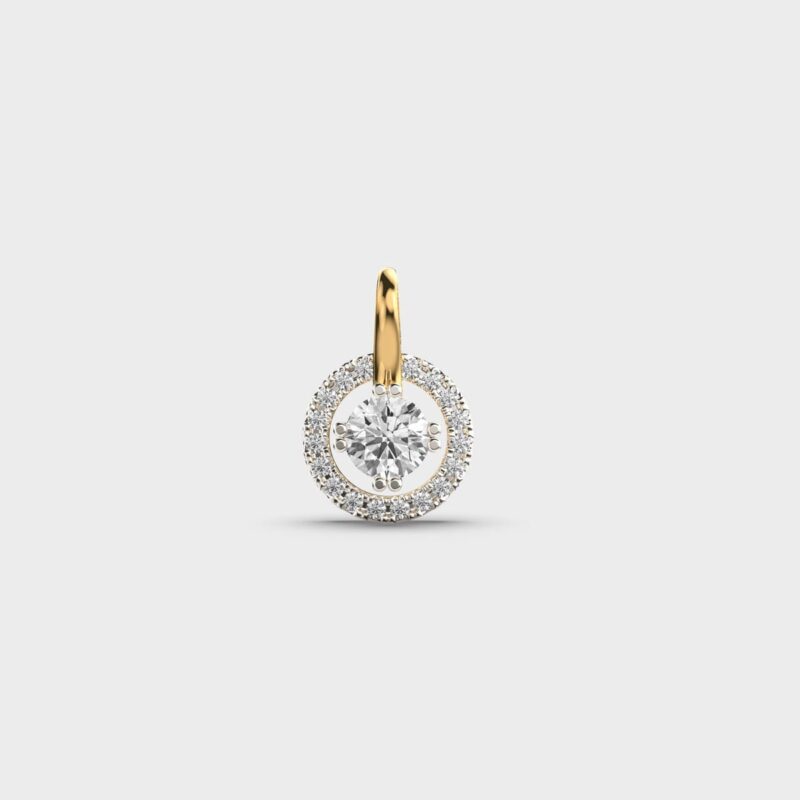
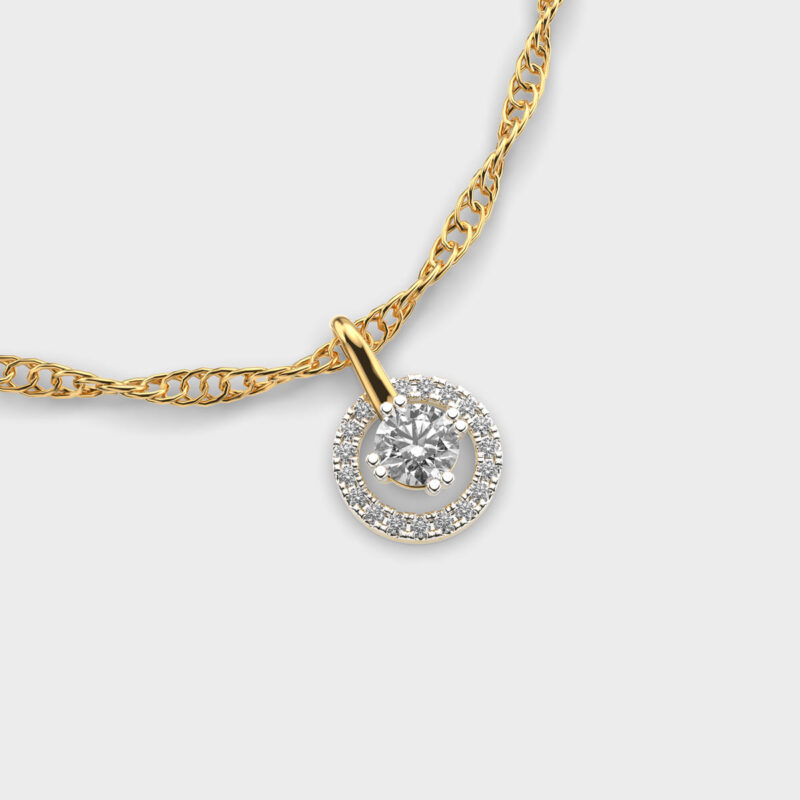
Showing 1–12 of 14 results
Discover Your Perfect Price
Filter by Stone Type and Metal to view accurate, variation-based pricing
Transparent, personalized, and effortless - explore designs that match your style, metal, and budget.
- Tip: Choose one stone type and one metal type to see your exact price.
- If prices seem off, just uncheck and re-apply your filters – the page will refresh with accurate pricing.
 1-to-1 Custom Design
Experience
 Craft Your Vision
Today with a 10% Starte
 HD video Preview
Before It Ships
 Fully Customizable
- Stone, Metal & Budget
 Choose Metal Tone:
Yellow, White or Rose Gold
 Handcrafted in Solid 10K · 14K · 18K
Gold, 925 Silver or 950 Platinum
 Select Your Stone Type:
 Lab-Grown Diamond or Moissanite
 Award winning
 craftmanship and detailing
 Hallmarked &
 Certified (IGI / SGL)
 Personalized Care &
 Expert Support
 Design Any Piece
Within Your Budget
1-to-1 Custom DesignExperience
Craft Your VisionToday with a 10% Starte
HD video PreviewBefore It Ships
Fully Customizable- Stone, Metal & Budget
Choose Metal Tone:Yellow, White or Rose Gold
Handcrafted in Solid 10K · 14K · 18KGold, 925 Silver or 950 Platinum
Select Your Stone Type: Lab-Grown Diamond or Moissanite
Award winning craftmanship and detailing
Hallmarked & Certified (IGI / SGL)
Personalized Care & Expert Support
Design Any PieceWithin Your Budget
Primira's
Real Reviews From Real Customers
Lifetime
Warranty
100% Money
Back Guarantee
Easy
Customization
7 Days
Return
14 Days
Exchange
Insured
shipping
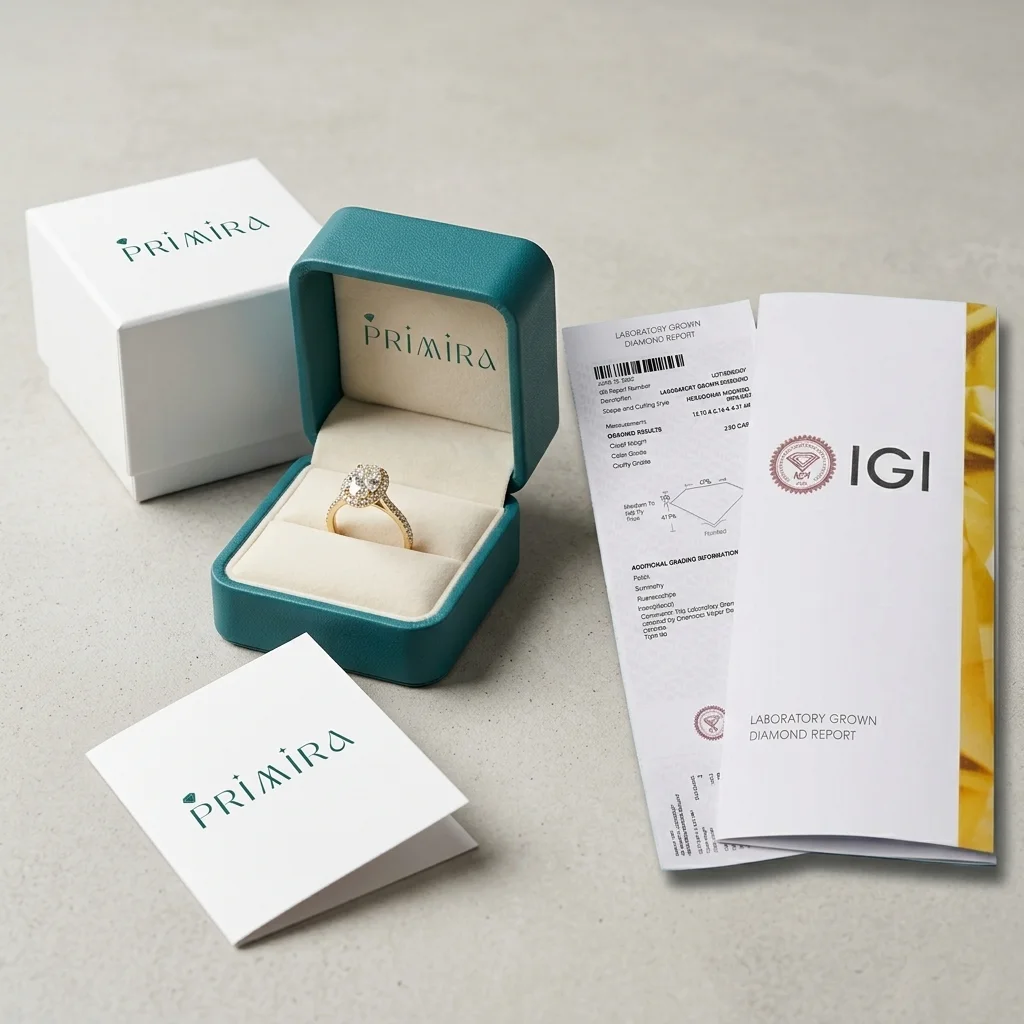
sustainable, beautiful packaging
Give your precious pieces a home they deserve with our stylish, soft-lined jewelry boxes made for effortless organization.
Read Our Article Behind Every Collection
Each design at Primira Luxury is handcrafted with precision, purpose, and emotion. From the first sketch to the final polish, our artisans turn your vision into a piece that feels personal, ethical, and timeless.
Read More
Solitaire Lab Grown Diamond Pendants — Bail, Cut and Setting
Most buyers spend their decision-making time on the diamond: which shape, how many carats, what color grade. The bail — the metal fitting that connects stone to chain — gets almost no attention. It is also the component that determines whether the pendant sits centered, faces forward, and catches light the way the stone was cut to. A solitaire lab grown diamond pendant has nowhere to distribute this problem. One stone, one setting, one bail. Every variable matters more than it does in a cluster or halo pendant, precisely because nothing else is sharing the load.
Browse the full pendant range →
Why the Bail Is the First Decision, Not the Last
In a pendant setting, the bail’s attachment point relative to the stone’s centre of gravity is the variable that determines whether the piece wears correctly. If the bail sits above the geometric top of the setting without being calibrated to the stone’s actual mass distribution, the stone rotates on the chain until its heaviest point faces the floor — which means the face-up surface faces away from the viewer, or tilts at an angle that breaks the intended light path.
This is not a rare defect. It is a predictable result of treating bail placement as an afterthought.
Hidden bail construction addresses this directly. Rather than a separate loop soldered to the top of the setting, a hidden bail integrates the chain channel into the prong structure itself, lowering the effective pivot point and keeping the stone stable in the plane perpendicular to the chest. The setting profile needs to support this: a fully flat-back setting cannot carry a hidden bail correctly. A cupped or half-round reverse profile allows the chain to pass behind the stone’s vertical axis rather than above it, which is what produces the balanced hang.
Articulated bails — where the bail ring can rotate freely relative to the pendant — are the other solution for pendants that will be worn with movement. The stone can orient to its natural balance point without the chain torquing against a fixed attachment. This matters more for heavier stones and elongated shapes; for a small round brilliant on a lightweight chain, a fixed bail is typically sufficient.
At the bench, bail placement is calibrated to the specific stone dimensions and weight before setting. Surat’s manufacturing process — where the stone is cut, set, and finished in the same facility — means this calibration happens with the actual stone in hand, not estimated from a standard template.
Cut Quality in a Solitaire Pendant: Higher Stakes Than Anywhere Else
A solitaire lab grown diamond pendant is the format that exposes faceting quality most completely.
A cluster pendant distributes visual interest across multiple stones — a weaker stone in the arrangement reads as part of the pattern, not as a failure. A halo design adds a ring of accent stones that amplify the centre’s apparent size regardless of individual faceting. Neither of these buffers exists in a solitaire pendant. The stone wears in open air, face-up, often swinging slightly in movement, picking up ambient light from multiple angles in sequence rather than one fixed direction.
This matters for cut grade in a specific way. A stone cut to Good or Fair grade — where table percentage or pavilion angle falls outside the Ideal/Excellent bracket — loses light through the base rather than returning it to the viewer. In a ring setting, this is partly offset by the viewing context: the stone sits still, face-up, under a single light source at most moments. A pendant in wear swings. As it moves, it catches light from the side, from below, from above. A stone cut for maximum light return — pavilion angle 40.6–41°, table 54–57%, crown angle 34–35° — performs across all of these angles. One cut to a lower standard shows its weakness in motion before it shows it at rest.
Primira stocks Ideal and Excellent cuts only. Each stone’s cut grade is laser-inscribed on the girdle and independently verified by IGI before setting. The report number is on the stone itself, not on a separate label — verifiable at igi.org by anyone who wants to check.
Stone Shapes and Setting Logic
Round Brilliant
The most technically forgiving shape for a pendant. Symmetrical across all axes, no preferred orientation, no flip tendency when bail placement is correct. A 4-prong basket setting gives maximum light exposure. 6-prong adds security for heavier stones. Both orientations — north-south axis on the chain, or the basket centred — produce the same visual result because round cuts are radially uniform.
Oval
Nearly as forgiving as round. The slight elongation creates a fingerlike visual extension at the décolletage — a longer, more graceful line than a round at the same carat weight. North-south orientation (long axis vertical, running down from the chain) is standard and works well. East-west orientation (long axis horizontal, stone turned 90°) is a current trend — it reads as a more deliberate, fashion-forward decision and works best with a low-profile bezel that allows the horizontal read without the bail interrupting it.
Pear
Must be set apex-down: the pointed tip faces toward the floor, the curved shoulder at the top carries the bail. Apex-up reverses the shape’s natural visual weight line — the point reaches toward the throat, and the design reads as unresolved. A V-prong at the apex is required to protect the point from chipping; a standard round prong placed on the tip creates a contact point that concentrates impact forces against a geometrically vulnerable corner. The elongated form makes pear pendants read larger at a given carat weight than rounds.
Emerald Cut
A different optical register from the brilliant cuts above. Step-cut facets in an emerald pendant create broad sheets of reflected light rather than the scintillation pattern of a round or oval. The result is a pendant that reads as architectural — controlled, quiet, dimensional — rather than maximally sparkling. Higher clarity is advisable: the open table of a step cut makes inclusions visible at a carat weight where they would be invisible in a round. Primira’s clarity floor of VS2 is the right starting point; VS1 and VVS ranges are worth considering for emerald cuts specifically.
Heart and Marquise
Both require additional prong engineering for shape retention in wear. A heart pendant needs double V-prongs at both upper lobes and a third V or notched prong at the point. Without the lobe prongs, movement causes the top of the heart to round out and the design reads as a misshapen round. A marquise, like a pear, needs V-prongs at both tips and careful bail placement along the long axis to prevent rotation.
Prong vs Bezel: The Pendant-Specific Analysis
The prong vs bezel question reads differently for pendants than it does for rings, because a pendant moves.
A 4-prong basket for a solitaire pendant allows full light entry from all sides — the stone is effectively suspended in open air, and every angle of ambient light reaches the pavilion. This is the setting that produces the highest visual brilliance. The tradeoff is snag exposure: a prong profile that clears the metal surface catches on cashmere, fine silk, hair. For a pendant worn close to the neck on fine knitwear, this is a real daily-wear consideration.
A bezel for a pendant adds two advantages the ring context doesn’t need. First, snag protection — the continuous metal rim produces a smooth exterior with no projecting tips. Second, orientation stability — because the rim wraps the stone’s girdle, it provides more rotational resistance under movement than four discrete prong contacts. A bezel-set pear or marquise pendant is less likely to rotate off-axis during wear than the same stone in a prong setting with a fixed bail.
The tradeoff is light entry. A full bezel rim covers the stone’s girdle and the outer ~1mm of the table face-up; less light enters from the sides. For high-brilliance cuts (round, oval, pear), this is a measurable reduction. For an emerald cut, where the light return is architectural rather than refractive, the bezel’s effect on optical output is less significant.
Partial bezel (semi-bezel): Metal wraps two opposite sides of the stone — typically the long sides for an emerald or oval — leaving the short ends open. This is a design-forward choice that combines structural clarity with open-end light entry. It reads as contemporary and works well for elongated shapes where the open ends produce the visual interest.
For round brilliants in a solitaire pendant: 4-prong basket is the default choice for buyers prioritising brilliance, bezel for buyers prioritising active daily wear without snag risk. The Primira team confirms setting preference before production — both are available across the full shape range.
Stone Specifications for Solitaire Pendants
A single stone has nowhere to hide a compromise, so the specification matters more here than in multi-stone designs.
Cut: Ideal or Excellent only. Primira does not stock Good or Fair cuts. For a solitaire pendant, this is the non-negotiable.
Clarity: VVS1–VS2, all eye-clean. SI2 and below are not stocked. For emerald cuts, VS1 or above is the stronger choice given the open-table faceting structure.
Color: D–F colorless is the primary stock tier. G–H near-colorless is a value choice with no visible difference to the naked eye at pendant-wearing distance. In a yellow gold setting, G–H works beautifully — the warm metal actually complements a very slightly warmer stone better than D–F would. In white gold or platinum with a bezel, D–F is worth prioritising because the white metal sets a visual context where colorlessness is the expectation.
Carat: 0.25ct sits delicate; 0.50–1ct is the most commonly purchased range for daily wear and gifting; 1.5–2ct is a statement piece. Lab grown diamonds make larger carat sizes genuinely accessible — the same cut, color, and clarity at 1ct rather than 0.50ct is a financially different decision than it is for mined stones.
Certification: Every lab grown diamond pendant stone comes with IGI certification. The report number is laser-inscribed on the girdle. For a solitaire pendant specifically, the IGI cut grade on the certificate is the metric that does the most work — it is the independent verification that the stone was faceted to the standard required to perform without supporting stones around it.
Custom Solitaire Pendants
The specific detail that matters for custom solitaire pendants: stone orientation within the setting is confirmed before fabrication. This is the variable that product photography cannot communicate — whether an oval is north-south or east-west, whether a pear’s apex angle positions correctly on a given chain length, whether a heart’s lobe width is proportionate to the bail gauge.
The pre-production WhatsApp confirmation covers bail type, stone orientation, and setting style — three decisions that a solitaire pendant buyer cannot verify from a product photo. The team in Surat confirms these specifics before any metal is touched. Standard production runs 15–35 business days.
Any lab grown diamond shape in the Primira inventory is available for a custom solitaire pendant. This includes specialty and antique cuts — Rose Cut, Old European Cut, Portuguese, and custom silhouette shapes (kite, lozenge, shield, and others). Portuguese cut stones, with their 161+ facets, produce a distinctly higher fire output than a standard brilliant; in a solitaire pendant where the stone is the entire design, this is a significant upgrade in optical character worth exploring for buyers who want something genuinely different from a standard round.
Care for Solitaire Pendants
The specific vulnerabilities in a solitaire pendant are different from those in a ring.
Prong contact with chain: Where the chain passes through or over the bail, repeated daily movement creates micro-abrasion. On a prong-set pendant, check annually that no prong has bent toward the chain passage — a displaced prong can catch on the chain link and lever itself further out of position. A professional prong check once a year is all this requires.
Stone rotation detection: If your pendant has started facing sideways or reversing, the bail pivot is the first place to look. A fixed bail that has loosened from the setting allows rotation; it is a simple repair at the bench. Do not try to re-tension it by hand — bail metal is typically lighter gauge than setting metal and bends at lower force than expected.
Cleaning: Warm water, a drop of mild dish soap, a soft bristle brush applied lightly behind the stone and around the prongs. The back of a solitaire pendant — particularly a prong-set one with an open gallery — collects oils from neck and décolletage contact faster than the face-up surface does. Brush behind the setting, not just across the table. Rinse thoroughly; soap residue on the pavilion facets is what actually dulls apparent brilliance over time, not the stone itself.
Storage: Diamonds scratch most other materials including other diamonds. Store solitaire pendants in a separate pouch or compartment, not loose in a shared jewelry box. The chain, particularly fine cable chains, develops kinks if coiled tightly — hang loose or lay flat in a soft-lined slot.
Related Pendant Styles
The pendant collection at Primira covers five distinct designs, each with its own design logic:
Cluster diamond pendants — multiple stones arranged in radial, floral, or geometric patterns; visual impact comes from layout rather than single-stone quality.
Personalised diamond pendants — initials and custom silhouettes cut at Surat lapidary; not a font choice, a precision cutting job.
Religious diamond pendants — Om, Ganesh, cross, star, crescent, and other symbols cut in lab grown diamond or moissanite.
Men’s lab grown diamond pendants — heavier metal weight, bold geometric design language, flush and bar settings for wear durability.
Frequently Asked Questions
What is a solitaire pendant?
A solitaire pendant is a single lab grown diamond — no accent stones, no cluster, no design geometry — suspended from a chain on its own bail and setting. The stone carries all the visual weight of the piece, which is why cut grade and bail engineering matter more here than in any other pendant style.
Prong or bezel — which setting is better for a solitaire pendant?
For pendants specifically, the answer is different from rings. A 4-prong basket allows maximum light entry and the stone face-up fully visible — the classic solitaire look. A bezel offers two pendant-specific advantages: snag protection against clothing and hair, and a contained edge profile that holds its orientation more predictably as the pendant swings. Active daily wear, or a pointed-shape stone (pear, marquise, heart) — bezel or V-prong at the apex is worth considering. Round or oval in a controlled wear context — 4-prong basket is the stronger visual choice.
What carat size is right for a solitaire pendant?
0.25–0.50ct reads as delicate daily-wear. 0.75–1ct is the most common gifting range — visible from conversation distance without requiring a chain length adjustment. 1.5–2ct is a statement piece; at this size, the bail and setting construction matter even more, since a heavier stone amplifies any balance problem. Lab grown diamonds make larger carat sizes financially accessible without moving to lower cut grades.
Why does my pendant keep flipping upside down, and how do I stop it?
A pendant flips when its bail attachment point sits above the stone’s centre of gravity rather than directly above its geometric centre — the stone rotates until its heaviest point faces the floor. The fix is calibrated bail placement matched to the specific stone weight and shape, not a generic bail soldered to a generic setting. Hidden bail designs, where the bail is integrated into the top prong structure, solve the problem by lowering the effective pivot point. At Primira, bail placement is calibrated to each stone’s dimensions before the setting leaves the bench.
Does cut grade matter more for a solitaire pendant than for other pendant styles?
Yes — significantly. A cluster pendant distributes visual interest across multiple stones; a weaker stone in the layout is absorbed. A solitaire pendant has none of this. One stone, one setting, full exposure. A Good or Fair cut in a solitaire pendant doesn’t hide. Primira stocks Ideal and Excellent cuts only, and each stone’s cut grade is laser-inscribed on the girdle and independently verified by IGI before it is set.
Which diamond shapes work best for solitaire pendants?
Round brilliant is the most forgiving orientation — symmetrical in all directions. Pear and marquise must be set apex-down; apex-up reverses the shape’s natural visual weight line. Emerald cut reads as architectural in a pendant setting — broad reflected light sheets rather than high scintillation. Oval is nearly as forgiving as round and elongates the visual line at the décolletage. Heart requires double V-prongs at both lobes and the apex to maintain shape under movement.
From the Primira Workshop
Every solitaire lab grown diamond pendant leaves the Surat facility with three things confirmed independently: the IGI cut grade on the stone itself, the bail placement calibrated to that specific stone’s dimensions, and the orientation confirmed with the buyer before setting begins. For a piece where one stone carries everything, these three steps are what make the difference between a pendant that wears correctly and one that doesn’t.
Orders with IGI-certified stones are shipped insured from dispatch to delivery. Within India, orders above ₹10,000 ship free. International express shipping (DHL/FedEx) is complimentary on orders above USD $550. If the delivered piece differs materially from your confirmed specifications, the 7-day return window and buyback program are both available — full details on the policies page.
Questions about bail style, stone orientation, or shape availability: WhatsApp at +91 9510640173 before ordering.
 Chat on WhatsApp