
Primira Luxury Blog
“Jewelry is more than an accessory; it’s a timeless tale waiting to be told.”
“Like a well-crafted gem, true beauty comes from within. Let your jewelry amplify it.”


Showing 97–108 of 110 results
- ₹22,992 – ₹118,068Price range: ₹22,992 through ₹118,068
- ₹10,400 – ₹47,995Price range: ₹10,400 through ₹47,995
- ₹15,087 – ₹61,023Price range: ₹15,087 through ₹61,023
- ₹10,406 – ₹46,572Price range: ₹10,406 through ₹46,572
- ₹16,333 – ₹77,157Price range: ₹16,333 through ₹77,157
- ₹12,031 – ₹50,754Price range: ₹12,031 through ₹50,754
- ₹39,343 – ₹211,572Price range: ₹39,343 through ₹211,572
- ₹15,161 – ₹95,796Price range: ₹15,161 through ₹95,796
- ₹14,441 – ₹62,064Price range: ₹14,441 through ₹62,064
- ₹21,972 – ₹140,253Price range: ₹21,972 through ₹140,253
- ₹10,860 – ₹40,140Price range: ₹10,860 through ₹40,140
- ₹19,927 – ₹99,932Price range: ₹19,927 through ₹99,932
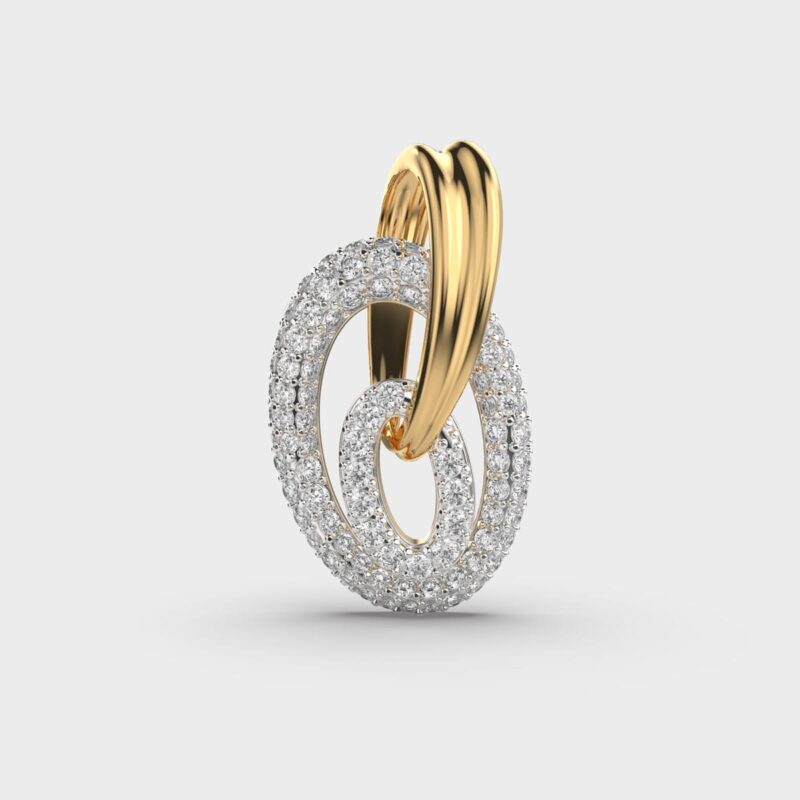
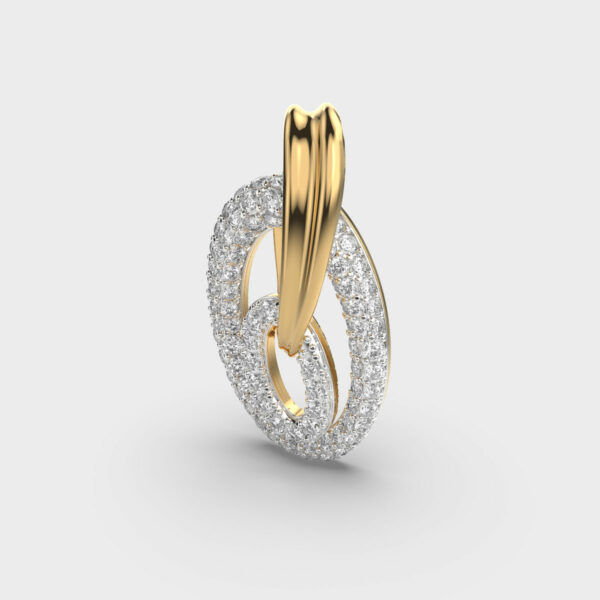
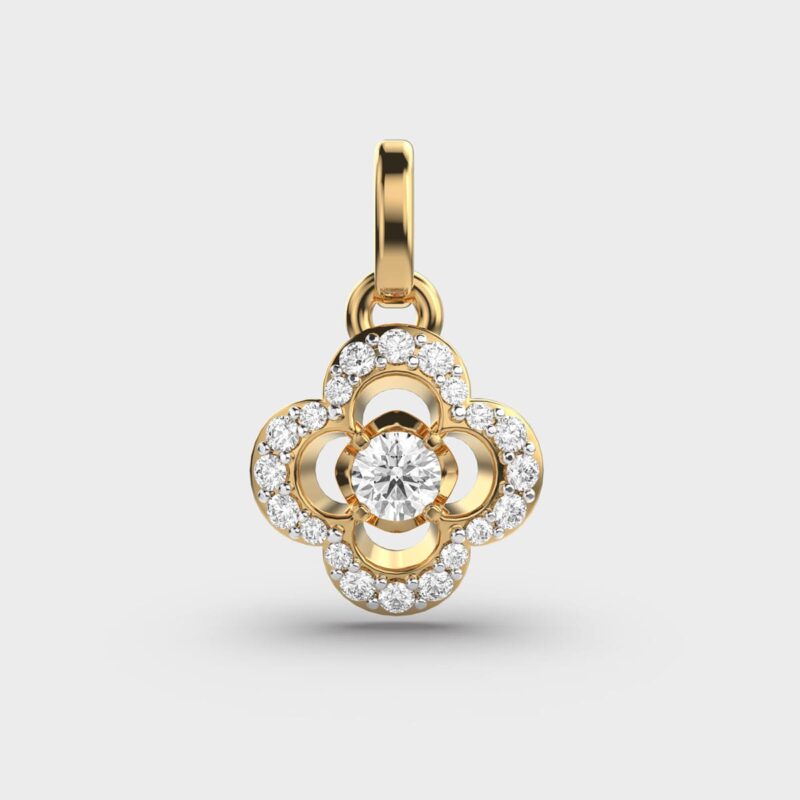
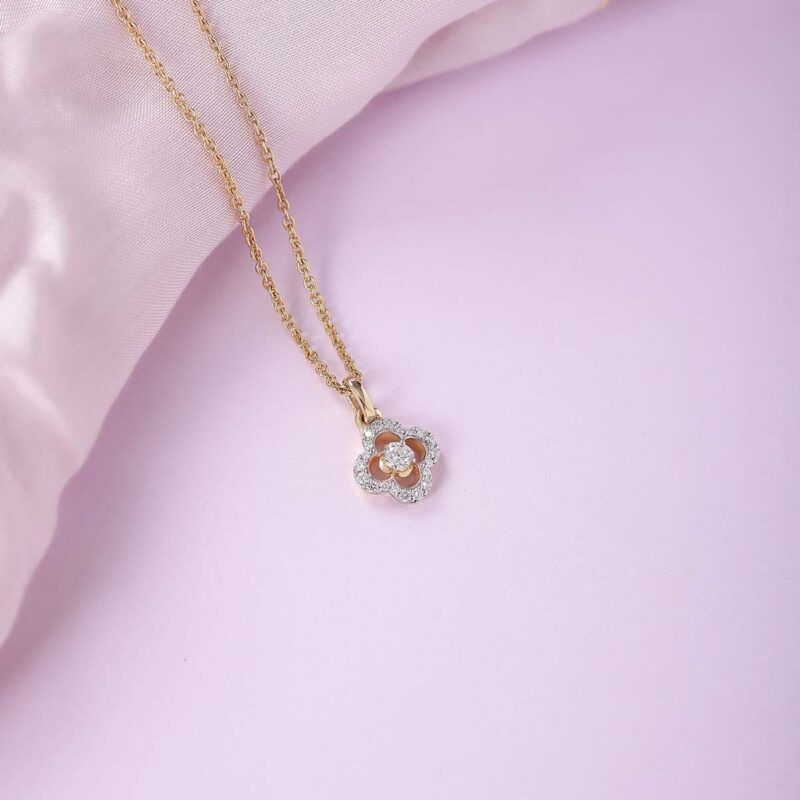



Showing 97–108 of 110 results
Discover Your Perfect Price
Filter by Stone Type and Metal to view accurate, variation-based pricing
Transparent, personalized, and effortless - explore designs that match your style, metal, and budget.
- Tip: Choose one stone type and one metal type to see your exact price.
- If prices seem off, just uncheck and re-apply your filters – the page will refresh with accurate pricing.
 1-to-1 Custom Design
Experience
 Craft Your Vision
Today with a 10% Starte
 HD video Preview
Before It Ships
 Fully Customizable
- Stone, Metal & Budget
 Choose Metal Tone:
Yellow, White or Rose Gold
 Handcrafted in Solid 10K · 14K · 18K
Gold, 925 Silver or 950 Platinum
 Select Your Stone Type:
 Lab-Grown Diamond or Moissanite
 Award winning
 craftmanship and detailing
 Hallmarked &
 Certified (IGI / SGL)
 Personalized Care &
 Expert Support
 Design Any Piece
Within Your Budget
1-to-1 Custom DesignExperience
Craft Your VisionToday with a 10% Starte
HD video PreviewBefore It Ships
Fully Customizable- Stone, Metal & Budget
Choose Metal Tone:Yellow, White or Rose Gold
Handcrafted in Solid 10K · 14K · 18KGold, 925 Silver or 950 Platinum
Select Your Stone Type: Lab-Grown Diamond or Moissanite
Award winning craftmanship and detailing
Hallmarked & Certified (IGI / SGL)
Personalized Care & Expert Support
Design Any PieceWithin Your Budget
Primira's
Real Reviews From Real Customers
Lifetime
Warranty
100% Money
Back Guarantee
Easy
Customization
7 Days
Return
14 Days
Exchange
Insured
shipping
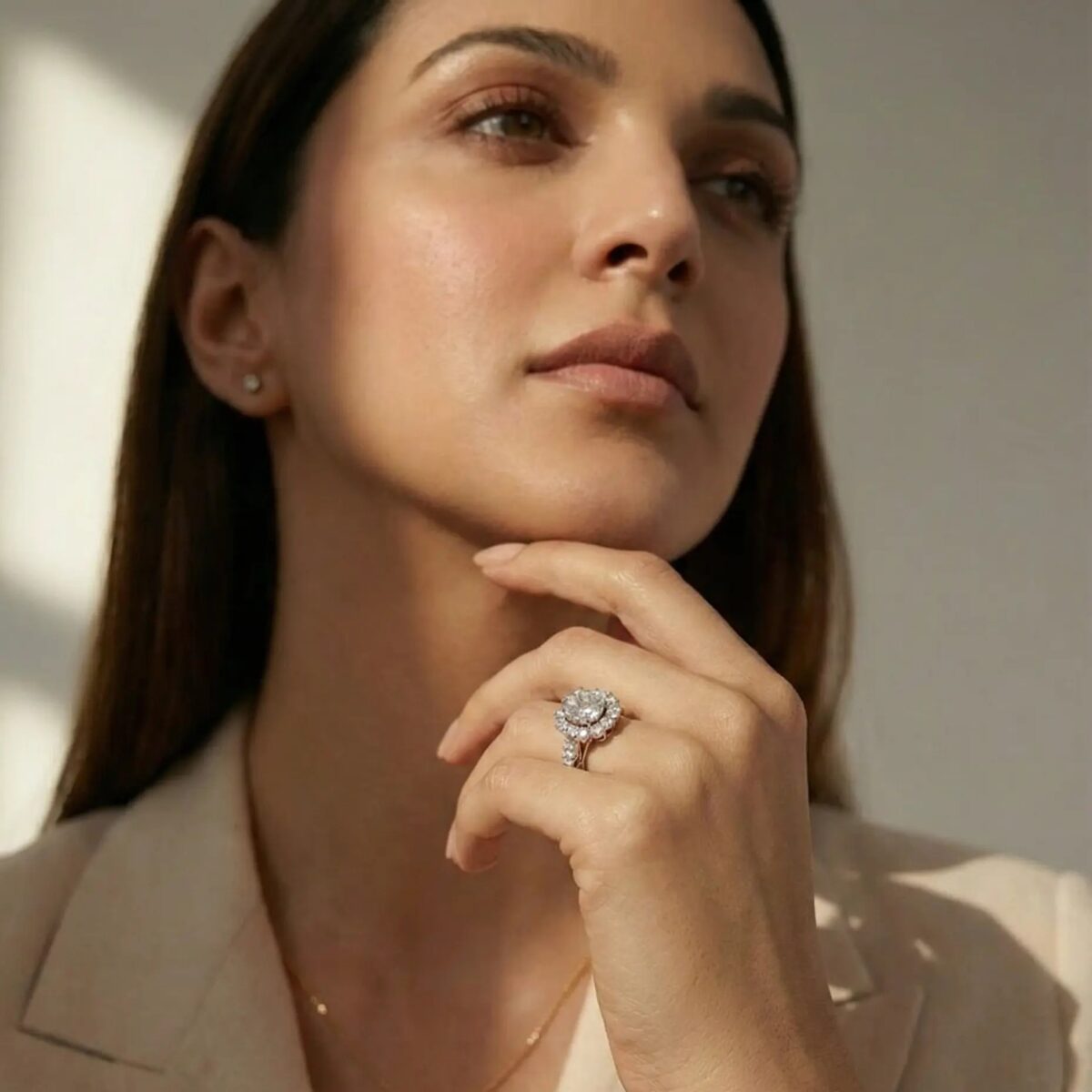
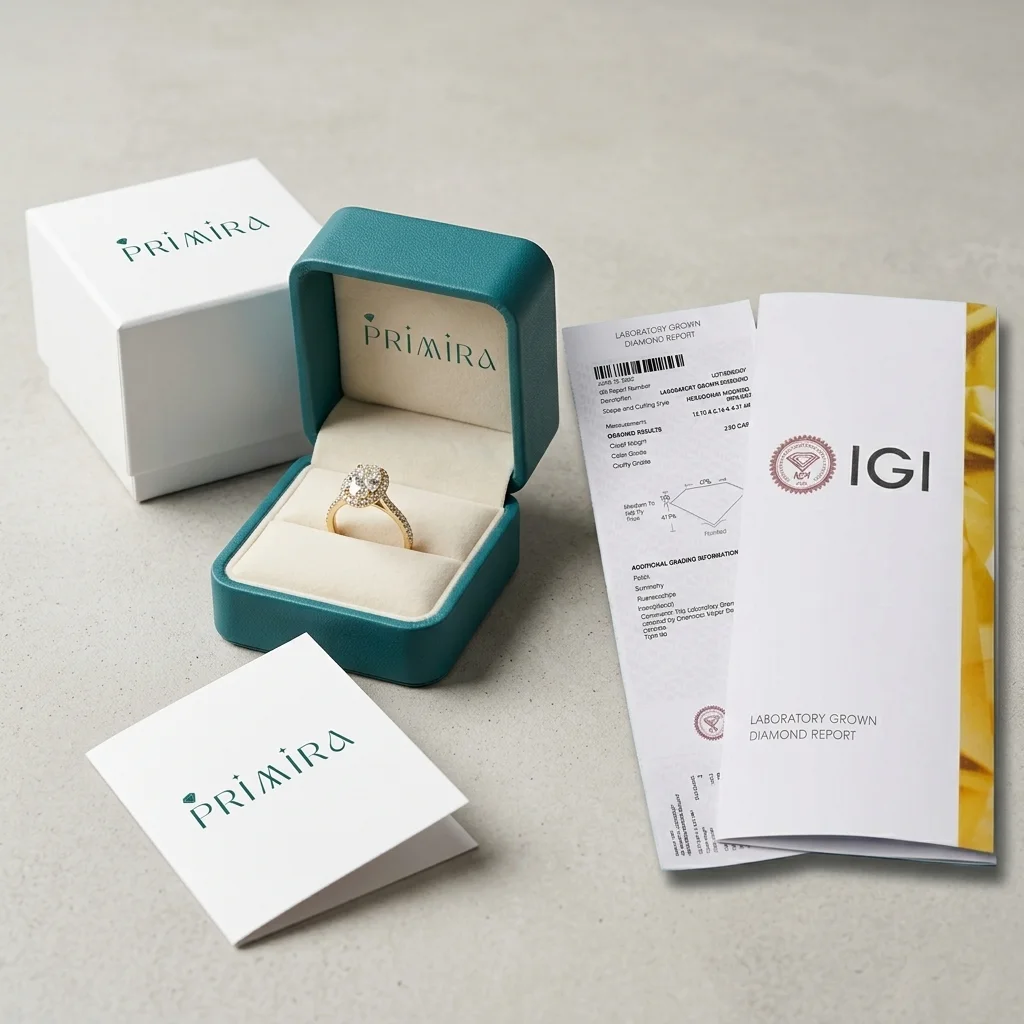
sustainable, beautiful packaging
Give your precious pieces a home they deserve with our stylish, soft-lined jewelry boxes made for effortless organization.
Read Our Article Behind Every Collection
Each design at Primira Luxury is handcrafted with precision, purpose, and emotion. From the first sketch to the final polish, our artisans turn your vision into a piece that feels personal, ethical, and timeless.
Read More
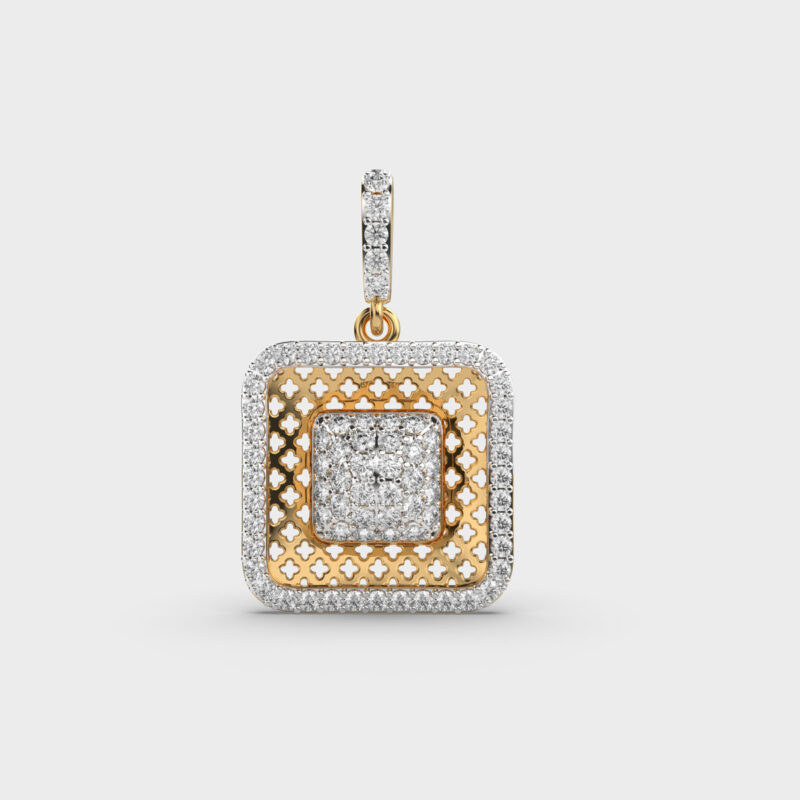
Cluster Lab Grown Diamond Pendants — Design-Led Multi-Stone Styles
The question every cluster pendant buyer is actually asking
Not “what is a cluster pendant” — most buyers already have a rough sense of that. The real question is: will it look like a considered piece of jewellery, or will it look like a pile of small stones that happened to end up on the same bail?
That distinction is decided not by the stone count, not by the total carat weight, and not by the metal — it’s decided by the layout geometry and the calibration tolerance between every stone in the arrangement. This is the part of cluster pendant design that no product photograph communicates, and it’s where the quality difference between a cluster pendant that reads as refined and one that reads as cluttered actually lives.
Every cluster lab grown diamond pendant in this collection is built around a specific layout geometry — radial, floral, or geometric — with melee stones calibrated to ±0.01mm across the full cluster face so the inter-stone gaps read as part of the design, not as accidents of setting.
What layout geometry actually means
A cluster pendant is not a category of stone. It’s a category of arrangement — and the arrangement is a design decision with real optical consequences.
Radial clusters place stones on a plane radiating outward from a centre point, evenly distributed like clock positions. The face distributes light in all directions simultaneously, which means a radial cluster produces maximum scintillation when the pendant moves. The round, oval, or pear centre stone (when present) is a focal point the eye returns to between the surrounding light events. This is the most versatile cluster geometry — wears well in motion and reads cleanly at distance.
Floral clusters arrange stones as petals around a centre, with each “petal” formed by a group of calibrated melee stones rather than a single stone. The outer boundary is deliberately irregular — mimicking organic form — while the inner calibration remains tight. This is where visible melee uniformity matters most: a floral cluster where stones vary in diameter by more than a fraction of a millimetre reads as irregular rather than botanical. The difference between intentional and incidental comes down to lapidary calibration.
Geometric clusters — starburst, hexagonal, square, triangular — work on hard-edge symmetry. The design logic is mathematical rather than organic, so any deviation in stone placement or size is visually obvious in a way it isn’t in a floral or radial arrangement. These require the tightest melee calibration and the most precise shared-prong placement.
None of these layouts is simply more stones. They’re different design intentions, each with a different relationship between the individual diamonds and the overall form.
How shared-prong setting controls what you see
Most cluster pendants use shared-prong setting — each prong serves two adjacent stones simultaneously, which reduces metal mass across the cluster face and lets more light pass through. This is the right choice technically, but it introduces a calibration dependency: when a prong is shared between two stones, the height and angle of that prong has to be consistent with the seat depth for both stones. If stone diameters vary even slightly, the prong either sits too high on one stone or doesn’t grip securely on the other.
The ±0.01mm melee calibration standard that Surat lapidary benches work to isn’t a marketing specification — it’s the tolerance that makes consistent shared-prong setting possible across a cluster of 7 to 30+ stones. Every stone at the same diameter means every prong seat can be cut to the same depth, which means inter-stone gaps are uniform across the full face, which means the eye reads the cluster as a single design rather than an assemblage.
This is genuinely difficult to verify from a product photograph. A photograph collapses the three-dimensional prong structure into two dimensions and the stones appear to be touching. The actual gaps between stones, and the consistency of those gaps, are only visible in person — or confirmed before production.
Total carat weight in a cluster pendant: what it tells you and what it doesn’t
Total carat weight (TCW) in a cluster pendant is the combined weight of all stones in the arrangement. A pendant listed as 1.00ct TCW may contain anywhere from 5 to 40+ individual diamonds depending on the layout and stone sizes.
TCW tells you the aggregate diamond weight. It doesn’t tell you:
- The individual stone diameter (which determines how many stones fit the layout geometry)
- The cut quality of each melee stone (which determines light behaviour across the cluster face)
- Whether the melee stones are matched in colour and cut grade (which determines whether the cluster face reads as uniform or patchy)
In Primira’s stock, every melee stone across a cluster pendant is matched within the same colour and clarity specification — D-F colorless (or G-H-I near-colorless where noted), VVS1 to VS2 eye-clean. This isn’t the standard approach for cluster production, where melee is often sourced in bulk without per-stone colour matching. It becomes visible on the cluster face when you look at the piece at distance: a cluster with mismatched melee has patches of higher and lower brightness that break the uniformity of the arrangement.
Across all cluster lab grown diamonds in this collection, IGI certification covers individual stone grades within the parcel spec — not just a single headline number applied to the whole piece.
Cluster vs. halo: a disambiguation buyers regularly get wrong
Both cluster and halo pendants involve multiple stones arranged around a focal point, and buyers frequently use the terms interchangeably. They’re structurally different:
A halo pendant has a defined centre stone and a ring of accent stones set in close proximity around it. The centre stone is the primary visual and carat weight element; the accent stones serve to enlarge the apparent face size and add a perimeter of light. The halo is a frame.
A cluster pendant may or may not have a single dominant centre stone. In many cluster designs, all stones contribute roughly equally to the visual — there’s no single stone that the eye identifies as primary. The layout geometry is the focal point, not a specific diamond.
In practice: if you’re choosing between a solitaire lab grown diamond pendant and a cluster, the distinction is single-stone-quality-first vs. arrangement-design-first. If you’re choosing between a cluster and a halo, the distinction is whether you want a clear centre stone elevated by surroundings, or a unified design where all stones participate equally.
Both are available here. The right answer depends on what you’re responding to when you look at the piece — the stone, or the shape.
Style navigation
All pendant styles — the full collection →
- Solitaire diamond pendants — single floating stone, bail-engineering focus, cut quality as the primary decision
- Cluster pendants — you’re here
- Personalised diamond pendants — initial cuts, name pendants, custom silhouette shapes from Surat lapidary
- Religious diamond pendants — Om, Ganesh, cross, star, crescent; custom religious symbol cutting available
- Men’s diamond pendants — bold geometric designs, heavier metal weight
Stone and metal specifications
Lab grown diamonds: D-F colorless primary stock; G-H-I near-colorless available. VVS1 to VS2 clarity — all eye-clean. Ideal and Excellent cut on all melee stones (cut grade applies to the individual stones even in multi-stone settings; Primira does not source Good or Fair cut melee for cluster work). Both CVD and HPHT stone types in stock. IGI certification covers the parcel specification.
Moissanite option: every piece in this collection is also available with hand-faceted Surat moissanite at checkout via the Stone Type attribute. Primira’s moissanite is hand-cut rather than machine-cut — the individual stone calibration that makes cluster setting work at this tolerance level applies to moissanite as well as lab grown diamond. Refractive index 2.69 produces more optical fire than diamond’s 2.42; in a cluster format this can read as exceptionally bright, so the hand-faceting control that prevents the over-saturated rainbow effect in larger stones is particularly relevant.
Metal tiers (all available in yellow, white, and rose):
- 950 Platinum — densest, most secure prong grip over time; recommended for high-carat cluster settings where individual prong security across 20+ stones matters most
- 18K Gold (750) — 75% pure gold; rich colour depth, strong structural integrity across complex multi-prong frameworks
- 14K Gold (585) — optimum durability balance; default recommendation for everyday cluster pendants
- 10K Gold (417) — hardest gold alloy, maximum scratch resistance; good for active-lifestyle buyers
- 925 Sterling Silver — lightweight, high reflective surface; available for fashion cluster designs
Care specific to cluster pendants
The shared-prong setting architecture that makes a cluster pendant visually clean also introduces a specific maintenance consideration: each prong serves two stones, so if one prong loosens, two stones are affected simultaneously. This is different from a solitaire pendant, where a loosened prong affects a single stone and is typically caught before loss occurs.
Practical implications: check the setting under a loupe or at close range every three to four months. Look for any stone that appears to sit at a slightly different height than its neighbours — this is the earliest sign of a prong seat loosening before any diamond is at risk. Small gaps between the cluster face and the bail back should be clear of debris; a soft brush and lukewarm soapy water once a month keeps the inter-stone channels clean and the setting visible. Avoid ultrasonic cleaners for shared-prong cluster work without professional supervision, as the vibration can stress multiple prong seats simultaneously.
If a stone ever does loosen, the repair is straightforward at any bench — it’s not a cluster-specific complication, just a specific thing to monitor.
Custom cluster pendants
The cluster format is where Surat’s lapidary capability opens options that aren’t available elsewhere. Because the melee stones in a custom cluster can be cut to any specified diameter, shape, or silhouette — not just the standard round brilliant — the layout geometry isn’t limited to radial, floral, or geometric arrangements using round stones. Custom cluster pendants at Primira can be built around:
- Calibrated fancy shapes (oval, pear, marquise) in the cluster field, rather than round melee
- Mixed-shape clusters — round brilliants and pear stones alternating in a radial or floral pattern
- Custom silhouette centre stones (from the full Surat silhouette library — butterfly, lotus, flame, heart, tulip, and others) surrounded by standard or fancy-shape melee
- Fancy color lab grown diamond melee in a cluster with a colorless centre, or vice versa
- Single-metal or two-tone metal frameworks that emphasise specific sections of the cluster
Every custom cluster starts with a WhatsApp consultation: share a reference image, describe the layout geometry and stone mix you have in mind, and the Surat team will confirm what’s achievable and at what production timeline before any commitment is made.
Ordering and delivery
Cluster lab grown diamond pendants from Primira are made to your confirmed specification at the Surat facility. Within 24 hours of checkout, the team contacts you via WhatsApp and email to confirm the specific variables that a product photograph cannot tell you:
- Melee stone diameter and count across the cluster face
- Layout geometry (radial, floral, geometric, or custom arrangement)
- Whether the cluster reads as a unified design at the calibration we’ve described — if any specification uncertainty exists at confirmation stage, this is the moment to resolve it before production begins
Production runs 15–35 business days from confirmation. IGI or SGL certification is available on request and adds 3–10 business days for lab processing. Every shipment is fully insured from the Surat facility to your delivery address.
India: free shipping on orders above ₹10,000, delivered via Blue Dart or Delhivery in 2–7 business days after dispatch.
International: free standard shipping (USPS/India Post, 17–19 business days) included; express DHL/FedEx/UPS (5–7 business days) at approximately USD $50, or free on orders above USD $550.
If the piece delivered differs materially from your confirmed specification, the 7-day return window applies. The buyback program is also available for pieces you’ve owned and want to recover value on — original invoice and certification required.
WhatsApp: +91 9510640173
FAQ
What is a cluster lab grown diamond pendant?
A cluster lab grown diamond pendant is a pendant where multiple lab grown diamonds are set in an arranged pattern — radial, floral, geometric, or a custom layout — so the overall piece reads as a single design rather than a series of individual stones. The lab grown diamonds are chemically and optically identical to mined diamonds. The “cluster” refers to the setting architecture, not the stone type.
What is total carat weight (TCW) in a cluster pendant and why does it matter?
Total carat weight is the combined weight of all lab grown diamonds in the pendant. It tells you the aggregate diamond content, but not the individual stone sizes or their cut grade. In a well-made cluster pendant, the melee stones are matched within the same cut, colour, and clarity specification so the cluster face reads as uniform — not all manufacturers do this. Primira’s cluster pendants specify melee within the same parcel grade rather than mixed-grade bulk stone.
Is a cluster pendant the same as a halo pendant?
They’re structurally different. A halo pendant has a defined centre stone with a ring of accent stones set close around it — the centre stone is the primary visual element, and the accents serve to amplify and frame it. A cluster pendant may or may not have a dominant centre stone; in many cluster designs, all stones contribute roughly equally to the overall form and the layout geometry is the focal point, not any individual diamond. If you want a centre stone elevated by surroundings, that’s a halo design. If you want a design where all diamonds participate equally in the arrangement, that’s cluster.
Will the stones in a cluster pendant fall out more easily than a solitaire?
The shared-prong setting used in cluster pendants means each prong serves two adjacent stones. This is structurally sound, but it means one loosened prong affects two stones instead of one. The answer isn’t that cluster pendants lose stones more readily — it’s that the maintenance approach is different: check the setting every few months rather than waiting for a stone to visibly shift. Catch a prong seat loosening early, and no stone is ever at risk.
Can I specify a custom cluster layout or stone mix?
Yes. Surat’s lapidary capability allows custom melee shapes, fancy shape cluster fields, mixed-shape arrangements, and custom silhouette centre stones within a cluster frame. Custom cluster pendants start with a WhatsApp consultation before production; the team confirms what’s achievable and at what timeline before any commitment is made. Contact us at +91 9510640173.
How do I clean a cluster pendant at home?
Lukewarm water with a small amount of mild dish soap, a soft-bristle brush (a clean toothbrush works well), and a lint-free cloth to dry. Work the brush gently into the inter-stone channels to clear any debris that accumulates between melee stones. Monthly cleaning is sufficient for a pendant worn regularly. Avoid ultrasonic cleaners for shared-prong cluster work without professional supervision.
 Chat on WhatsApp