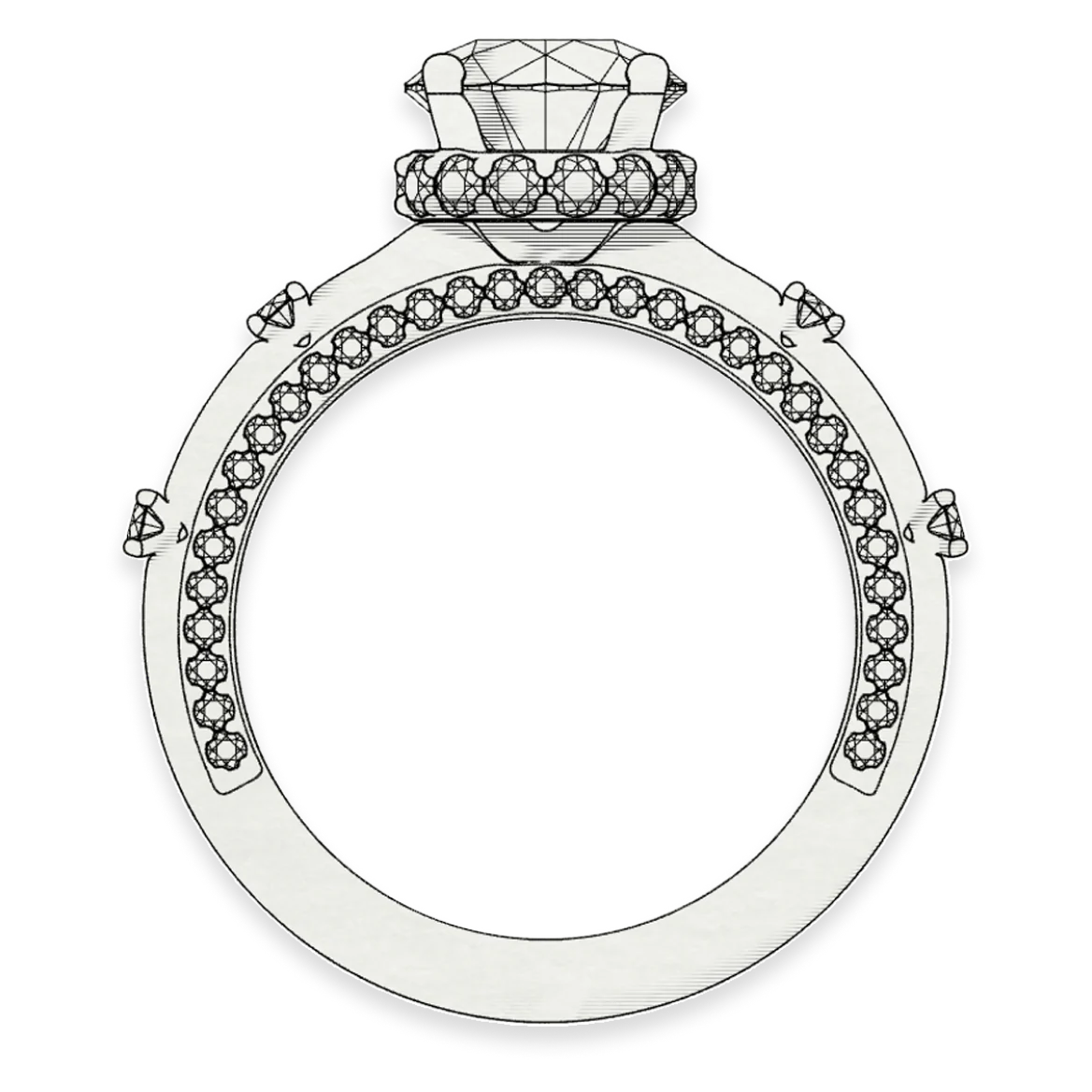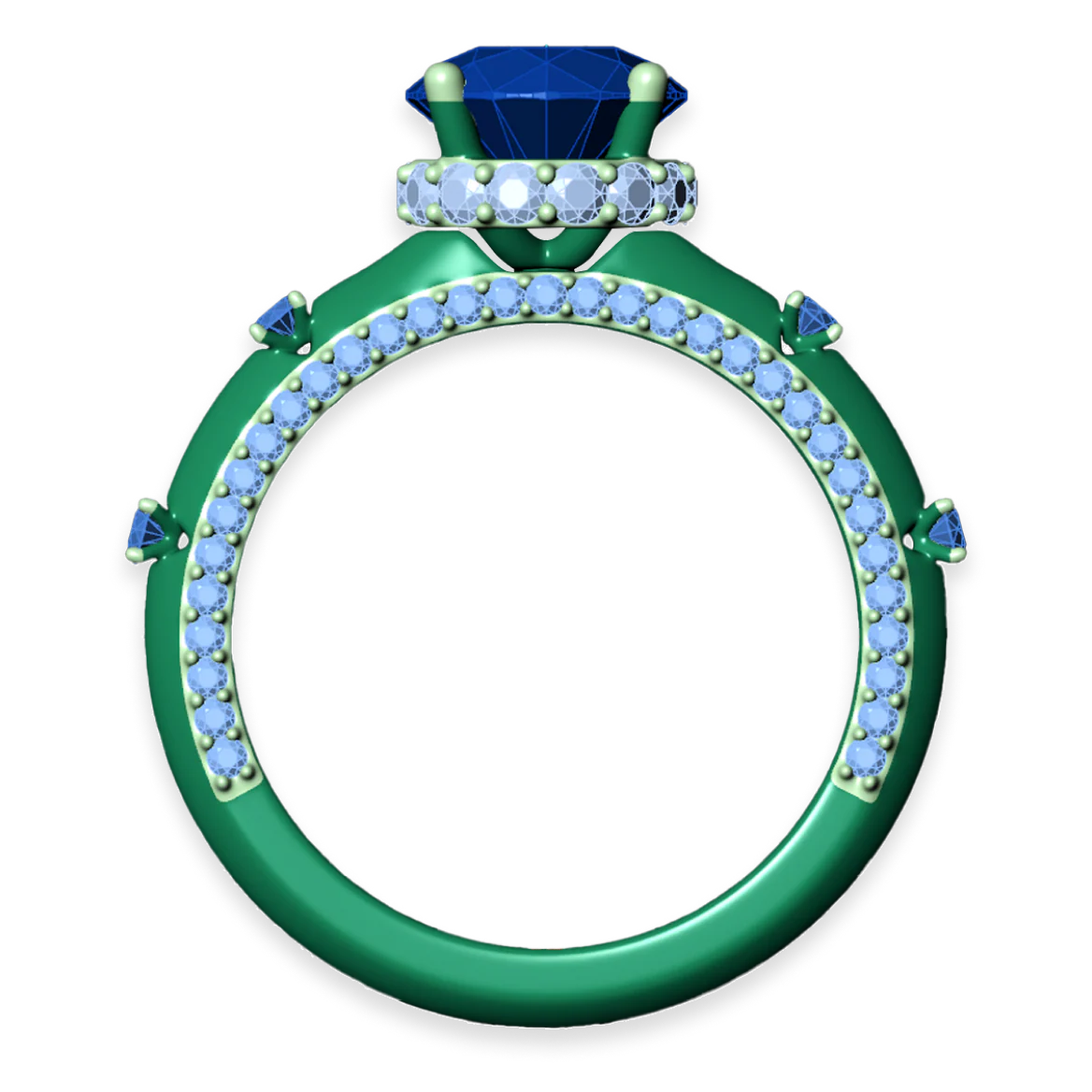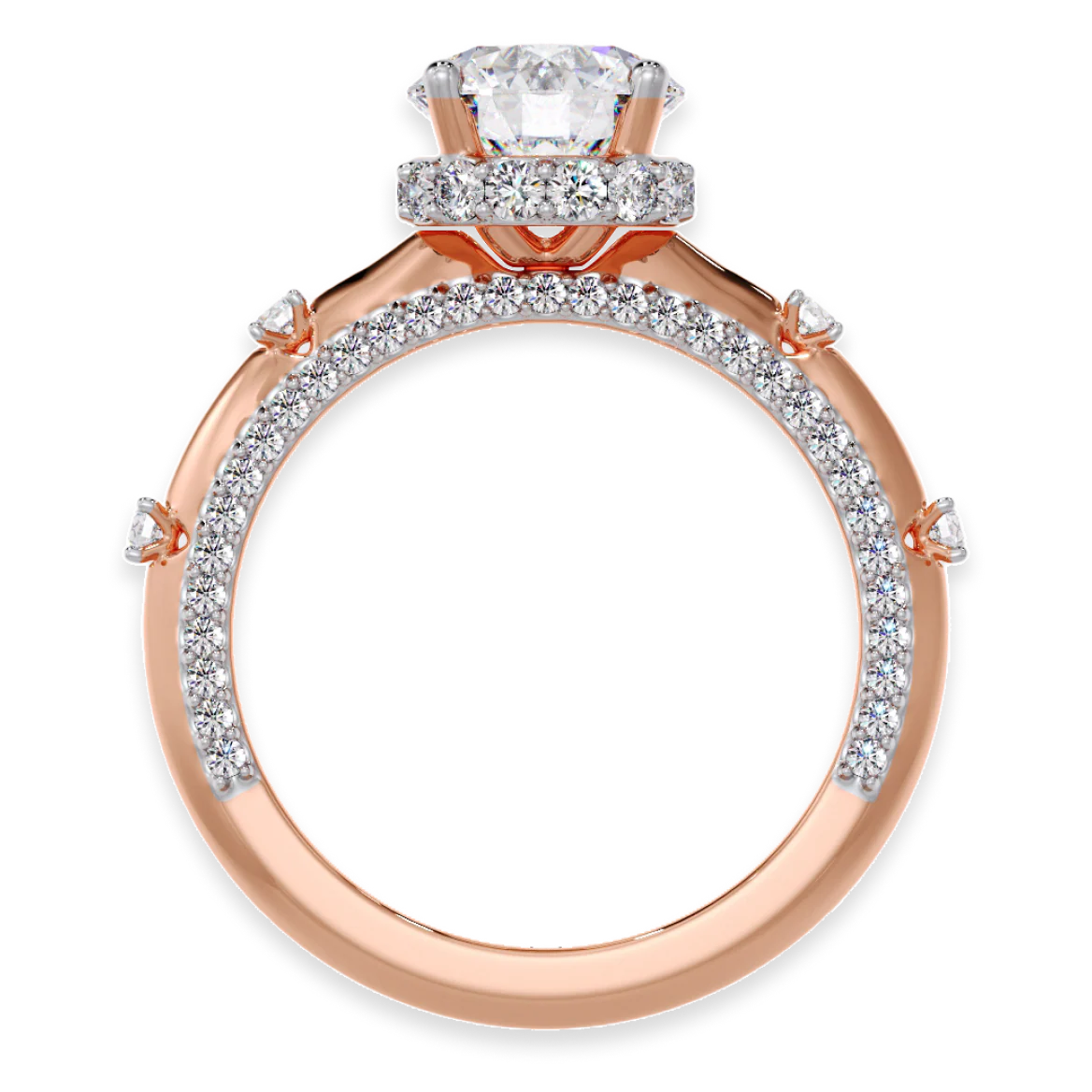
Choose an IGI/GIA-verified lab diamond, match cut to setting, confirm BIS/HUID gold, and buy within ₹ bands that fit your specs
₹45k-₹1L typical for 1 carat loose LGD in India.
Band width: 1.8-2.4 mm for daily wear comfort.
Stack height: 6-7.5 mm for low-to-mid profiles.
4-6 prongs secure solitaires; pavé needs low snags.
Verify HUID on BIS CARE app before final payment.
Lab Grown Diamond Rings in India: Complete Buying Guide (2026)
Buying lab grown diamond rings in India in 2026 requires understanding quality, certification, price ranges, and ring engineering. This complete guide explains everything Indian buyers should know – from IGI vs GIA certification, CVD vs HPHT diamond creation, and ₹ price bands, to practical ring specifications like band width, prong count, and stack height. If you want a ring that balances brilliance, durability, and ethical sourcing, this guide will help you make a confident purchase decision. If you’d like to explore real designs while reading this guide, browse our curated lab grown diamond rings collection.
These stunning, man-made gems offer identical chemical and optical properties to mined diamonds but represent a more sustainable and value-driven choice for 2025. This comprehensive guide clarifies everything from the science behind their creation (CVD vs. HPHT) to decoding essential certifications like IGI vs. GIA.
Discover how to navigate current ₹ price bands, understand crucial ring specs for daily wear, and ensure your purchase is fully compliant with BIS/HUID checks, leading you to a confident and luxurious decision.
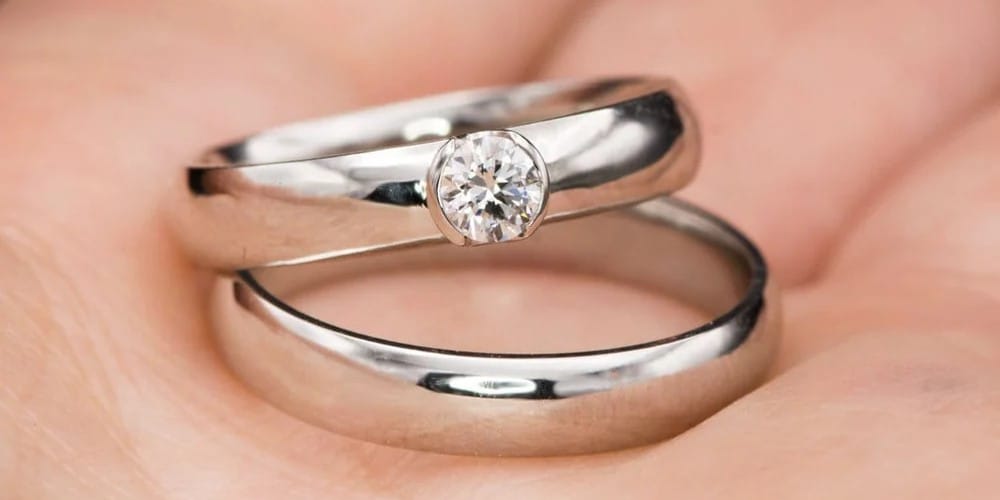
Summery
This complete guide explains how to buy lab grown diamond rings in India (2026) with confidence. It covers IGI vs GIA certification, CVD vs HPHT diamonds, and realistic ₹ price ranges for 1 carat stones. Learn how to choose the right cut, clarity, and color, along with practical ring specs like band width, prong setting, and stack height for daily wear. It also highlights BIS hallmark & HUID verification, ensuring authenticity, durability, and value – helping you make a smart, luxury-focused purchase decision.
What is a lab-grown diamond ?
Lab-grown diamonds are real diamonds created by HPHT or CVD processes; they share the same crystal structure and properties as mined diamonds. Specialized instruments are required to distinguish them from natural stones.
Lab grown diamonds offer a modern, ethical, and eco-friendly alternative to mined diamonds while maintaining all the beauty and durability people expect from fine jewelry.
Let me know if you want to explore how lab grown diamonds are graded, compared to natural diamonds, or how to choose the best one!
How to Choose a High-Quality Lab Grown Diamond Ring (India Guide)
Quality today blends optical performance (sparkle), cut precision, eye-clean clarity, credible certification, and practical ring engineering:
Optical & cut: Well-cut stones look brighter at the same carat.
Clarity target: VVS2–VS2 is the Indian sweet spot; eye-clean with value headroom.
Color: D–F icy white pairs well with white gold/platinum; G–H harmonizes with yellow/rose gold.
Certification: Prefer IGI or GIA; verify reports online before purchase.
Micro - Example :
A 1.00 ct, VS1, G color IGI stone in a 4-prong solitaire will often look brighter than a 1.00 ct, SI1, F color with a mediocre cut – because cut governs light return, not just grade labels.
Lab Grown Diamond Ring Price in India (2026 Guide)
Prices vary by cut quality, color/clarity, certification, and market supply. Indian retail for 1 ct loose LGDs generally falls in the ₹45,000–₹1,00,000 corridor, with fashionable shapes and premium cuts priced higher. Ring mount costs depend on metal, gram weight, and artisan work.
Price Bands - India 2025 [Estimate]
Rationale: triangulated from current India listings plus global LGD price indices; local taxes/margins vary by city and brand.
| Item | Typical Band (₹) | Notes |
|---|---|---|
| 0.50 ct loose LGD | 20,000–55,000 [Estimate] | Cut/shape and certification drive spread. |
| 1.00 ct loose LGD | 45,000–1,00,000 [Estimate] | India retail corridor; premiums for excellent cut/shape. (Variation) |
| Simple gold mount (14k/18k) | 18,000–45,000 [Estimate] | Depends on gram weight, labor, BIS/HUID. |
| Pavé/halo mount | 35,000–85,000 [Estimate] | More melee work; frequent service checks. |
| Complete 1 ct solitaire ring | 70,000–1,50,000 [Estimate] | Stone + mount; brand/service affect final. |
How much does a 1-carat lab diamond cost in India ?
₹45,000–₹1,00,000 for loose stones is typical, with rings pricing higher based on metal and mounting complexity. Always check certification and cut before chasing discounts. [Estimate]
Best Lab Grown Diamond Shapes for Engagement Rings
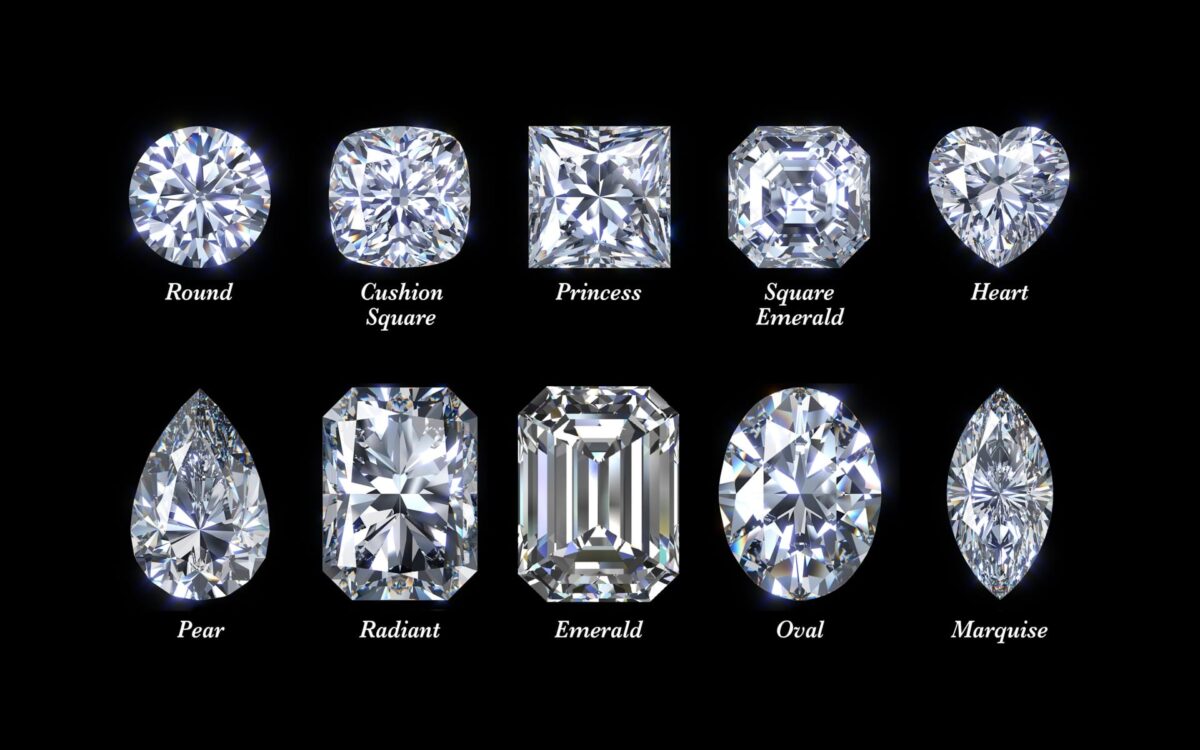
Round brilliant remains the most popular choice for engagement rings because it offers maximum sparkle and timeless appeal. However, many modern buyers in India are choosing distinctive shapes that create a larger visual appearance.
Popular shapes include:
• Round Cut – Maximum brilliance and classic design
• Oval Cut – Appears larger than round diamonds
• Emerald Cut – Elegant step-cut sparkle
• Cushion Cut – Soft vintage style
• Princess Cut – Modern square brilliance
If you want to explore real designs, see our collection of lab grown diamond engagement rings.
CVD vs HPHT Lab Grown Diamonds: What Indian Buyers Should Know
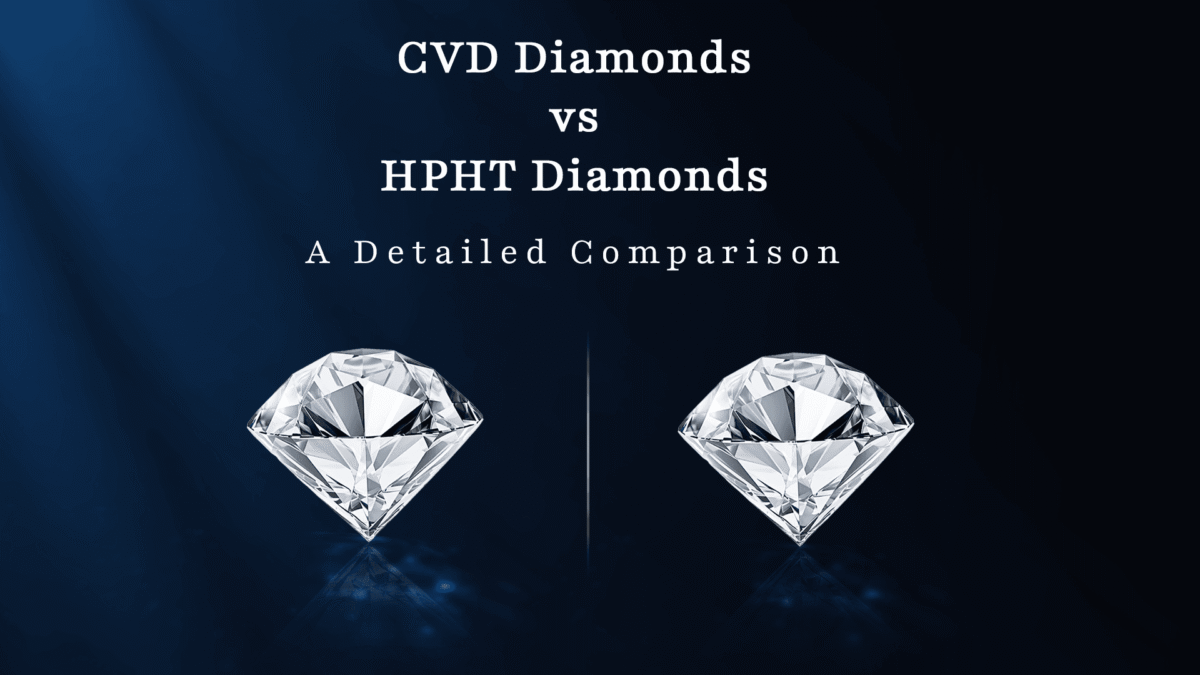
Both methods can yield excellent gems; judge the stone, not the method. Still, knowing tendencies helps:
| Attribute | CVD | HPHT |
|---|---|---|
| Typical growth traits | Layered growth; may show banded strain | Cubic growth; strong pressure/heat |
| Color nuance to watch | Occasional brown tinge; pick higher color to avoid warmth | Occasional “blue nuance”; view in daylight |
| Selection tip | Favor stones with clean strain under magnification | Confirm neutrality under varied lighting |
These tendencies are widely noted in gem-education resources; individual stones vary, so prioritize in-person viewing or high-res videos.
CVD vs HPHT - What’s the difference ?
Both produce real diamonds. CVD offers granular growth control; HPHT is faster. Screen for color nuance and strain, then pick on cut, not process.
IGI vs GIA Certification for Lab Grown Diamonds
IGI continues using the 4Cs for LGDs and has expanded India capacity, supporting quick turnarounds and light-performance insights.
GIA is rolling out a new “Premium/Standard” framework for LGDs from October 1, 2025, retiring traditional 4Cs nomenclature on new LGD reports (old reports remain valid).
Either is acceptable. For IGI, read full 4Cs, for GIA, learn how “Premium/Standard” maps to appearance. Always verify reports online before paying.
Which certificate is better for lab diamonds, IGI or GIA ?
Pick the lab you understand best. IGI offers classic 4Cs detail; GIA’s 2026 labels simplify quality tiers for LGDs. Verification + seller transparency matter more than the logo.
Customize your Lab Grown Diamond Jewelry
Create a one-of-a-kind lab grown diamond ring that’s as unique as you are. Designed to reflect your style, values, and love story, it combines elegance with sustainability. Expertly crafted with ethical practices and exceptional quality, this ring is a timeless symbol of commitment. Personalize it to make every moment unforgettable.
Ring engineering & aesthetics - specs that actually matter
Target specs for daily-wear comfort (India):
Band width: 1.8–2.4 mm (delicate to balanced).
Stack height (stone table to finger): 6–7.5 mm for low-to-mid profiles under Indian dailywear.
Prongs: 4-prong maximizes light; 6-prong improves security for 1 ct+.
Pavé: Choose smooth micro-pavé for fewer snags on sarees/dupattas.
Metal: 14k resists wear; 18k is richer tone; platinum is hypoallergenic/heftier.
Common ring builds
| Setting | Band (mm) | Stack (mm) | Prongs | Notes |
|---|---|---|---|---|
| Classic 4-prong solitaire | 2.0–2.2 | 6.0–6.8 | 4 | Bright, minimal; check basket height with Indian clothing. |
| 6-prong solitaire | 2.0–2.4 | 6.5–7.2 | 6 | Extra security for 1 ct+. |
| Halo (micro-pavé) | 1.8–2.2 | 6.8–7.5 | 4 | Lower snag risk if halo edge is smooth. |
| Pavé band solitaire | 1.8–2.0 | 6.2–7.0 | 4–6 | Ask for reinforced shoulders for durability. |
Mini case
You shortlist a 1.00 ct, VS2, G, excellent cut. In a 4-prong solitaire at ~2.1 mm band and ~6.5 mm stack, it clears everyday tasks and photographs “big” on hand shots.
A 0.70 ct halo can face-up like ~0.90 ct visual spread. Keep band ~1.9–2.0 mm and ensure smooth micro-pavé finishing to protect fabrics.
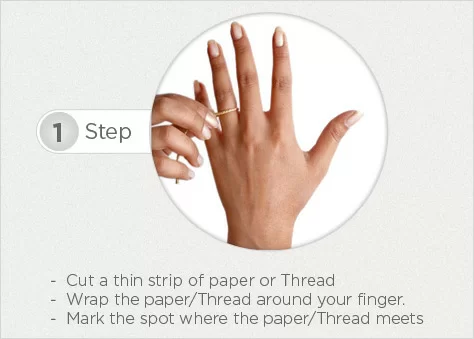
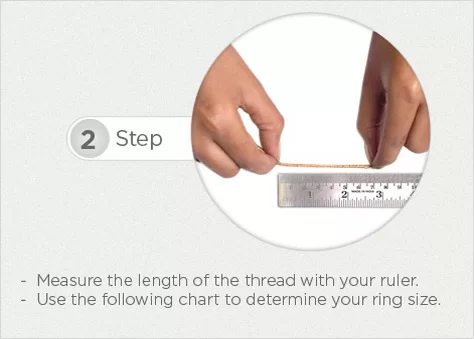
Ring size guide (India)
Fastest: Measure an existing ring’s inner diameter in mm, then match it with a ring size guide to find the closest Indian ring size before ordering online.
Temperature: Measure at day’s end; avoid measuring right after exercise.
Resizing: Simple solitaires are easier to resize than full-eternity pavé bands.
Is BIS hallmark required for diamond rings in India ?
For gold rings, ensure BIS hallmark with 6-digit HUID (mandatory from 2023 for new gold jewellery). Verify HUID in the official BIS CARE app before paying.
Decision Framework
Certification: IGI 4Cs detail or GIA 2025 “Premium/Standard”; always verify online.
Cut first: Prioritize excellent light return over chasing the highest color.
Setting fit: Band 1.8–2.4 mm; stack 6–7.5 mm; 4–6 prongs for security.
Budget: Use our ₹ bands; allocate for mount and future service.
Compliance: BIS/HUID verified before payment.
Mini FAQs
Are lab grown diamonds real diamonds?
Yes. Lab grown diamonds have the same chemical, physical, and optical properties as mined diamonds. Even professional gemologists require specialized equipment to distinguish them.
How much does a lab grown diamond ring cost in India?
In 2026, a 1-carat lab grown diamond in India typically costs ₹45,000-₹1,00,000 for loose stones, while a complete ring may range between ₹70,000 and ₹1,50,000 depending on metal and design.
Is IGI or GIA better for lab grown diamonds?
Both certification labs are respected. IGI reports provide detailed 4Cs grading, while GIA is transitioning to Premium / Standard grading tiers for lab grown diamonds.
Are lab grown diamonds good for engagement rings?
Yes. Lab grown diamonds are extremely durable with a 10 on the Mohs hardness scale, making them ideal for engagement rings worn daily.
Where to Buy Lab Grown Diamond Rings in India
When buying a lab grown diamond ring, always choose a jeweler that provides:
• IGI or GIA certification
• BIS hallmark with HUID
• Transparent diamond specifications
• Clear return and service policies
Trusted online retailers now offer high-resolution videos, certification verification, and detailed ring specifications, allowing buyers to compare diamonds confidently before purchasing.
Conclusion
Buying lab grown diamond rings in India is easier when you focus on three factors: cut quality, verified certification, and practical ring engineering. Understanding IGI vs GIA reports, CVD vs HPHT growth methods, and realistic ₹ price ranges allows you to compare options confidently.
When you’re ready, explore our curated lab grown diamond ring collection and compare designs based on carat weight, setting style, and everyday comfort specifications.
Primira Luxury Editorial Team – Diamond jewellery & diamond buying advisors (India)
12 September 2025
We reference official standards (BIS/HUID), major labs (IGI/GIA), and current India price corridors. Our workshop follows maker-mark practices, provides transparent specs in mm/ct, and recommends verifiable certificates with audit trails.



 Chat on WhatsApp