How To Make Diamond ?
Refined, educational, and craftsmanship-focused with a balance of technical depth and human storytelling. The tone highlights precision, expertise, and luxury appeal while remaining easy to understand and engaging for buyers and enthusiasts.
Diamond Cutting Process: From Rough Stone to Brilliant Masterpiece
The journey of a rough stone to a dazzling piece of jewelry hinges entirely on one ancient yet highly technical process: the diamond cutting process. This complex art is arguably the single most important factor determining a gem’s final beauty, brilliance, and financial value. A skilled diamond cutter must navigate critical, high-stakes decisions – from precise diamond planning and cleaving to careful faceting and polishing – to ensure the stone’s light performance is maximized.
Our comprehensive guide breaks down every step of the diamond cutting process, explaining how experts transform an ordinary rough diamond into an extraordinary, sparkling masterpiece that meets the highest standards of the 4Cs.
Precise Cutting: The Core of the Diamond Cutting Process
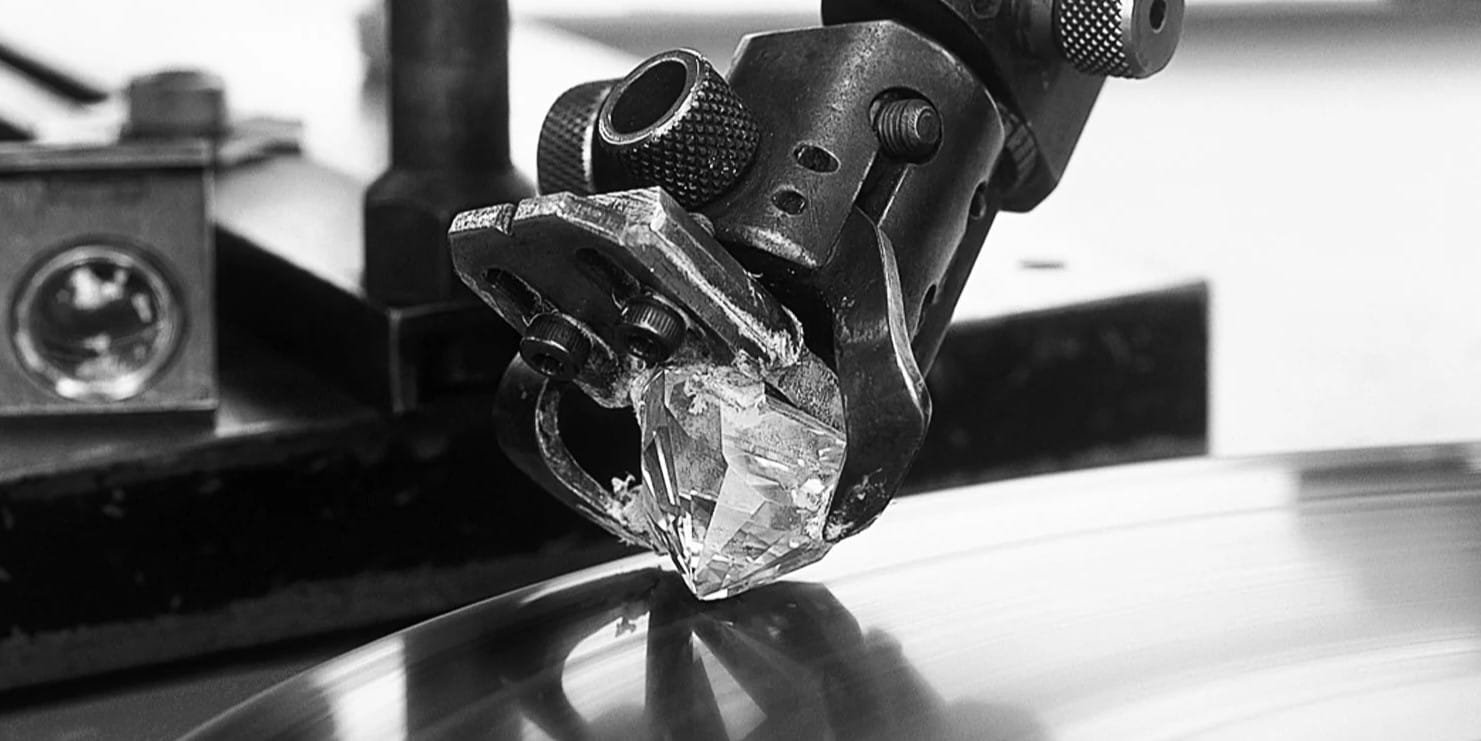
Diamond cutting is a meticulous process that transforms rough diamonds into stunning pieces of love and luxury. This stage of the diamond cutting process requires a combination of expert craftsmanship and advanced technology. The cutting process involves several stages, including planning, cleaving, bruting, and polishing. Each stage is crucial to achieving the diamond’s final shape and maximizing its brilliance.
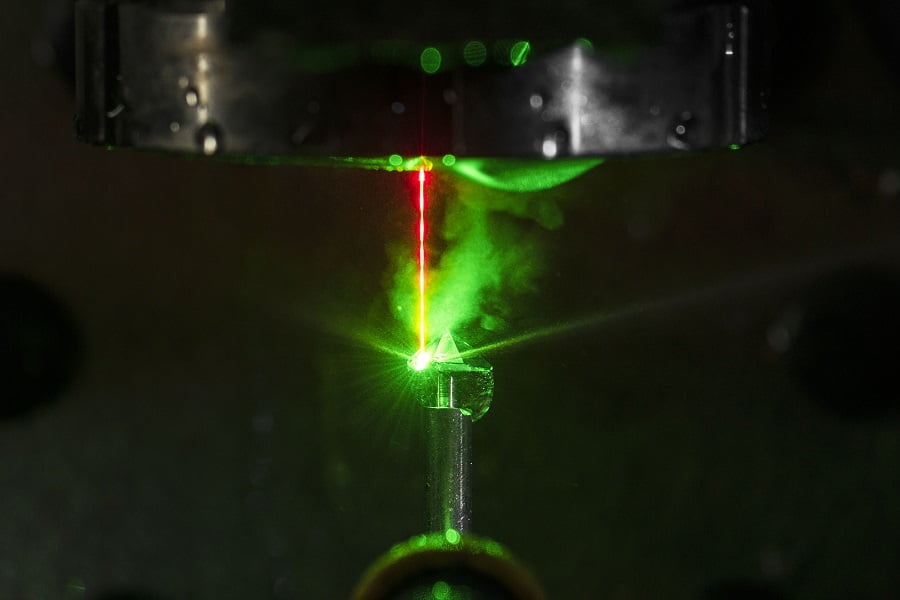
Modern diamond cutting employs laser technology to achieve unparalleled precision. Lasers allow for intricate cuts that were previously impossible, enabling jewelers to create complex and unique designs. Despite technological advancements, the skill of the diamond cutter remains paramount, as their expertise ensures each diamond reaches its full potential.
- Precise cutting maximizes the diamond's weight, ensuring minimal loss and greater carat value
- Accurate cuts enhance the diamond's grade and clarity, significantly boosting its market value.
- Precision in cutting ensures the perfect angles and proportions, maximizing the diamond's brilliance and sparkle.
- Careful planning and advanced technology in cutting ensure optimal results, showcasing the diamond cutter's expertise and adaptability.
Exquisite Yet Demanding
Advances in technology have revolutionized the diamond cutting process, using lasers and advanced software for unmatched precision. Though costly, these methods enhance a diamond’s brilliance, weight, and value, making the investment worthwhile. Expertly cut diamonds are highly sought after, reflecting the dedication of skilled craftsmen.
Diamond Polishing Process: Unlocking True Brilliance
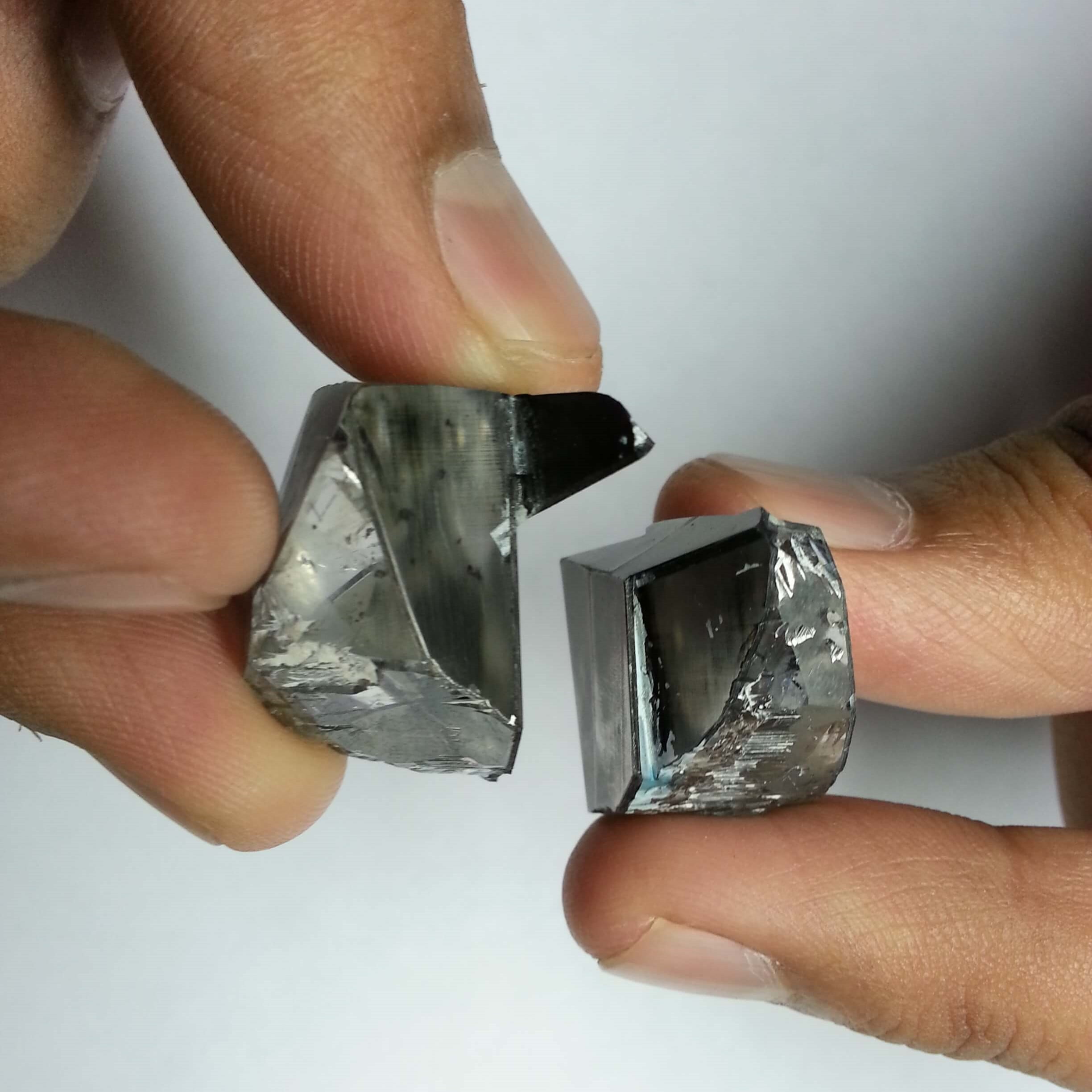
A diamond begins as a rough crystal with hidden brilliance inside. Its extraordinary sparkle only appears after a precise and highly technical finishing stage within the diamond cutting process, known as polishing.
During this stage, expert craftsmen refine every surface of the stone, carefully smoothing and shaping the facets that control how light travels through the diamond. When done correctly, polishing unlocks intense brilliance, fire, and scintillation.
The Essence of Diamond Crafting
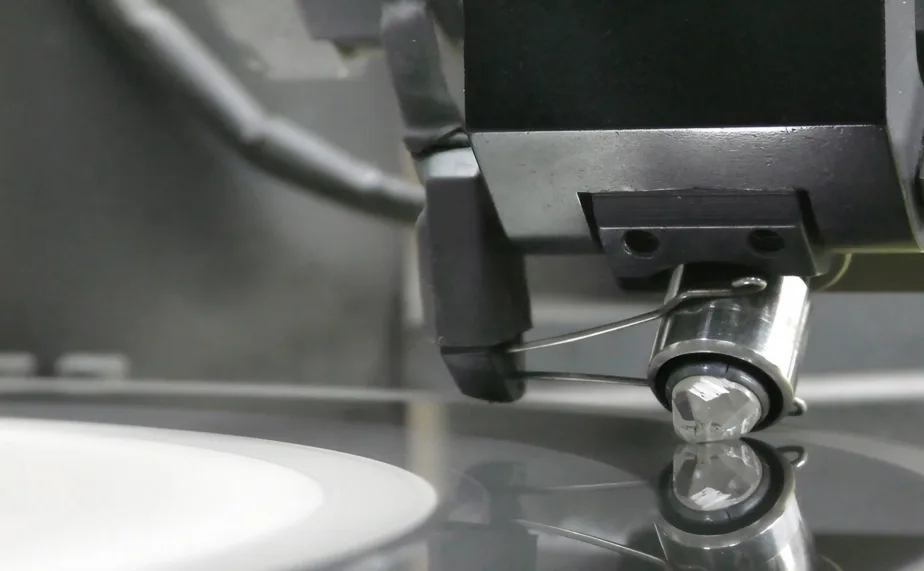
Diamond polishing stands as the heart of the diamond manufacturing process, transforming rough stones into radiant masterpieces. This diamond polishing process begins with shaping the diamond’s girdle to the desired size, followed by the meticulous creation of each facet.
Expert craftsmen work with unrivaled precision, cutting facets to microns and 0.1-degree accuracy, ensuring the diamond achieves maximum brilliance.
- Superior polishing adds significant value, making the diamond more desirable and profitable.
- Expert craftsmanship ensures minimal weight loss, preserving the diamond’s market value.
- Proper polishing and craftsmanship not only improve the diamond's visual appeal but also significantly increase its market value, making it a worthwhile investment.
- The final polish enhances the diamond's sparkle and clarity, highlighting the gem's natural beauty and maximizing its potential.
Hard Work Always Pays Off
In a competitive market where diamonds can vary in price, the true value of a well-polished diamond is immeasurable. While some diamonds may be available at lower prices, the artistry and precision of expert polishing add unparalleled value. The investment in high-quality polishing ensures that each diamond achieves its full potential, reflecting both the craftsmanship and the gem’s exceptional allure.
Fun Fact
It takes up to three days to fully polish a single diamond, from laser bruting to finishing 57 facets on a standard round shape, emphasizing the extraordinary skill and patience required in the diamond polishing process.
Diamond Planning: The Most Critical Step
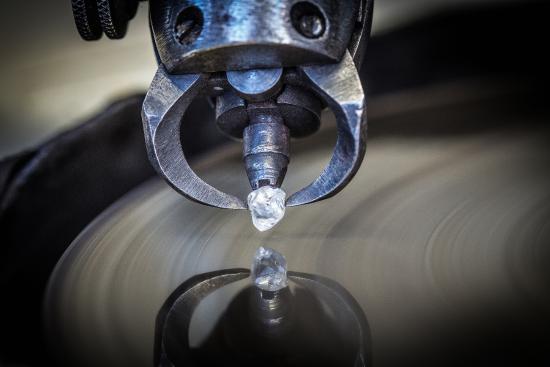
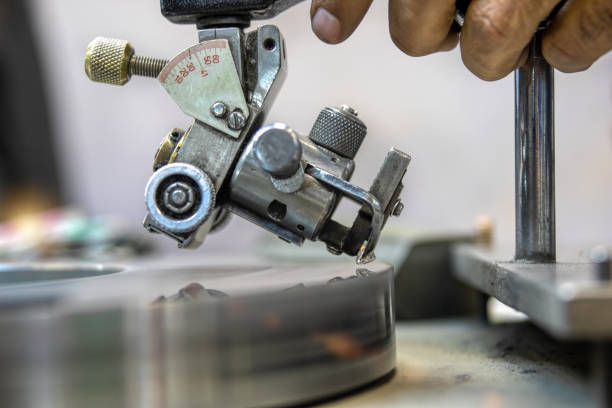
The difference between a disappointing rough stone and a high-value masterpiece often comes down to one crucial stage in the diamond cutting process: planning.
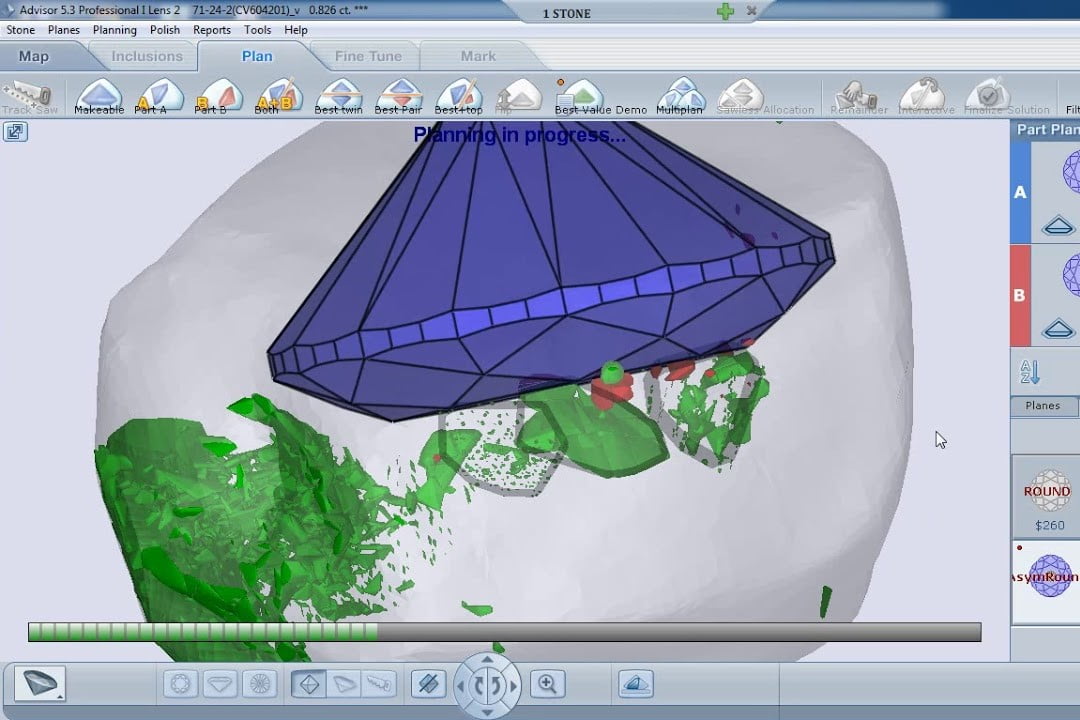
This initial phase involves advanced technological analysis and expert decision-making to determine how the rough diamond should be cut. The goal is to maximize carat weight, brilliance, and clarity while minimizing imperfections.
For related insights, read our guide on How Lab Grown Diamonds Are Made.
Planning Architects
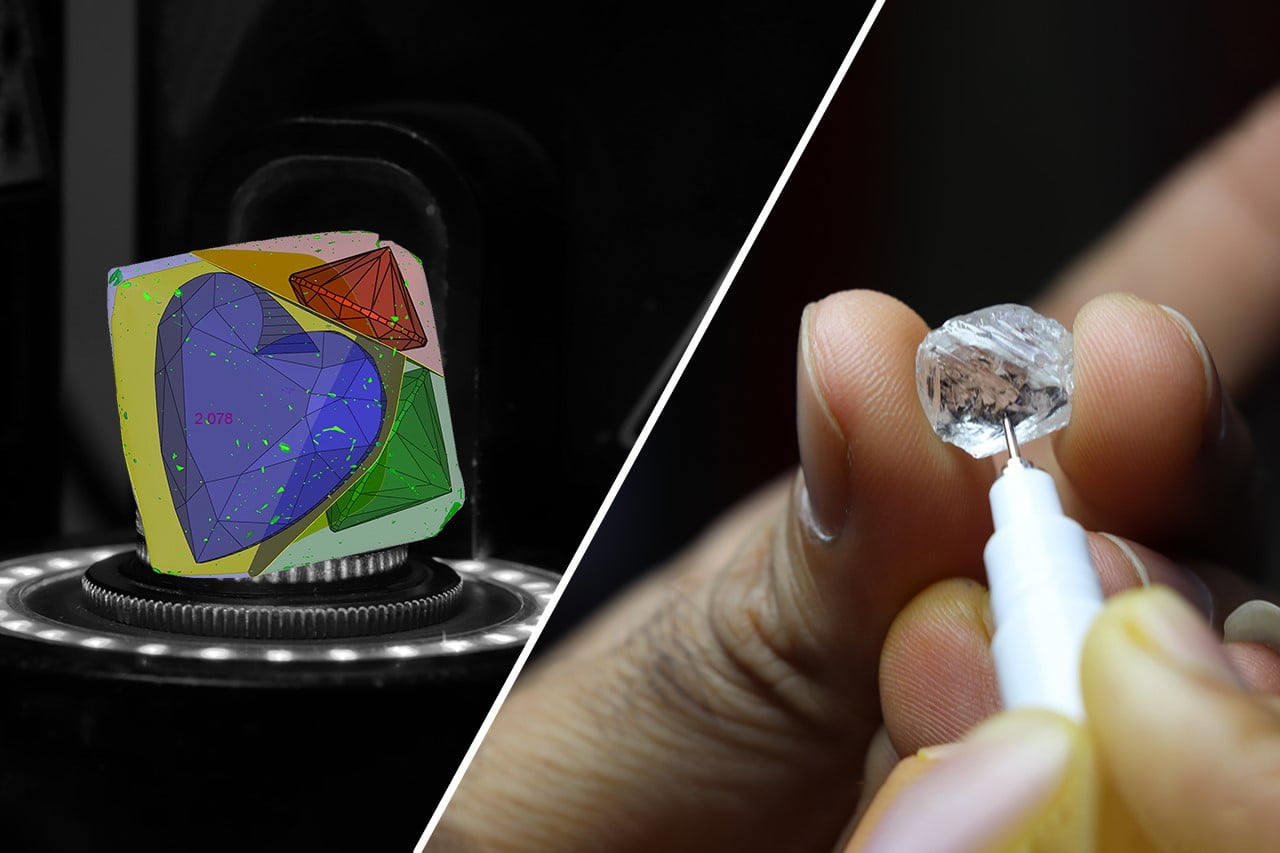
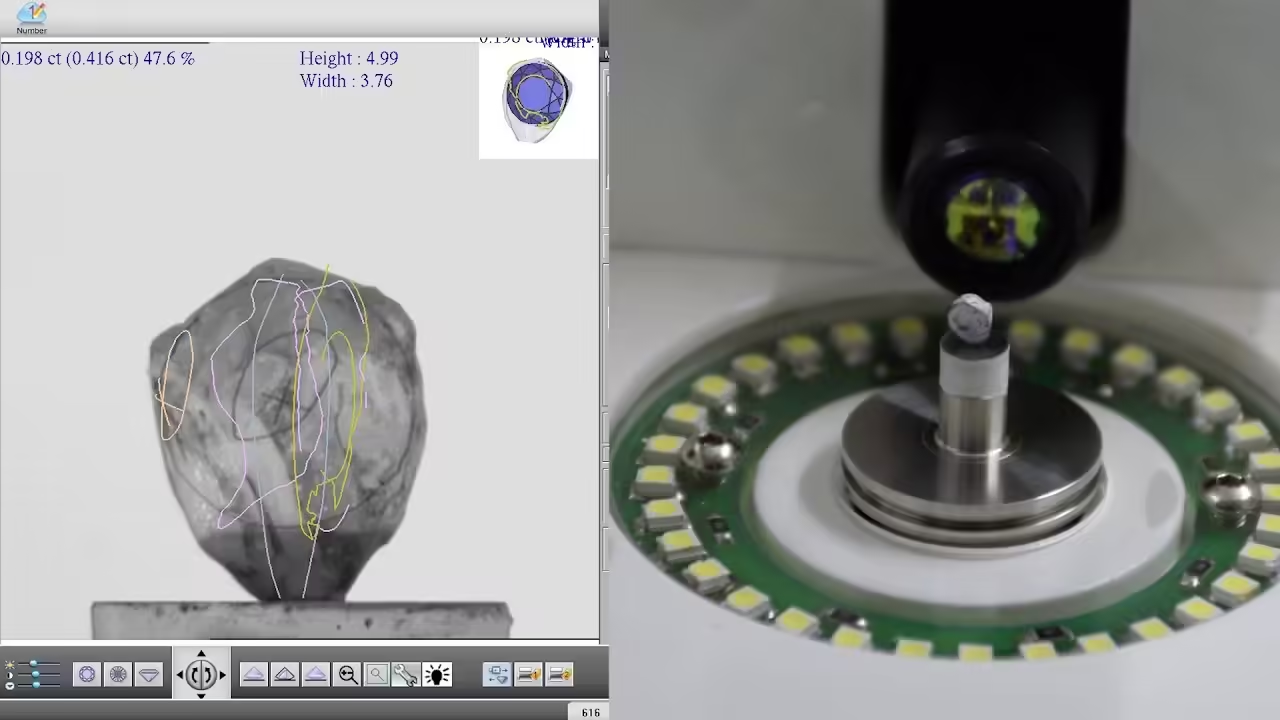
Diamond planning is an intricate process guided by advanced technology and expertise. The journey begins with a 360-degree X-ray scan, capturing a detailed view of the diamond’s internal structure.
This allows experts to assess potential and define optimal cutting strategies.
- 360-degree X-ray imaging enhances efficiency by minimizing rough diamond waste.
- Sarin Advisor and Rappaport benchmarks guide accurate pricing strategies.
- Detailed planning on the 4Cs and ongoing reviews guarantee high standards.
- Careful planning and advanced technology in cutting ensure optimal results, showcasing the diamond cutter's expertise and adaptability.
A Crucial Stage for Profit
The planning phase focuses heavily on the 4Cs – cut, color, clarity, and carat weight. Every decision directly impacts the final value of the diamond. Continuous evaluation ensures the best balance between beauty and profitability.
Frequently Asked Questions : How To Make Diamond ?
How is a diamond made from a rough stone?
A diamond is made by transforming a rough stone through the diamond cutting process, which includes planning, cutting, shaping, and polishing to enhance its brilliance and value.
What is the diamond cutting process?
The diamond cutting process involves several stages-planning, cleaving or sawing, bruting, faceting, and polishing-each designed to maximize the diamond’s sparkle and overall quality.
Why is diamond cutting important for brilliance?
Diamond cutting is crucial because it determines how light reflects within the stone, directly impacting its brilliance, fire, and overall visual appeal.
How long does it take to cut and polish a diamond?
The diamond cutting and polishing process can take several days, depending on the size and complexity of the stone, with precision work required for each facet.
What role does technology play in diamond making?
Modern diamond manufacturing uses advanced tools like laser cutting and 3D scanning to ensure precision, reduce waste, and achieve optimal proportions.
Does diamond polishing increase its value?
Yes, expert polishing enhances a diamond’s clarity, sparkle, and symmetry, significantly increasing its market value and desirability.
Conclusion: The Art Behind Every Brilliant Diamond
The diamond cutting process is a perfect blend of science, precision, and artistry. From diamond planning, cutting, and polishing, every step plays a vital role in transforming a rough stone into a breathtaking gem.
Understanding this complete diamond cutting, planning, and polishing process not only deepens appreciation but also helps buyers recognize true quality and value. A well-executed diamond cutting process ensures that every diamond reaches its highest level of brilliance, making it not just a gemstone – but a masterpiece.



 Chat on WhatsApp