
Primira Luxury Blog
“Jewelry is more than an accessory; it’s a timeless tale waiting to be told.”
“Like a well-crafted gem, true beauty comes from within. Let your jewelry amplify it.”


Showing 25–33 of 33 results
- ₹27,453 – ₹154,393Price range: ₹27,453 through ₹154,393
- ₹26,153 – ₹149,037Price range: ₹26,153 through ₹149,037
- ₹18,005 – ₹90,979Price range: ₹18,005 through ₹90,979
- ₹36,985 – ₹211,443Price range: ₹36,985 through ₹211,443
- ₹15,781 – ₹74,727Price range: ₹15,781 through ₹74,727
- ₹18,995 – ₹97,874Price range: ₹18,995 through ₹97,874
- ₹18,204 – ₹91,132Price range: ₹18,204 through ₹91,132
- ₹30,466 – ₹172,723Price range: ₹30,466 through ₹172,723
- ₹13,868 – ₹62,469Price range: ₹13,868 through ₹62,469
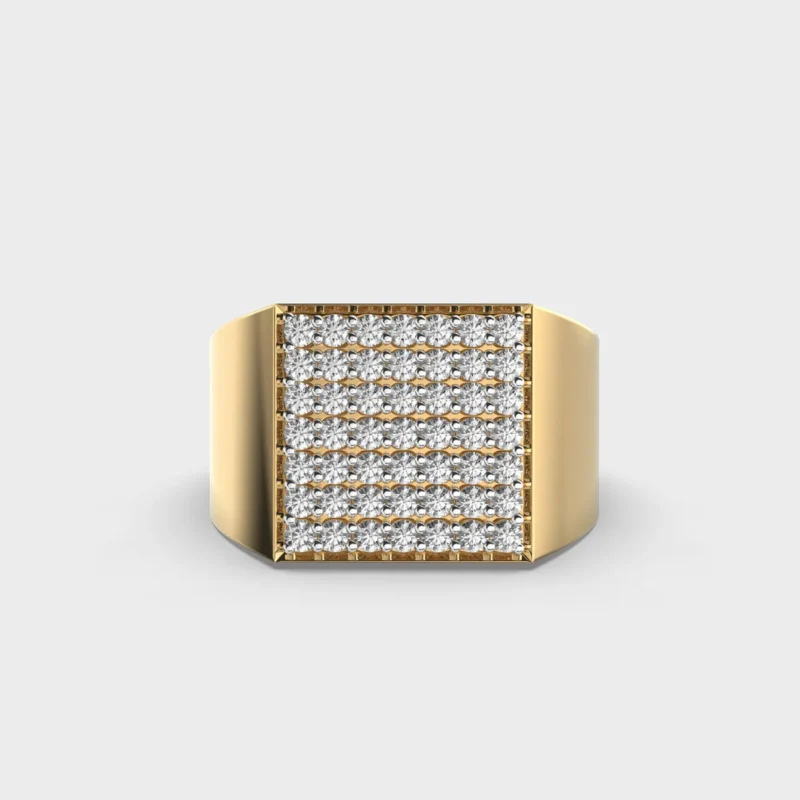
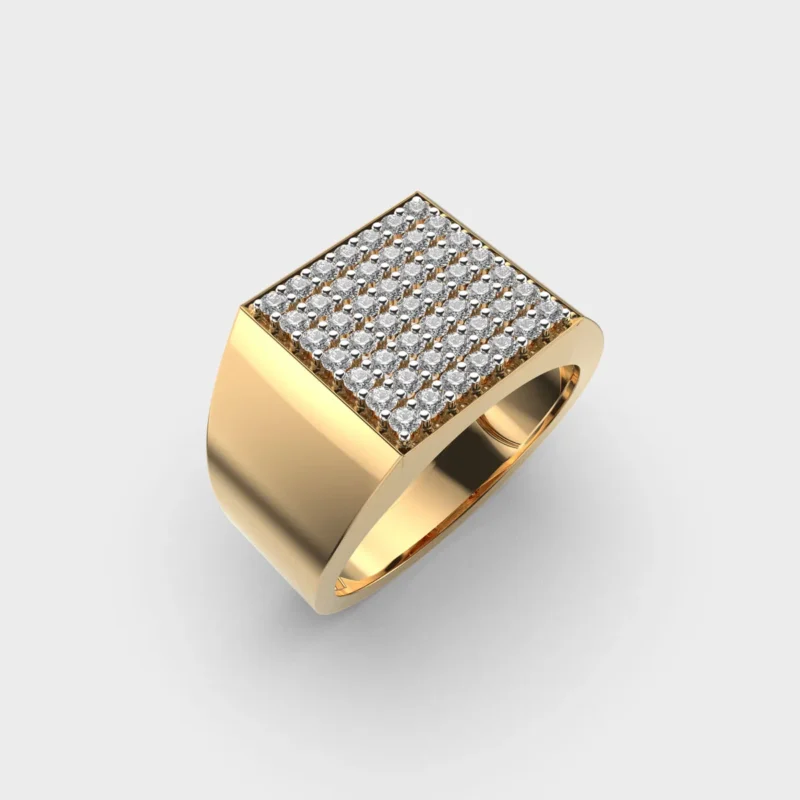


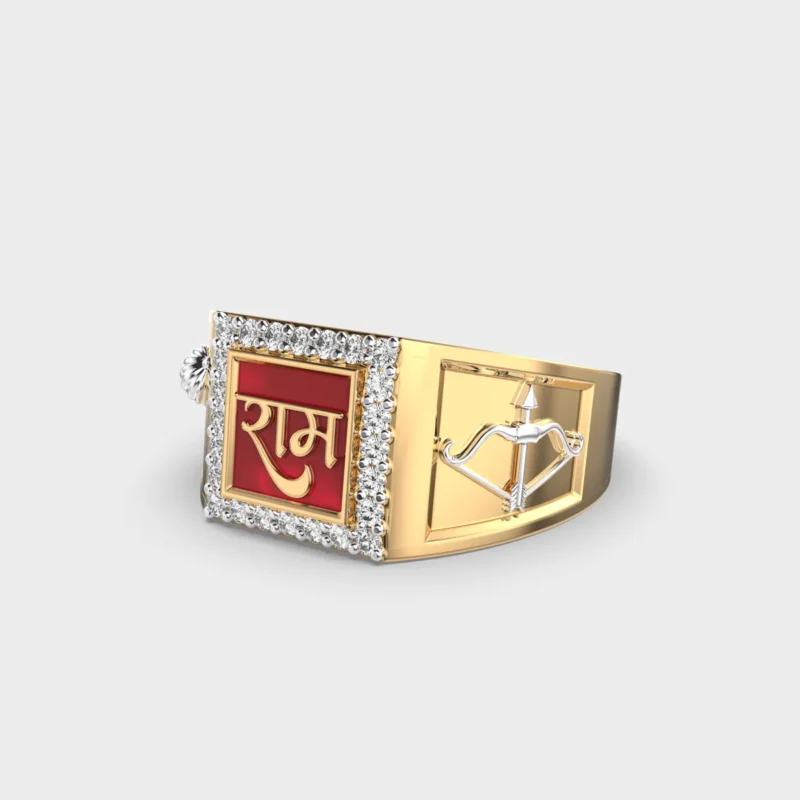

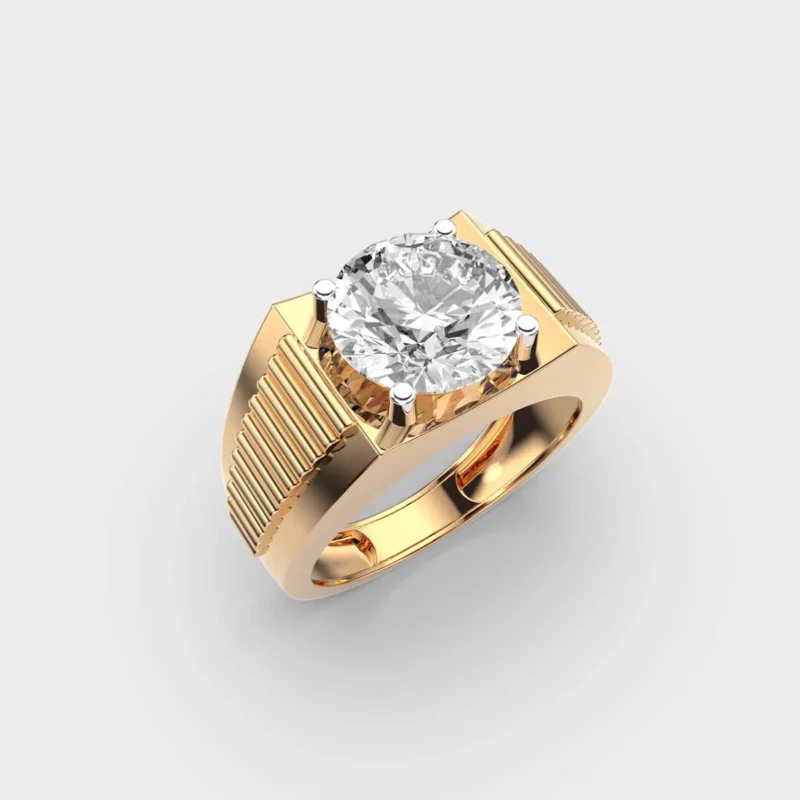





Showing 25–33 of 33 results
Discover Your Perfect Price
Filter by Stone Type and Metal to view accurate, variation-based pricing
Transparent, personalized, and effortless - explore designs that match your style, metal, and budget.
- Tip: Choose one stone type and one metal type to see your exact price.
- If prices seem off, just uncheck and re-apply your filters – the page will refresh with accurate pricing.
 1-to-1 Custom Design
Experience
 Craft Your Vision
Today with a 10% Starte
 HD video Preview
Before It Ships
 Fully Customizable
- Stone, Metal & Budget
 Choose Metal Tone:
Yellow, White or Rose Gold
 Handcrafted in Solid 10K · 14K · 18K
Gold, 925 Silver or 950 Platinum
 Select Your Stone Type:
 Lab-Grown Diamond or Moissanite
 Award winning
 craftmanship and detailing
 Hallmarked &
 Certified (IGI / SGL)
 Personalized Care &
 Expert Support
 Design Any Piece
Within Your Budget
1-to-1 Custom DesignExperience
Craft Your VisionToday with a 10% Starte
HD video PreviewBefore It Ships
Fully Customizable- Stone, Metal & Budget
Choose Metal Tone:Yellow, White or Rose Gold
Handcrafted in Solid 10K · 14K · 18KGold, 925 Silver or 950 Platinum
Select Your Stone Type: Lab-Grown Diamond or Moissanite
Award winning craftmanship and detailing
Hallmarked & Certified (IGI / SGL)
Personalized Care & Expert Support
Design Any PieceWithin Your Budget
Primira's
Real Reviews From Real Customers
Lifetime
Warranty
100% Money
Back Guarantee
Easy
Customization
7 Days
Return
14 Days
Exchange
Insured
shipping
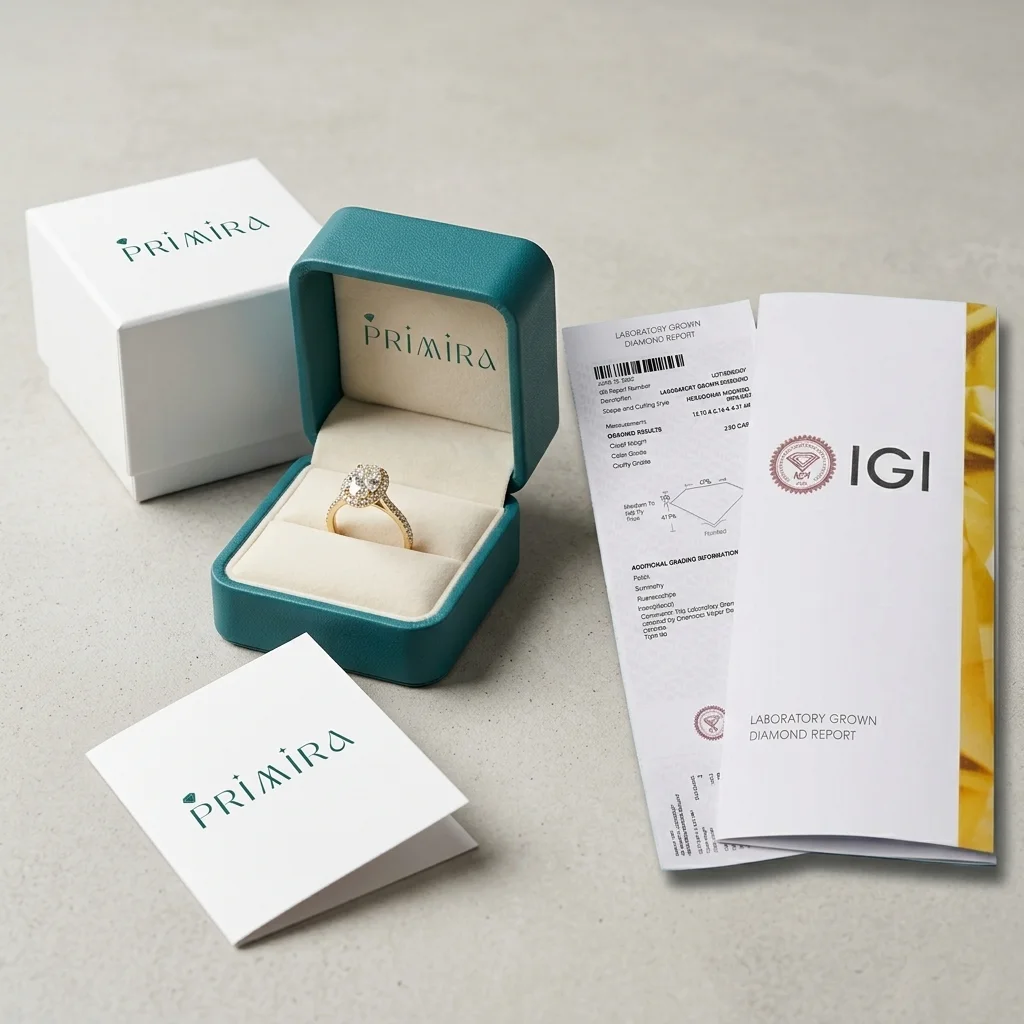
sustainable, beautiful packaging
Give your precious pieces a home they deserve with our stylish, soft-lined jewelry boxes made for effortless organization.
Read Our Article Behind Every Collection
Each design at Primira Luxury is handcrafted with precision, purpose, and emotion. From the first sketch to the final polish, our artisans turn your vision into a piece that feels personal, ethical, and timeless.
Read More
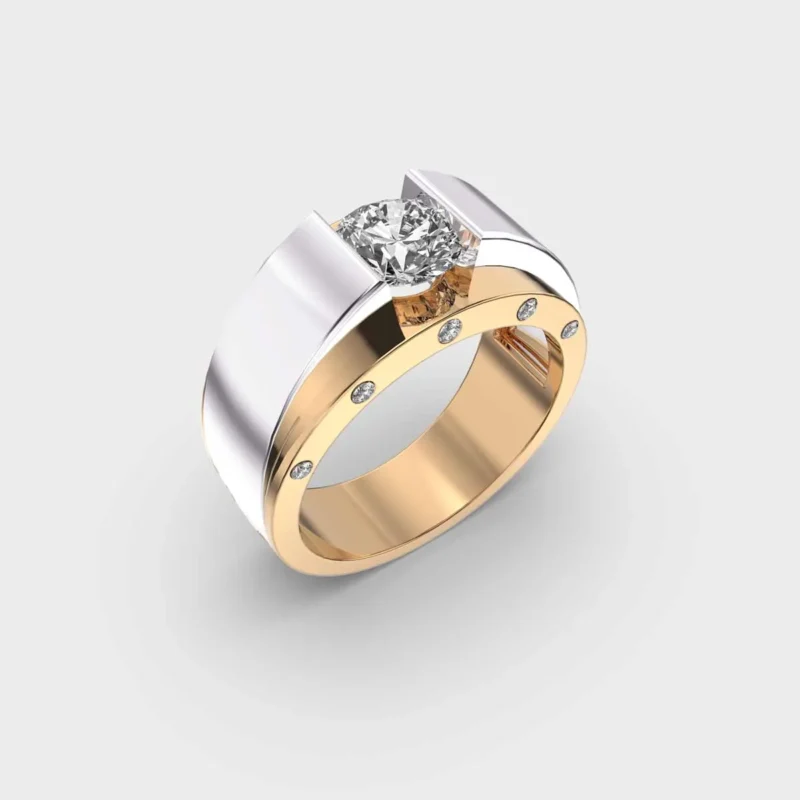
Men’s Lab Grown Diamond Rings — Daily-Wear Designs, Certified
A man buying a diamond ring for himself — not as an anniversary gift, not for a proposal — is making a different purchase than most diamond ring guides are written for. There’s no existing ring to size-match. No occasion to anchor the stone size. The ring goes on the first morning and stays there through everything. That’s the brief this page is built around: lab grown diamond rings for men that work as daily-wear objects, confirmed to your actual specifications before a gram of metal is cast.
Why Men’s Diamond Rings Are a Different Engineering Brief
Most diamond ring content assumes the buyer is choosing for someone else, or for a defined occasion where the ring gets worn, photographed, and occasionally taken off. A man’s daily-wear ring lives through keyboards, steering wheels, gym equipment, handshakes, and industrial settings in a single day. That changes the engineering decisions that matter most.
The relevant variables aren’t the same ones that dominate engagement ring guidance. Cut grade affects sparkle in a prong solitaire; in a channel or gypsy setting, it matters differently. Clarity grades that demand close examination are largely irrelevant when the stones sit flush with metal. What does matter: shank width relative to ring size, the relationship between stone diameter and band gauge, the setting type’s behaviour under daily impact, and the inner profile’s comfort across a full working day.
Setting Types — What Each One Actually Does
This is where the engineering fork matters most for a men’s ring.
Channel Setting
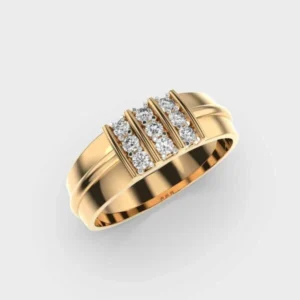
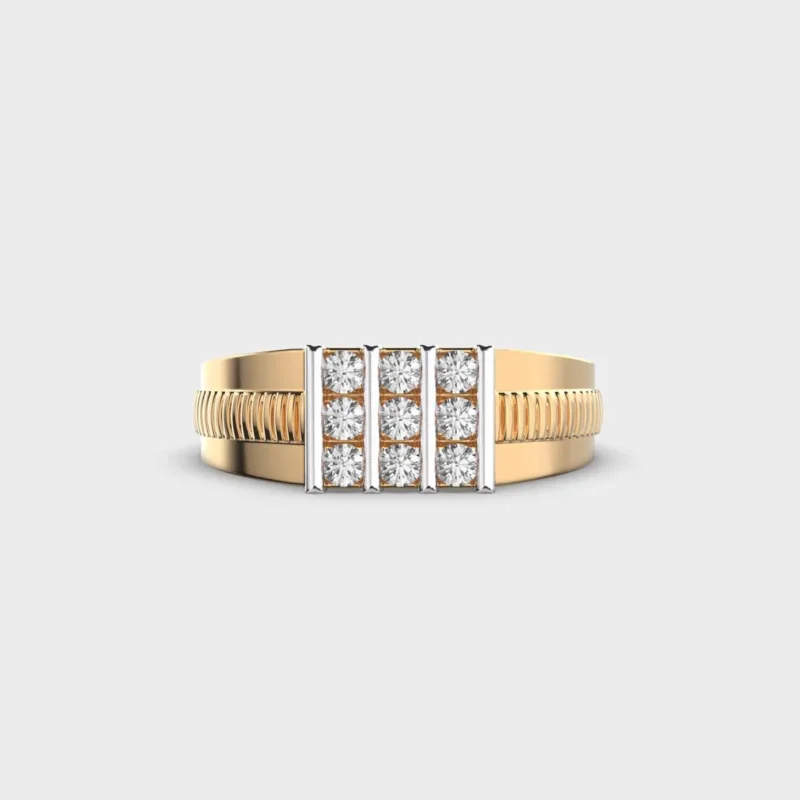
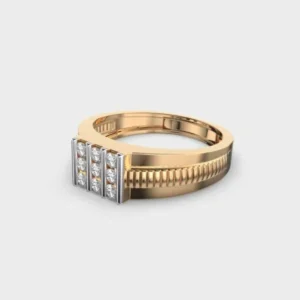
Stones sit in a groove between two parallel metal walls, no prongs, no exposed stone edges. The metal walls absorb lateral impact rather than transferring it to the stone. Best for: men who work with their hands, wear a ring daily through physical activity, or want zero snag profile. The trade-off is that channel settings require uniform-diameter stones — variation in stone size shows at wearing distance as an uneven groove line, which is why the lab grown diamond round page’s note on cut uniformity applies here: Primira’s Ideal/Excellent cut floor isn’t arbitrary when the stones are sitting side-by-side in a channel.
Gypsy / Flush Setting
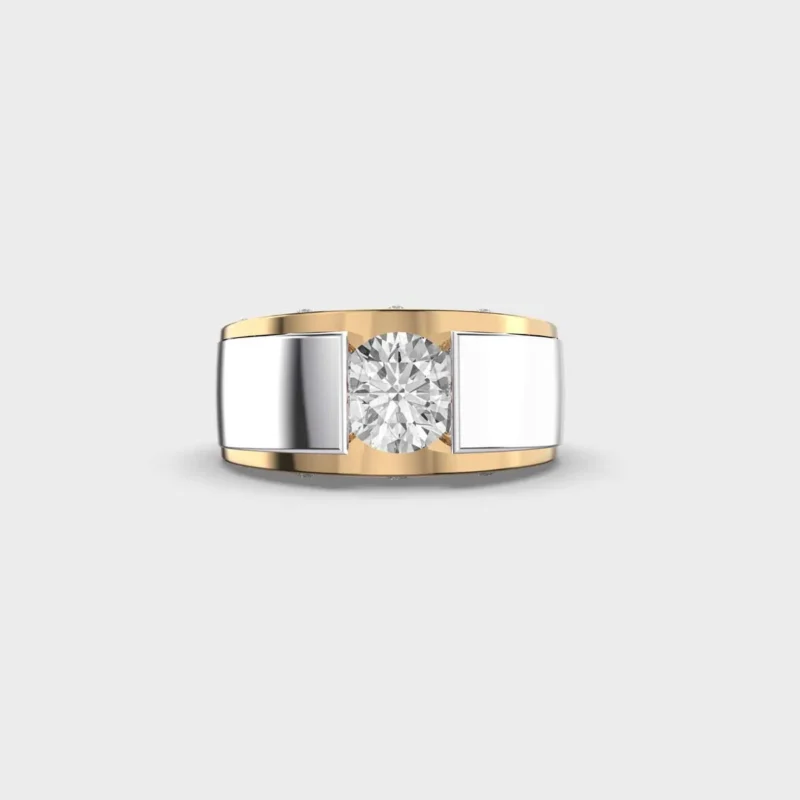
Each stone is drilled into the band and sits level with the metal surface — no elevation, no prong profile. The drilling depth is a precision manufacturing decision: too shallow and the stone sits slightly proud, with an exposed edge that chips under lateral impact; too deep and the table sinks below the metal rim, reducing face-up light output by roughly 15–20% compared to the ideal flush position. Getting that depth right requires knowing the stone’s exact measured dimensions before the drill bit goes in — a bench calibration that happens at the point of stone cutting, not at a separate setting workshop. This is the most secure setting available for a single-stone men’s ring, and the most practical for anyone wearing rings during manual work.
Pavé Band
Smaller lab grown diamond melee set across the band surface with shared prongs, maximum surface sparkle. Works at men’s ring widths because the stone count and metal framing create visual weight without requiring a large centre stone. The relevant quality signal in pavé is colour matching across the melee parcel — variation between adjacent stones reads as patchy at wearing distance in a way that single-stone rings never have to manage. What this means practically: the parcel needs to be sorted to a single colour tier before setting, which is a sourcing step that happens at the production facility, not after.
Statement / Single-Stone Ring
A single lab grown diamond in a bezel, four-prong, or bar setting with a wide, substantial band. The proportion problem here is specific to men’s finger widths: a stone that looks balanced on a 2mm engagement ring band can disappear visually on a 4mm men’s shank, and a stone that looks right on the bench reads as ostentatious at actual finger scale. There’s no universal answer — it depends on the individual shank width and finger size, which is why this is a specification confirmed in the pre-production call, not a default.
Shank Width and the Comfort-Fit Calculation
This is the technical detail missing from every competitor men’s ring guide, and it’s the one most likely to produce a ring that fits badly on delivery.
At shank widths below 2mm, a flat inner surface contacts only a narrow strip of the finger — comfort fit and standard fit feel nearly identical. At 2.5–4mm (the standard range for men’s rings), that changes. A flat-fit inner surface at this gauge contacts the full circumference of the finger, which creates noticeable resistance during knuckle passage and a locked feeling during daily wear. A comfort-fit inner profile — rounded outward at the centre of the inner surface — distributes contact across a narrower actual contact zone, reducing that resistance significantly and allowing natural micro-movement as the finger expands through the day.
Primira’s men’s rings are produced with a comfort-fit inner profile at 2.5mm+ shanks as standard. The specific radius is set to the buyer’s ring size: the same curvature that fits a size 9 correctly produces a slightly different feel at size 12, because the finger circumference changes the contact geometry. This is confirmed via the pre-production WhatsApp call before casting begins.
Shank width and ring size: wider bands require ordering a half-size larger than your standard ring size to account for the additional finger coverage. If your regular ring size is 10 in a narrow band, confirm your men’s ring size in a 3–4mm band before ordering. This is worth specifying in the pre-production call — it’s the most common resize issue on wider men’s rings and the easiest to avoid at the specification stage. At 2.5–4mm shank width, a comfort-fit inner radius calibrated to the buyer’s ring size is the difference between a men’s ring that moves naturally through the day and one that locks at the knuckle — at this gauge, the specific curvature matters because the same profile that fits a size 9 creates a different contact geometry at size 12.
Stone Specifications for Men’s Rings
White Lab Grown Diamonds
Clarity: VVS1 to VS2. In channel and gypsy settings, inclusions that would be invisible in prong-set stones are even less visible — the surrounding metal absorbs more visual attention. Primira doesn’t stock SI2 or lower; the VVS1–VS2 floor means all stones are eye-clean at wearing distance regardless of setting type.
Color: D–F colorless for channel and pavé applications where adjacent stones are compared directly. G–H–I near-colorless is a practical and honest choice for single-stone gypsy settings where no adjacent stone creates a reference point — at a men’s ring gauge, the difference is not visible.
Cut: Ideal and Excellent only. In a gypsy or channel setting, a well-cut stone still outputs more light from the table facets than a poorly cut one — the setting doesn’t compensate for a weak cut, it just changes where the light exits.
Fancy Color and Black Lab Grown Diamonds
Black lab grown diamonds in gypsy and channel settings are a growing men’s category in India and internationally. The matte absorption of a black stone reads as intentionally bold in a white gold or platinum band, and the setting style (flush, channel) suits the aesthetic without requiring any modification to the standard production process.
Fancy color options — grey, champagne, blue, green — work well in bezel and four-prong settings at statement-ring scale, where the color saturation is the design centrepiece. The fancy color lab grown diamond page covers saturation tier grading and loose-stone specifications for buyers selecting a stone before choosing a setting.
Metal for Men’s Rings
14K Gold (yellow, white, rose): 58.5% pure gold, high tensile strength, maximum scratch resistance in the gold tier. The practical daily-wear default. Yellow gold reads as traditionally Indian and is the most common groom ring choice in India in 2026. White gold suits the contemporary urban aesthetic; rose gold is less common in men’s rings but growing in fashion-forward contexts.
18K Gold (yellow, white): 75% pure gold, richer colour depth, correct for statement pieces where metal tone is part of the design. Slightly softer than 14K, which matters if the ring will contact hard surfaces daily — worth specifying in the pre-production confirmation if daily-wear durability is the priority.
950 Platinum: the correct metal for a single-stone gypsy or bezel setting where long-term prong integrity matters. Platinum work-hardens under daily wear rather than scratching to a flat finish — a platinum surface develops a patina over time that many men prefer to a mirror polish. Heavier than gold at the same ring gauge, which adds perceptible weight to a 4mm band and is worth knowing before ordering. Hypoallergenic — relevant for men who develop contact reactions to white gold’s rhodium plating over time.
925 Sterling Silver: the entry point. Higher reflective surface than gold, lightweight. Correct for fashion-wear rather than permanent daily-wear at the higher stone specifications.
Style Navigation
Primira’s men’s ring collection covers five distinct approaches. Each is a real design category, not a size-scaled version of a women’s piece.
Minimalist lab grown diamond rings — thin gauge, low-profile bezel or flush, designed to disappear into daily wear. Men who want a single subtle stone confirmation, not a visible ring.
Statement lab grown diamond rings — wide shank, substantial metal volume, single or multi-stone centre. For occasions, business dinners, or men who wear fine jewellery deliberately.
Lab grown diamond cluster rings — multiple stones in a geometric or starburst layout within a strong metal frame. Men who want visual mass without the single-stone profile.
Fancy color lab grown diamond rings — black, grey, blue, champagne, green stones in men’s settings. For buyers who want a diamond ring that reads as fashion-forward, not traditional.
The parent lab grown diamond rings page explains the full design logic and routes across all five styles. For men who also wear earrings, men’s lab grown diamond earrings are built on the same daily-wear brief — single stone, screw-back security, flush or bezel profile.
Custom Orders for Men’s Rings
Men’s rings are custom pieces by nature — the shank width, comfort-fit specification, setting type, stone size, and finger size are all variables that don’t resolve from a product photograph. Primira’s custom order process is built for this:
The one detail specific to men’s rings: if you have a reference design (a photograph, a sketch, a ring you’ve seen), the stone can be cut to fit the frame proportions rather than the frame being built around standard stock. A 3.8mm channel with five stones requires stones sized to fit the channel width — that’s a cutting-floor specification, not a setting-floor selection from existing inventory. This is what building from Surat means for a men’s ring: the stone and the setting share the same production facility, and the specification moves between them before either is finalised.
IGI Certification
Each lab grown diamond in Primira’s men’s rings is independently graded by IGI — cut, color, clarity, and carat confirmed in writing. The report number is laser-inscribed on the stone’s girdle, verifiable at igi.org. For a men’s ring worn daily, the practical value of the IGI report is twofold: it documents the stone’s specifications at the time of purchase (relevant if the ring is ever serviced or revalued), and it confirms that the quality grade Primira states is what an independent body measured, not a production estimate.
For channel-set rings with multiple stones: IGI parcel certification covers the matched stone lot’s specifications. This is different from individual stone reports — confirm which applies to your specific design at the pre-production stage.
Care for Men’s Rings
Channel and gypsy settings are the most maintenance-tolerant ring configurations available. There are no prongs to check for bending, no elevated stone edges to catch. Practical care:
Clean with warm soapy water and a soft-bristle brush (a worn toothbrush works). The groove between a channel wall and stone edge accumulates debris in active-wear contexts — clean monthly. Avoid ultrasonic cleaners on pavé settings where melee stones are small; vibration can displace stones over repeated cleaning cycles. Platinum rings should be professionally polished every 2–3 years to restore the mirror surface if preferred; the work-hardened patina that develops is normal, not damage. Gold bands in any tone can be re-rhodium-plated (white gold) or polished professionally — Surat’s base metal alloying means the gold content beneath any surface finish is unchanged.
Order Process and Trust
Pre-production WhatsApp confirmation: within 24 hours of checkout, the Surat team contacts you to confirm the shank width, comfort-fit specification, ring size (including half-size adjustment if appropriate for the band width), setting type, stone specification, and metal tier. This is the stage where a men’s ring is actually specified — not from a product page, from a direct conversation about the actual piece.
Production timeline: 15–35 business days for men’s rings. In rare cases involving custom shank profiles or specific stone sourcing, up to 45 business days — orders completed within this window are not delayed.
Buyback program: Primira offers a buyback option — relevant for a self-purchase decision where the buyer is making a considered personal acquisition rather than a gift. Buyback value is calculated against the invoice value minus making charges, applicable taxes, and processing fee, with gold valued at the prevailing rate at evaluation. The original invoice and IGI certification must accompany the piece. This is an alternative to the standard return policy, which covers wrong, damaged, or specification-mismatch deliveries within 7 days of receipt.
Shipping: India orders above ₹10,000 ship free via Blue Dart or Delhivery. International orders above USD $550 qualify for free express shipping via DHL/FedEx/UPS — insured from dispatch to delivery confirmation. Every shipment leaves Surat insured; if something goes wrong in transit, Primira coordinates the resolution, not the buyer.
FAQ
Which setting is best for daily wear in a men’s diamond ring?
Channel and gypsy/flush settings are the strongest daily-wear choices because there are no exposed prongs to bend or catch. Channel distributes impact across metal walls between stones; gypsy sets the stone level with the metal surface, maximising impact protection. For men who work with their hands or wear a ring through physical activity, either is significantly more durable than a prong setting at the same stone weight.
What ring size should I order for a wide men’s band?
Wide bands — 2.5mm and above — contact more of the finger circumference than narrow bands, which means they feel tighter at the knuckle passage. Order a half-size larger than your standard ring size for a 3–4mm band. Confirm this in the pre-production WhatsApp conversation; the Surat team will check the fit logic against the specific shank width you’ve chosen before production begins.
Are diamond rings appropriate for professional settings in India?
Yes. A channel-set band with 0.15–0.30 total carats in 14K or 18K gold is appropriate in any professional environment — the stones sit flush with the band surface and don’t catch light dramatically. A single-stone statement ring in white gold reads as fashion-forward rather than conservative and suits creative, media, or senior leadership contexts. In 2026, this is a mainstream men’s jewellery category in urban India, not a niche choice.
What carat weight is right for a first men’s diamond ring?
0.15–0.30 total carats for a channel band — subtle diamond presence without visual weight. 0.25–0.50 carats for a single-stone gypsy or bezel setting, where a slightly larger stone reads proportionally on a wide shank. Above 0.50 carats moves into statement territory. If you’re new to wearing rings, start with a channel band — the distributed stone weight is visually quieter than a single stone and easier to wear daily without thinking about it.
Can I get a men’s lab grown diamond ring with a black diamond?
Yes. Black lab grown diamonds in channel and gypsy settings are part of Primira’s men’s collection. The matte absorption of a black stone in a platinum or white gold band is a specific aesthetic choice, not a default. Fancy grey and champagne options are also available. Custom colour combinations — black diamonds in yellow gold, for example — can be specified via the pre-production WhatsApp confirmation.
How is a men’s ring different from a fashion ring from the same collection?
The engineering differences are functional, not decorative: shank width (2.5–4mm vs 1.5–2mm in minimalist styles), inner comfort-fit profile, setting type (gypsy and channel dominate over prong), and stone-to-shank proportion logic. A men’s ring is specified for sustained daily wear at a heavier gauge. The same lab grown diamond can go into either — what changes is the metal volume and the mechanical brief the setting has to meet.

 Chat on WhatsApp