
Primira Luxury Blog
“Jewelry is more than an accessory; it’s a timeless tale waiting to be told.”
“Like a well-crafted gem, true beauty comes from within. Let your jewelry amplify it.”


Showing 1–12 of 36 results
- ₹28,884 – ₹77,550Price range: ₹28,884 through ₹77,550
- ₹182,212 – ₹240,641Price range: ₹182,212 through ₹240,641
- ₹32,816 – ₹79,115Price range: ₹32,816 through ₹79,115
- ₹81,878 – ₹119,974Price range: ₹81,878 through ₹119,974
- ₹18,256 – ₹94,258Price range: ₹18,256 through ₹94,258
- ₹12,053 – ₹46,096Price range: ₹12,053 through ₹46,096
- ₹13,922 – ₹57,094Price range: ₹13,922 through ₹57,094
- ₹24,975 – ₹144,532Price range: ₹24,975 through ₹144,532
- ₹18,093 – ₹88,013Price range: ₹18,093 through ₹88,013
- ₹23,134 – ₹117,224Price range: ₹23,134 through ₹117,224
- ₹25,698 – ₹125,735Price range: ₹25,698 through ₹125,735
- ₹38,279 – ₹169,266Price range: ₹38,279 through ₹169,266
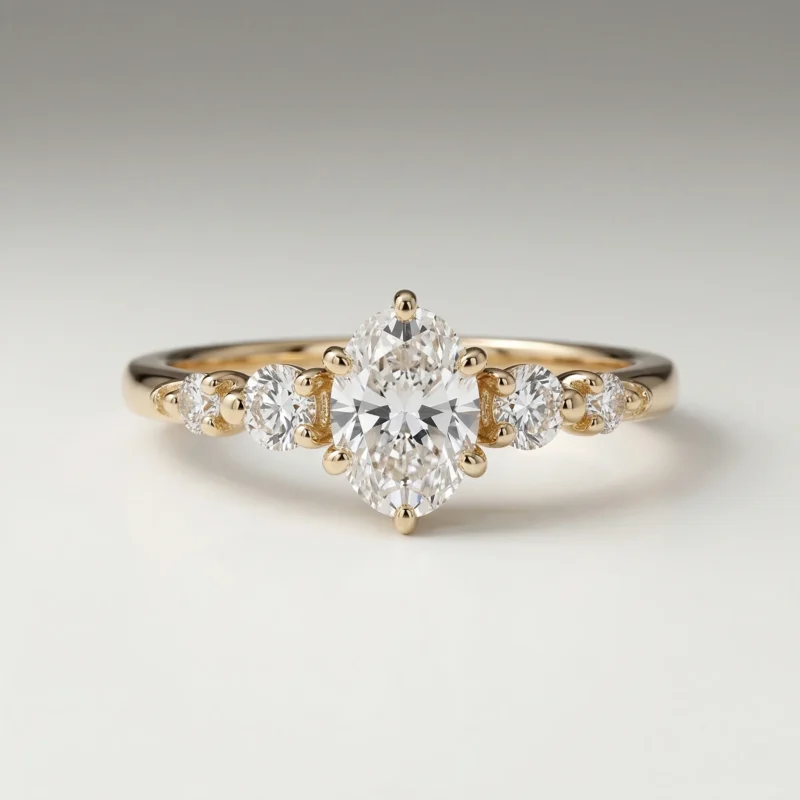
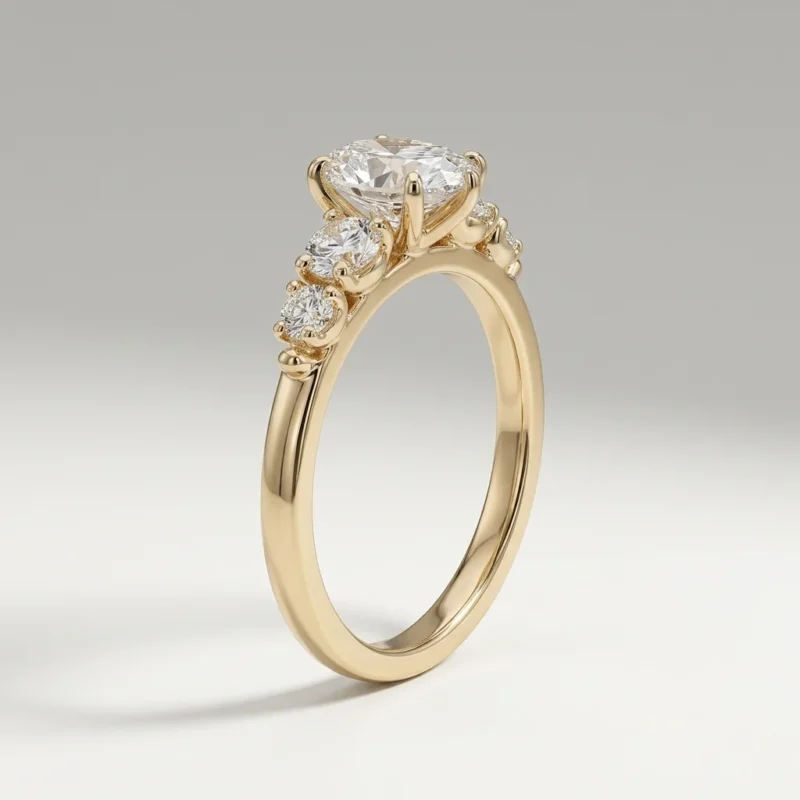
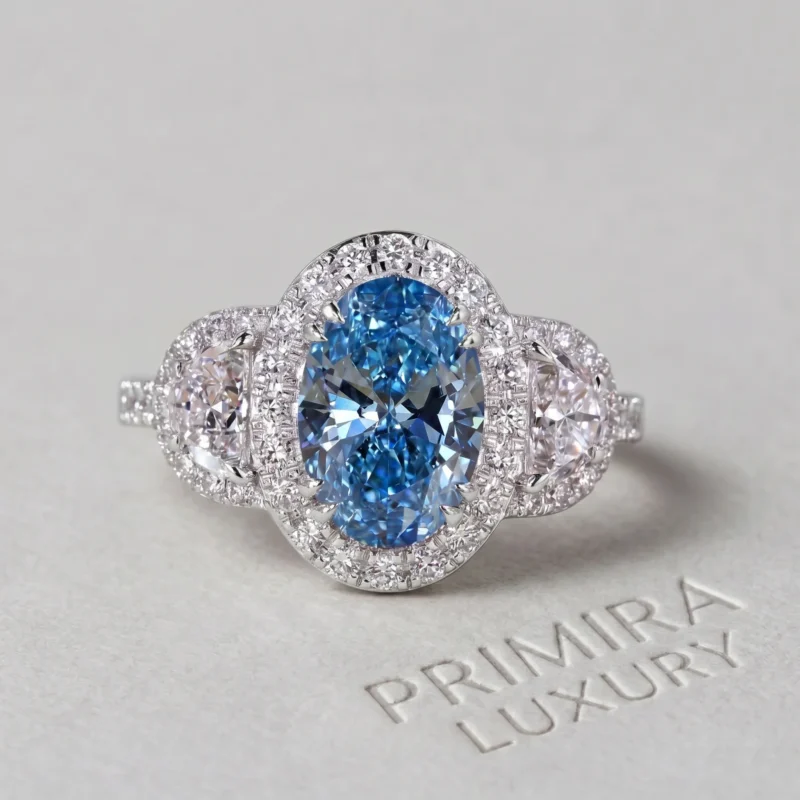
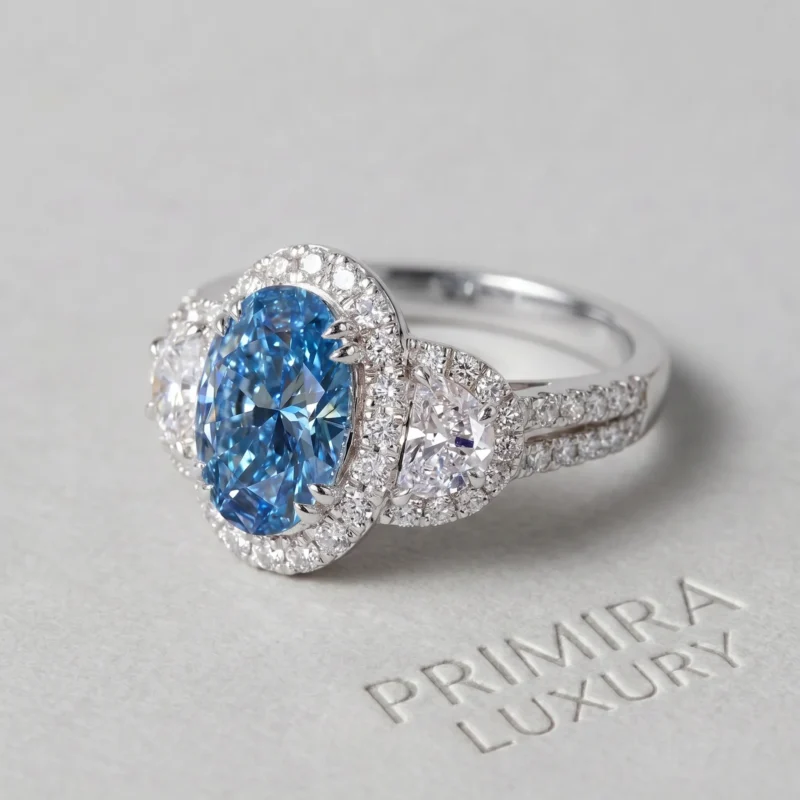
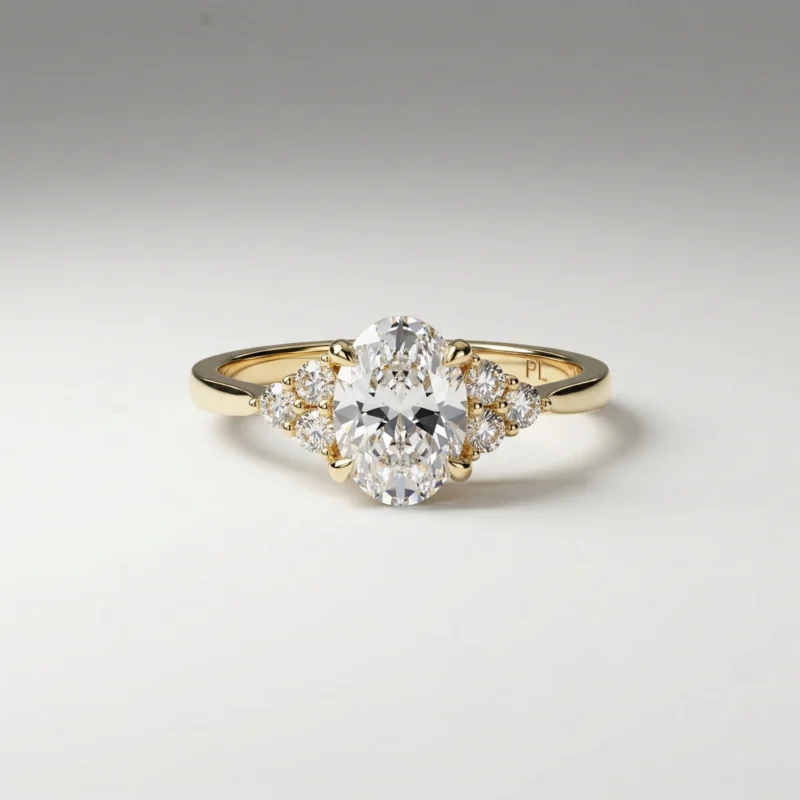
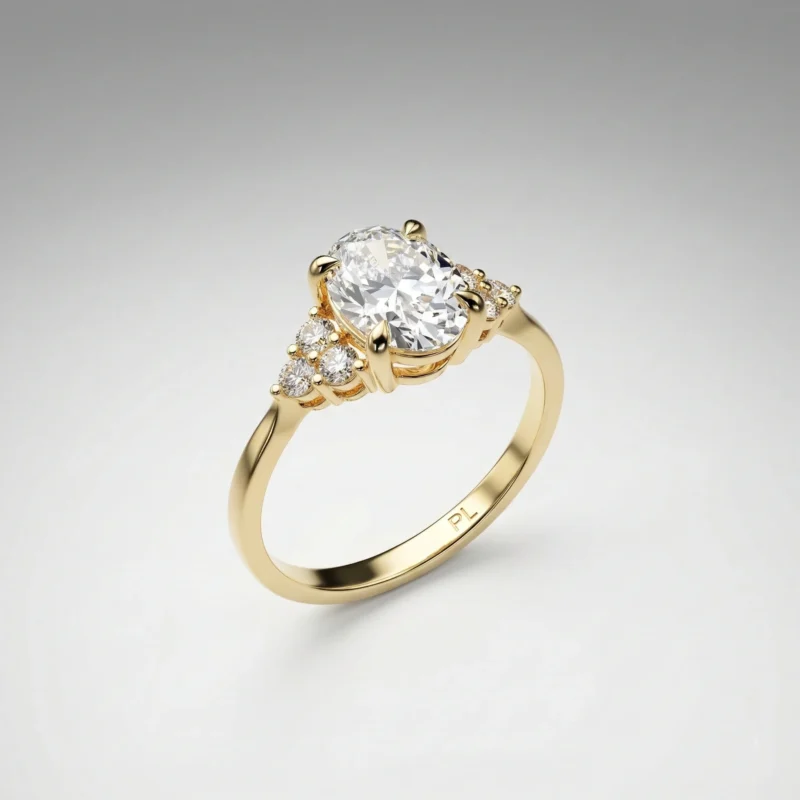
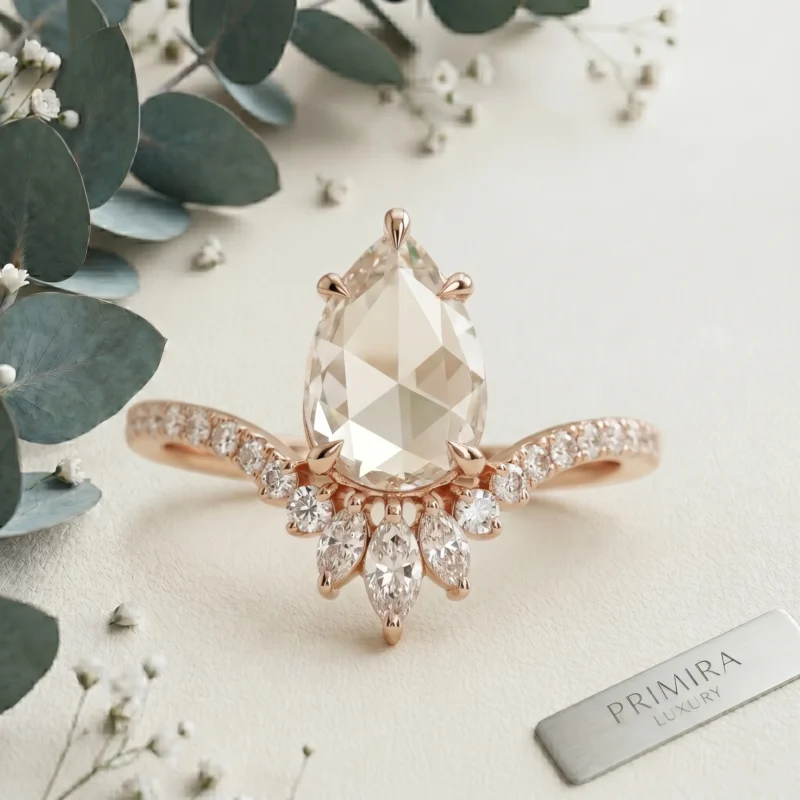
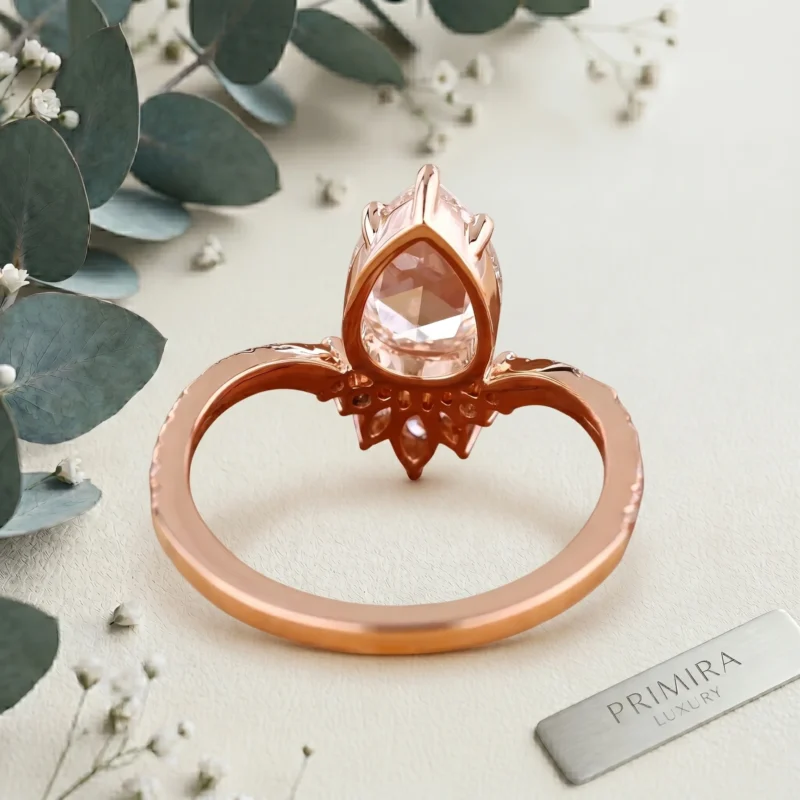






Showing 1–12 of 36 results
Discover Your Perfect Price
Filter by Stone Type and Metal to view accurate, variation-based pricing
Transparent, personalized, and effortless - explore designs that match your style, metal, and budget.
- Tip: Choose one stone type and one metal type to see your exact price.
- If prices seem off, just uncheck and re-apply your filters – the page will refresh with accurate pricing.
 1-to-1 Custom Design
Experience
 Craft Your Vision
Today with a 10% Starte
 HD video Preview
Before It Ships
 Fully Customizable
- Stone, Metal & Budget
 Choose Metal Tone:
Yellow, White or Rose Gold
 Handcrafted in Solid 10K · 14K · 18K
Gold, 925 Silver or 950 Platinum
 Select Your Stone Type:
 Lab-Grown Diamond or Moissanite
 Award winning
 craftmanship and detailing
 Hallmarked &
 Certified (IGI / SGL)
 Personalized Care &
 Expert Support
 Design Any Piece
Within Your Budget
1-to-1 Custom DesignExperience
Craft Your VisionToday with a 10% Starte
HD video PreviewBefore It Ships
Fully Customizable- Stone, Metal & Budget
Choose Metal Tone:Yellow, White or Rose Gold
Handcrafted in Solid 10K · 14K · 18KGold, 925 Silver or 950 Platinum
Select Your Stone Type: Lab-Grown Diamond or Moissanite
Award winning craftmanship and detailing
Hallmarked & Certified (IGI / SGL)
Personalized Care & Expert Support
Design Any PieceWithin Your Budget

Primira's
Real Reviews From Real Customers
Lifetime
Warranty
100% Money
Back Guarantee
Easy
Customization
7 Days
Return
14 Days
Exchange
Insured
shipping
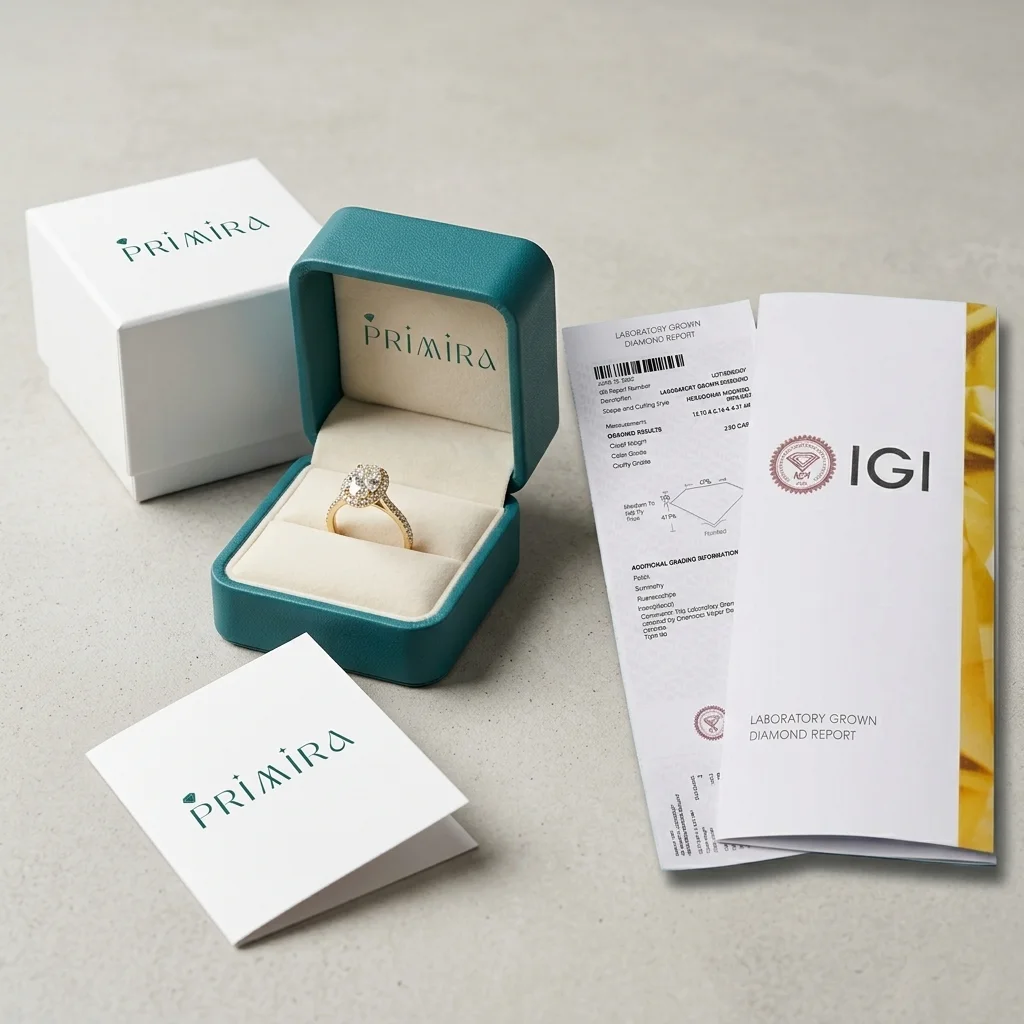
sustainable, beautiful packaging
Give your precious pieces a home they deserve with our stylish, soft-lined jewelry boxes made for effortless organization.
Read Our Article Behind Every Collection
Each design at Primira Luxury is handcrafted with precision, purpose, and emotion. From the first sketch to the final polish, our artisans turn your vision into a piece that feels personal, ethical, and timeless.
Read More
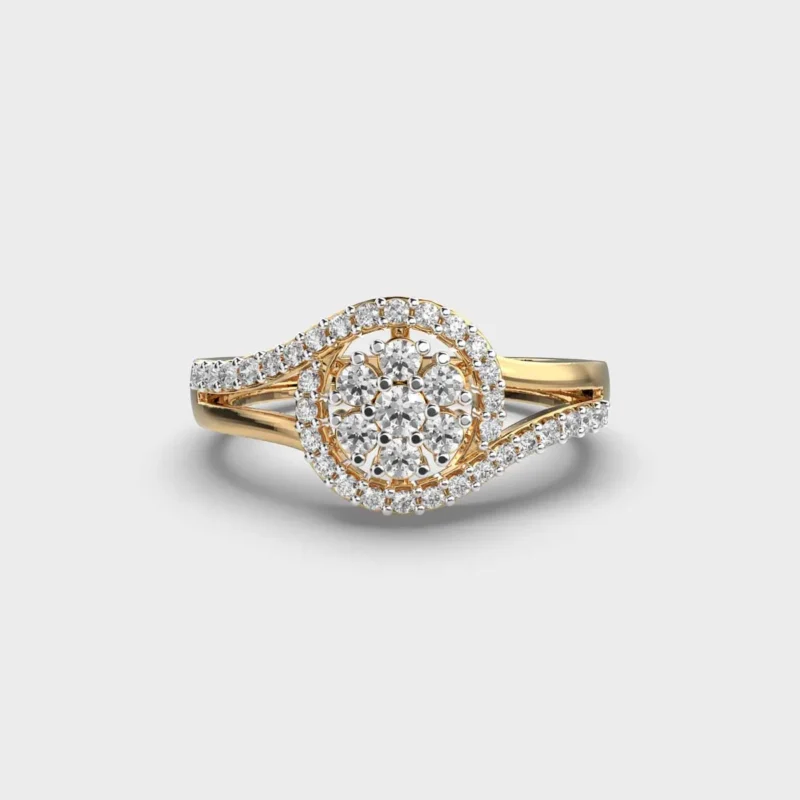
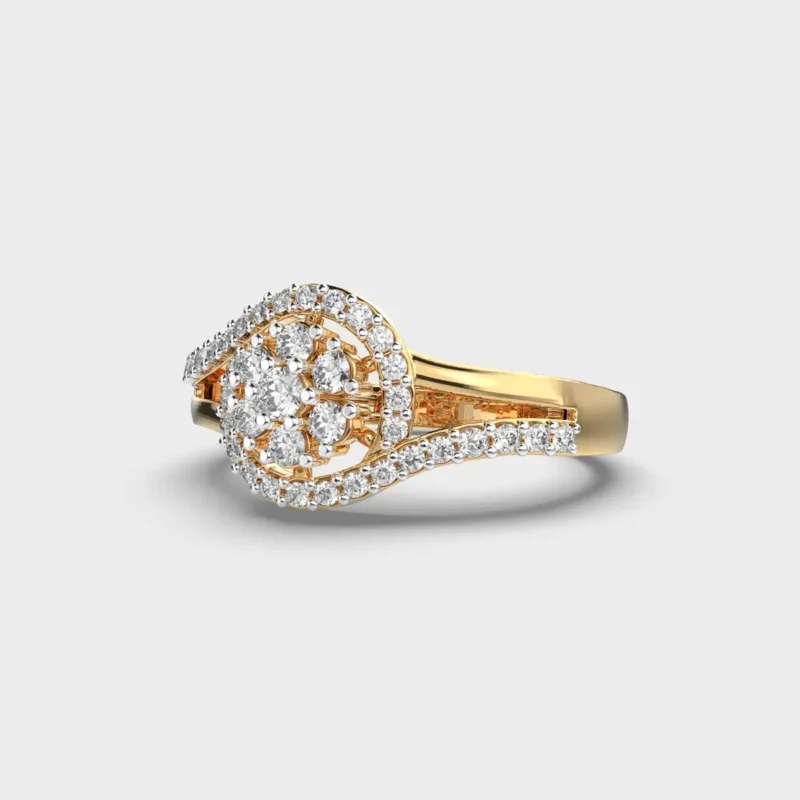
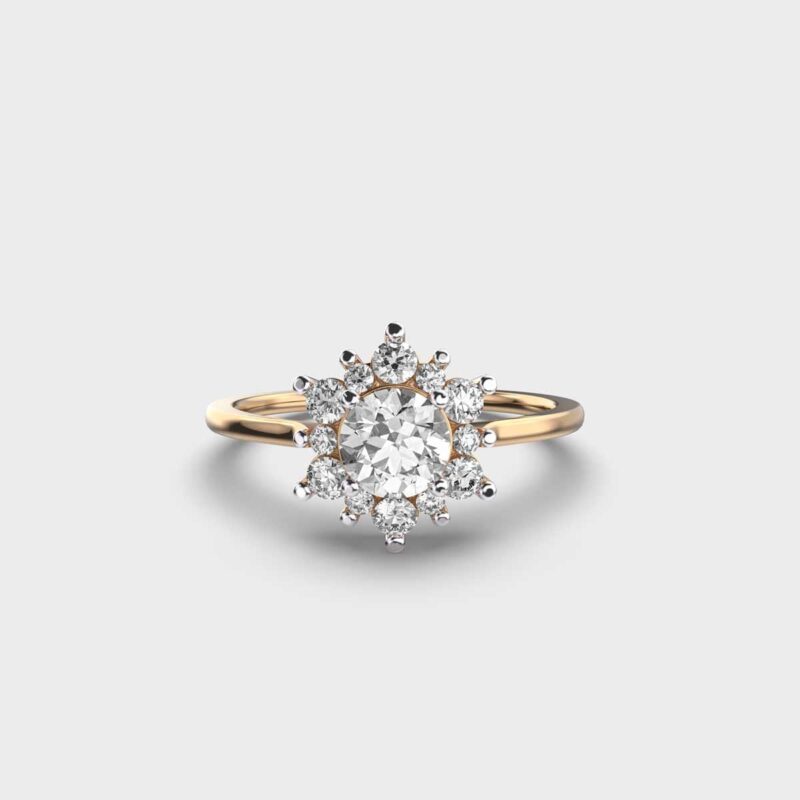
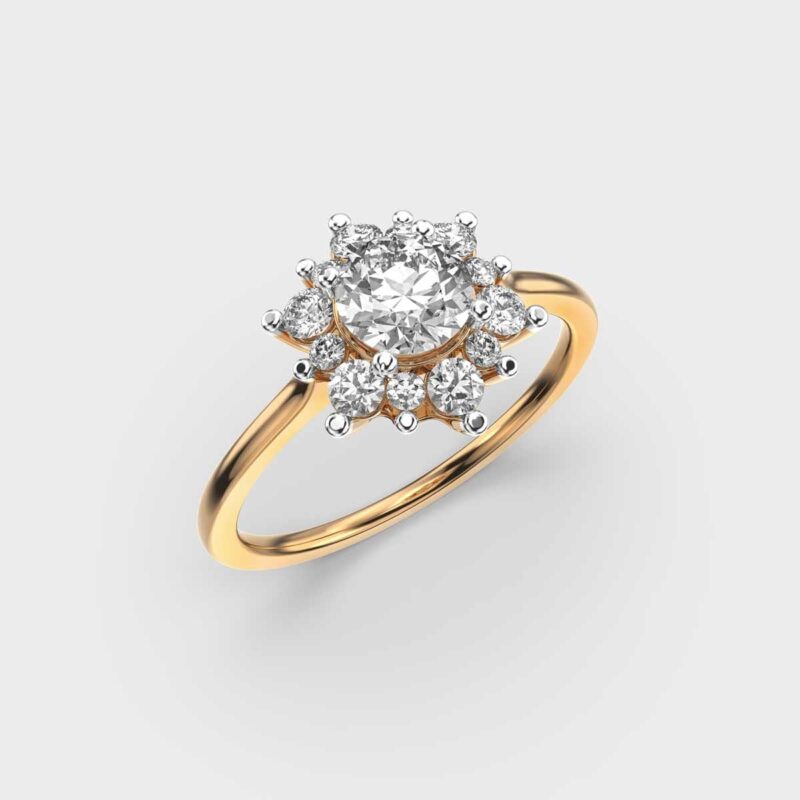
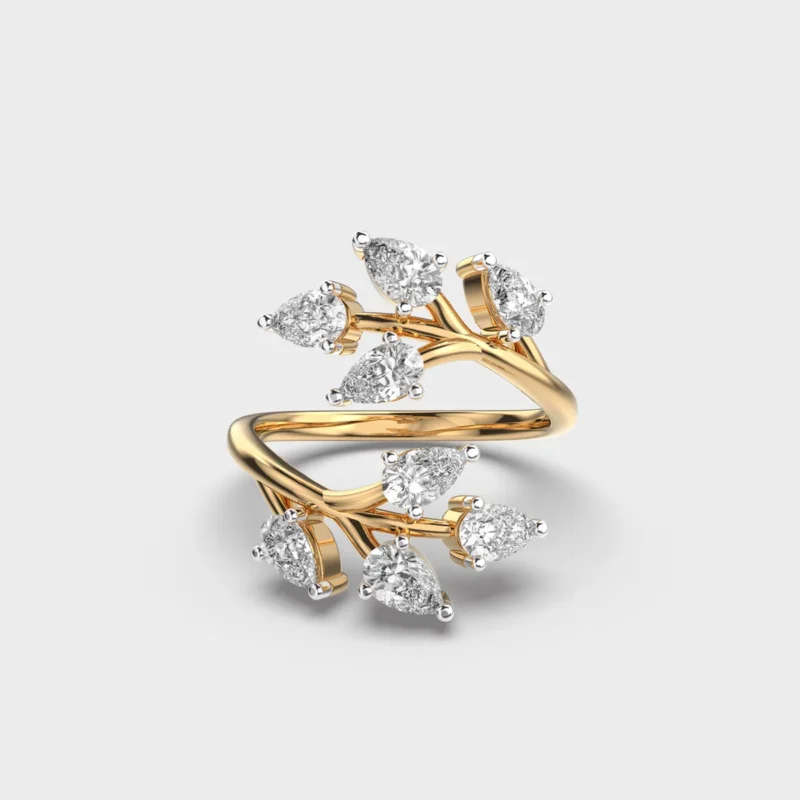
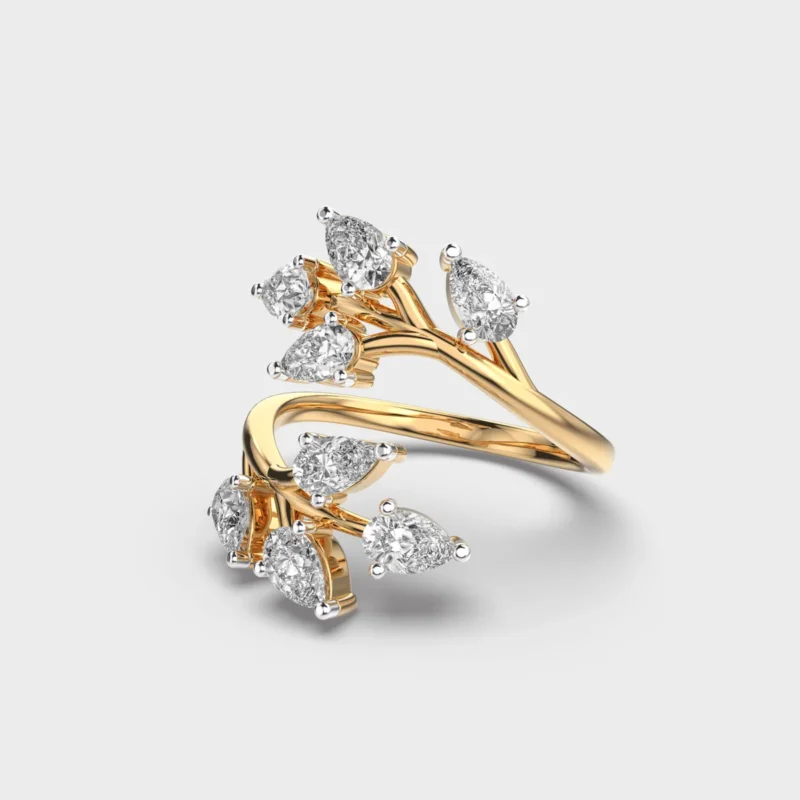
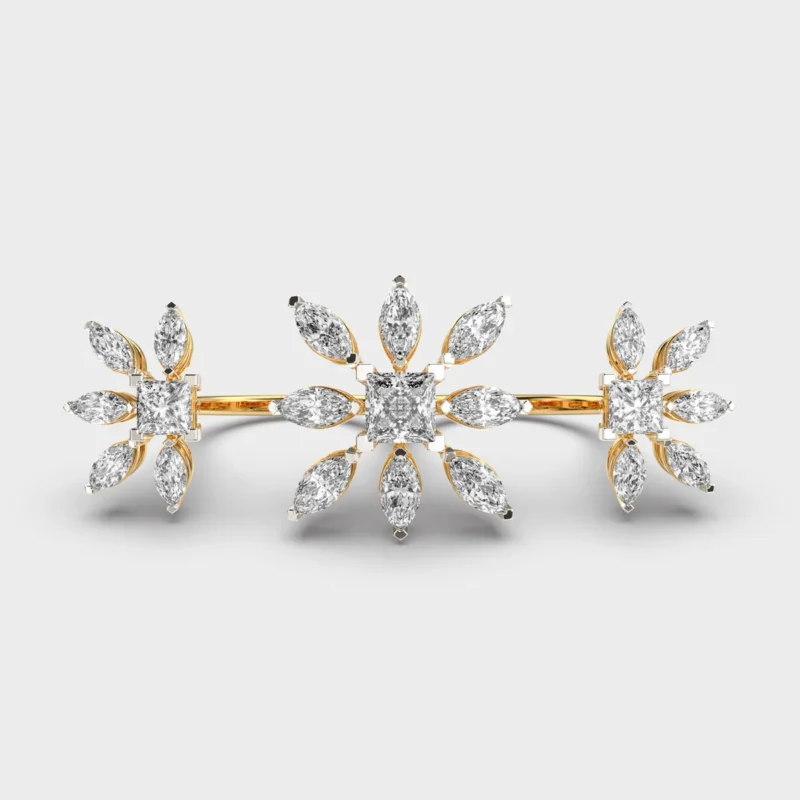
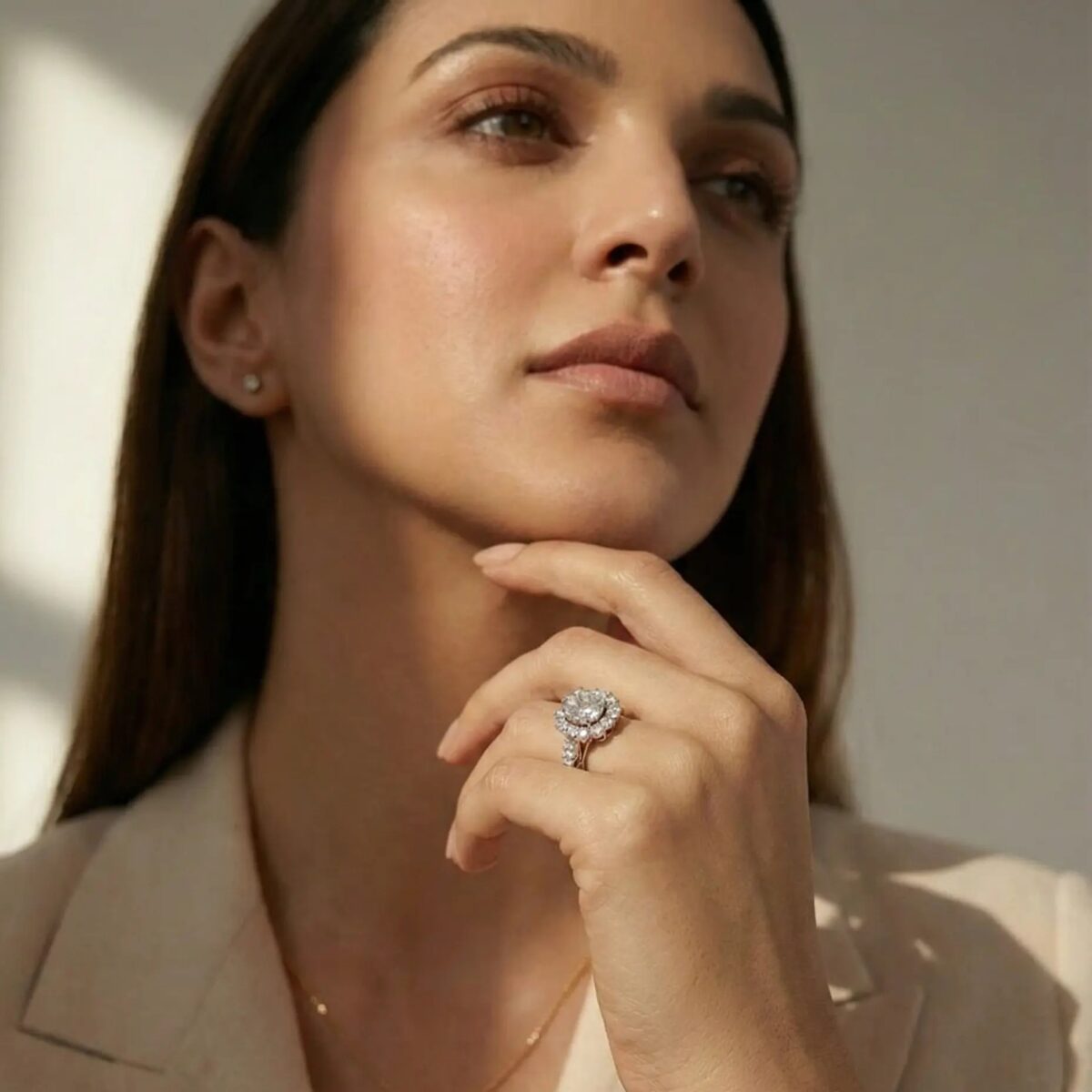
Lab Grown Diamond Cluster Rings
In 2026, cluster rings have split into two clearly different things. One is a design: a considered arrangement of lab grown diamonds where the layout — floral, geometric, starburst, asymmetric — is as deliberate as the stone quality. The other is a spec: as many small diamonds as possible in a given area, prioritising total carat weight over how the finished ring actually reads. The India market is moving away from the second category faster than most retailers are acknowledging. Buyers evaluating clusters are specifically seeking the first kind.
This page covers lab grown diamond cluster rings — how the different layout types work, what makes one cluster read as elegant from a metre away and another read as busy, and how Primira’s Surat facility approaches the calibration decisions that determine which one you’re actually ordering.
What a Cluster Ring Actually Is (and Isn’t)
A cluster ring arranges multiple smaller lab grown diamonds in a defined pattern — radial, floral, geometric, linear, or asymmetric — where the group creates the focal design rather than a single centre stone. The cluster is the statement.
This makes it categorically different from a halo ring, where a dominant centre stone remains the visual anchor and accent stones amplify it. In a cluster, there may be no centre stone at all, or one that shares visual weight roughly equally with its surrounding stones. The ring’s character comes from the arrangement, not from one stone’s size or cut.
It also differs from a pavé band, where stones are distributed along the shank rather than concentrated in a featured cluster shape. The cluster ring has a clear face — a designed focal area — and a plainer shank that doesn’t compete with it.
That distinction matters when you’re buying. A buyer who wants a ring centred around one great stone should look at minimalist lab grown diamond rings or halo engagement rings instead. A buyer whose first response to a piece is its overall shape — “it reads as a flower,” “the outline is a hexagon” — is looking at a cluster.
Layout Types and What They Actually Do
The layout geometry determines how the cluster reads at wearing distance and from different angles. This isn’t a style preference question — it’s a practical decision about what the ring is doing on the hand.
Radial and Starburst Layouts
Stones arranged outward from a centre point, like compass points or a starburst. The visual centre is clear and the ring reads symmetrically from any rotation angle. Radial clusters typically cover a 12–16mm face-up area, which registers clearly at arm’s length without requiring large individual stones. This is the layout that holds its reading best in motion — because radial symmetry has no “wrong angle” from which it looks unintentional.
Floral and Petal Layouts
Stones arranged in petal groups around a centre stone or centre cluster, drawing on the Victorian and Edwardian design vocabulary. The petal metaphor is legible from any viewing distance; the design reads even from across a room. Calibration matters more here than in radial layouts: petal groups sourced from inconsistent melee parcels read as uneven, and the “flower” disappears into a collection of not-quite-matching stones. Getting the parcel right is the technical decision that separates a floral cluster that reads as intended from one that merely looks crowded.
Geometric and Linear Clusters
Rectangular, hexagonal, oval-outline, or elongated clusters where the shape itself is the statement. These designs work when the outline is sharp — meaning the stones forming the perimeter are calibrated to hold that edge cleanly. A geometric cluster where perimeter stones are inconsistently sized doesn’t read as a hexagon or an oval; it reads as an irregular group. The precision requirement for geometric clusters is higher than for floral or radial layouts, because the human eye evaluates geometric shapes against a clear mental reference and notices when the outline drifts.
Asymmetric and Organic Clusters
Intentionally non-symmetric arrangements — off-centre groupings, scattered constellations, organic shapes without a fixed outline. These work when the asymmetry is designed in, not when it’s the result of inconsistent stone sizes or random placement. The distinction between “intentional asymmetry” and “inconsistent calibration” is what separates a ring that reads as bold from one that reads as unfinished. At the design confirmation stage, reference images of asymmetric layouts make this distinction explicit before production begins.
Why Over-Clustered Reads as Dated in 2026
The India market has been direct about this shift. Designs that prioritise stone count — packing the maximum number of small diamonds into a setting regardless of how the finished piece reads — look visually noisy against the cleaner aesthetic now driving purchases. The buyer evaluating a cluster ring today isn’t asking “how many diamonds?” They’re asking “does this read as a designed piece?”
The difference is a construction decision made at the sourcing stage.
When a cluster is assembled from a consistent parcel — where every melee stone has been sorted to within ±0.01mm of the target diameter — the finished ring reads as a unified design. The table facets align, the light events across the surface happen coherently, and the layout geometry holds at any viewing angle. When stones come from inconsistent parcels at the same carat weight specification, the cluster reads as a collection of stones that happen to be close together. The layout geometry loses its edge. This is the construction failure behind most cluster rings that buyers describe as looking cheap.
Surat’s position in the diamond supply chain addresses this directly. The parcel selection and size sorting happen at the same facility where the stones were cut — Primira doesn’t select melee from a third-party supplier’s mixed stock and then attempt to sort it at the bench. The tolerance control starts at the source.
Setting Construction Within a Cluster
How stones are held together inside the cluster determines maintenance requirements, durability, and how much light the setting allows through.
Shared-prong cluster construction: Adjacent stones share a single prong between them, giving maximum light exposure since each stone’s visible area isn’t blocked by its own individual prongs. If one prong loosens, two adjacent stones are affected simultaneously — which is why a 12–18 month prong inspection schedule matters more here than in single-stone settings. Shared-prong is the construction behind most floral and radial cluster designs: it gives the cluster surface continuity while keeping stone visibility high.
Individual bezel cluster construction: Each stone sits in its own metal collar before being arranged into the cluster pattern. More secure for daily-wear fashion rings where the ring may contact hard surfaces. The collar metal adds visible separation between each stone, reducing the illusion of one continuous surface but eliminating inter-stone prong dependency. Suits geometric cluster formats where the precise outline matters more than surface continuity.
Invisible cluster construction: Stones are slotted into a shared metal framework with grooved rails rather than prongs, producing the smoothest possible surface — the setting disappears and only the stones are visible. Higher construction complexity and restricted largely to square and rectangular stones (usually princess cut). The metal framework has to be calibrated precisely to each stone’s actual girdle thickness; mismatched stones cannot be corrected once the frame is set.
Cluster vs Halo — The Real Disambiguation
Both cluster and halo engagement rings involve multiple stones and both create the visual impression of a larger piece than any individual stone would produce. They achieve this through different architectures and suit different buying priorities.
A halo ring is built around a dominant centre stone. The accent stones make the centre appear larger and more brilliant. The centre stone’s quality — cut grade, clarity, colour — is the primary evaluation axis. The buyer is asking “which stone do I want, and how should it be set?”
A cluster ring has no single dominant centre. The evaluation axis shifts from “which stone?” to “which arrangement?” — and the quality question becomes about parcel consistency rather than individual stone grading. Two cluster rings at the same total carat weight can read entirely differently depending on layout geometry, stone size sorting, and construction method.
The buyer who sees a ring and thinks first about the shape of the whole piece — “it looks like a starburst” or “the outline is a hexagon” — is a cluster ring buyer. The buyer who sees a ring and thinks first about the stone in the middle is a halo ring buyer. Both are correct evaluations; they’re simply examining different things.
Stone Specifications for Cluster Rings
Because cluster rings distribute carat weight across multiple stones, the 4Cs apply somewhat differently than in a single-stone setting.
Cut: Cluster rings typically use round brilliant melee alongside calibrated fancy shapes in signature layouts. At small melee diameters, size and shape consistency across the parcel matters more than individual cut grade. A well-sorted VS2 parcel outperforms a poorly-sorted VVS parcel in terms of how the finished cluster reads. Primira stocks only Ideal/Excellent cut melee — which matters most in radial and floral formats where individual stone behaviour contributes to the overall surface effect.
Clarity: VVS1 to VS2 across all stock. In cluster settings, clarity is less critical than in step-cut solitaires — brilliant-cut melee scatters light in ways that make inclusions difficult to detect even at VS2. SI2 and below are not stocked; the price difference at small melee sizes doesn’t justify the trade-off.
Colour: D-F colorless is standard stock. In cluster formats, any colour tint in melee becomes more visible than in a large single stone, because adjacent stones create a comparison context. A G-H stone in isolation looks near-colourless; the same stone beside an F reads differently. Parcel colour consistency matters as much as colour grade in a cluster.
Carat weight and TCW: Cluster rings are specified in total carat weight — the sum of all stones in the piece. A 0.80ct TCW cluster may contain 20–40 individual stones at 0.02–0.04ct each. This should not be compared directly against a 0.80ct solitaire; the visual output is different and neither substitutes for the other.
Metal: 18K gold suits most cluster formats. Yellow gold enhances floral and radial designs. White gold or platinum suits geometric and linear layouts. Rose gold works across asymmetric and organic clusters. 14K gold for active-lifestyle daily wear. Metal tone is confirmed during the pre-production WhatsApp stage.
Cluster Rings as Fashion Rings and Right-Hand Rings
Most cluster rings are worn as fashion rings — right-hand rings, statement everyday pieces, anniversary gifts, self-purchase. The cluster format suits this category because the design-forward character of the piece doesn’t require the occasion framing that a solitaire or halo engagement ring carries.
For buyers comparing lab grown diamond rings across fashion styles, clusters sit between minimalist daily-wear and full cocktail statement — more visual presence than a thin pavé band, less than a large gemstone cocktail ring. That in-between positioning means they work across both office and evening contexts without looking out of place in either.
Stacking: Cluster rings can stack alongside plain or pavé bands, but the cluster face-up profile needs clearance from adjacent rings. A cluster with a 14–16mm radial face won’t sit comfortably against a neighbour with a high-profile setting unless both shanks have appropriate geometry. When ordering a cluster ring for a stack, specify this at the WhatsApp confirmation stage — the shank profile can be adjusted for stacking clearance if required.
Custom Cluster Rings — What’s Actually Adjustable
At Primira’s Surat facility, cluster customisation goes further than most retailers can offer because the stones and setting come from the same production source.
Layout geometry: Any standard layout — radial, floral, geometric, asymmetric — can be specified from a reference image or description. The melee parcel is sorted to the layout’s requirements before setting begins, not after.
Stone count and distribution: Within a target TCW, the stone count and individual diameter can be adjusted. A 0.60ct TCW cluster can be built from 30 stones at ~0.02ct each for a tighter, more continuous surface, or from 12 stones at ~0.05ct each for an open layout where individual stones register as distinct points of light. This distribution decision changes the character of the finished ring and is confirmed at the pre-production stage.
Centre stone option: Cluster formats can include one larger focal stone (0.15–0.50ct) with surrounding melee, or be built as an equal-weight arrangement with no focal point.
Fancy colour stones: Cluster formats in lab grown pink, blue, yellow, or mixed-colour arrangements are available on custom order. Colour-mix clusters — alternating colour and white melee in a radial layout, for example — are specified at the WhatsApp consultation.
Moissanite: The same cluster layouts are available in Primira’s hand-cut moissanite. Stone type is selected as a checkout attribute at no change to the design.
Care for Cluster Settings
Cluster settings have more prongs and more stone-to-metal contact points than solitaires, creating more surface area for residue to accumulate. Practical implication: clean more frequently.
Warm water, a small drop of dish soap, and a soft brush work well on the underside of the cluster, where soap and lotion accumulate fastest and where light enters the stones. Avoid ultrasonic cleaners on shared-prong cluster settings unless all prongs have been confirmed secure — vibration in a loose prong transmits across adjacent stones.
Shared-prong cluster rings should be inspected annually for prong tightness. Each prong controls two adjacent stones, so any loosening affects two stones simultaneously. If a stone shifts position or the setting surface feels sharp, have the piece examined before continuing to wear it.
Invisible-set cluster constructions should not be put in ultrasonic cleaners — the groove-rail system holds stones through pressure fit, and vibration can dislodge stones that have shifted over time.
Ordering Process and What to Expect
Within 24 hours of placing an order, Primira’s Surat team contacts you via WhatsApp and email to confirm specifications before production begins. For cluster rings, confirmation covers: layout type (or reference image for custom designs), stone size distribution, TCW target, metal tier and tone, ring size, and stacking clearance if relevant.
The pre-production confirmation matters specifically for cluster rings because layout geometry and parcel selection are decided at this stage — not after setting begins. A floral cluster requires a different parcel sort than a geometric cluster, and these decisions cannot be reversed once setting is underway.
Production: 15–35 business days for made-to-order pieces. Cluster rings with non-standard layouts or custom melee distributions may require the full production window as the parcel is sorted and verified before setting. IGI certification is available on request.
Shipping: Free shipping on India orders above ₹10,000. Free express international shipping on orders above USD $550. Every shipment is insured from the Surat facility to delivery confirmation.
The 7-day return window applies where the piece differs from confirmed specifications, is damaged in transit, or is an incorrect item. The buyback programme is available as a value-recovery alternative.
Frequently Asked Questions
What’s the difference between a cluster ring and a halo ring?
A halo ring has one dominant centre stone with melee-sized accent stones around it — the centre stone is the primary focal point. A cluster ring uses multiple stones of comparable or varying sizes arranged in a pattern where the arrangement is the focal design, not one particular stone. In a halo, the question is “which centre stone?” In a cluster, the question is “which layout?”
Is a cluster ring a good engagement ring?
Yes — cluster engagement rings have a long design history, including Victorian-era pieces that remain the reference point for the style. Whether a cluster works as an engagement ring comes down to what the ring should say. Buyers who want a ring whose character comes from its overall design rather than one standout stone often find cluster formats more compelling than any solitaire or halo alternative.
Why do some cluster rings look cheap?
The most common cause is inconsistent stone sizing across the parcel. Melee stones varying in diameter by more than ~±0.05mm produce a cluster where table facets don’t align, light events are irregular, and the layout geometry loses its definition. The second cause is prong construction that’s too heavy for the stone size, covering more visible face area than necessary. Consistent parcel sorting from the source addresses the first; correct setting construction addresses the second.
How does total carat weight work in a cluster ring?
TCW is the combined weight of every diamond in the piece — all melee stones plus any larger focal stone. A 0.80ct TCW cluster ring contains 0.80ct of diamond distributed across however many stones the layout requires. This is not the same as a 0.80ct solitaire stone. The visual character of 0.80ct spread across 25 small brilliants differs from 0.80ct in a single round brilliant. Neither is better; they’re different design architectures.
Can I request a specific layout or custom design?
Yes. The pre-production WhatsApp confirmation is where layout type, stone count, size distribution, and reference images are reviewed before any cutting or setting begins. Custom layouts follow the same 15–35 business day production window as standard cluster designs. For entirely new designs, the WhatsApp consultation covers CAD approval before production starts.
What metal works best for cluster rings?
Yellow gold suits floral and radial clusters — the warm background makes the arrangement feel intentional. White gold or platinum suits geometric and linear cluster formats, where the neutral background lets the stone outline read with precision. Rose gold works across asymmetric and organic layouts. Metal tier (14K vs 18K) and tone are confirmed during the pre-production WhatsApp stage.
About This Collection
Primira Luxury is the consumer brand of Ocean Star Company, a manufacturer and exporter based in Surat — the city that processes 90% of the world’s rough diamonds. Every cluster ring in this collection is made in Surat, with stones cut, parcel-sorted, and set at the same facility. The melee calibration that determines whether a cluster reads as a designed piece is a production decision that happens before a single stone is placed in metal.
Lab grown diamond cluster rings are part of the broader fashion ring collection. For buyers interested in cluster architecture in a pendant format, cluster lab grown diamond pendants follow the same parcel-calibration principles in a bail-and-chain format. Buyers considering a cluster ring alongside a halo engagement ring for a similar multi-stone visual effect will find the disambiguation in the Cluster vs Halo section above useful.
 Chat on WhatsApp