
Primira Luxury Blog
“Jewelry is more than an accessory; it’s a timeless tale waiting to be told.”
“Like a well-crafted gem, true beauty comes from within. Let your jewelry amplify it.”


Showing 13–19 of 19 results
- ₹38,872 – ₹227,651Price range: ₹38,872 through ₹227,651
- ₹36,303 – ₹200,442Price range: ₹36,303 through ₹200,442
- ₹27,923 – ₹149,326Price range: ₹27,923 through ₹149,326
- ₹41,620 – ₹255,832Price range: ₹41,620 through ₹255,832
- ₹63,771 – ₹104,312Price range: ₹63,771 through ₹104,312
- ₹20,953 – ₹102,395Price range: ₹20,953 through ₹102,395
- ₹50,973 – ₹292,309Price range: ₹50,973 through ₹292,309

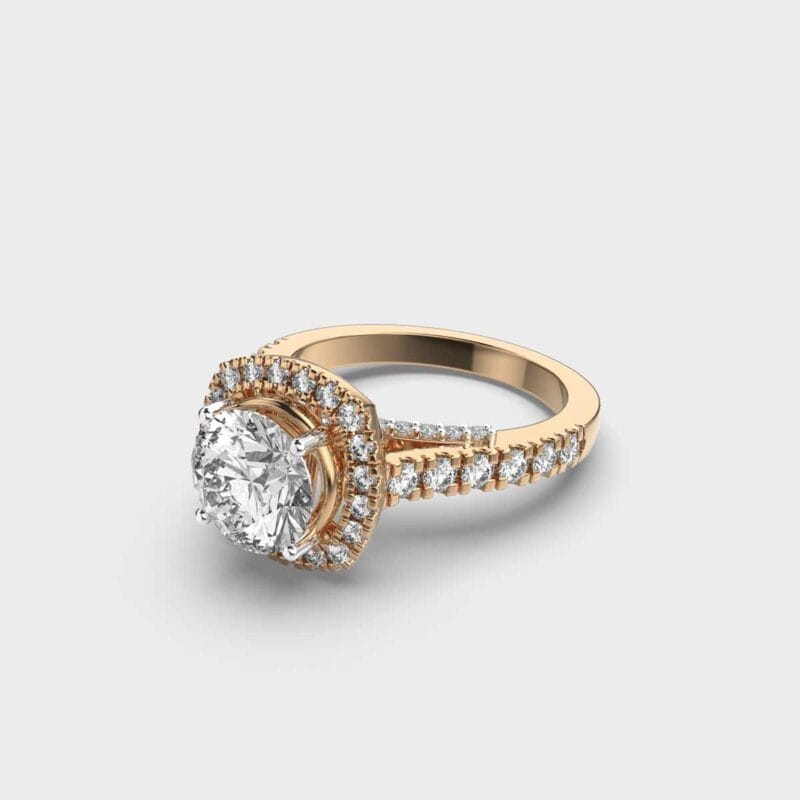
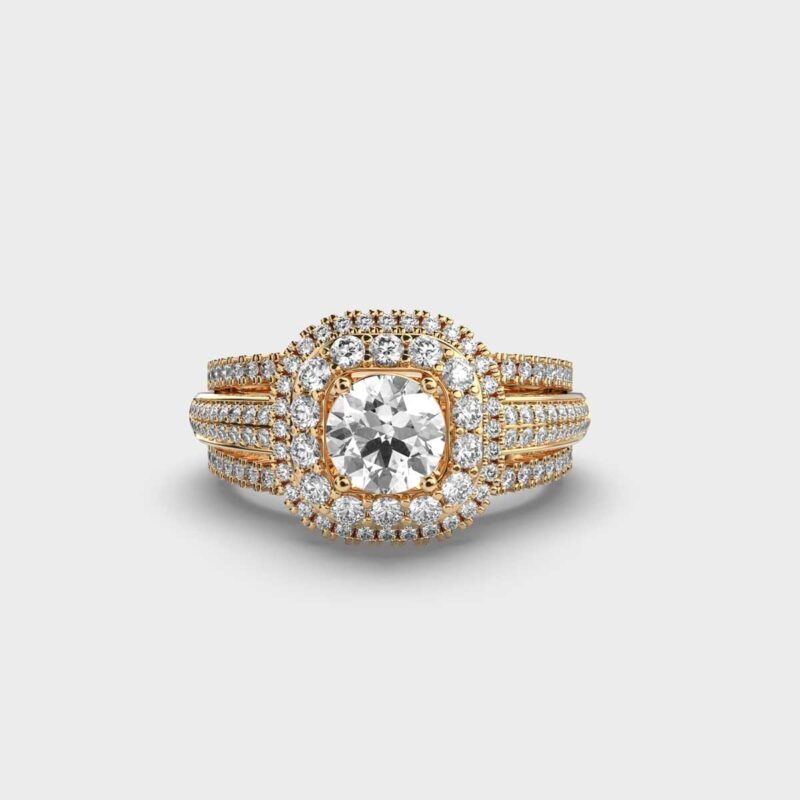
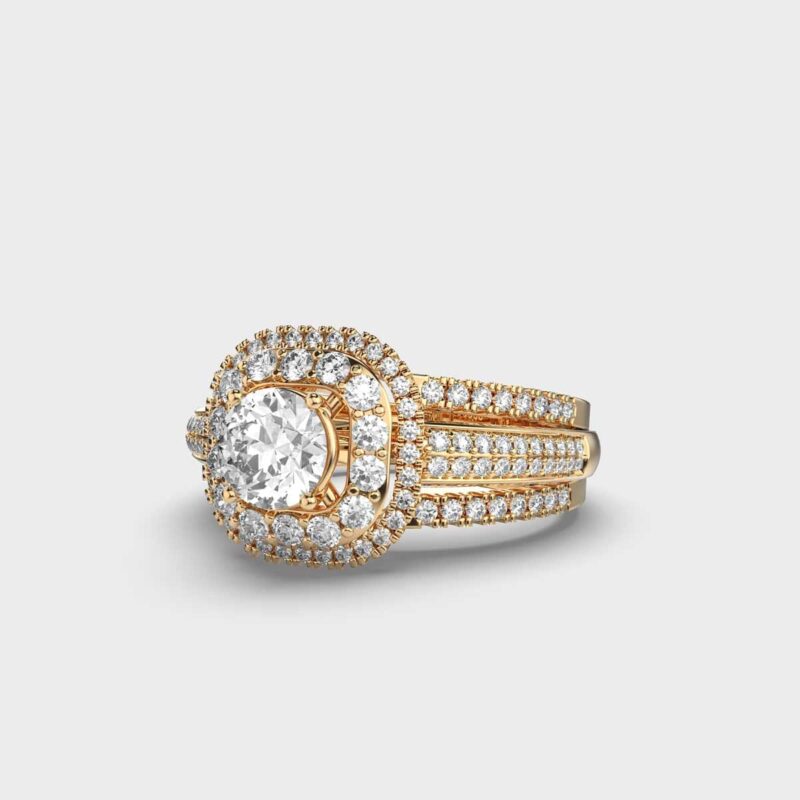
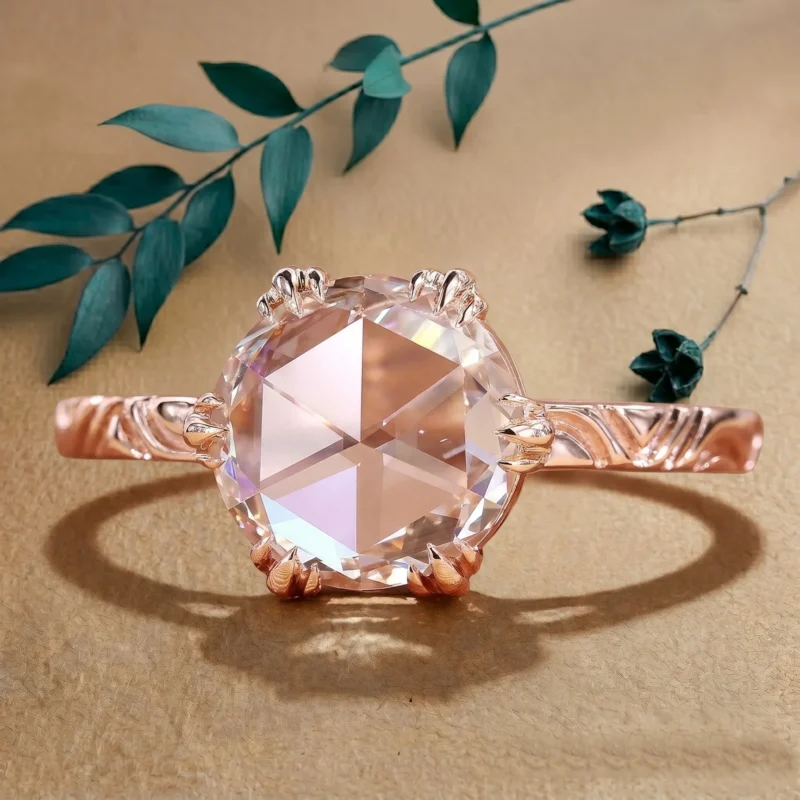
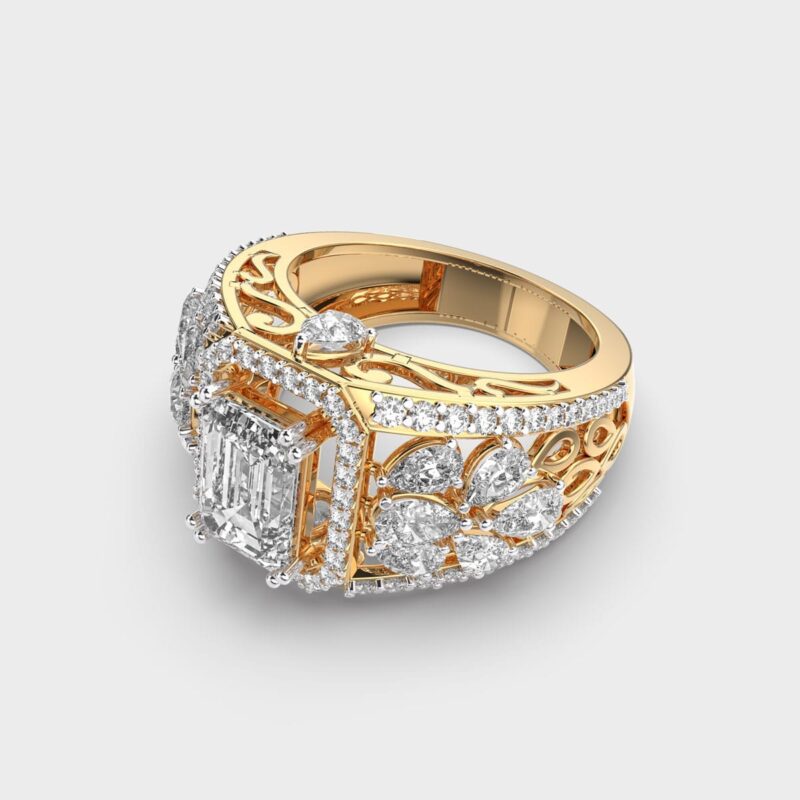
Showing 13–19 of 19 results
Discover Your Perfect Price
Filter by Stone Type and Metal to view accurate, variation-based pricing
Transparent, personalized, and effortless - explore designs that match your style, metal, and budget.
- Tip: Choose one stone type and one metal type to see your exact price.
- If prices seem off, just uncheck and re-apply your filters – the page will refresh with accurate pricing.
 1-to-1 Custom Design
Experience
 Craft Your Vision
Today with a 10% Starte
 HD video Preview
Before It Ships
 Fully Customizable
- Stone, Metal & Budget
 Choose Metal Tone:
Yellow, White or Rose Gold
 Handcrafted in Solid 10K · 14K · 18K
Gold, 925 Silver or 950 Platinum
 Select Your Stone Type:
 Lab-Grown Diamond or Moissanite
 Award winning
 craftmanship and detailing
 Hallmarked &
 Certified (IGI / SGL)
 Personalized Care &
 Expert Support
 Design Any Piece
Within Your Budget
1-to-1 Custom DesignExperience
Craft Your VisionToday with a 10% Starte
HD video PreviewBefore It Ships
Fully Customizable- Stone, Metal & Budget
Choose Metal Tone:Yellow, White or Rose Gold
Handcrafted in Solid 10K · 14K · 18KGold, 925 Silver or 950 Platinum
Select Your Stone Type: Lab-Grown Diamond or Moissanite
Award winning craftmanship and detailing
Hallmarked & Certified (IGI / SGL)
Personalized Care & Expert Support
Design Any PieceWithin Your Budget
Primira's
Real Reviews From Real Customers
Lifetime
Warranty
100% Money
Back Guarantee
Easy
Customization
7 Days
Return
14 Days
Exchange
Insured
shipping
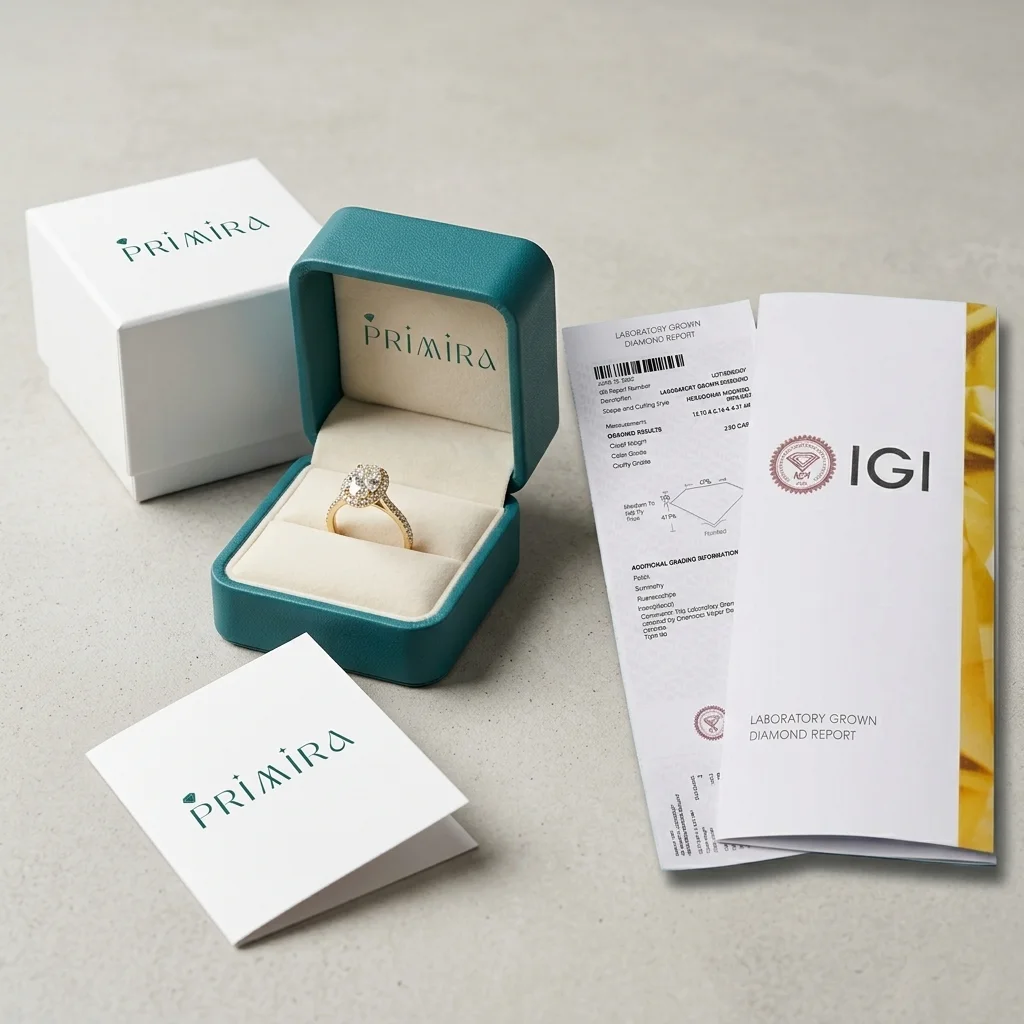
sustainable, beautiful packaging
Give your precious pieces a home they deserve with our stylish, soft-lined jewelry boxes made for effortless organization.
Read Our Article Behind Every Collection
Each design at Primira Luxury is handcrafted with precision, purpose, and emotion. From the first sketch to the final polish, our artisans turn your vision into a piece that feels personal, ethical, and timeless.
Read More
Vintage Cut Lab Grown Diamond Engagement Rings | Rose Cut, OEC, Old Mine & Portuguese
The light is different — and that’s the point
Modern brilliant-cut diamonds scatter light in every direction, creating the high-contrast sparkle most buyers picture when they think of a diamond ring. Vintage cuts — Rose Cut, Old European Cut, Old Mine Cut, and Portuguese Cut — don’t do that. They gather light and return it in broader, slower flashes: warmer, more intimate, closer to candlelight than to a spotlight.
This buyer isn’t here despite the softer sparkle — they’re here because of it.
The question vintage cut buyers actually carry into a search session isn’t “is this diamond good enough?” It’s “am I choosing something actually different, or is different just a way of saying less?” This page answers that directly — with the technical specifics of what makes each of these cuts what it is, what they look like in actual ring settings, and what to check before you order.
What makes vintage cuts technically distinct
Modern round brilliant diamonds are cut to a standardised geometry: 57 or 58 facets, table percentage 54–57%, depth 59–62.5%, crown angle 34–35°. That specification was developed in the early 20th century to maximise light return through the crown. Every competing priority — face-up size, depth of pavilion, how the stone sits in a setting — was subordinated to that one goal.
Vintage cuts predate this standardisation, or consciously reject it.
Rose Cut
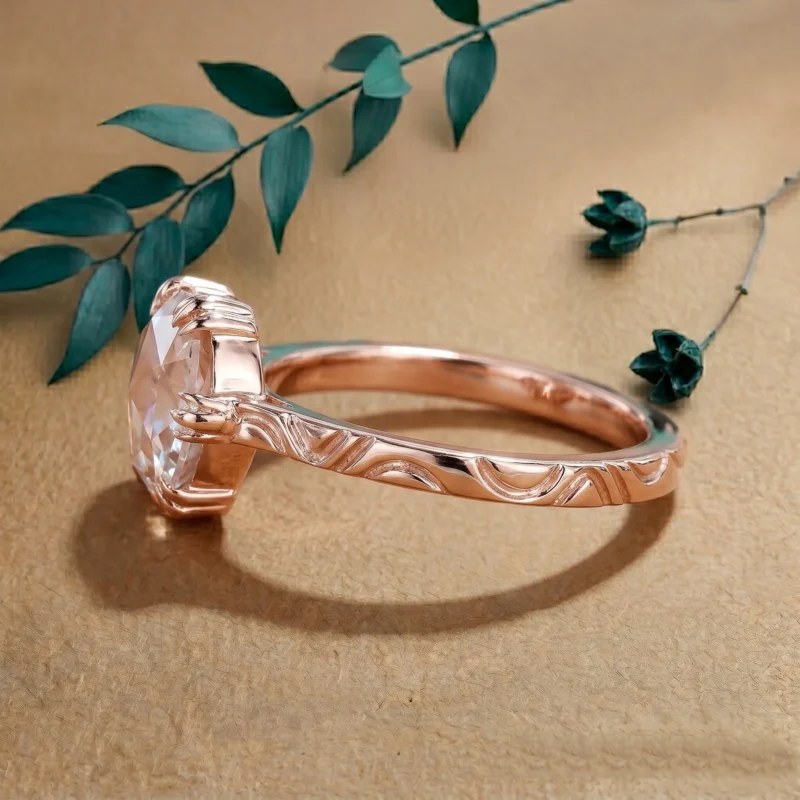
The oldest cut in Primira’s collection. Dating to the 16th century, a rose cut diamond has a flat base (no pavilion at all), a domed crown covered in triangular facets, and a total facet count that ranges from 3 to 24 depending on size and the cutter’s design. Because there’s no pavilion depth, every gram of carat weight sits in the face-up surface — a rose cut stone looks significantly larger than a brilliant of the same carat weight. That face-up spread, combined with its low profile, makes it one of the better choices for someone who wants a stone that sits close to the hand without a cathedral mount elevating it.
The light behaviour: slow, broad flashes, no sharp scintillation. Where a brilliant sends light back at you in discrete points, a rose cut diffuses it across the dome — a softer glow rather than a sparkle.
Setting requirement: Because rose cut stones have a flat base rather than a pointed pavilion, standard prong baskets designed for brilliant cuts won’t hold them correctly. The setting needs either a bezel (full or partial) that wraps the girdle perimeter, or a custom basket with a flat-bottomed seat. Open gallery wiring beneath the dome allows ambient light to enter from below the stone, which significantly improves the glow in lower-light conditions. This is a detail most retailers never mention, because most retailers aren’t cutting and setting these stones in the same facility.
Old European Cut (OEC)
The direct predecessor of the modern round brilliant, developed between roughly 1890 and 1930. An OEC is round in outline, but the internal geometry is the opposite of what a modern cut chases: small table, high crown, large open culet (the flat facet at the bottom of the pavilion), and 58 broader facets.
The large culet is the most visually distinctive feature — look through the table of an OEC and you’ll see a dark circle at the centre of the stone, which is the culet viewed face-on. That’s not a flaw; it’s how every diamond was cut before modern standardisation removed it. The high crown angle creates more internal refraction, which gives OEC diamonds their characteristic fire — coloured light flashes — rather than the white-light brilliance of a modern cut.
Setting consideration: The high crown of an OEC means it sits naturally higher off the shank than a low-profile modern brilliant. Cathedral and claw settings suit this geometry; bezel settings that work well for rose cuts will clip the crown profile of an OEC and reduce the fire. 6-prong settings provide better security for the higher crown without obscuring it.
Old Mine Cut
The predecessor of both OEC and the modern cushion. Old Mine cuts have a square-ish outline with rounded corners — closer to what we’d now call a cushion — along with the same high crown, small table, and large culet as an OEC, but with a different facet arrangement that produces a slightly more diffuse, even warmer light character. They were cut in an era when candlelight was the primary light source, and they perform best in warm-toned settings for that reason: 18K yellow gold amplifies the warmth; white metal cools the stone toward the greyer end of its character.
Proportion note: Old Mine cuts don’t conform to a standard length-to-width ratio. Each stone has an individual outline — part of what makes each stone one-of-a-kind. If you’re matching an Old Mine to a side stone or a specific band profile, the pre-production WhatsApp confirmation is where that alignment gets confirmed to actual measurements, not estimated from a standard spec.
Portuguese Cut
The most technically demanding cut Primira produces. Where a standard round brilliant has 57–58 facets, a Portuguese cut has 161 or more — each additional facet ring adding another layer of internal refraction, producing fire output that sits above any other cut in this family. This is a Surat-specialist cut. The faceting sequence requires a level of precision at the lapidary wheel that essentially doesn’t exist at scale outside of the cutting districts that developed the technique, and Surat is the primary active centre for that expertise globally.
The light from a Portuguese cut is maximally complex: simultaneous broad vintage glow and high-frequency colour flashes that a rose cut or OEC can’t produce. It reads vintage in character but performs above brilliant-equivalent cuts in fire. If you’ve seen a Portuguese cut stone in person and it looked unlike anything in a standard jeweller’s case, that’s why.
Setting note for Portuguese: The additional facet rings create a slightly deeper crown profile than a standard OEC. Low-gallery settings designed for rose cuts will fight this geometry. Open-prong settings or a high-set bezel that exposes the full crown work better. When specifying a Portuguese cut for a ring setting, Primira’s team confirms the exact crown height at the lapidary stage so the basket seat is cut to the stone, not the other way around.
Why Surat matters for vintage cuts specifically
Most pages that discuss vintage faceting treat it as a historical subject — here’s what these cuts looked like, here’s their era, here’s a famous wearer. That framing makes sense for dealers sourcing antique stones.
For lab grown vintage cuts, the question is different: can the cut actually be executed to historical specification, at modern tolerances, in a material that didn’t exist when the original cutting techniques were developed?
Surat’s cutting district has been faceting diamonds since the Mughal period — centuries before modern brilliant standardisation existed. The craft knowledge behind high-crown cuts, open culets, and irregular outline shaping is institutional here, not learned from a textbook. When Primira’s cutters produce a Portuguese at 161 facets or a rose cut with an open gallery seat, they’re drawing on techniques that have never left this district, applied to CVD and HPHT rough grown to the same Type IIa carbon structure as any mined diamond.
That’s the practical consequence of factory-direct: the stone cut here and the setting built here are designed around each other. There’s no disconnect between what a lapidary produced and what a separate manufacturer tried to fit it into.
Setting guidance for vintage cuts
Standard engagement ring settings are engineered around brilliant-cut proportions. Vintage cuts require different thinking across every setting variable.
Prong count and placement: 4-prong settings leave more of the stone visible, which matters for a rose cut or OEC where the crown geometry is part of what you’re looking at. 6-prong settings provide more security for high-crown stones, since the prongs can grip further down the crown face. For OEC and Old Mine cuts specifically, consider where the prongs will land relative to the facet junctions — a prong sitting across a facet boundary is less secure than one seated in a flat zone.
Basket seat depth: A rose cut’s flat base requires a seat cut flush to that base. A brilliant cut’s pavilion seat is useless for a rose cut — the stone will sit incorrectly and the prongs won’t contact the girdle properly. Getting the seat geometry right happens at the bench, before the ring is ever listed for sale.
Gallery construction: Open-gallery settings (where the space beneath the stone allows light entry from below) make a material difference to vintage cuts, particularly rose cuts and OEC. Closed or solid-back galleries block the ambient light that these stones rely on. Primira’s vintage ring settings are built with open galleries by default.
Metal tone: Yellow gold and rose gold warm the light character of OEC and Old Mine cuts, leaning into their natural fire. White gold and platinum cool the stone slightly — this is neither wrong nor right, but it shifts the visual register toward something more contemporary. Portuguese cuts tend to read well in both, because the fire volume is high enough to register strongly in any metal tone. For rose cuts, yellow gold enhances the glow; white metal can make a rose cut read a little flat in certain lighting.
Comparing vintage cuts: a practical decision guide
| Rose Cut | OEC | Old Mine | Portuguese | |
| Facets | 3–24 | 58 | 58 | 161+ |
| Outline | Round/oval/pear | Round | Squarish cushion | Round |
| Light character | Soft glow, diffuse | Warm fire, slow flash | Warm, diffuse | Complex: fire + glow |
| Profile height | Very low | High crown | High crown | Medium-high |
| Setting need | Flat-base seat, open gallery | Open claw or bezel | Open claw | Open prong, full crown exposure |
| Best metal | Yellow or rose gold | Yellow gold or platinum | Yellow gold | Any |
| Who it’s for | Minimal, low-profile wearer | Heirloom aesthetic, round stone | Maximum vintage character | Collectors, maximum fire |
If you’re deciding between an OEC and a rose cut: the OEC sits higher and performs better in dim settings because the high crown concentrates the fire upward. The rose cut sits flatter, works better for an active lifestyle, and shows a broader face-up surface for the same carat weight.
If you’re considering a Portuguese cut and want to understand how it differs from the OEC in a loose stone context — specifications, facet arrangement, how to evaluate one on paper — the specialty cut lab grown diamond page covers all of that at a depth this page doesn’t need to replicate.
For anyone comparing a vintage cut against a modern solitaire, the solitaire lab grown diamond engagement ring page covers modern brilliant proportions in detail — it’s the factual baseline the vintage cuts are departing from.
Custom vintage cut engagement rings
Vintage cuts are, by definition, individual. Unlike a round brilliant where ideal-cut proportions are a standardised spec, a rose cut at 18 facets is a design decision, not a default. The crown height on an OEC, the exact culet diameter on an Old Mine, the facet ring count on a Portuguese — these are all variables that get confirmed between Primira’s lapidary team and the person ordering the ring.
The process: every order triggers a WhatsApp and email confirmation within 24 hours of placement. For vintage cut rings, that confirmation goes through the cut specification, the basket seat design, the gallery construction, the carat weight, the setting metal and tone, and the ring size. Production doesn’t start until every variable is confirmed in writing. IGI certification is available on request for all certified stones; Portuguese and OEC cuts may carry individual stone reports where the unusual faceting geometry is documented.
One genuine custom capability: if you have a reference photograph — of an antique family ring, a historical example, a specific setting style — send it. Primira’s lapidary team can assess whether a specific cut outline, crown angle, or facet arrangement is achievable, and what the production timeline looks like. This isn’t a customer service response; it’s a cutting facility assessing a technical specification.
Production runs 15–35 business days from confirmed specifications. For complex Portuguese cuts or unusual rose cut outline shapes, allow up to 45 business days for sourcing and cutting coordination.
Care and daily wear
Vintage cuts carry structural considerations that standard brilliant engagement ring care guides don’t cover.
Rose cuts: The flat base and low crown profile make rose cuts less prone to the chip-at-the-point risk that pear and marquise buyers face. However, the bezel or flat-seat prong basket must be checked annually — a loose bezel that allows any sideways movement will expose the girdle edge to impact. Ultrasonic cleaning is generally fine, but confirm the setting type is fully closed before putting the ring in a cleaner.
OEC and Old Mine: The high crown creates a slightly higher snag risk than a low-profile setting. These stones are not fragile — lab grown diamonds have the same hardness as any diamond — but the prong positioning matters. A prong that has shifted across a facet boundary (rather than sitting in a flat zone) will feel different when you run a fingernail across the setting. Annual setting checks are worth building into the routine.
Portuguese cut: The 161+ facet surfaces have no structural vulnerability that a standard brilliant doesn’t share. The setting’s open-prong architecture is the thing to watch — open prongs can catch on fabric more easily than a bezel or channel. For daily wear, a four-prong open-claw setting on a Portuguese cut is normal; check prong tips annually.
Frequently asked questions
Does a vintage cut diamond sparkle less than a modern brilliant?
Not less — differently. A round brilliant maximises scintillation: rapid, high-contrast light return from 57–58 precisely angled facets. A rose cut or OEC returns light in slower, broader, warmer flashes — the effect you see in candlelight rather than under LED ceiling fixtures. Neither is an objective improvement on the other. Modern LED lighting slightly favours brilliant cuts in terms of scintillation; ambient and warm-toned lighting slightly favours vintage cuts. If the ring is going to be worn daily in standard office lighting, a Portuguese cut will still produce strong fire. A rose cut will be subtler. That’s an aesthetic preference, not a quality gradient.
How is a lab grown vintage cut diamond different from an antique vintage cut?
The faceting geometry is the same — same crown angles, same culet specifications, same outline. The material is Type IIa carbon grown in a controlled environment rather than mined, which means it starts as rough without the inclusions, colour tints, or surface damage common in antique stones. A lab grown OEC can be cut to historical specification and achieve a higher clarity grade than most antique OECs, which were often cut around natural inclusions. IGI certification documents the cut, colour, and clarity of each stone independently.
What setting style works best for a rose cut diamond ring?
A bezel setting (full or partial) and flat-seat claw baskets are the two correct approaches. A standard brilliant-cut prong basket has a pointed seat designed for a pavilion — it won’t hold a rose cut correctly. The open gallery beneath the stone is important: ambient light entering from below is what gives rose cuts their characteristic glow. Settings that close off the underside of the stone reduce that significantly. At the WhatsApp confirmation stage, Primira’s team confirms the seat geometry and gallery construction before production starts.
Can a Portuguese cut lab grown diamond be IGI certified?
Yes. IGI certifies unusual and specialty cuts, including Portuguese. The report documents cut quality, colour, and clarity, and the report number is laser-inscribed on the girdle. Because Portuguese cuts don’t conform to IGI’s standard brilliant cut grading parameters, the cut assessment differs from a standard round brilliant report — this is worth confirming at the order stage so the report accurately reflects what was cut. Third-party certification adds 3–10 business days to the production timeline.
Are vintage cut engagement rings suitable for daily wear?
Yes, with appropriate setting choices. Lab grown diamonds have the same hardness (10 on the Mohs scale) as mined diamonds — the stone itself is not a concern. The setting is the daily-wear variable. Rose cuts in bezel settings are among the most practical engagement ring formats for active lifestyles — no prong tips, no elevated stone to catch on surfaces. OEC and Old Mine cuts in open-claw settings require slightly more care than a flush bezel, but are entirely appropriate for daily wear with annual setting checks.
What does “open gallery” mean in a vintage cut setting?
The gallery is the structural framework beneath the stone, between the girdle and the band. In a brilliant-cut setting, the gallery can be partially or fully closed without much optical cost because the stone’s light return is primarily through the crown. In rose cut and OEC settings, an open gallery — where the space beneath the stone allows light to enter from the sides and below — meaningfully improves the stone’s appearance in ambient light. Primira’s vintage ring settings are built with open galleries as the default.
Trust and ordering
Every vintage cut ring at Primira is made to order. Within 24 hours of placing your order, the Surat team contacts you by WhatsApp and email to confirm the exact specification before a single cut is made: stone carat, cut type (rose, OEC, Old Mine, Portuguese), colour grade, clarity, basket seat design, gallery construction, metal tier, metal tone, finish, and ring size.
Certified lab grown diamonds are stocked to VVS1–VS2 clarity, D–I colour, and Ideal/Excellent/Very Good cut grades. All shipments are insured from the Surat facility to delivery confirmation — international express shipping (DHL/FedEx/UPS) is available, and complimentary on orders above USD $550. The 7-day return window applies where a delivered product differs materially from confirmed specifications.
If you have a reference image — an heirloom stone you want replicated, a historical example, or a specific setting detail — send it via WhatsApp at +91 9510640173. The lapidary team can assess it technically and confirm what’s achievable before you commit.
Browse the full engagement ring collection or explore the other styles: solitaire, halo, three stone, and toi et moi.
 Chat on WhatsApp