
Primira Luxury Blog
“Jewelry is more than an accessory; it’s a timeless tale waiting to be told.”
“Like a well-crafted gem, true beauty comes from within. Let your jewelry amplify it.”


Showing the single result
- ₹15,764 – ₹65,856Price range: ₹15,764 through ₹65,856
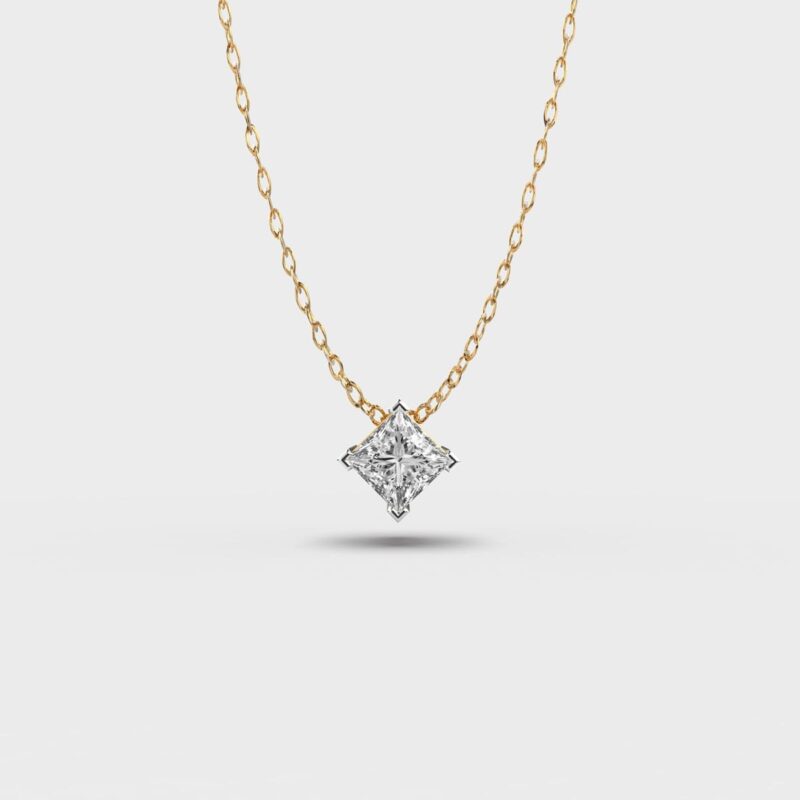

Showing the single result
Discover Your Perfect Price
Filter by Stone Type and Metal to view accurate, variation-based pricing
Transparent, personalized, and effortless - explore designs that match your style, metal, and budget.
- Tip: Choose one stone type and one metal type to see your exact price.
- If prices seem off, just uncheck and re-apply your filters – the page will refresh with accurate pricing.
 1-to-1 Custom Design
Experience
 Craft Your Vision
Today with a 10% Starte
 HD video Preview
Before It Ships
 Fully Customizable
- Stone, Metal & Budget
 Choose Metal Tone:
Yellow, White or Rose Gold
 Handcrafted in Solid 10K · 14K · 18K
Gold, 925 Silver or 950 Platinum
 Select Your Stone Type:
 Lab-Grown Diamond or Moissanite
 Award winning
 craftmanship and detailing
 Hallmarked &
 Certified (IGI / SGL)
 Personalized Care &
 Expert Support
 Design Any Piece
Within Your Budget
1-to-1 Custom DesignExperience
Craft Your VisionToday with a 10% Starte
HD video PreviewBefore It Ships
Fully Customizable- Stone, Metal & Budget
Choose Metal Tone:Yellow, White or Rose Gold
Handcrafted in Solid 10K · 14K · 18KGold, 925 Silver or 950 Platinum
Select Your Stone Type: Lab-Grown Diamond or Moissanite
Award winning craftmanship and detailing
Hallmarked & Certified (IGI / SGL)
Personalized Care & Expert Support
Design Any PieceWithin Your Budget

Primira's
Real Reviews From Real Customers
Lifetime
Warranty
100% Money
Back Guarantee
Easy
Customization
7 Days
Return
14 Days
Exchange
Insured
shipping
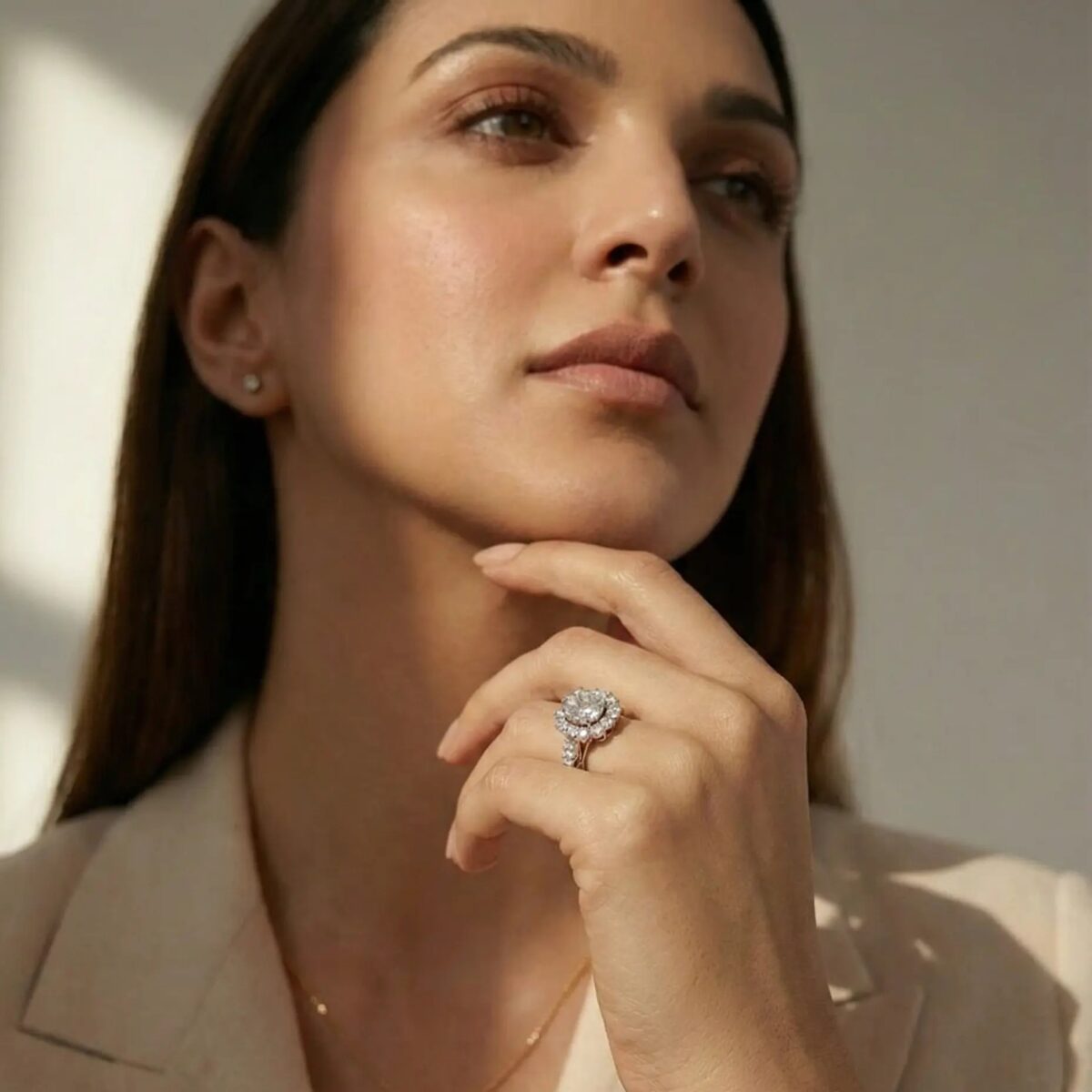
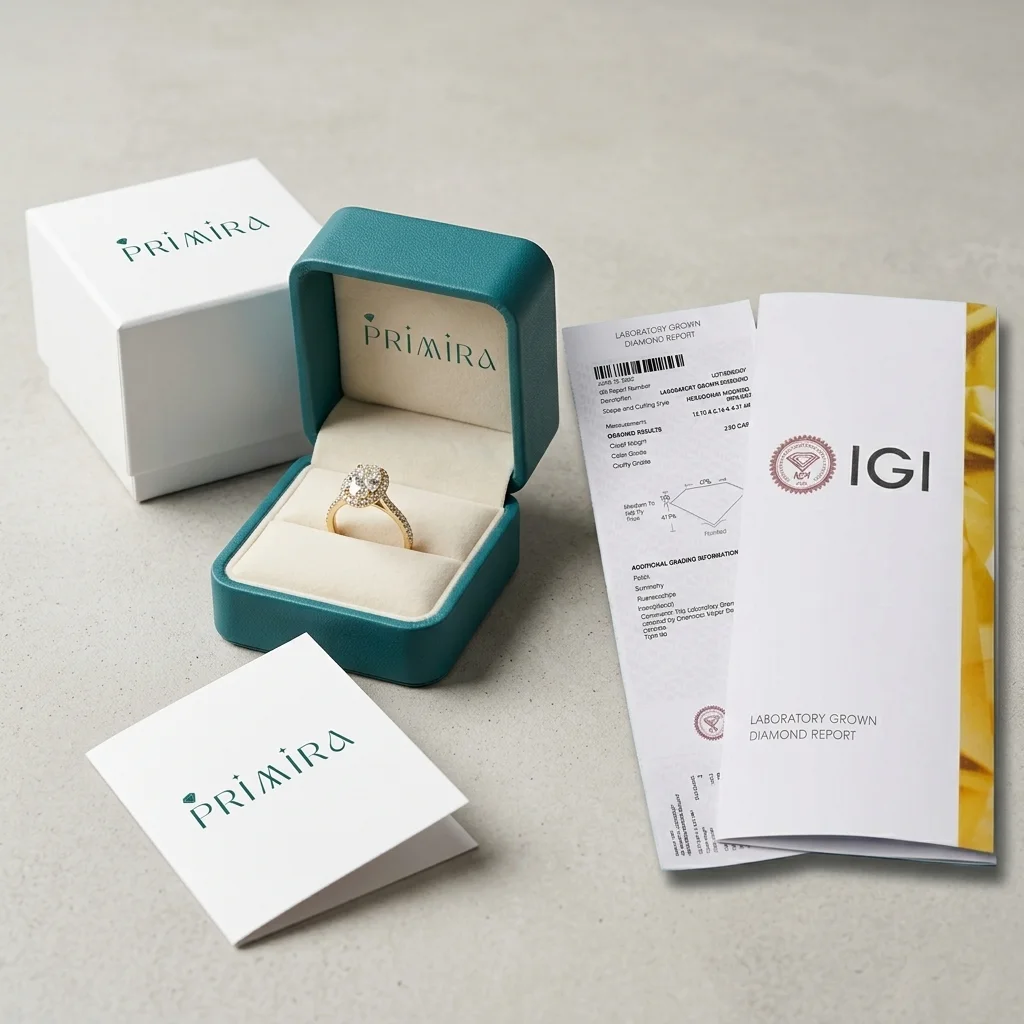
sustainable, beautiful packaging
Give your precious pieces a home they deserve with our stylish, soft-lined jewelry boxes made for effortless organization.
Read Our Article Behind Every Collection
Each design at Primira Luxury is handcrafted with precision, purpose, and emotion. From the first sketch to the final polish, our artisans turn your vision into a piece that feels personal, ethical, and timeless.
Read More
Lab Grown Diamond Necklaces — Tennis, Chain & Complete Styles
“Diamond necklace” is one search query that means four different things depending on who’s typing it.
A buyer in India is almost certainly looking for a pendant — a hanging stone on a chain, meant for daily wear or gifting. If that’s you, the lab grown diamond pendant collection is the right starting point; Primira’s pendant range covers solitaire, cluster, personalised, religious, and men’s styles with bail engineering and chain-length confirmation handled before production begins.
A buyer searching from the USA or Europe, or anyone in India looking for a statement piece for a special occasion, is more often thinking of a complete necklace — diamonds set directly into the structure of the piece, not a hanging element on a separate chain. That’s what this page covers: tennis necklaces, chain necklaces, and choker styles where the diamond setting and the structure of the necklace are the same object.
A third buyer is shopping for a chain necklace where the design and the adjustability are the point, with lab grown diamond accents as part of that design.
If any of those descriptions match what you’re looking for, you’re in the right place. If you arrived here looking for a pendant, the pendant collection is one click away. If you’re looking for a traditional Indian wedding necklace with black bead construction and a diamond pendant, that’s the mangalsutra collection — it’s a separate category, not nested under necklaces.
What Makes a Necklace Different from a Pendant
The distinction matters practically, not just semantically.
A pendant is a separate piece that hangs from a chain via a bail. The chain and the pendant are two independent components — you can swap the pendant, replace the chain, or adjust the length independently. A complete necklace is a unified structure: the diamonds are set into the body of the piece itself. There is no separate hanging element. The design and the chain are the same object.
This difference affects how the piece is made, what the quality variables are, and what you confirm before production begins.
For a pendant, the critical variables are the bail’s weight-bearing capacity and anti-flip balance point relative to the stone, and the chain’s gauge relative to the pendant’s weight. For a complete necklace, the critical variables are stone uniformity across the full length, clasp engineering under the load of continuous-stone weight, and the necklace’s own structural flexibility — whether the setting moves with the body or sits rigidly and stresses the joints.
Primira makes both. The collections below cover complete necklace styles only.
The Three Necklace Styles — Which One You’re Actually Shopping For
Tennis Necklaces
A continuous line of lab grown diamonds set closely together, running the full circumference of the necklace. No chain visible between stones. The design is the diamonds.
Tennis necklaces are primarily bought in the USA and Europe, and for good reason — they’re calibrated for occasion wear, formal events, and milestone anniversaries rather than daily rotation. Total carat weight ranges from around 5ct for delicate styles to 15ct+ for statement pieces. The stones are uniform in size and matched in colour and clarity, which is what gives a tennis necklace its visual continuity. Any variation between adjacent stones — even half a colour grade difference — becomes visible when worn in a continuous line under consistent lighting.
This is the same manufacturing precision challenge as a tennis bracelet, at necklace scale. The clasp engineering also works differently here than on a pendant chain: a box clasp with double safety lock distributes the tension load across a wider surface area. On a continuous-stone setting, the clasp isn’t just the closure mechanism — it’s load-bearing for the entire weight of the piece. A spring-ring clasp, adequate for a lightweight pendant chain, isn’t the right specification for a 10ct tennis necklace.
→Lab grown diamond tennis necklaces
Chain Necklaces
Diamond-set chain necklaces are the middle category — not a continuous line of stones (tennis), not a pendant on a plain chain, but a designed chain where the diamond accents are part of the link architecture itself. Adjustable slider bolo assemblies, geometric link styles with pavé-set surfaces, station necklaces with spaced diamond points.
The key variable here is length adjustability. A fixed-length tennis necklace is sized and stays there. A chain necklace with an adjustable slider can be worn at multiple lengths across different necklines and outfits, which is what makes it the most versatile of the three styles.
→Lab grown diamond chain necklaces
Choker Necklaces
A choker sits at the base of the neck — typically 14 to 16 inches. The shorter length changes the visual register entirely: the piece reads as structural rather than hanging, which is why chokers work as statement pieces at a lower total carat weight than tennis necklaces. A 2–3ct choker at 14 inches reads bolder than a 5ct tennis necklace at 18 inches, because proximity to the face changes perceived presence.
Choker designs come in both rigid (fixed-form metal, no flexibility) and flexible (linked-section) constructions. The fit variable is more critical here than at any other necklace length — a few millimetres of neck clearance determines whether a choker sits correctly or digs in.
→Lab grown diamond choker necklaces
Stone Quality for Necklaces — Where the 4Cs Work Differently
The 4Cs apply to lab grown diamond necklaces the same way they apply to every other diamond piece, but the relative priority shifts at necklace-wearing distance.
Cut: Still the most important variable for brilliant-cut stones in solitaire pendants, but for a tennis necklace, the individual stone’s cut grade matters less than cut consistency across the full parcel. If one stone in a tennis necklace has a slightly different light-return profile because its proportions differ from its neighbours — even within an acceptable cut grade range — that stone will look visually distinct in the line. Parcel matching by cut consistency is a more relevant specification here than individual cut-grade ceiling.
Colour: At necklace-wearing distance, a G-H colour grade is indistinguishable from D-F to the naked eye when stones are under 0.50ct. This matters practically: it means lab grown diamond necklaces can deliver more total carat weight at G-H without any visible compromise. Primira stocks D-F colorless (primary) and G-H-I near-colorless (value tier). For a continuous-stone tennis necklace, all stones in the parcel are matched to the same colour grade rather than mixed.
Clarity: Even more forgiving than colour at necklace distance. VS2 is indistinguishable from VVS1 when stones sit against the neck rather than at close inspection range. Primira’s clarity floor (VVS1 to VS2, all eye-clean, no SI2 stocked) means every stone in every necklace sits well above the threshold where inclusions would be visible at wearing distance.
Carat: The right total carat weight depends on the necklace type. A solitaire pendant: 0.25ct to 1.5ct is the practical daily-wear range. A tennis necklace: 5ct to 10ct total weight covers most buyers. A choker: 1ct to 4ct total carat weight reads distinctly at the shorter length. Custom-order stones up to 10ct+ are available on confirmed specification.
Chain Gauge and Why It Matters More Than Most Buyers Realise
For pendant-chain necklaces, the chain gauge — the thickness and weight of the chain per unit length — has to be calibrated against the weight of the pendant stone and setting. A chain that’s too fine for the stone it carries will flex and rotate under the pendant’s weight, causing it to flip or sag to one side. A chain that’s too heavy for the stone overwhelms it visually and shifts the balance point so the pendant migrates rather than hanging centred.
This calibration is a production-level decision, not a styling choice. A factory that produces both the chain and the setting can calibrate the two against each other before dispatch. A retailer assembling from separate suppliers — selecting a finished pendant from one catalogue and a chain from another — is working with whatever the two manufacturers happened to build to their own standard specifications.
Primira’s necklace chain lengths are confirmed at the pre-production WhatsApp stage, along with pendant weight and bail type where applicable. Standard chain lengths: 14 inches (choker), 16 inches (collarbone), 18 inches (standard, most popular — rests just below the collarbone), 20 inches (chest), 22–24 inches (lower chest, longer layering lengths). Custom lengths available on order.
2026 Trend: Layering and the Necklace Stack
The strongest category trend in lab grown diamond necklaces through 2026 is layering — specifically, combining a diamond tennis necklace at collarbone height with a lighter chain necklace or pendant at a longer length, creating dimension rather than competing for attention at the same position.
The technique works because the two pieces serve different visual functions. The tennis necklace at 16–18 inches provides continuous sparkle as a horizontal register. A longer chain necklace or solitaire pendant at 20–22 inches adds a vertical focal point that draws the eye downward. The two pieces don’t duplicate — they compose.
This is also where chain necklace design matters: a bold link-geometry chain at 20 inches reads as its own statement piece alongside a delicate tennis necklace, rather than disappearing. A fine box chain at the same length disappears visually, which may or may not be what you want depending on the pendant.
The chain necklace styles and tennis necklaces are both designed with layering compatibility in mind.
Stone and Metal Options
Every Primira necklace is available with either a certified lab grown diamond or hand-cut moissanite, selected at checkout via the Stone Type attribute.
Lab grown diamonds: VVS1 to VS2 clarity, D-F colorless or G-H-I near-colorless, Ideal/Excellent/Very Good cut only. IGI certified. CVD and HPHT both available. No Good or Fair cuts stocked.
Moissanite: Hand-faceted by Surat cutters — not machine-cut generic stock. Refractive index 2.69 produces high optical fire; hand-faceting controls the facet geometry to avoid the over-saturated rainbow effect common in machine-cut stones. D-E-F equivalent colorless, VVS clarity.
Metals: 14K gold (yellow, white, or rose) is the standard for most necklace styles — the optimal balance of gold content and tensile strength for daily-wear and occasional pieces alike. 18K gold for richer colour in statement pieces and yellow-gold designs. 950 Platinum is available for any style where stone security and maximum weight are priorities. All gold tones in High Polish (default), Satin, or Matte finishes.
Surat processes approximately 90% of the world’s rough diamonds. The stones in every Primira necklace are cut a few kilometres from where they’re set — which means chain gauge relative to stone weight is calibrated at the same bench, not across two separate suppliers on different continents.
Necklace Care — What Actually Needs Attention
Lab grown diamonds have the same hardness (10 on the Mohs scale) and optical properties as mined diamonds — they won’t cloud, fade, or degrade. What does need attention is the structural integrity of the necklace over time.
Tennis necklaces: The clasp mechanism is the most vulnerable point. A double-safety box clasp should be inspected every 12–18 months of regular wear — the safety lever can wear without being visually obvious. The stone prongs or channel settings along the length should also be checked for any loosening, particularly at the clasp-adjacent stones where tension concentrates.
Chain necklaces: Solid-gauge chains are significantly more durable than hollow or cable-filled chains. Store coiled loosely, not tangled with other pieces — chain-on-chain abrasion over time wears plating faster than regular wear does.
Chokers: The shorter length means more movement per inch when you turn your head. Flexible choker segments handle this naturally. Rigid choker bands need careful sizing at order time — there’s less room for adjustment than at longer lengths.
All styles: Care requirements differ by construction type — what matters for a tennis necklace’s 100+ individual prong settings is different from what matters for a choker’s inner surface contact zone or a chain necklace’s link junction points. The specific maintenance notes for each are on the relevant sub-page.
Ordering — What Gets Confirmed Before Production
Every Primira necklace order follows the same pre-production confirmation process, regardless of whether it’s an in-stock design or a custom specification:
Within 24 hours of order placement, the Surat team contacts you via WhatsApp and email to confirm the full specification before production begins. For necklaces specifically, the confirmation covers: stone carat, colour grade, clarity, metal tier and tone, chain length, and clasp type. Custom-length orders and alternative chain gauges are available at this stage — not after production has started.
Production takes 15–35 business days after specification is confirmed. Certified loose lab grown diamonds already in inventory dispatch within 48 hours of order confirmation.
IGI certification is available on request for set necklace pieces, adding 3–10 business days for lab processing. Loose lab grown diamond stones come IGI certified by default — each stone’s report number is laser-inscribed on the girdle and verifiable at igi.org.
Shipping: Every shipment is insured from the Surat facility to delivery confirmation. Free shipping within India on orders above ₹10,000. Free international express shipping (DHL/FedEx/UPS, 5–7 business days) on orders above USD $550 — most tennis necklaces and heavier chain styles exceed this threshold. Standard international shipping is included on all orders.
Returns: If the piece delivered doesn’t match the confirmed specification, a 7-day return window applies from delivery. The pre-production WhatsApp confirmation exists precisely to prevent specification mismatches before anything is made.
If a necklace isn’t quite right after delivery, the buyback programme offers a structured alternative to returns — value assessed at invoice amount minus making charges and processing fees, original certification required.
Frequently Asked Questions
What is the difference between a diamond necklace and a diamond pendant?
A pendant is a decorative element that hangs from a chain via a bail — it’s a separate component, not part of the chain itself. A necklace is a complete piece where the diamonds are set directly into the structure: think tennis necklace, where the diamonds are the chain, or a choker where the design runs continuously around the neck. Primira’s pendant collection covers hanging-stone styles; this page covers complete necklace styles.
How many carats should a diamond necklace have?
It depends on the style. A solitaire pendant necklace in the 0.25ct to 1ct range is the standard daily-wear bracket. A tennis necklace typically runs 5ct to 10ct total weight across the full length. A choker’s shorter length means 1ct to 4ct reads distinctly. For custom orders, any carat specification is available on confirmation — the pre-production WhatsApp stage is where this gets finalised to your exact specification.
Is a lab grown diamond necklace durable enough for daily wear?
Lab grown diamonds score 10 on the Mohs hardness scale — identical to mined diamonds, the maximum rating. The stone will not scratch, cloud, or degrade. What determines daily-wear durability is the structural engineering of the setting and clasp, not the stone. Chain necklaces in solid-gauge gold and tennis necklaces with a double-safety box clasp are both designed for regular wear; a delicate choker in a rigid frame requires slightly more care because of the movement load at the shorter length.
What chain length should I choose for a diamond necklace?
The most versatile length for most necklace styles is 18 inches — it rests just below the collarbone and works with a wide range of necklines. 16 inches sits at the collarbone (more structured, reads like a choker on some neck types). 20 to 22 inches falls on the chest and works well for layering with a shorter necklace. Primira offers custom chain lengths confirmed at the pre-production WhatsApp stage, so if your neckline preference differs from the listed standard, it can be adjusted before production.
What is a tennis necklace, and who is it for?
A tennis necklace is a continuous line of diamonds set tightly together across the full length of the necklace — no visible chain between stones. The diamonds are the necklace. It’s a statement piece rather than a daily-wear piece for most buyers, typically worn for formal occasions, celebrations, or milestone events. Total carat weight ranges from around 5ct for lighter styles to 15ct+ for bolder pieces. It’s primarily bought in the USA and Europe but increasingly popular globally. The tennis necklace collection covers all specifications in detail.
Can I order a custom length or specification for a necklace?
Yes. Custom chain length, carat weight, stone colour and clarity grade, metal tier and tone, and clasp type are all available on specification. Once you place an order, the Surat team contacts you within 24 hours via WhatsApp to confirm these details before production begins. Reference photos for custom designs are accepted at that stage.

 Chat on WhatsApp