
Primira Luxury Blog
“Jewelry is more than an accessory; it’s a timeless tale waiting to be told.”
“Like a well-crafted gem, true beauty comes from within. Let your jewelry amplify it.”


Showing 205–216 of 228 results
- ₹51,430 – ₹99,563Price range: ₹51,430 through ₹99,563
- ₹18,077 – ₹80,174Price range: ₹18,077 through ₹80,174
- ₹19,717 – ₹83,321Price range: ₹19,717 through ₹83,321
- ₹13,753 – ₹58,745Price range: ₹13,753 through ₹58,745
- ₹13,129 – ₹51,100Price range: ₹13,129 through ₹51,100
- ₹20,953 – ₹102,395Price range: ₹20,953 through ₹102,395
- ₹31,208 – ₹170,126Price range: ₹31,208 through ₹170,126
- ₹50,973 – ₹292,309Price range: ₹50,973 through ₹292,309
- ₹19,926 – ₹96,272Price range: ₹19,926 through ₹96,272
- ₹25,930 – ₹136,651Price range: ₹25,930 through ₹136,651
- ₹16,808 – ₹76,520Price range: ₹16,808 through ₹76,520
- ₹22,237 – ₹109,664Price range: ₹22,237 through ₹109,664
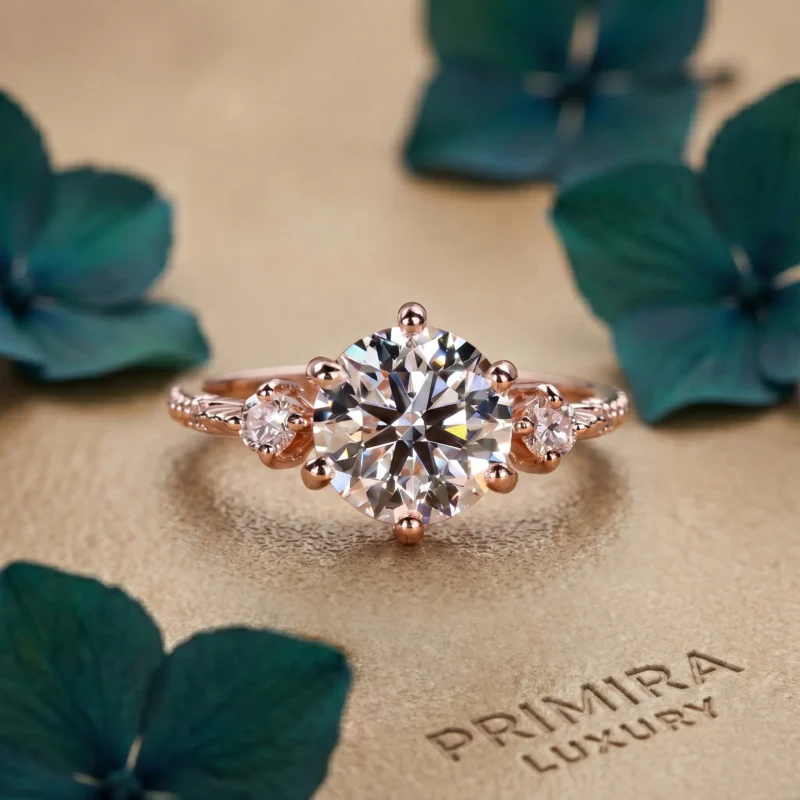
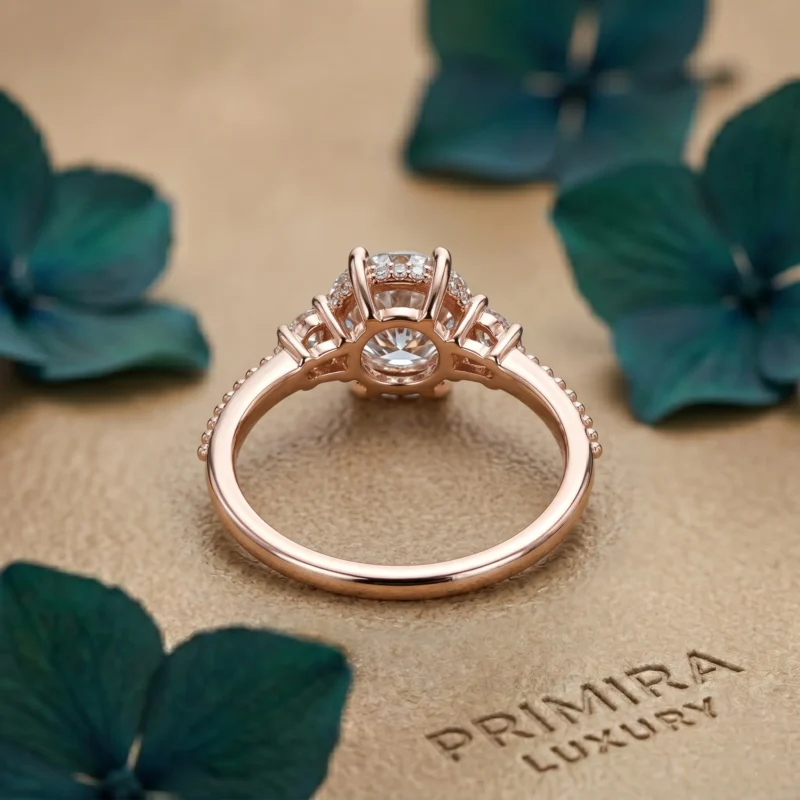
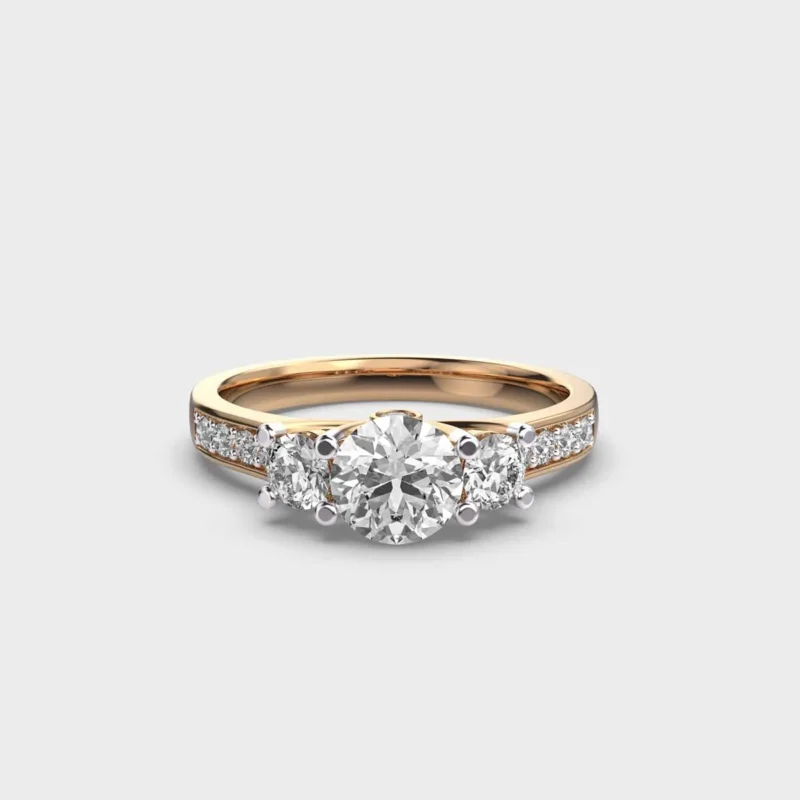
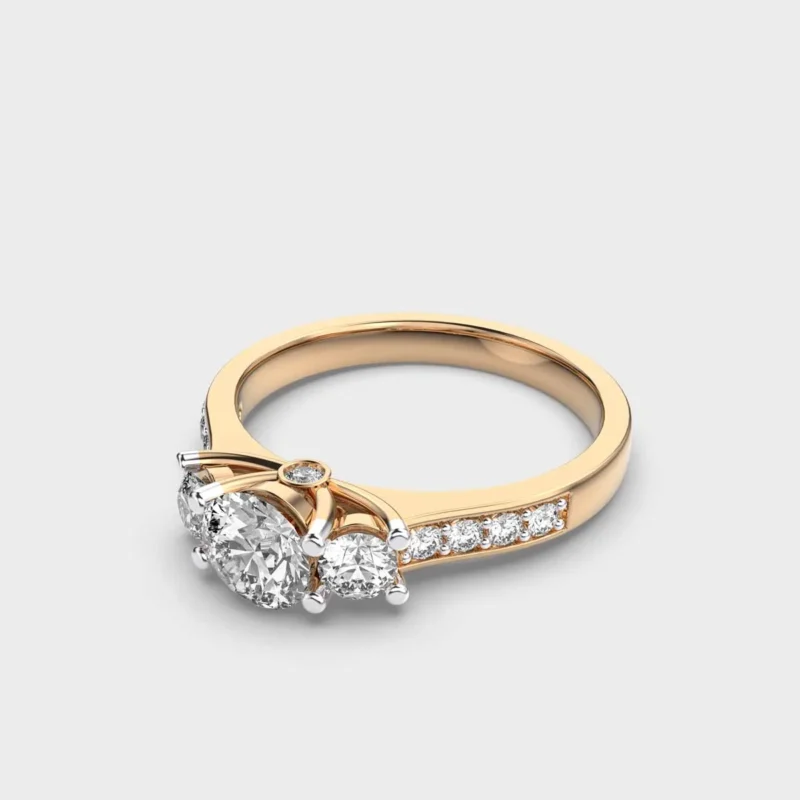
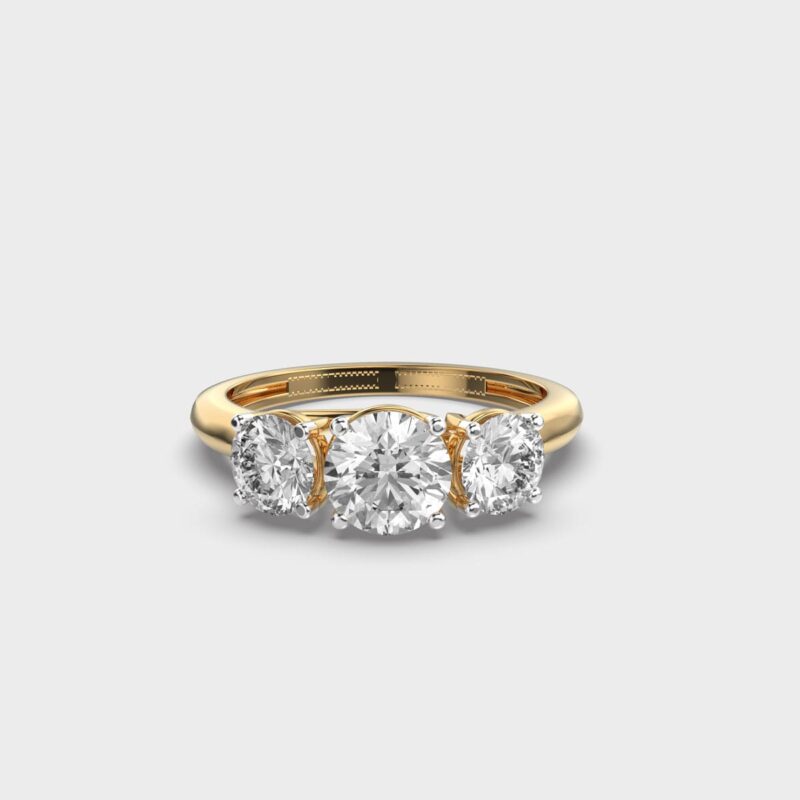
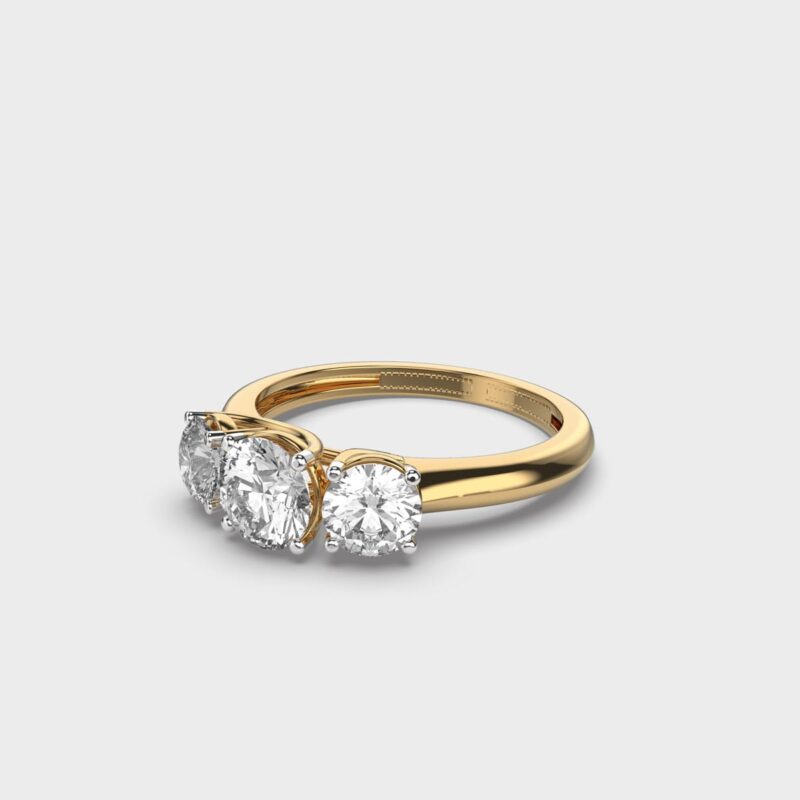
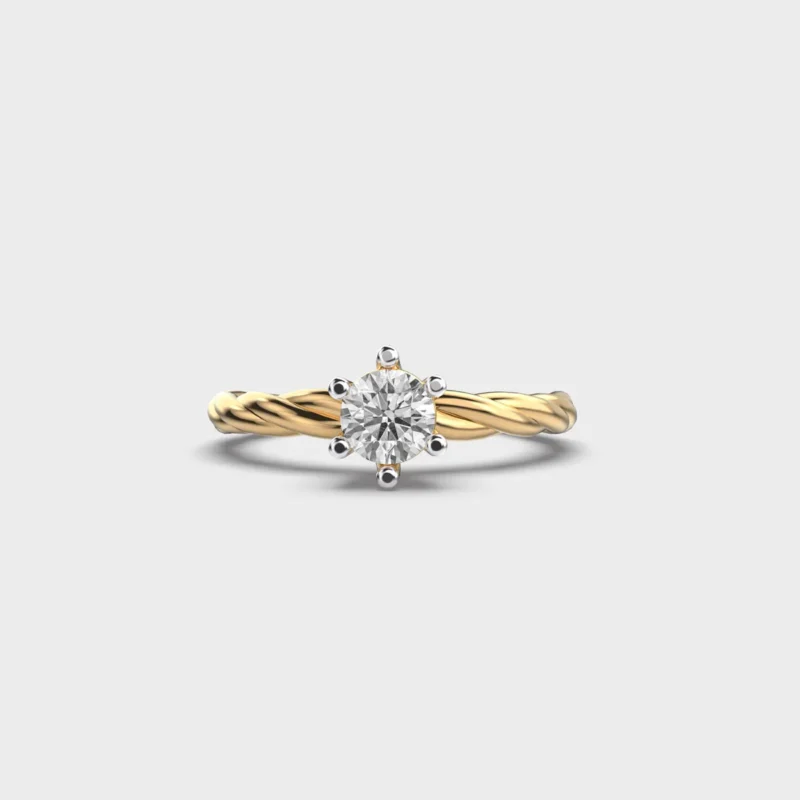


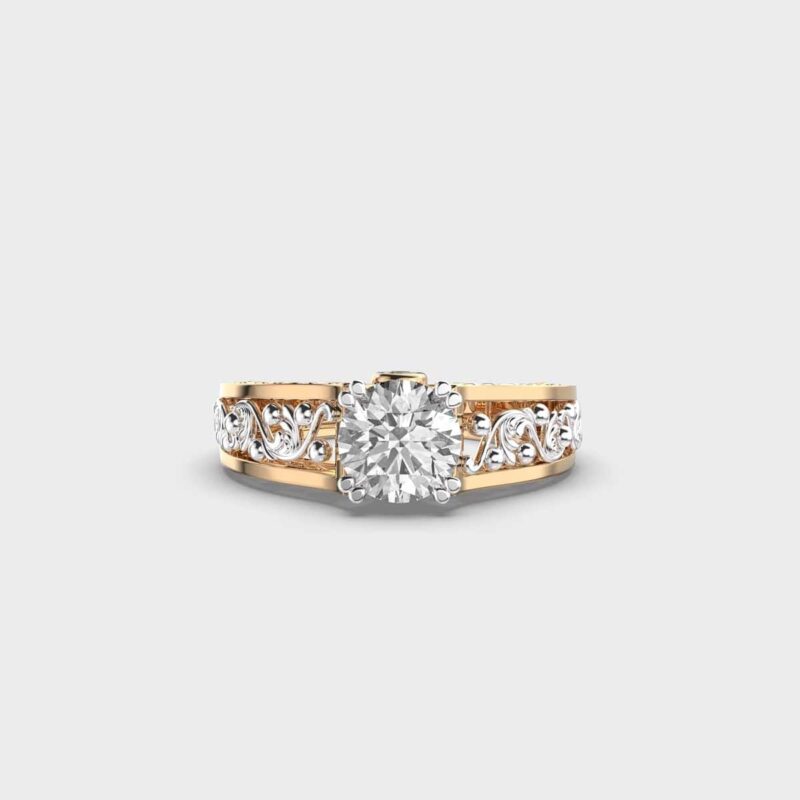
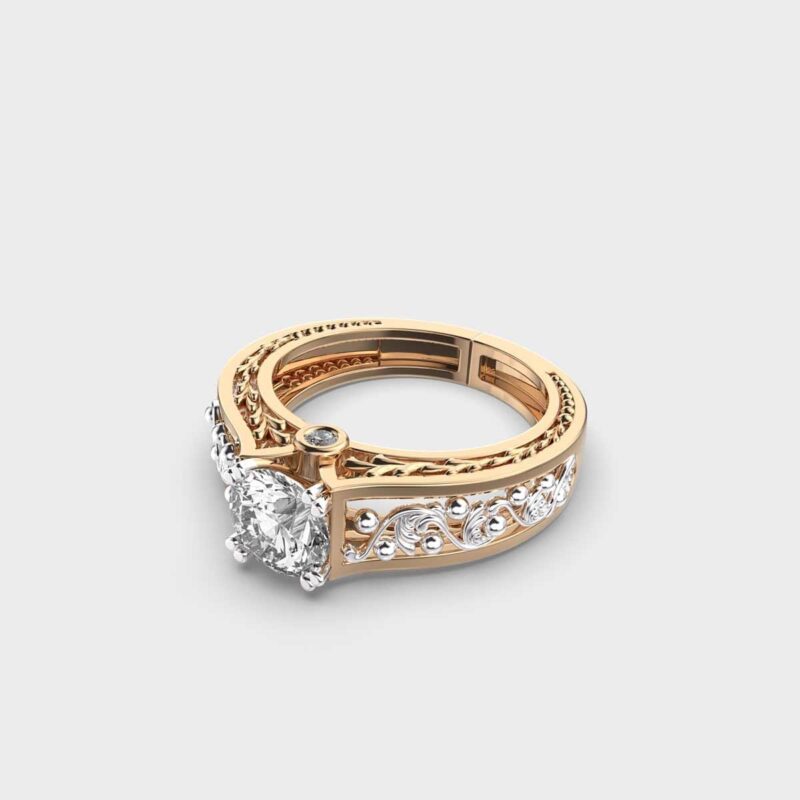
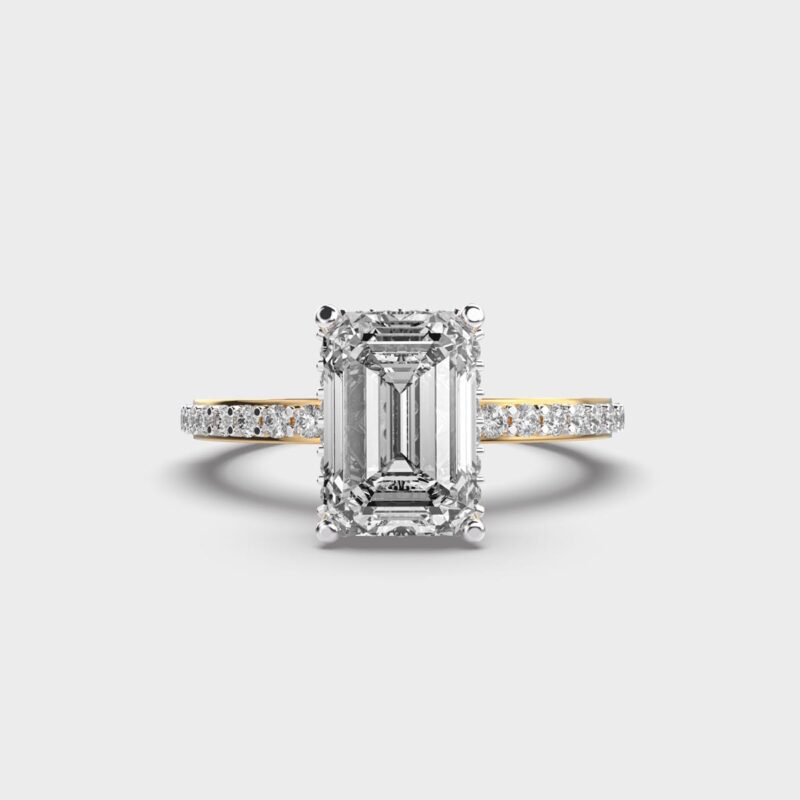
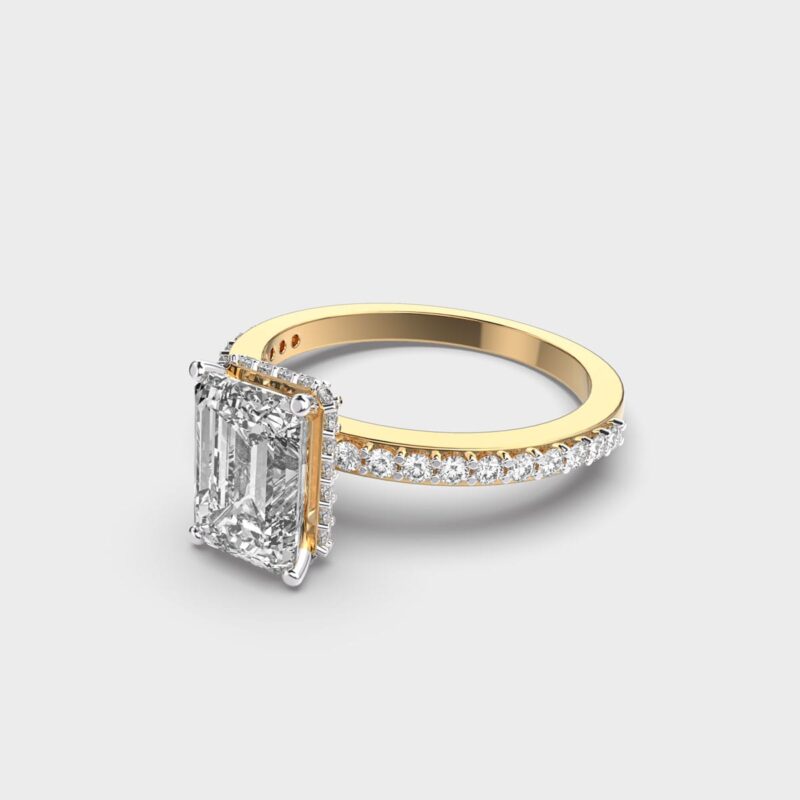
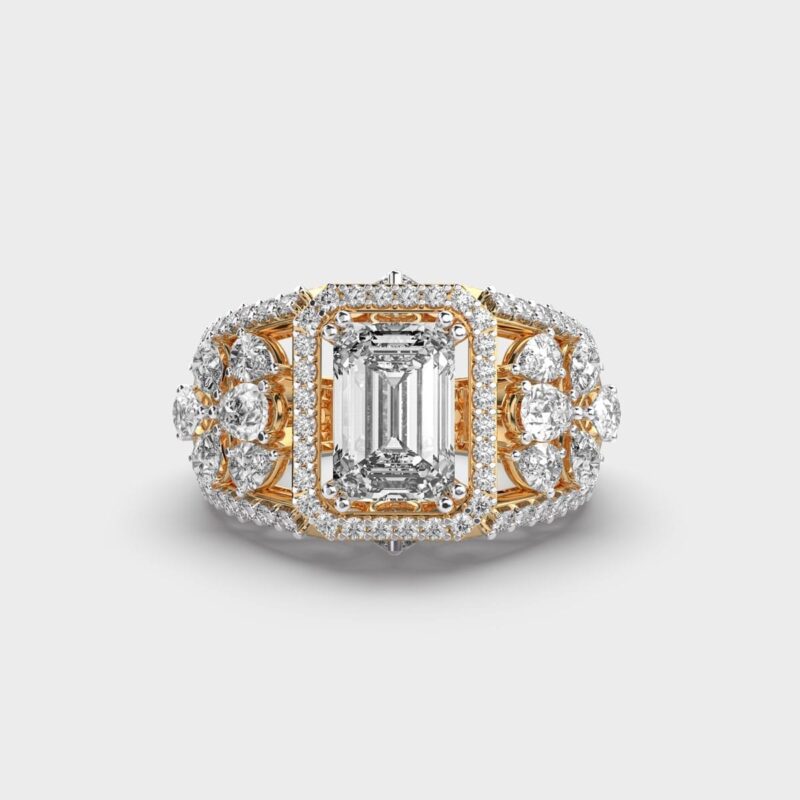
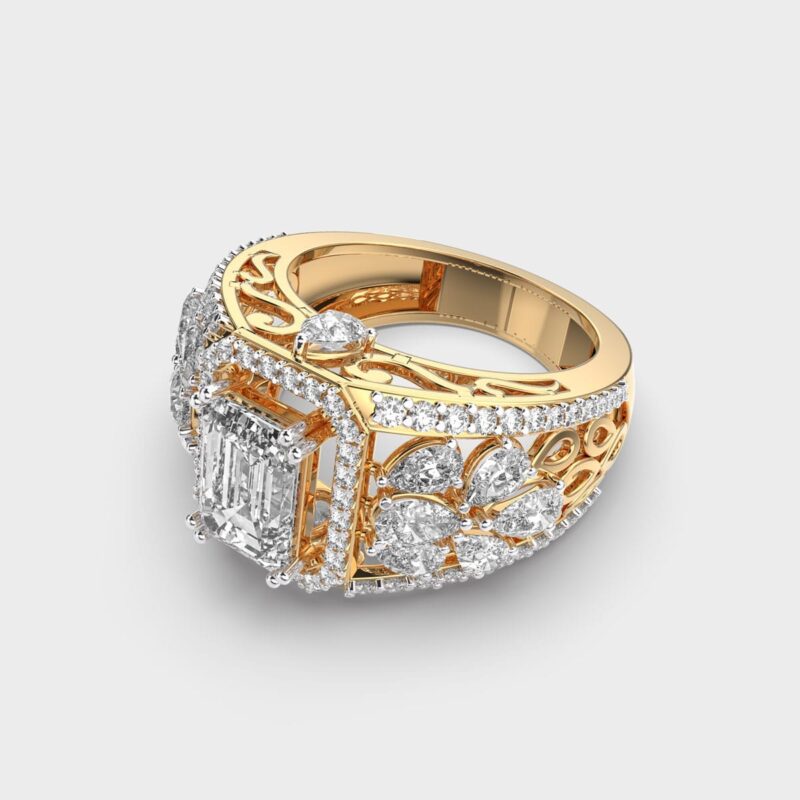

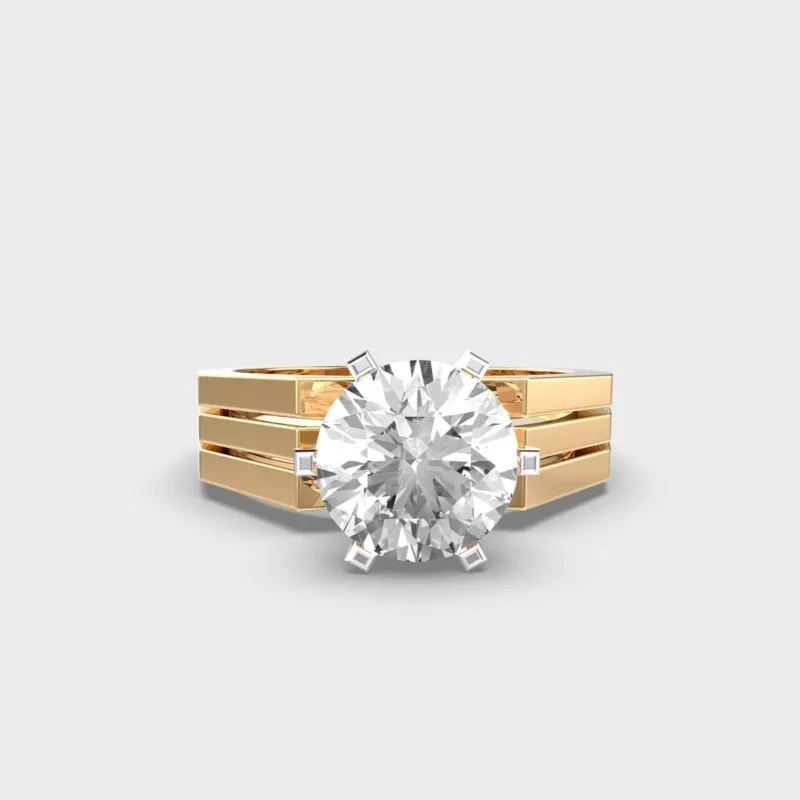
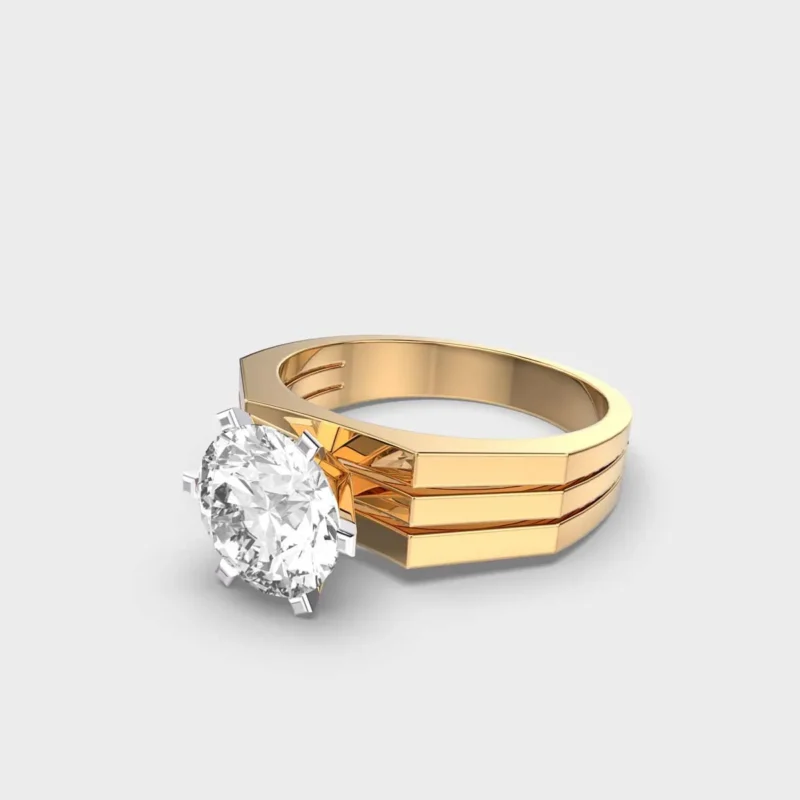


Showing 205–216 of 228 results
Discover Your Perfect Price
Filter by Stone Type and Metal to view accurate, variation-based pricing
Transparent, personalized, and effortless - explore designs that match your style, metal, and budget.
- Tip: Choose one stone type and one metal type to see your exact price.
- If prices seem off, just uncheck and re-apply your filters – the page will refresh with accurate pricing.
 1-to-1 Custom Design
Experience
 Craft Your Vision
Today with a 10% Starte
 HD video Preview
Before It Ships
 Fully Customizable
- Stone, Metal & Budget
 Choose Metal Tone:
Yellow, White or Rose Gold
 Handcrafted in Solid 10K · 14K · 18K
Gold, 925 Silver or 950 Platinum
 Select Your Stone Type:
 Lab-Grown Diamond or Moissanite
 Award winning
 craftmanship and detailing
 Hallmarked &
 Certified (IGI / SGL)
 Personalized Care &
 Expert Support
 Design Any Piece
Within Your Budget
1-to-1 Custom DesignExperience
Craft Your VisionToday with a 10% Starte
HD video PreviewBefore It Ships
Fully Customizable- Stone, Metal & Budget
Choose Metal Tone:Yellow, White or Rose Gold
Handcrafted in Solid 10K · 14K · 18KGold, 925 Silver or 950 Platinum
Select Your Stone Type: Lab-Grown Diamond or Moissanite
Award winning craftmanship and detailing
Hallmarked & Certified (IGI / SGL)
Personalized Care & Expert Support
Design Any PieceWithin Your Budget
Primira's
Real Reviews From Real Customers
Lifetime
Warranty
100% Money
Back Guarantee
Easy
Customization
7 Days
Return
14 Days
Exchange
Insured
shipping
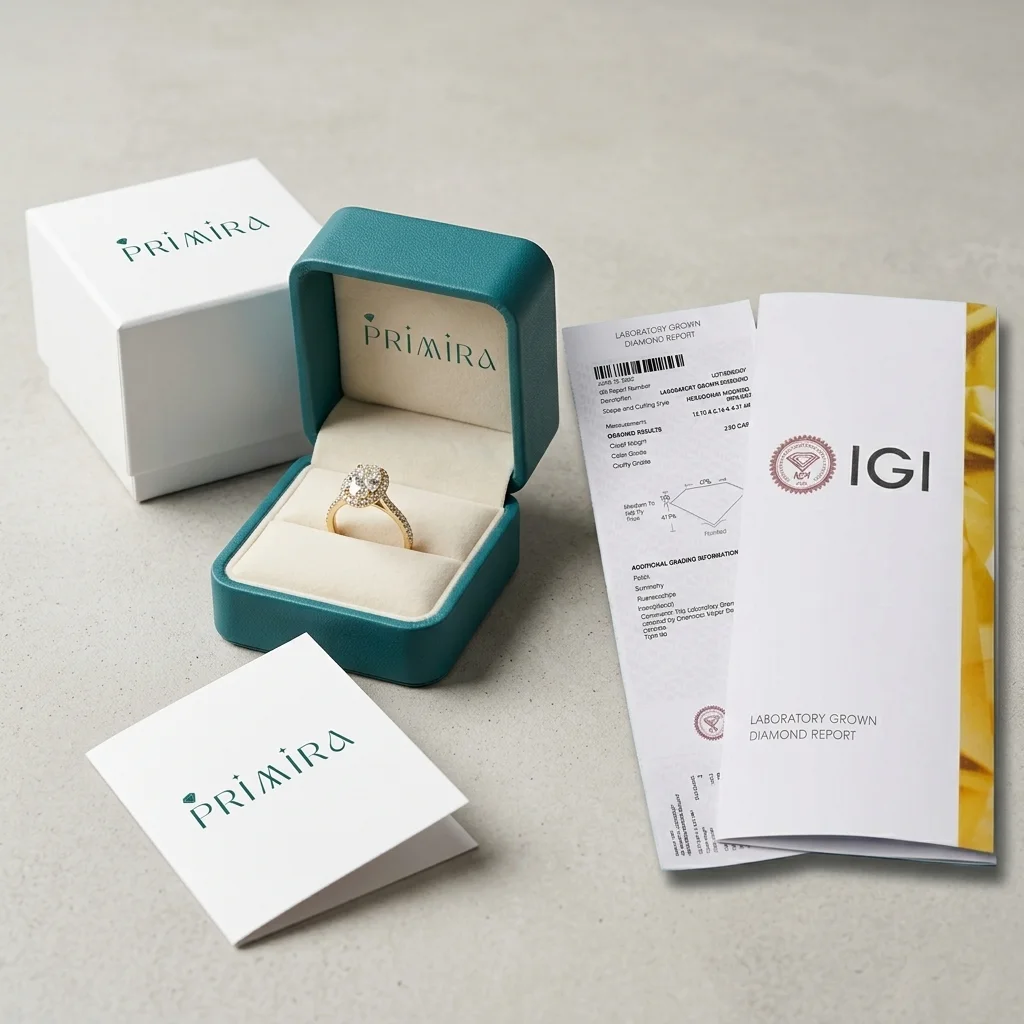
sustainable, beautiful packaging
Give your precious pieces a home they deserve with our stylish, soft-lined jewelry boxes made for effortless organization.
Read Our Article Behind Every Collection
Each design at Primira Luxury is handcrafted with precision, purpose, and emotion. From the first sketch to the final polish, our artisans turn your vision into a piece that feels personal, ethical, and timeless.
Read More
Lab Grown Diamond Engagement Rings — Every Style, Every Cut, One Source
The two questions most buyers arrive with
Most people reach this page already knowing they want a lab grown diamond engagement ring. The two things they don’t yet know: which style fits the person they’re proposing to, and whether a lab grown stone will actually look as good as a mined one in person.
Both are worth answering directly before anything else.
On the stone: lab grown diamonds are chemically, physically, and optically identical to mined diamonds — the same carbon crystal structure, the same hardness of 10 on the Mohs scale, the same light behavior. The difference is where growth happened: a controlled environment rather than geological pressure over millions of years. Every lab grown diamond at Primira comes with IGI certification, graded on the same four-criteria scale — cut, color, clarity, carat — that has governed diamond grading for decades. The IGI report number is laser-inscribed on the stone’s girdle and verifiable at igi.org. What you’re choosing is a certified diamond, not a substitute for one.
On resale: lab grown diamond pricing reflects production cost rather than scarcity. These stones are not priced as long-term appreciating assets, and we won’t frame them that way. What they are priced for is present value — the quality you can hold in your hand on the day you give the ring, and every day after. For most buyers who contact us, that trade is obvious.
On style: that’s what the rest of this page is for.
Why cut quality matters more for an engagement ring than for anything else you’ll buy
An engagement ring lives on the hand, in motion, in every light condition a person encounters. Where other jewelry has surrounding stones, textural interest, or setting complexity to carry the visual weight, an engagement ring — especially a solitaire — rests entirely on one stone’s ability to perform optically.
Cut is the grade that controls that performance. Table percentage, depth percentage, and crown angle together determine how light enters a diamond, how it travels internally, and how it returns to your eye as brightness and fire. An Ideal or Excellent cut grade isn’t a marketing label — it’s a specific set of proportions: table 54–57%, depth 59–62.5%, crown angle 34–35° for a round brilliant. Stones cut outside these tolerances lose light through the base rather than returning it to the viewer. No color upgrade or clarity step-up compensates for a poor cut.
Primira stocks Ideal, Excellent, and Very Good cuts only. No Good or Fair grades are in inventory. This is a factory-level decision, not a buying decision we make after the fact — because Surat, where we operate, is where 90% of the world’s rough diamonds are cut and polished. When we specify Ideal-cut proportions, those proportions are achieved during faceting in our facility, not selected from someone else’s catalogue after grading.
For color: we lead with D–F colorless. G–H–I near-colorless is a genuine value tier — no visible difference to the naked eye, a meaningful difference in price. For clarity: VVS1 to VS2, all eye-clean. We don’t stock SI2 or below; inclusions visible to the eye affect how a stone reads in a ring setting, and that matters on a piece this visible.
Five engagement ring styles — which one is right
These are not arbitrary categories. Each one solves a different design and wearing problem, and each has its own technical considerations that don’t apply to the others. Follow the links to go deeper on any style.
Solitaire
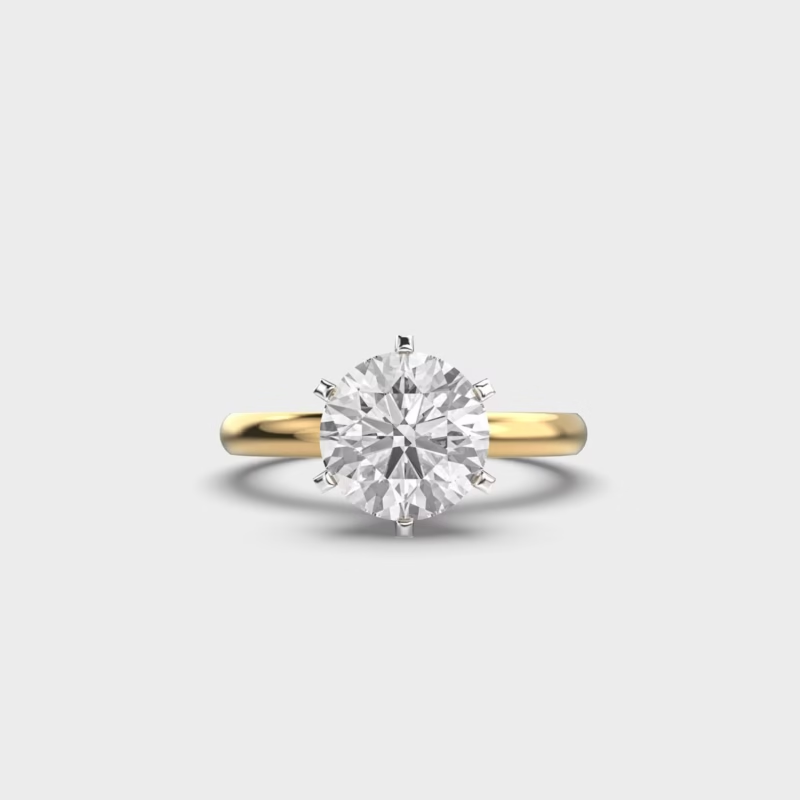
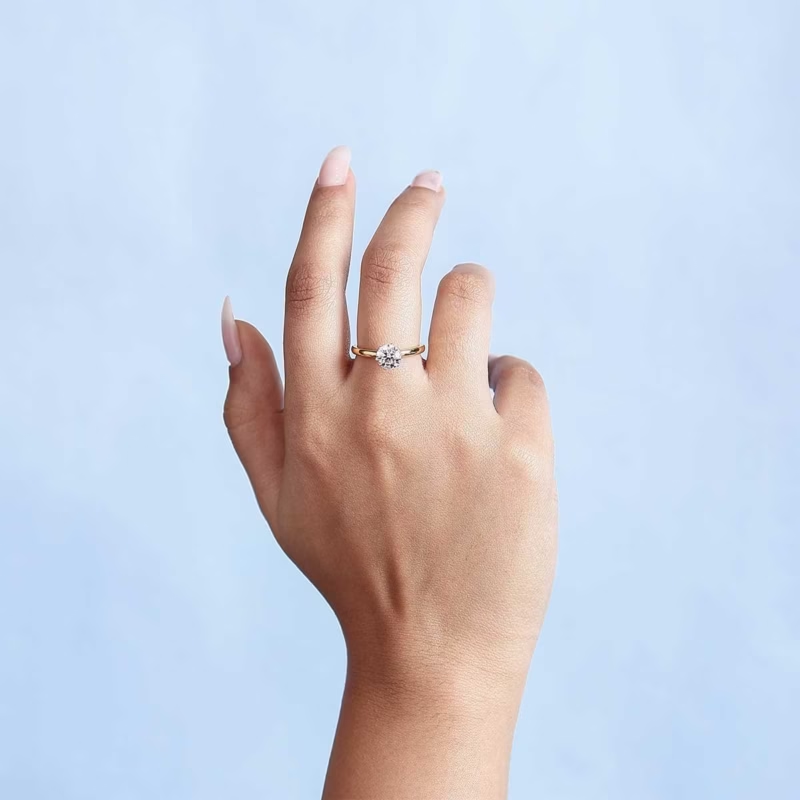
One stone, one band, nothing between the diamond and the eye. The most globally searched engagement style, and the one with the least room for error — when there are no accent stones to add surrounding sparkle, the centre stone’s cut quality carries everything. Cathedral vs. low-profile shank, 4-prong vs. 6-prong basket, and shank width relative to stone diameter all affect how the finished ring reads proportionally.
→ Solitaire engagement rings
Halo
A centre stone surrounded by a ring of smaller lab grown diamonds. The primary function of a halo is optical: well-calibrated accent stones make the centre appear larger — typically the equivalent of approximately 0.5ct of additional visual size — without increasing the centre stone’s actual carat weight or cost. The quality of the illusion depends entirely on calibration tolerance: accent stones matched to within ±0.01mm in diameter hold a uniform ring; unmatched stones break the visual geometry and the illusion falls apart. Single halo vs. double halo, micro-pavé accent alignment, and whether the halo sits flush or elevated against the shank are all decisions with real visual consequences.
→ Halo engagement rings
Three-stone
Centre stone flanked by two accent diamonds — commonly described as past, present, and future. The symbolic weight is real, but the technical execution determines whether it reads as intentional or misaligned: centre-to-accent carat ratio (roughly 50% per side accent is the standard), girdle-to-girdle alignment across all three stones, and whether matching or contrasting side-stone shapes serve the specific design. This is the style in the collection where custom-order capability makes the biggest practical difference, since there’s no single right combination — it’s particular to the couple.
→ Three-stone engagement rings
Vintage cut
Rose Cut, Old European Cut, Old Mine Cut, Portuguese Cut — faceting styles developed before modern round brilliant standardization, each with distinct optical character. Vintage cuts produce warmer, softer light rather than the high-contrast brightness of a modern brilliant. The Portuguese Cut in particular is worth understanding specifically: 161+ facets compared to the standard 57–58, producing significantly higher fire output through sheer facet complexity. Surat’s cutting history goes back generations with these styles; the craftspeople who can execute a Portuguese Cut correctly are concentrated here, not distributed across a supply chain.
→ Vintage cut engagement rings
Toi-et-moi
French for “you and me” — two different-shaped stones in a single shared setting. The fastest-growing engagement style in 2026 globally, driven partly by visibility on social media and partly by a genuine shift toward rings that express something specific about the relationship rather than defaulting to a catalog standard. The engineering challenge is asymmetry: two stones with different girdle heights and profiles need claw positioning and counterbalancing that a symmetric solitaire or halo never requires. Popular pairings include oval + pear, round + marquise, oval + marquise. Most buyers arrive with a reference photo rather than knowing the category name. Fully custom from the first conversation.
→ Toi-et-moi engagement rings
St0ne type and metal — what to decide before ordering
Lab grown diamond or moissanite: every ring in this collection is available in certified lab grown diamond (primary) or hand-faceted moissanite (secondary), selected via the Stone Type attribute at checkout. Moissanite has a higher refractive index than diamond — 2.69 vs. 2.42 — which produces more optical fire. Primira’s moissanite is hand-faceted by the same Surat craftspeople who cut the diamonds, which controls the fire output to avoid the oversaturated rainbow effect common in machine-cut stones. For buyers where the stone type matters to the partner, this choice is worth discussing before the order, not after.
Metal: 14K gold (58.5% pure) is the default for engagement rings — it has the highest tensile strength among the gold alloys and holds prong geometry through daily wear. 18K gold (75% pure) is available for buyers who prioritize depth of color in yellow or rose tones. 950 Platinum is available for buyers who want the densest, heaviest option with no rhodium plating required — platinum develops a natural patina rather than wearing through to a different base metal. All gold tones — yellow, white (rhodium-plated), rose — are available across all karat tiers.
Ring size and shank width: confirmed at the pre-production stage, not assumed from the order. See below.
Custom engagement rings — what’s actually available
The standard collection covers the most-purchased specifications for each style. Everything else — a specific stone carat between 0.25ct and 10ct+, a color grade outside the standard stock, an alternate metal tier, a non-standard shank width or setting type, or a shape not listed in the collection filter — is available on custom order.
For toi-et-moi and vintage cuts in particular, the majority of orders involve some degree of customisation, since these styles don’t have a single “standard” configuration the way a round solitaire does.
Custom engagement rings: send a reference image or written description via WhatsApp (+91 9510640173) or email (contact@primiraluxury.com). CAD design is produced before production begins. Every custom order goes through the pre-production confirmation process described below.
How the order process works for engagement rings specifically
The single most common concern with online engagement ring orders is not being able to see the piece before the proposal. The Primira order process addresses this directly.
Within 24 hours of checkout, the Surat team contacts you via WhatsApp and email to confirm every specification before production begins: stone carat, color grade, clarity grade, metal tier and tone, setting type, ring size, shank width, finish. If any detail is unclear or you want to adjust something from what you ordered, this is the window. Production does not start until specifications are confirmed.
Standard production: 15–35 business days. For certified loose diamonds already in stock: dispatched within 48 hours of confirmation. IGI certification on jewelry is available on request; it adds 3–10 business days for third-party lab processing.
Every shipment is insured from our Surat facility to delivery confirmation. India: free shipping on orders above ₹10,000, delivered via Blue Dart or Delhivery, 2–7 business days after dispatch. International: free standard shipping on orders above USD $550 (USPS/India Post, 17–19 business days); express shipping via DHL/FedEx/UPS at approximately USD $50, 5–7 business days.
Returns are accepted within 7 calendar days of delivery where the piece differs materially from confirmed specifications, was damaged in transit, or an incorrect item was shipped. Made-to-order pieces are otherwise final sale — which is why the pre-production confirmation call exists. If circumstances change after the order, the buyback program provides a structured value-recovery path: buyback value is calculated against the invoice value minus making charges, at the prevailing gold rate on the date of evaluation.
Caring for a lab grown diamond engagement ring
The diamond itself requires no special maintenance — at Mohs 10 it’s the hardest known material and will not scratch from normal wear. What needs attention is the setting.
Prong tips — the small metal tips that hold the stone — compress slightly over years of wear and should be inspected by a jeweller annually. A prong that has shifted lets the stone move within the basket; a worn prong tip can release the stone entirely. This applies equally to lab grown and mined diamonds; it’s a metallurgy issue, not a stone issue.
For white gold settings: rhodium plating wears through over 12–24 months depending on wear patterns and skin chemistry. Replating is a standard jeweller service, typically 30 minutes and minimal cost. If you notice the warm yellow tone of the gold alloy showing through the white surface, it’s time to replate — this is normal and not a quality defect.
Micro-pavé accent stones on halo and three-stone settings require more careful handling than plain solitaire shanks. Avoid ultrasonic cleaners unless a jeweller has confirmed the prong structure is intact; the vibration can dislodge micro-pavé stones with worn prongs. Warm water and a soft brush is safe for routine cleaning on all setting types.
FAQ
Are lab grown diamonds real diamonds?
Yes, in every material sense. Lab grown diamonds have the same optical, physical, and chemical properties as mined diamonds — both are pure carbon in a cubic crystal structure, both register 10 on the Mohs hardness scale, and both are graded on the same 4Cs scale by the same gemological institutes. The distinction is origin: growth in a controlled CVD or HPHT environment rather than geological formation over billions of years. IGI, which certifies every lab grown diamond at Primira, treats lab grown and mined diamonds under the same grading standards.
What’s the difference between CVD and HPHT lab grown diamonds?
Both are production methods for growing diamond crystal from carbon. CVD (Chemical Vapour Deposition) grows the stone layer by layer from a hydrocarbon gas in a vacuum chamber; HPHT (High Pressure High Temperature) replicates the geological conditions of natural diamond formation using intense mechanical pressure and heat. The finished stones are physically and optically identical for engagement ring purposes — both produce Type IIa carbon and both are graded by IGI using the same criteria. Primira stocks both. The method is typically noted on the IGI certificate; if it matters for your purchase, ask at the pre-production confirmation stage.
Which engagement ring style is best for daily wear?
Solitaire and bezel-set designs have the fewest snag points and the simplest prong geometry to maintain — best for buyers with active hands or jobs that involve frequent manual contact. Halo settings with micro-pavé accents require more cleaning and more frequent prong inspection but are not fragile in normal office or social wear. Vintage cuts, particularly Rose Cut and OEC, typically sit in low-profile gallery settings that protect the crown profile — well-suited to daily wear once set correctly. Toi-et-moi settings can be engineered for daily wear but vary significantly by specific design; this is worth discussing during the custom-order consultation.
What carat size is right for an engagement ring?
This depends more on hand proportion, finger width, and style preference than on any industry standard. As a practical reference: 0.5–0.75ct reads as delicate on most fingers; 1ct is the most common engagement ring size globally; 1.5–2ct reads as distinctly substantial; above 2ct is statement territory. With lab grown diamonds, the carat weight a given budget reaches is significantly higher than with mined stones — buyers regularly move from a 0.75ct budget to a 1.5ct purchase once they understand what the same spend produces. Stone shape also affects perceived size: oval and pear appear larger face-up than round of the same carat weight, and halo settings add apparent size regardless of shape.
How does the pre-production confirmation work for a custom engagement ring?
Place the order on primiraluxury.com or contact us directly via WhatsApp with your specifications and reference image. Within 24 hours, the team reaches out to confirm every detail — stone carat, color, clarity, metal, setting type, ring size, any custom elements. If you’ve ordered a specific configuration online, this call confirms it before a single component is sourced. If something needs adjusting, it’s changed at this stage, before production begins. For fully custom pieces, a CAD render is typically produced before the physical order progresses, so you can approve the design visually. The 15–35 business day production window begins from confirmed specifications, not from the original order date.
What does IGI certification cover for an engagement ring diamond?
The IGI grading report independently verifies cut, color, clarity, and carat weight for each stone. For lab grown diamonds, the report also notes the growth method (CVD or HPHT) and origin type. The report number is laser-inscribed on the stone’s girdle — a microscopic serial number that matches the paper certificate — verifiable at igi.org. IGI is the primary certification institute for lab grown diamonds globally and is recognized by jewellers and buyers in India, the USA, and Europe on equal standing. SGL (Solitaire Gemological Laboratories) is available as a secondary option. Jewelry-level IGI certification is available on request and adds 3–10 business days.
 Chat on WhatsApp