
Primira Luxury Blog
“Jewelry is more than an accessory; it’s a timeless tale waiting to be told.”
“Like a well-crafted gem, true beauty comes from within. Let your jewelry amplify it.”


Showing 25–36 of 49 results
 ₹53,499 – ₹330,733Price range: ₹53,499 through ₹330,733
- ₹78,632 – ₹448,737Price range: ₹78,632 through ₹448,737
- ₹68,574 – ₹397,768Price range: ₹68,574 through ₹397,768
- ₹68,119 – ₹384,392Price range: ₹68,119 through ₹384,392
- ₹37,742 – ₹227,100Price range: ₹37,742 through ₹227,100
- ₹76,644 – ₹505,314Price range: ₹76,644 through ₹505,314
 ₹20,468 – ₹106,478Price range: ₹20,468 through ₹106,478
- ₹58,105 – ₹361,579Price range: ₹58,105 through ₹361,579
- ₹56,533 – ₹321,373Price range: ₹56,533 through ₹321,373
- ₹69,259 – ₹409,667Price range: ₹69,259 through ₹409,667
- ₹19,868 – ₹97,493Price range: ₹19,868 through ₹97,493
- ₹41,321 – ₹241,074Price range: ₹41,321 through ₹241,074
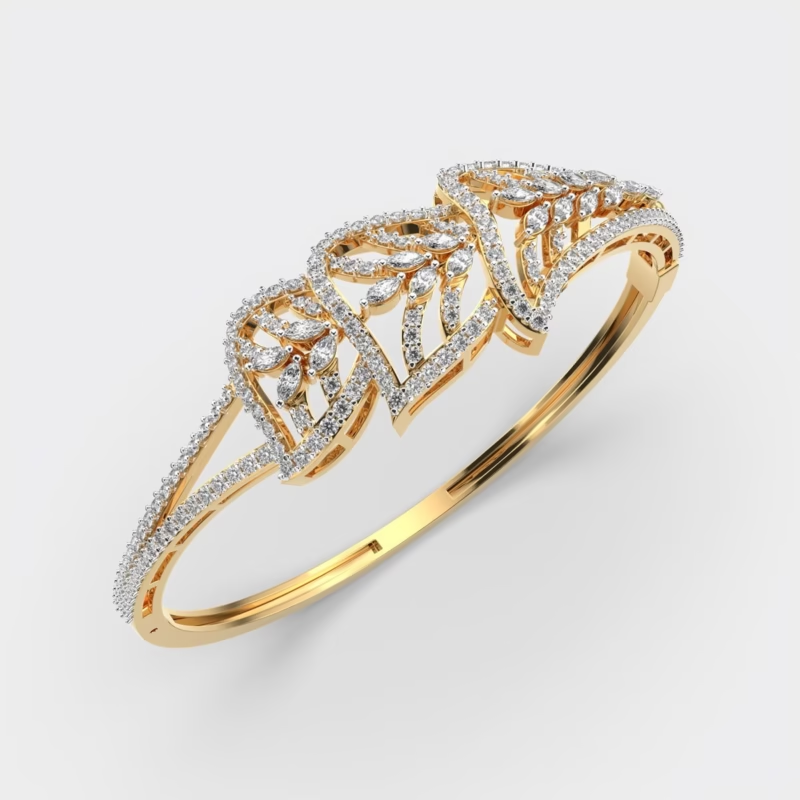
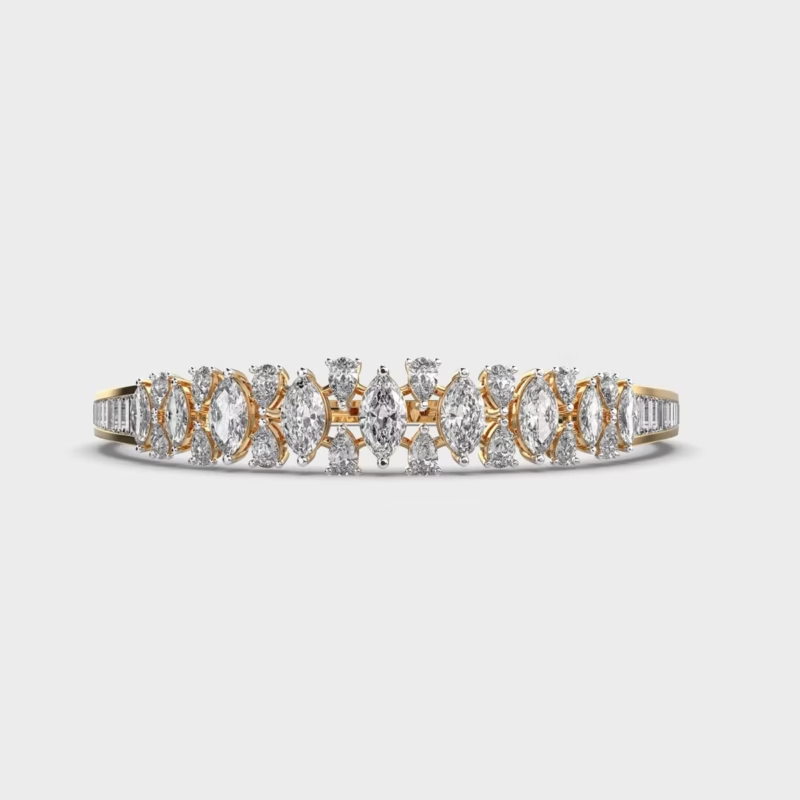
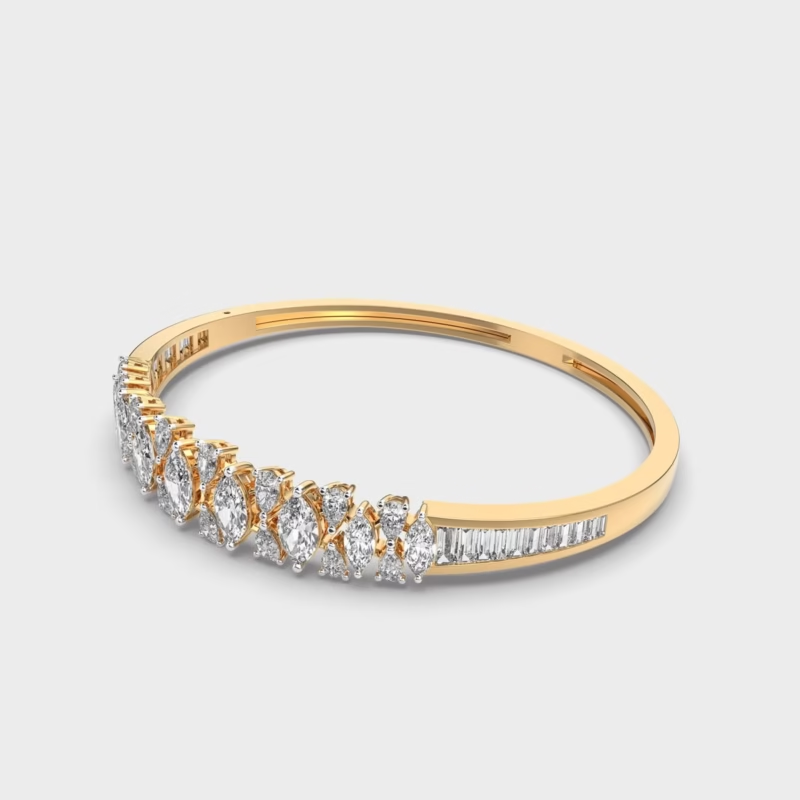
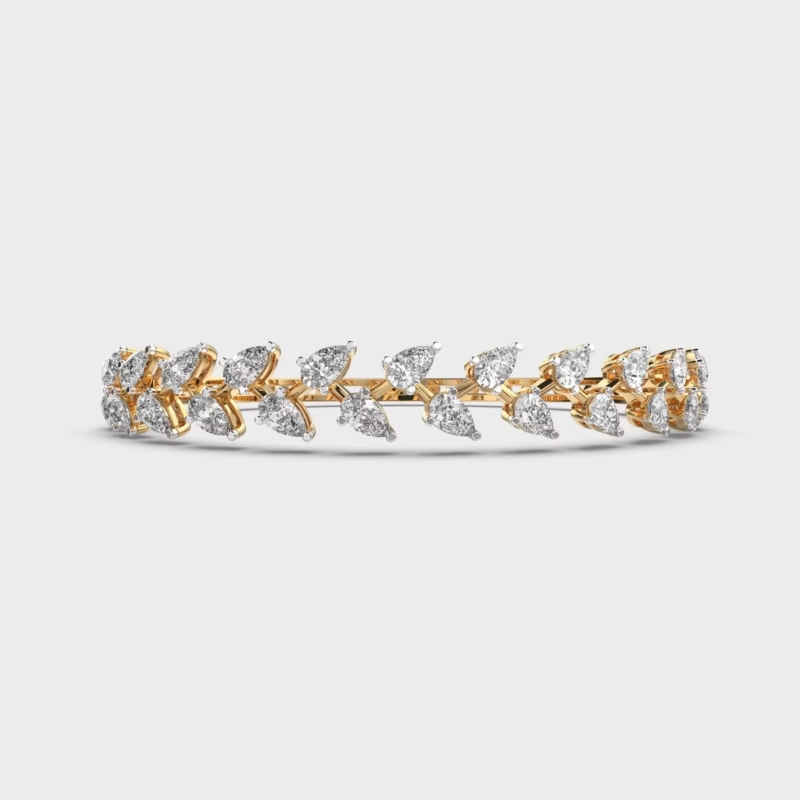
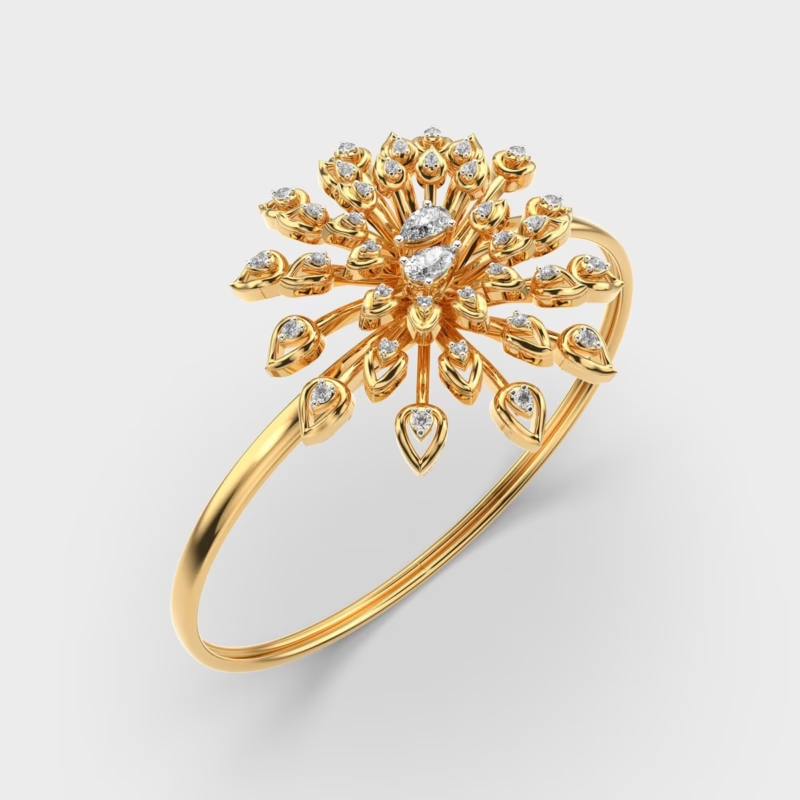
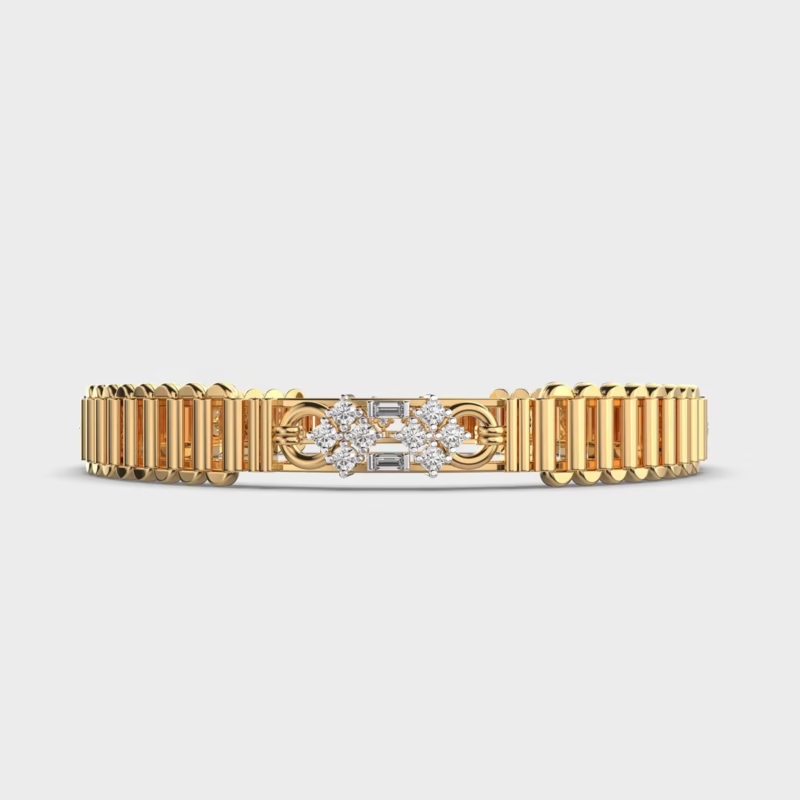
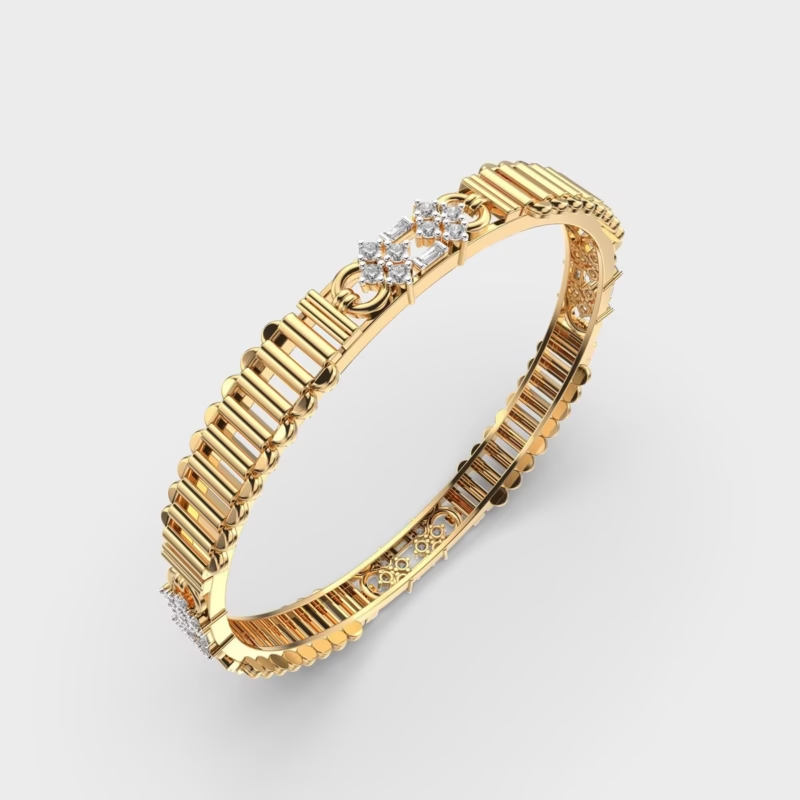
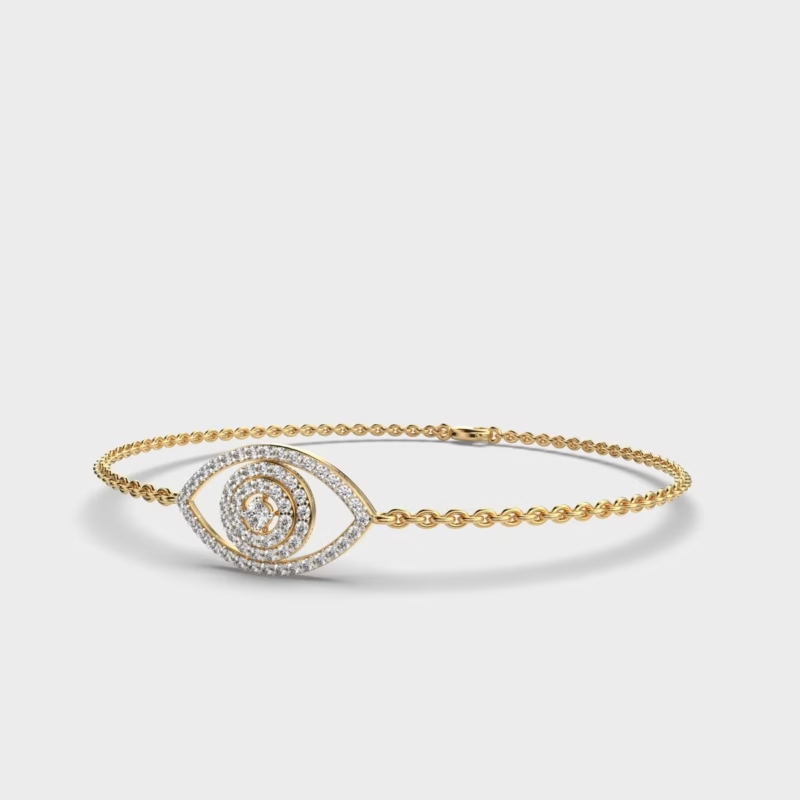
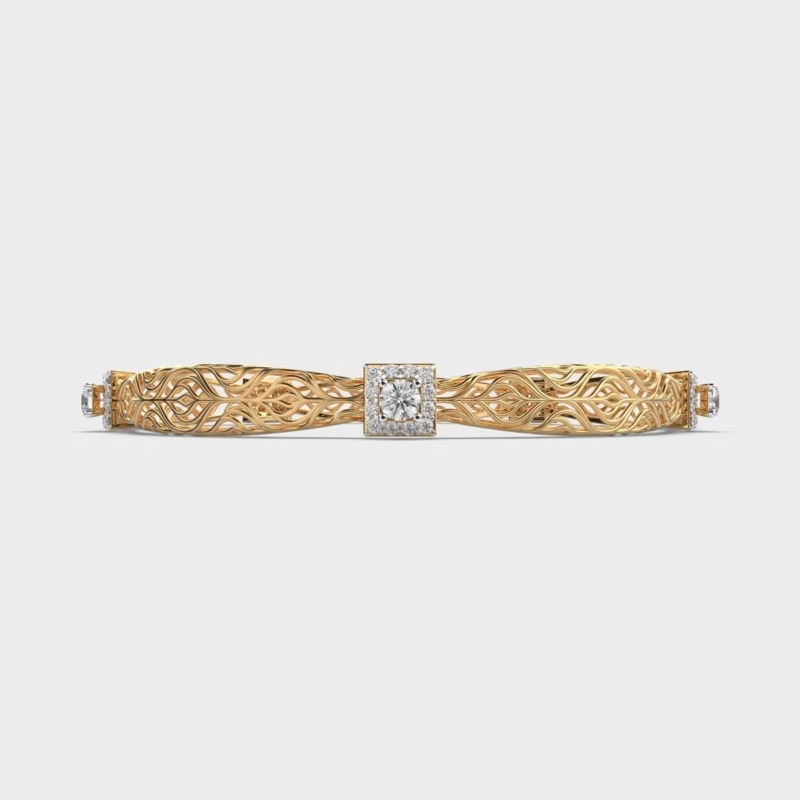
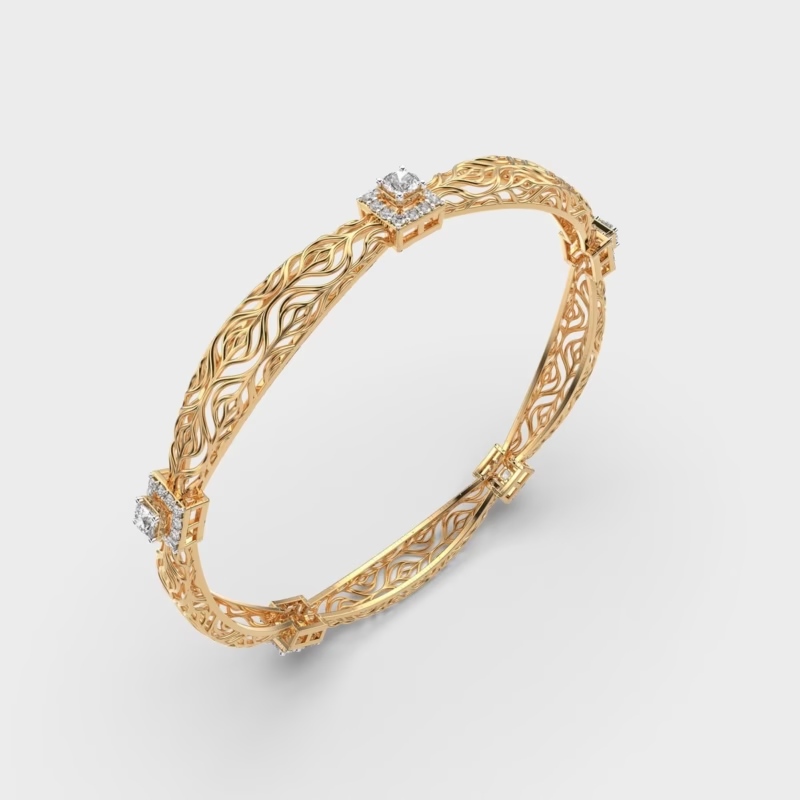
Showing 25–36 of 49 results
Discover Your Perfect Price
Filter by Stone Type and Metal to view accurate, variation-based pricing
Transparent, personalized, and effortless - explore designs that match your style, metal, and budget.
- Tip: Choose one stone type and one metal type to see your exact price.
- If prices seem off, just uncheck and re-apply your filters – the page will refresh with accurate pricing.
 1-to-1 Custom Design
Experience
 Craft Your Vision
Today with a 10% Starte
 HD video Preview
Before It Ships
 Fully Customizable
- Stone, Metal & Budget
 Choose Metal Tone:
Yellow, White or Rose Gold
 Handcrafted in Solid 10K · 14K · 18K
Gold, 925 Silver or 950 Platinum
 Select Your Stone Type:
 Lab-Grown Diamond or Moissanite
 Award winning
 craftmanship and detailing
 Hallmarked &
 Certified (IGI / SGL)
 Personalized Care &
 Expert Support
 Design Any Piece
Within Your Budget
1-to-1 Custom DesignExperience
Craft Your VisionToday with a 10% Starte
HD video PreviewBefore It Ships
Fully Customizable- Stone, Metal & Budget
Choose Metal Tone:Yellow, White or Rose Gold
Handcrafted in Solid 10K · 14K · 18KGold, 925 Silver or 950 Platinum
Select Your Stone Type: Lab-Grown Diamond or Moissanite
Award winning craftmanship and detailing
Hallmarked & Certified (IGI / SGL)
Personalized Care & Expert Support
Design Any PieceWithin Your Budget
Primira's
Real Reviews From Real Customers
Lifetime
Warranty
100% Money
Back Guarantee
Easy
Customization
7 Days
Return
14 Days
Exchange
Insured
shipping
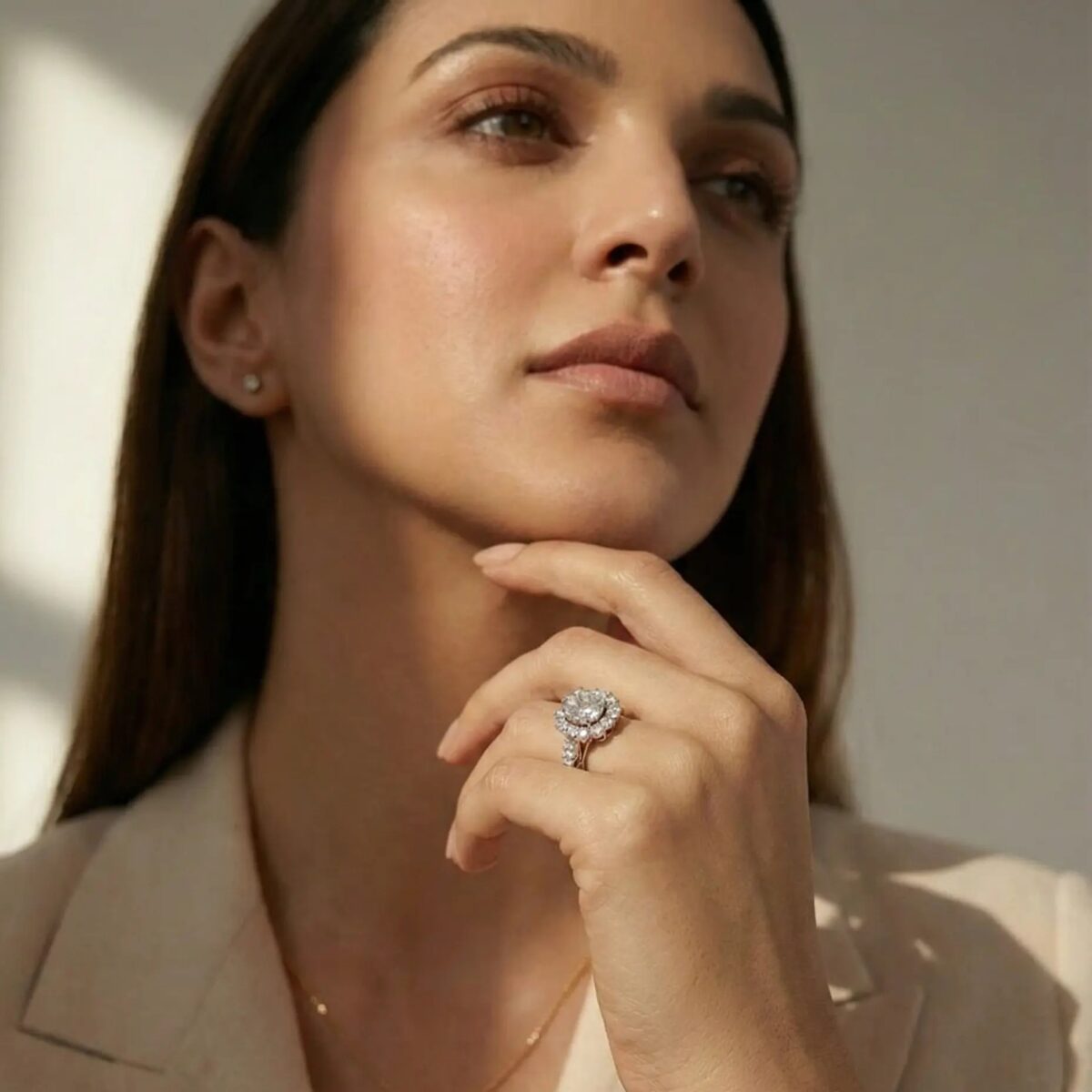
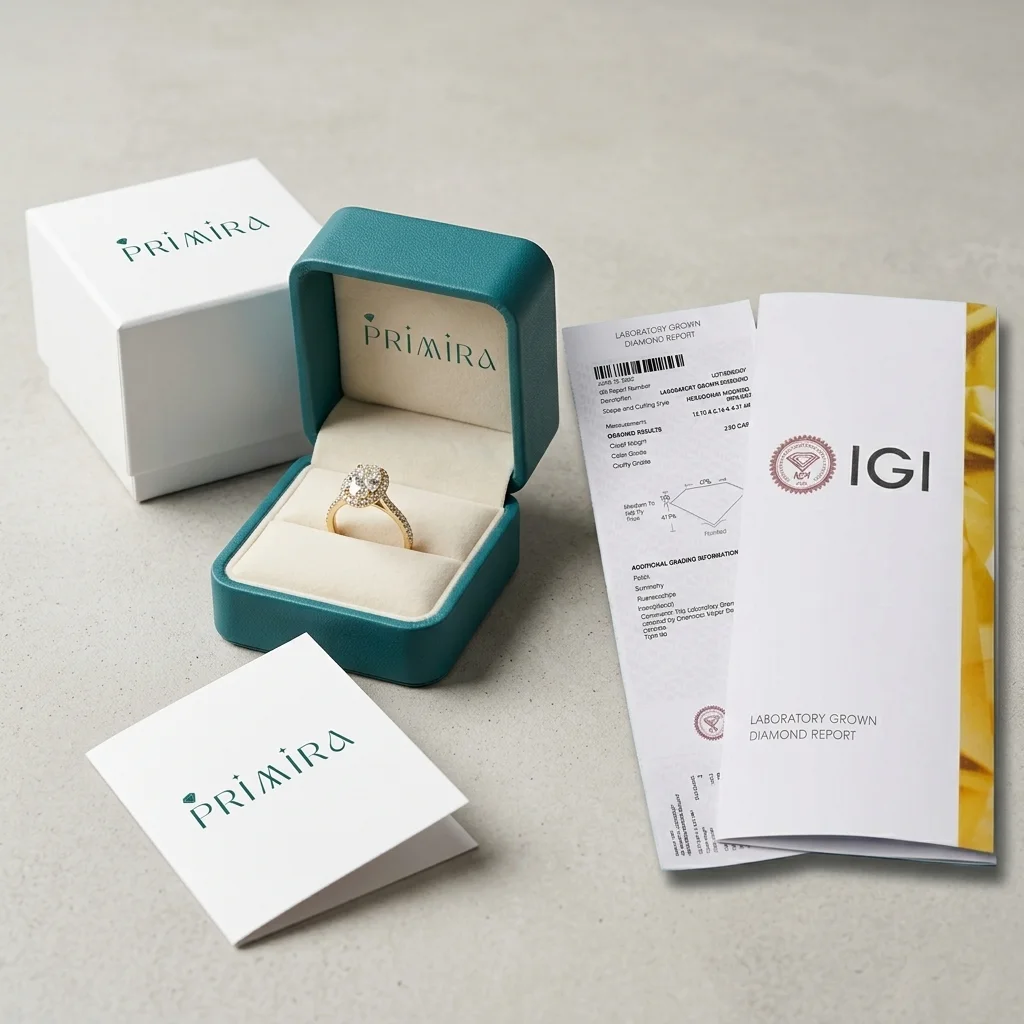
sustainable, beautiful packaging
Give your precious pieces a home they deserve with our stylish, soft-lined jewelry boxes made for effortless organization.
Read Our Article Behind Every Collection
Each design at Primira Luxury is handcrafted with precision, purpose, and emotion. From the first sketch to the final polish, our artisans turn your vision into a piece that feels personal, ethical, and timeless.
Read More
Lab Grown Diamond Bracelets — Tennis, Bangles, Chain, Charm & More
Most wrist-jewellery decisions are made on how a piece looks. The question that actually determines whether it holds up is how it closes. A tennis bracelet’s double-stage box clasp, a bangle’s barrel-hinge with backup lock pins, a bolo slider calibrated to a specific chain gauge — these aren’t features listed in a spec sheet. They’re manufacturing specifications set at the production bench in Surat, and they’re different for every format on this page. The guide below covers five genuinely distinct bracelet types and how to choose between them.This collection covers five genuinely distinct formats: tennis bracelets, bangles and kadas, chain bracelets, charm bracelets, and men’s diamond bracelets. Each is a different object with different engineering, different stone-setting logic, and a different buyer. The guide below helps you locate which one fits your purpose before you start looking at individual pieces.
What Makes a Diamond Bracelet a Daily-Wear Piece
The wrist is the most mechanically active location for jewellery on the body. It bends, flexes, knocks against surfaces, and catches fabric constantly. That makes the engineering decisions behind a bracelet — clasp security, setting profile, stone protection, metal gauge — more consequential than they are for earrings or pendants. A snag-prone prong that goes unnoticed on a pendant becomes a daily irritant on a bracelet. A stiff hinge that seems minor in a bangle becomes a barrier to actually wearing the piece.The lab grown diamond specifications that matter most for daily wrist wear:Stone setting profile. Channel and shared-prong settings sit stones flush against or close to the metal track, reducing snag risk and protecting girdles from lateral impact. This is the standard for tennis bracelets and most bangles. Prong settings appear on statement styles; the prong height should be kept low for daily-wear formats.Stone size per station. Smaller individual stones (0.05ct–0.15ct per stone in most tennis formats) distribute total carat weight across a longer setting track, which means lower centre-of-mass per setting point and less stress on individual prong sets. A tennis bracelet with 50 x 0.10ct stones has different mechanical wear characteristics than a five-station bracelet with 5 x 1.00ct stones.Metal gauge. A tennis bracelet set in 0.8mm-gauge metal will flex under wrist-load over years of wear; a piece with 1.0mm–1.2mm structural gauge retains its geometry. This is visible in the finished piece’s weight and drape, but not in product photography.Clarity and colour at the bracelet scale. Eye-clean is achievable from VS2 downward for stones under 0.15ct each — inclusions that would be visible in a solitaire ring are not visible in a 2mm round brilliant set in motion on a tennis bracelet. The colour trade-off is different: warm metal (18K yellow gold) suppresses G–H stone colour well; white gold and platinum keep DEF colour visible. Primira stocks VVS1–VS2 clarity in D–H colour across the bracelet collection, with no SI2 or below in any format.
Five Styles — What Each One Actually Is
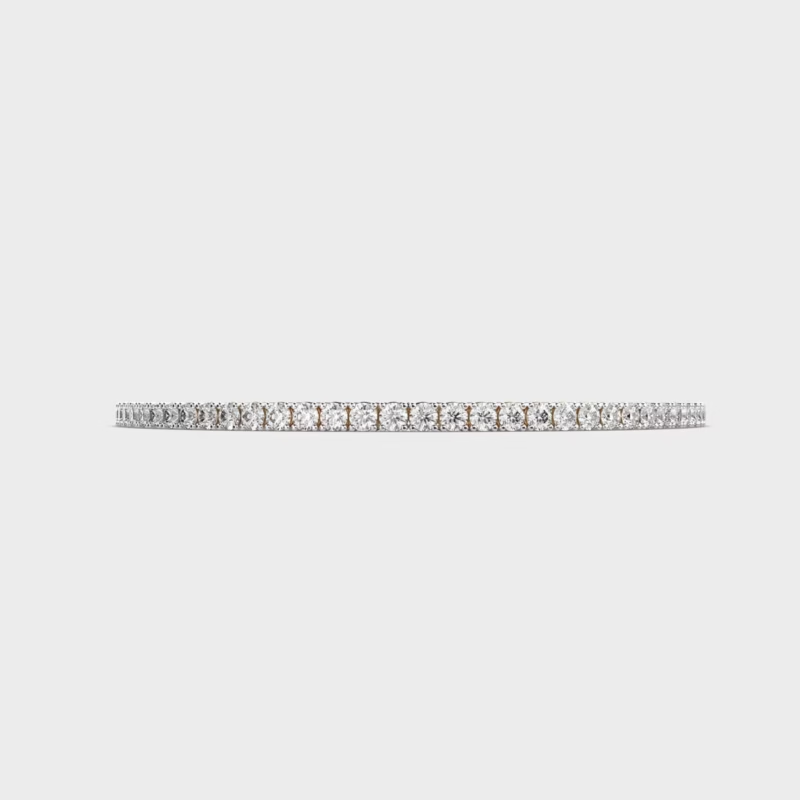
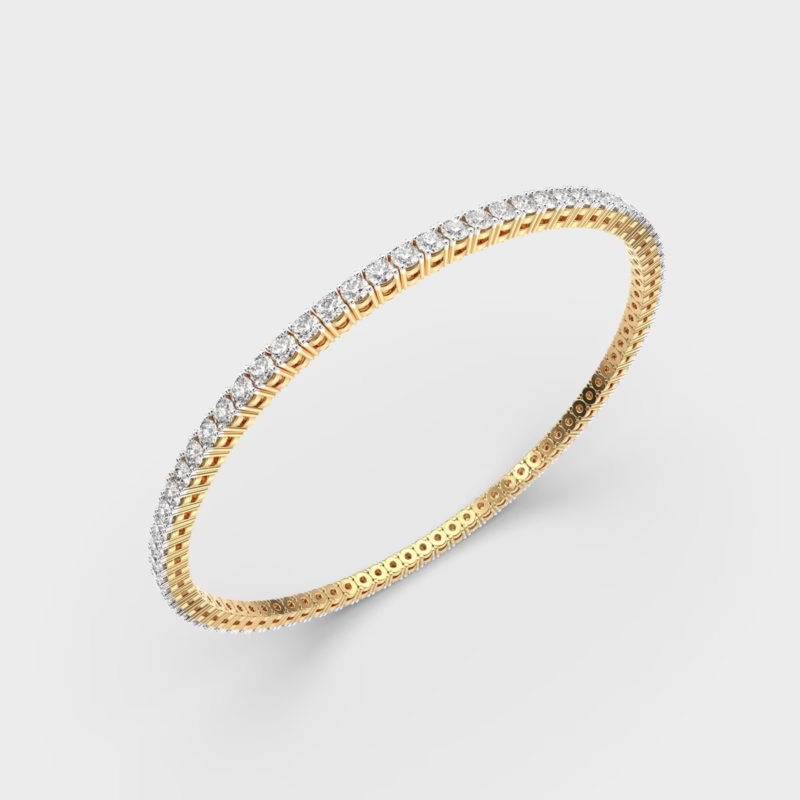
Tennis Bracelets
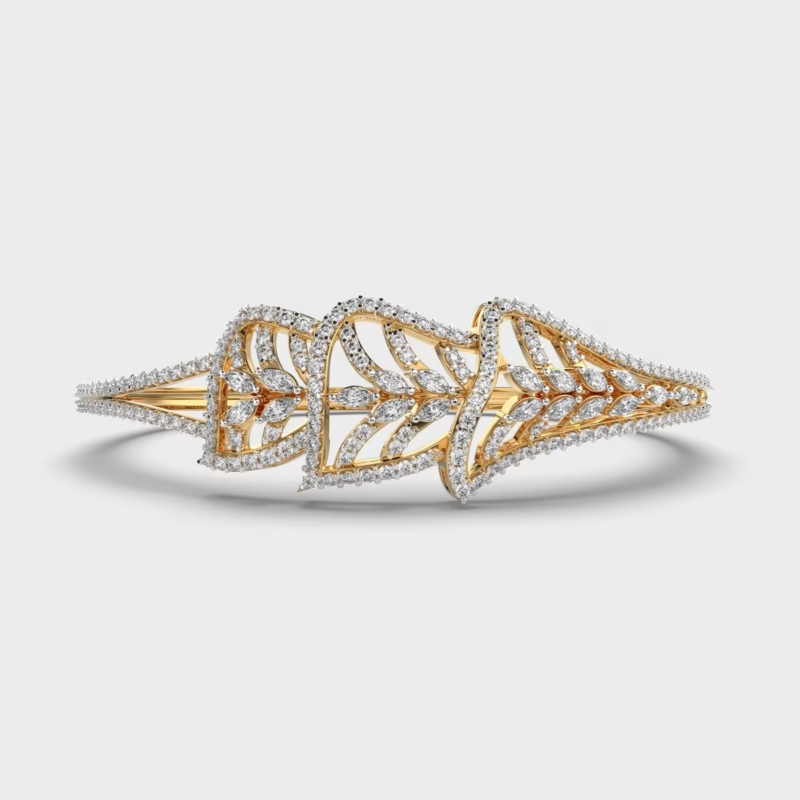
A continuous line of identically sized lab grown diamonds, each individually set, running the full circumference of a 7-inch (standard) flexible chain. The defining technical requirement is uniformity: stone size, colour grade, and cut quality need to be consistent across 30–80+ stones, because any variation is visible on a wrist in motion. Channel and shared-prong settings are the two standard approaches — channel holds stones in a groove between two metal walls (no exposed prongs, smoother exterior), shared-prong places a single prong between adjacent stones to maximise stone density.The clasp is the piece’s most critical structural component. A properly engineered box clasp uses a spring-loaded box receiver that accepts a tongue tab with a tactile click. The independent figure-8 safety catch is a secondary latch that must be manually lifted before the tongue can release — which is why the two-step opening that feels slightly fiddly is intentional, not a defect. A tennis bracelet without this secondary catch is not built for daily wear regardless of how the stones look.Full buying guide, stone specifications, and carat-weight guidance at lab grown diamond tennis bracelets.
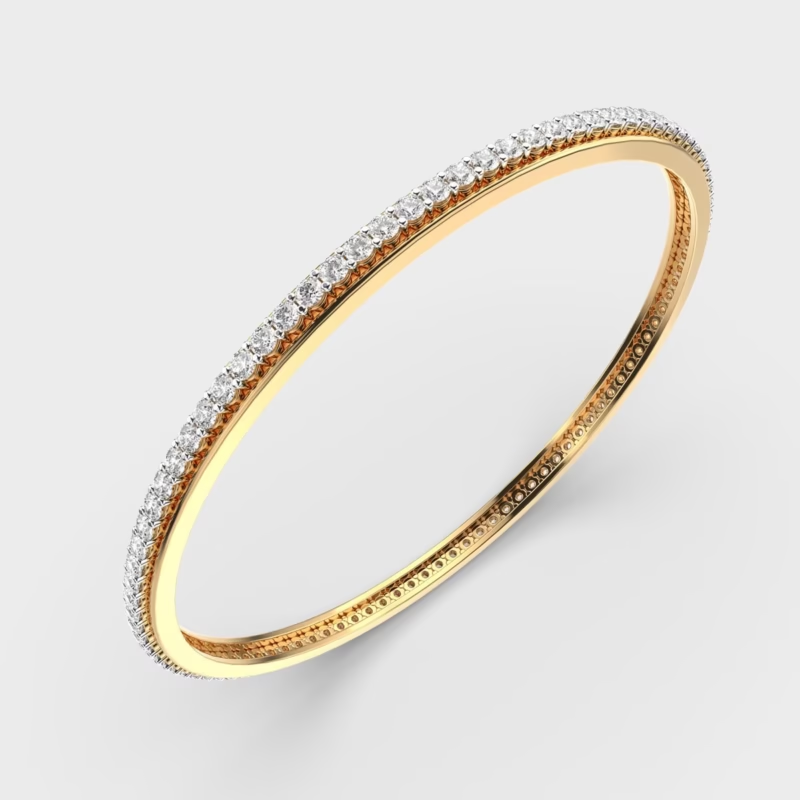
Bangles and Kadas
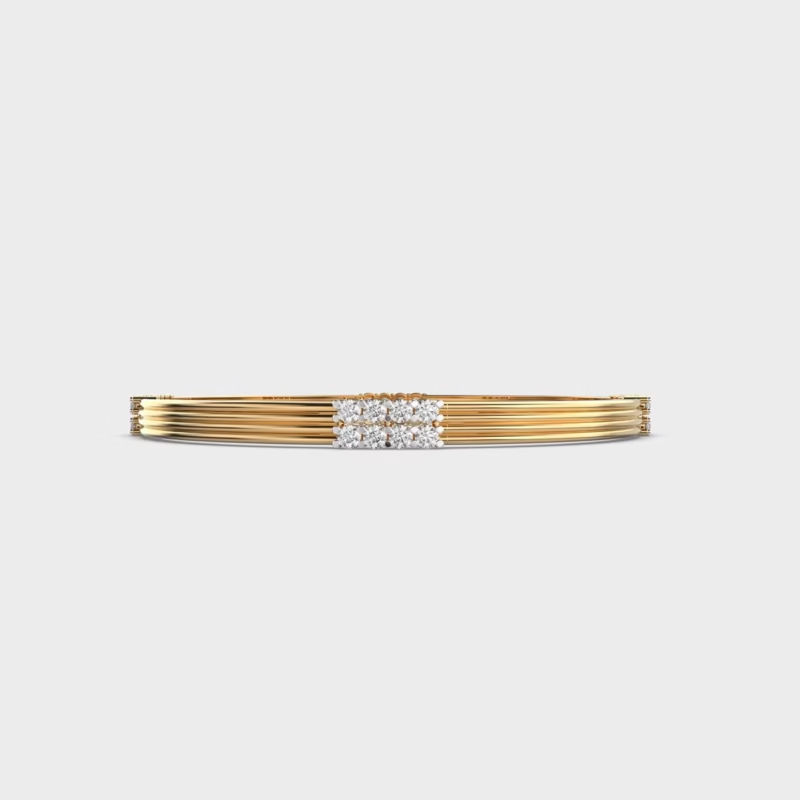
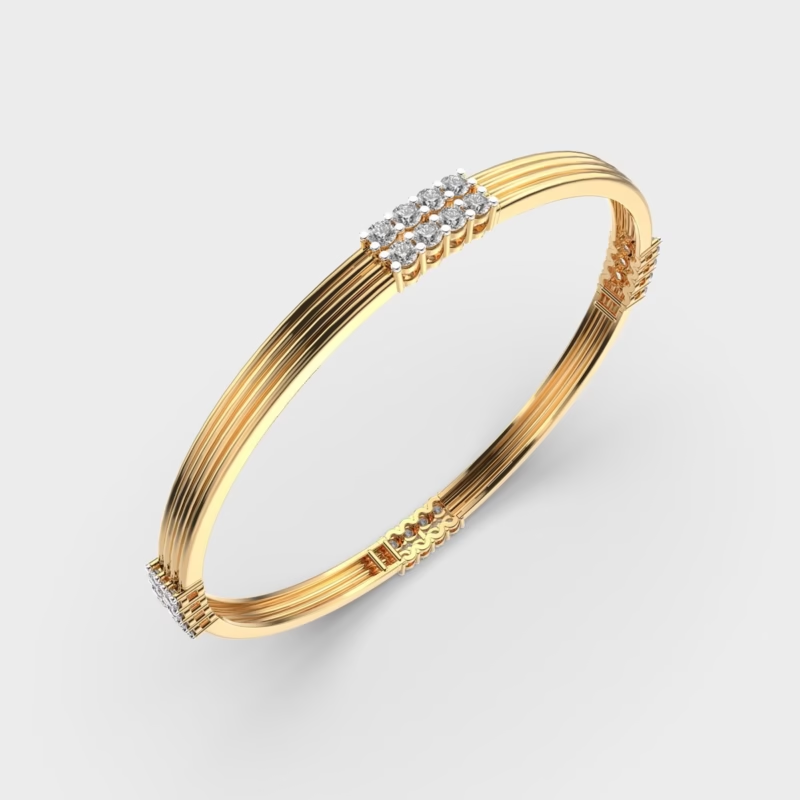
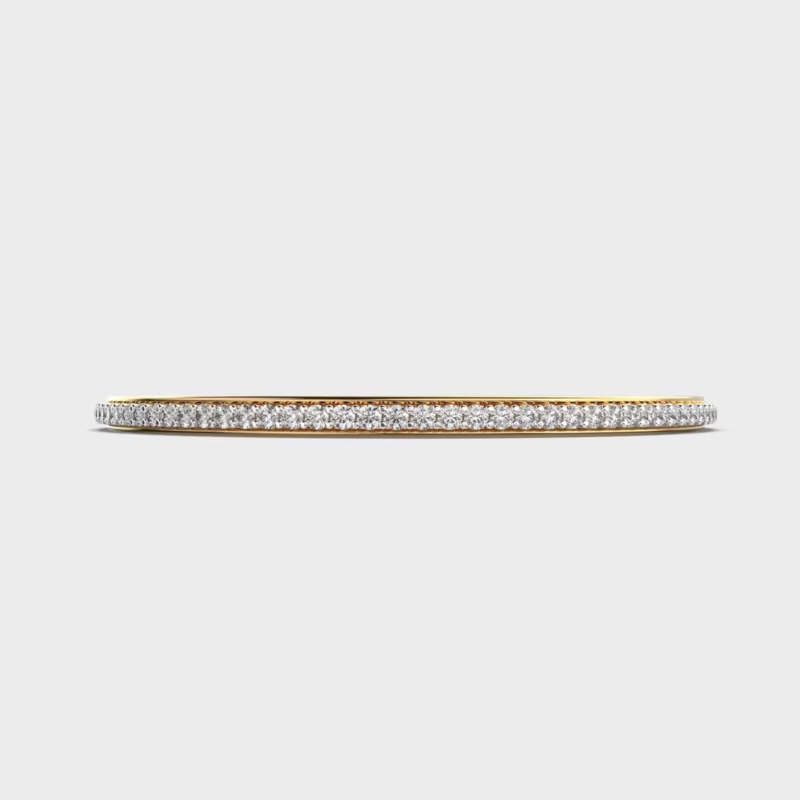
Two different objects sharing a wrist location.A bangle is a circular bracelet with a barrel hinge that opens to accept the wrist, then closes and locks. The hinge mechanism is the engineering story: a bangle hinge needs to open smoothly, close flush, and hold its click-lock position without developing wobble under daily wear. A well-made bangle hinge has backup lock pins behind the primary latch — the same redundancy logic as a tennis bracelet’s figure-8 clasp, applied to a different mechanism. Primira bangles are pavé-set or channel-set with lab grown diamonds on the outer face; the interior is high-polished metal against the skin, which matters for comfort over a full day of wear.A kada is traditionally solid metal — heavier gauge, broader profile, no hinge — and worn as a statement wrist piece rather than a light stacking piece. The diamond-set version uses a flush or bar-set stone arrangement across the outer face so the stone profile doesn’t catch. Metal-on-metal abrasion resistance is relevant here: a kada worn alongside lighter bracelets on the same wrist will leave marks on the softer piece over time — alloy tier (14K vs 18K vs 925 silver) determines which piece marks which.For the full technical comparison, sizes, and cultural context: lab grown diamond bangles and kadas.
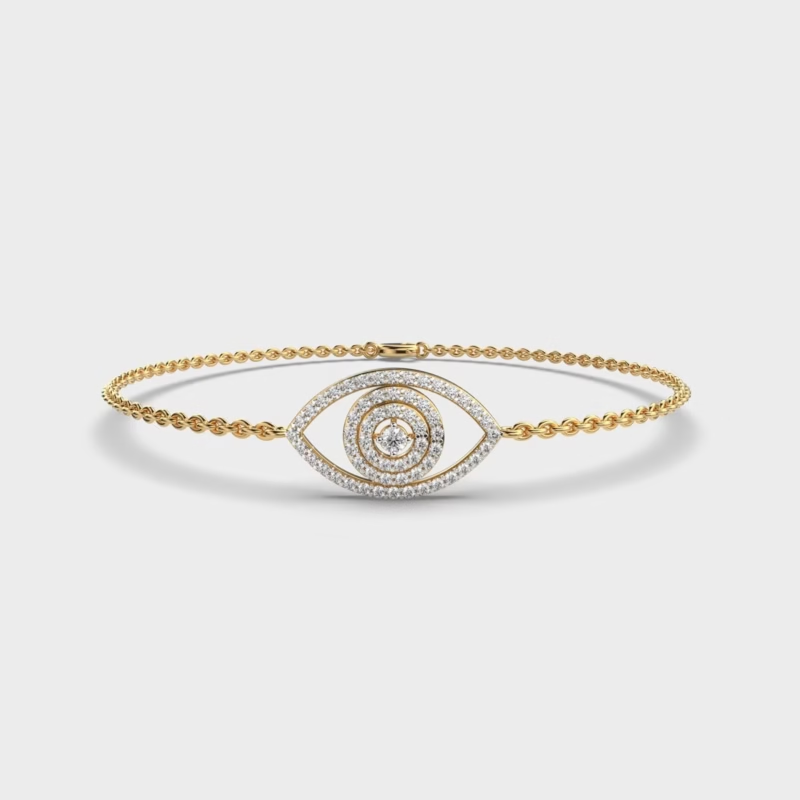
Chain Bracelets
Diamond-accented chain bracelets differ from tennis bracelets structurally: instead of a continuous stone track, the diamonds appear at stations along a link chain, or the entire chain is pavé-set as a flexible tube. The bolo slider version is adjustable — a cord or chain feeds through a slider mechanism, with the tail tucked or left to trail. The slider’s tension is set at production: too loose and it slides on the wrist; too firm and adjusting it single-handed becomes a task. Most buyers don’t think about this until after delivery.The stone decision in a chain bracelet is different from a tennis bracelet. Individual station stones can be larger (0.25ct–1.00ct per station) because the chain itself carries most of the structural load, not the stone settings. Full details at lab grown diamond chain bracelets.
Charm Bracelets
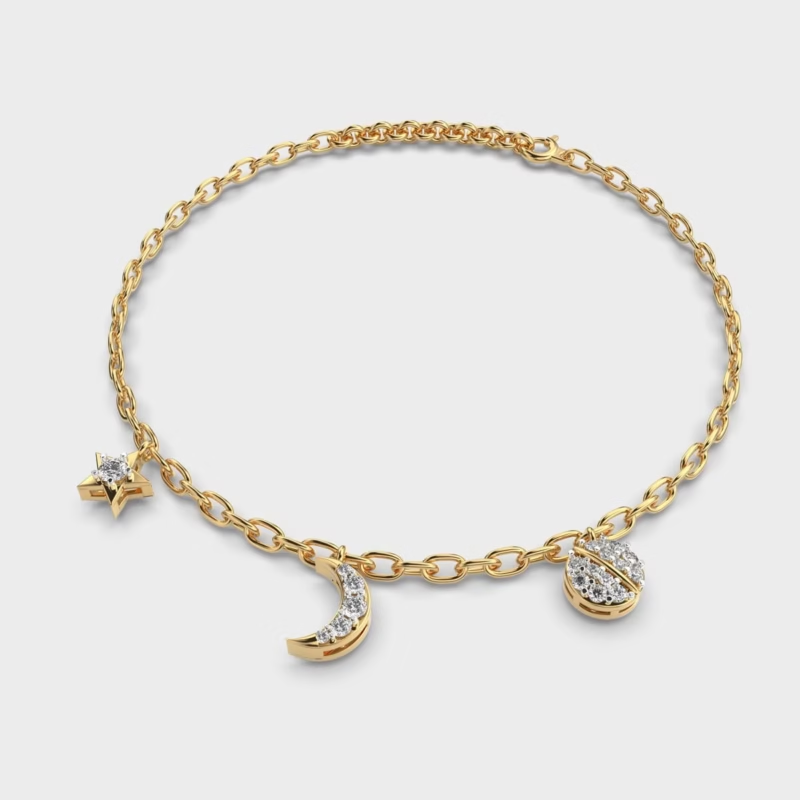
A chain bracelet base with individually attached lab grown diamond charms — geometric shapes, initials, symbols, custom silhouettes. The charm attachment mechanism (jump ring vs lobster clip vs fixed soldering) determines whether charms can be swapped over time. The lab grown diamond content can be in the chain itself, in the charms, or both.The purchase logic is different from other styles: this is typically the one bracelet on this page that starts small and grows. A single charm added to a plain chain base is a starting point, not a finished piece. Custom charm cutting from the Surat lapidary is available — the same silhouette cutting used for personalised pendants applies to charm-scale pieces. See lab grown diamond charm bracelets for custom charm specifications.
Men’s Diamond Bracelets
Wider profile, heavier metal gauge, brushed or satin finish on the exterior with high-polished interior, lab grown diamond accents in flush or bar settings. The daily-wear engineering priority for men’s bracelets is different from women’s: abrasion resistance against shirt cuffs and watch bracelets, and a setting profile that doesn’t catch fabric. Flush-set and bar-set stones sit below or level with the metal surface — no exposed prong above the stone that could lift or snag. Full format guide at men’s lab grown diamond bracelets.
Which Style for Which Purpose
This is a genuine question worth answering directly rather than leaving to a filter browse.Daily professional wear: Tennis bracelet (slim, low-profile, no snag risk) or a thin chain bracelet. Metal: 14K white or yellow gold for durability. Stone size: 0.05ct–0.10ct per stone across a continuous track.Festive and occasion wear: Bangle with pavé diamond track, or a wider kada for a bolder wrist statement. Stacking a bangle over a tennis bracelet — one rigid piece plus one flexible piece — is the most common India festive combination in 2026.Gifting: Charm bracelet (can be started with a single charm and added to over time) or a tennis bracelet (works for most wrist sizes, universal style). Express delivery on orders above USD $550 ships worldwide in 5–7 business days via DHL/FedEx/UPS.Men’s first diamond piece: Single flush-set solitaire cuff or a textured-link chain bracelet with channel-set diamond accents. The men’s tennis bracelet at 1.50–2.00ct CTW is the most popular specification in 2026 for a wrist piece with visible diamond content.
Stone Specifications Across the Collection
Every lab grown diamond across the bracelet collection — from the smallest 0.05ct tennis bracelet station stone to a 1.00ct charm bracelet centrepiece — is CVD or HPHT Type IIa material, held to VVS1–VS2 clarity and D–H colour. No SI2 or below is stocked. For continuous-stone formats (tennis and pavé bangles), Surat processes matched-parcel stones from the same production batch before setting — which is how colour and cut uniformity holds across 40, 60, or 80 individual stones in a single piece. A facility sourcing diamonds from mixed-batch wholesale stock cannot guarantee this; the matching happens here, at the bench where the stones were cut.All pieces are available in 14K gold (yellow, white, rose), 18K gold, 925 sterling silver, and 950 platinum. Finish options: high polish (default), satin, brushed, and two-tone. Each metal tier’s full specifications are covered at the individual style pages.IGI certification is available on request for all bracelet pieces; loose lab grown diamonds in certified inventory carry IGI reports by default. For a continuous-stone tennis bracelet, IGI parcel documentation covers the matched-stone set — the report documents colour, clarity, and cut uniformity across the full parcel, which is independent verification that the match meets the grade stated in the product listing.
Sizing a Bracelet Before You Order
Standard bracelet lengths: 7 inches (18cm) for a women’s standard fit, 7.5 inches (19cm) for a looser fit or a wider wrist, 8–8.5 inches (20–21.5cm) for men’s standard. The correct fit sits slightly loose on the wrist — enough to rotate freely but not enough to slide off unintentionally. For tennis bracelets, the target is approximately 1–1.5cm of play.The pre-production WhatsApp confirmation covers bracelet length, clasp type, and metal choice before any fabrication begins. For bangles and kadas, inner diameter needs to be specified — the piece needs to clear the widest point of the hand at the knuckles, not just the wrist measurement. This distinction is easy to mishandle with online ordering and should be confirmed before production begins: our team resolves it via WhatsApp in the same 24-hour window as order confirmation.Wrist measurements can be taken with a flexible tape or a strip of paper wrapped around the wrist and marked.
Care for Diamond Bracelets
The wrist position creates specific maintenance considerations that don’t apply to earrings or pendants.Clasp maintenance. Clean the box clasp and figure-8 safety mechanism with a soft brush and warm water quarterly. Metal deformation in the clasp — visible as a slightly loose click or a catch that doesn’t seat fully — should be addressed before it becomes a security issue, not after.Stone security checks. Run a fingernail along the setting track of a tennis bracelet periodically. Any stone that shows movement needs resetting before the prong loosens further. A snag-prone prong is usually a slightly lifted prong tip — it will catch fabric before it loses a stone, which gives you an early warning sign.Bangle hinge lubrication. A bare metal hinge can develop stiffness over time from skin oils and humidity. Light application of a jeweller’s lubricant (available at any watch repair shop) to the hinge pin keeps the action smooth without affecting the gold surface.Charm bracelet jump rings. Check jump ring closure at the charm attachment points annually. An open jump ring loses a charm silently. Lobster-clip attachment is more secure for high-value diamond charms.Wearing order. When stacking a tennis bracelet with a bangle on the same wrist, put the bangle on first and settle the tennis bracelet against it. Reversed order — sliding a bangle over a set tennis bracelet — risks prong contact between the two pieces.
Ordering and Delivery
Every order is confirmed within 24 hours via WhatsApp and email before production begins. The confirmation covers: bracelet style, length, clasp type (where applicable), metal tier, metal tone, finish, and stone specification. For multi-stone pieces, total carat weight and individual stone size are confirmed separately — a question worth raising if it isn’t addressed in the initial confirmation.Production is 15–35 business days. Certified loose diamonds already in inventory dispatch within 48 hours of order confirmation. All shipments are insured from the Surat facility to delivery confirmation.India: free shipping on orders above ₹10,000, with Blue Dart or Delhivery delivery in 2–7 business days after dispatch. International express (DHL/FedEx/UPS) is free on orders above USD $550 and delivers in 5–7 business days with signature required. Returns are accepted within 7 days of delivery on items that differ materially from confirmed specifications. The buyback programme is available as an alternative: value is calculated against the invoice minus making charges, at the prevailing gold rate on the evaluation date.
FAQ
What is the difference between a tennis bracelet and a bangle?
A tennis bracelet is a flexible chain with a continuous line of individually set diamonds — it wraps around the wrist and fastens with a box clasp. A bangle is a rigid circular bracelet with a barrel hinge: it opens to accept the wrist, closes, and locks in place. The two feel and wear completely differently. A tennis bracelet has movement and drape; a bangle is fixed and sits at one point on the wrist. A kada is a solid-metal variation of the bangle, no hinge, slipped over the hand. The full comparison is at lab grown diamond bangles and kadas.
Can I wear a lab grown diamond bracelet every day?
Yes, with two conditions. First, the setting style needs to suit daily wear — channel and flush settings protect stones from lateral impact; high-prong settings carry more risk. All Primira bracelet designs intended for daily wear use low-profile settings specified for wrist use. Second, the clasp mechanism should be checked periodically for any loosening. Lab grown diamonds have the same hardness (10 on the Mohs scale) as mined diamonds and do not degrade with daily wear.
What carat weight should I choose for a diamond tennis bracelet?
For most wrist sizes, 3–5ct total carat weight in a 7-inch tennis bracelet gives a stone size per station (approximately 0.06–0.10ct each) that reads clearly as a diamond line without the setting becoming structurally heavy. Below 2ct CTW, the stones read as a shimmer rather than an identifiable diamond line at normal viewing distance. Above 5ct CTW, individual stone size increases to a point where shared-prong spacing changes and the setting becomes more substantial. The right CTW depends on your wrist size and how prominent you want the piece to read — the pre-production WhatsApp confirmation is the right place to ask our team to walk you through which CTW suits your wrist measurement.
What does the box clasp double safety lock actually do?
The box clasp is a two-part mechanism: a tongue tab on one end of the bracelet slots into a box receiver on the other and clicks closed. The double safety lock is a separate figure-8 shaped metal catch that sits over the clasp joint and must be lifted manually before the clasp can be opened. The tongue cannot release while the figure-8 catch is engaged. Both components need to fail simultaneously for the bracelet to come undone unintentionally — which is why a quality tennis bracelet clasp feels slightly deliberate to open rather than one-handed quick. Any bracelet lacking the secondary catch is not adequately secured for daily wear.
Are the stones in a tennis bracelet individually certified?
For tennis bracelets, stones are certified as a matched parcel rather than individually — IGI parcel documentation covers colour, clarity, and cut uniformity across the full stone set. Individual stone certification (with a report per stone) is standard for stones 0.25ct and above. Tennis bracelet stones typically run 0.05–0.15ct each, where parcel certification is the appropriate and standard form of documentation. The parcel grade stated in the product listing matches the IGI documentation on file.
Can I add a charm to an existing bracelet I already own?
If you own a chain bracelet with standard lobster-clip or jump-ring attachment points, a custom lab grown diamond charm cut by the Surat lapidary can typically be attached without modifying the bracelet. Send us a photo via WhatsApp — the team can advise on whether the chain gauge and attachment mechanism are compatible with a custom charm before any cutting begins. Custom charm bracelets are also available as new pieces with the right chain gauge specified from the start.

 Chat on WhatsApp