
Primira Luxury Blog
“Jewelry is more than an accessory; it’s a timeless tale waiting to be told.”
“Like a well-crafted gem, true beauty comes from within. Let your jewelry amplify it.”

Mining Free
Lab diamonds are a responsible choice for conscious consumers, offering brilliance without the environmental impact - crafted with no mining and free from exploitation.
Beauty & Quality
Lab grown diamonds offer the same physical, chemical, and optical brilliance as mined diamonds, delivering a natural sparkle and structure without the environmental impact. Choose lab diamonds for an ethical, stunning alternative that mirrors the beauty of traditional stones.
Value
Discover the brilliance of affordable lab-grown diamonds that offer the same sparkle and durability as mined stones - perfect for those seeking high-value diamonds and cost-effective luxury without compromise.
 1-to-1 Custom Design
Experience
 Craft Your Vision
Today with a 10% Starte
 HD video Preview
Before It Ships
 Fully Customizable
- Stone, Metal & Budget
 Choose Metal Tone:
Yellow, White or Rose Gold
 Handcrafted in Solid 10K · 14K · 18K
Gold, 925 Silver or 950 Platinum
 Select Your Stone Type:
 Lab-Grown Diamond or Moissanite
 Award winning
 craftmanship and detailing
 Hallmarked &
 Certified (IGI / SGL)
 Personalized Care &
 Expert Support
 Design Any Piece
Within Your Budget
1-to-1 Custom DesignExperience
Craft Your VisionToday with a 10% Starte
HD video PreviewBefore It Ships
Fully Customizable- Stone, Metal & Budget
Choose Metal Tone:Yellow, White or Rose Gold
Handcrafted in Solid 10K · 14K · 18KGold, 925 Silver or 950 Platinum
Select Your Stone Type: Lab-Grown Diamond or Moissanite
Award winning craftmanship and detailing
Hallmarked & Certified (IGI / SGL)
Personalized Care & Expert Support
Design Any PieceWithin Your Budget
Xplore our newly in Customized Shapes & Cut – Extra 10% Discount Code Today.
Special collection
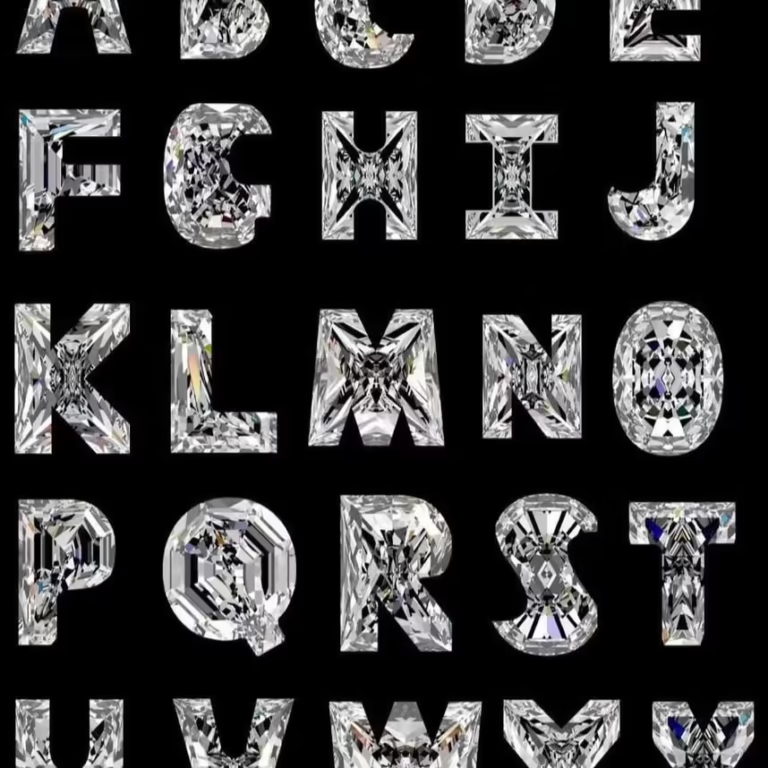
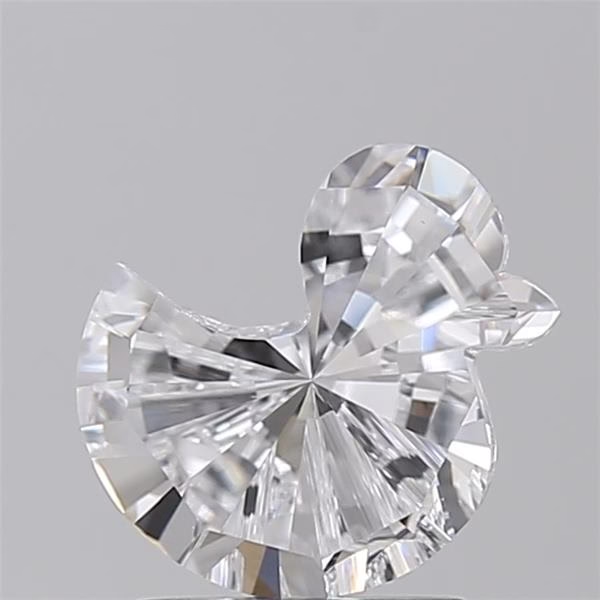
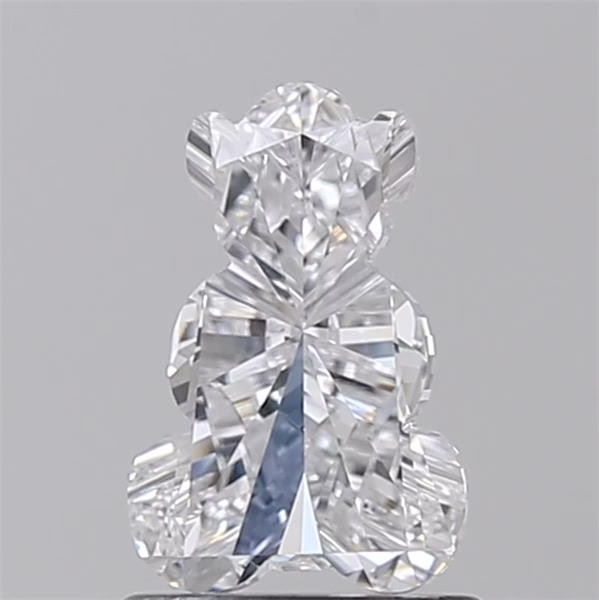
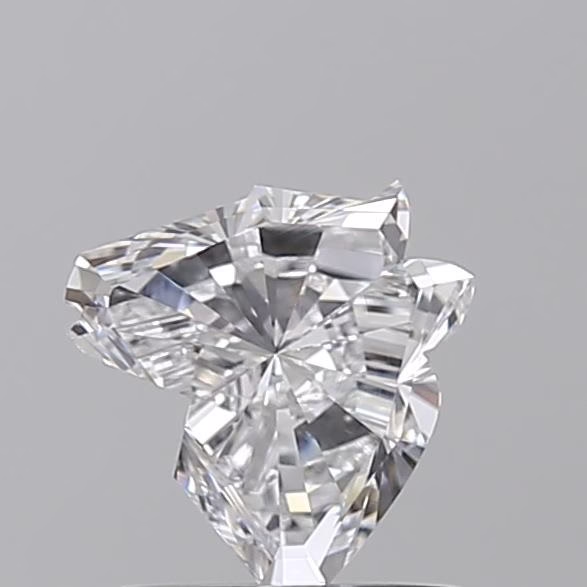
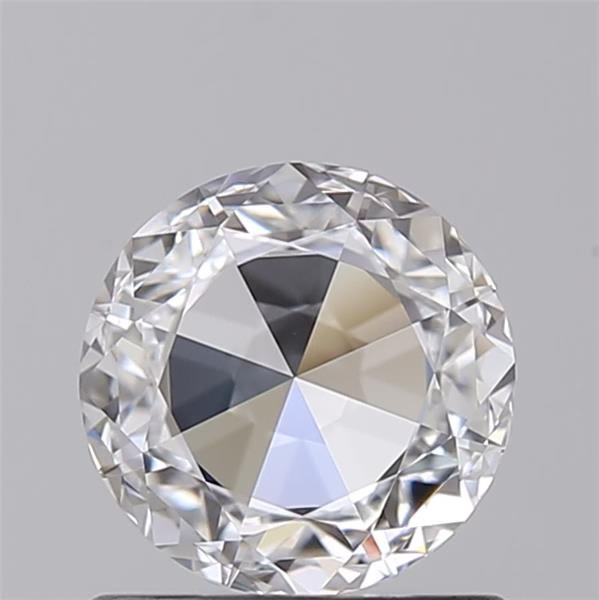
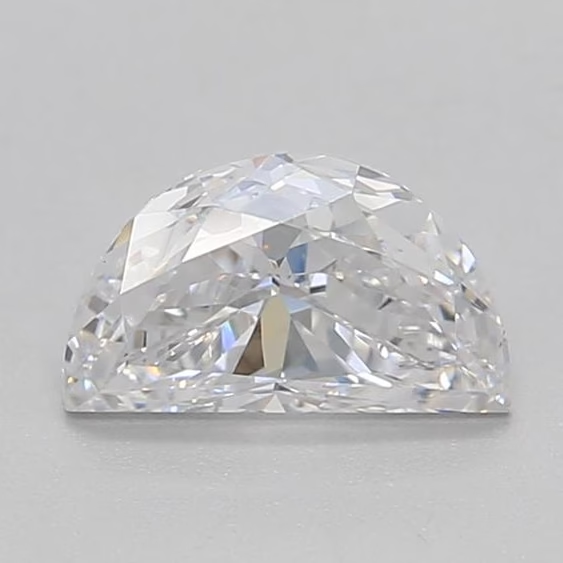
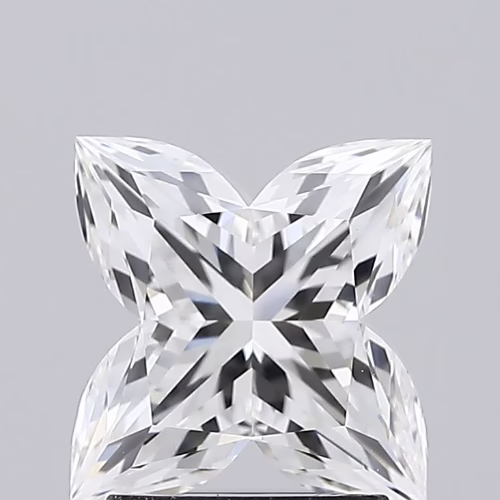
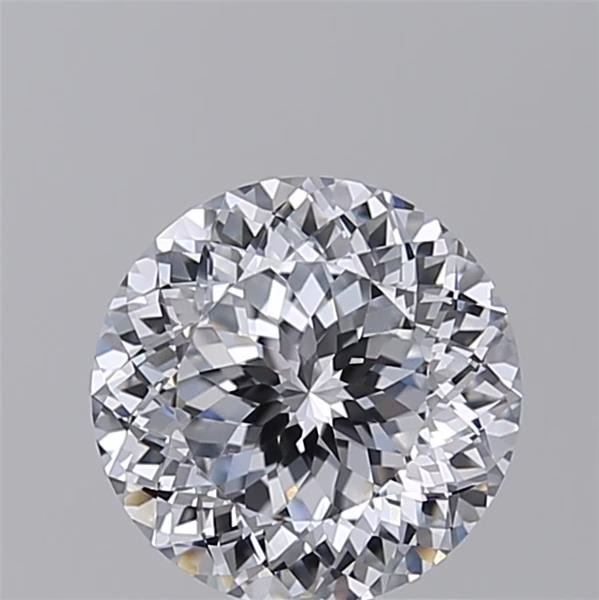
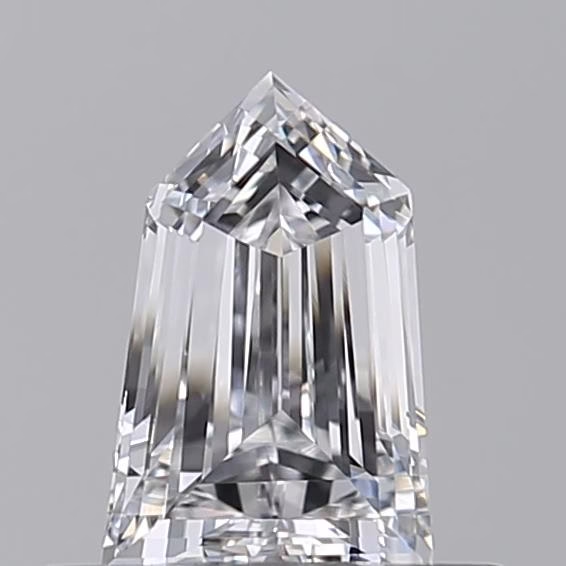
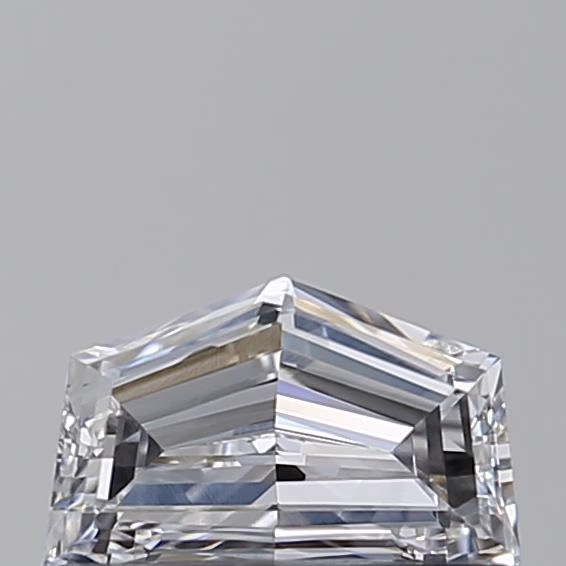
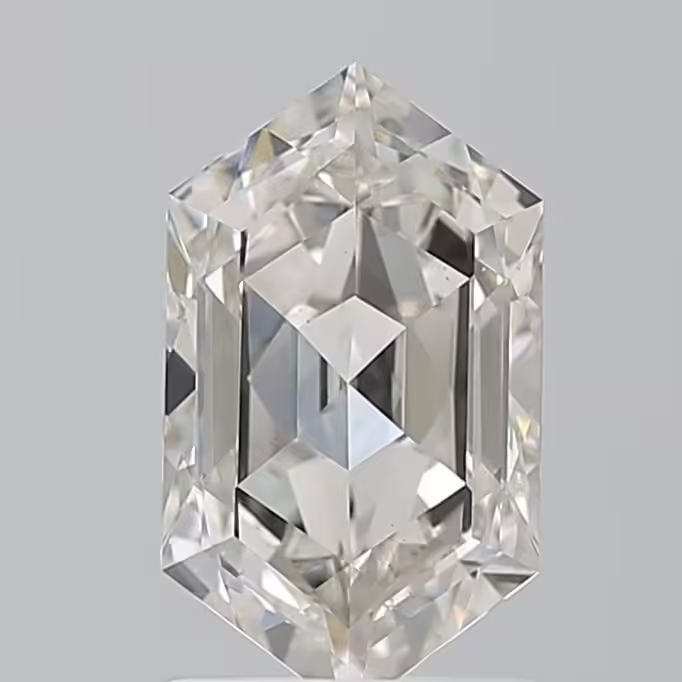
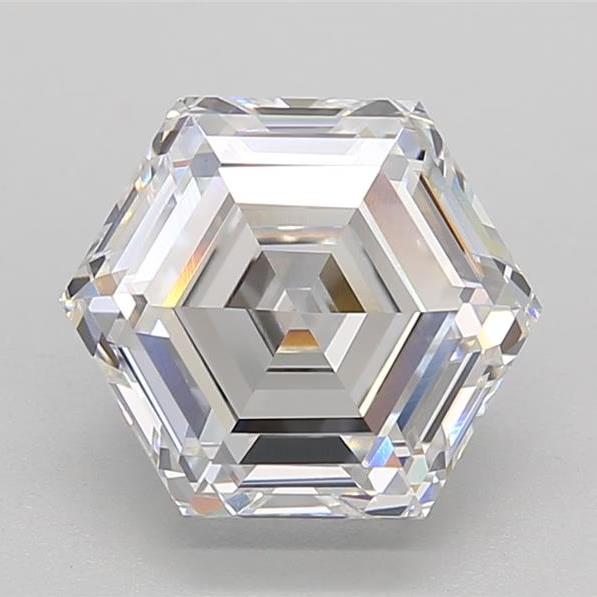
Personolization LGD Customized Shapes
Celebrate the essence of elegance with lab grown diamonds that radiate individuality and charm. Our collection of special colored diamonds is thoughtfully curated to honor the most important women in your life. Whether you’re looking for diamonds for women or colored lab diamonds for gifting, our range offers timeless beauty and modern sustainability. Each piece can be customized – custom colored lab-grown diamonds for special women – to create a gift as unique as she is.
Why Our Lab Grown Diamond
Xplore our newly in Customized Shapes & Cut – Extra 10% Discount Code Today.
Special collection
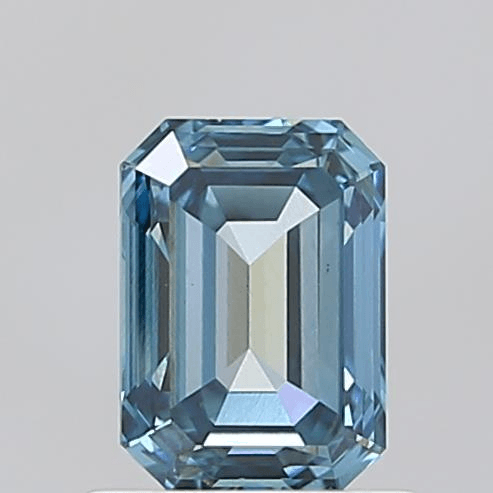
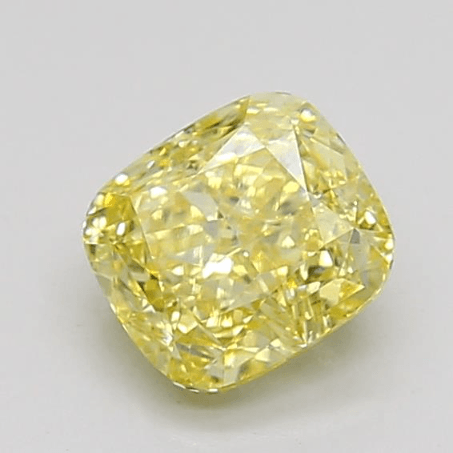
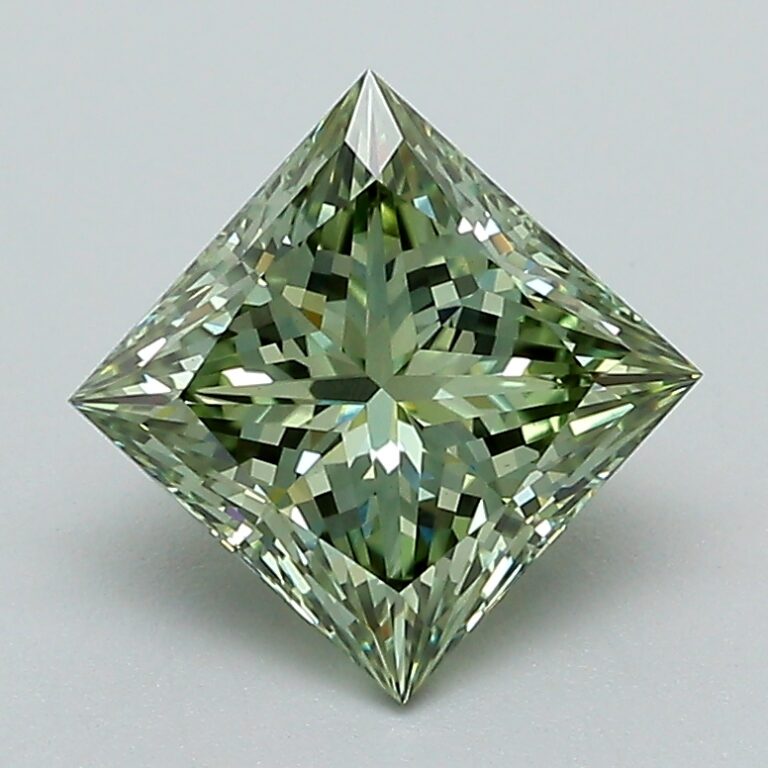
Beauty of colors
forever love
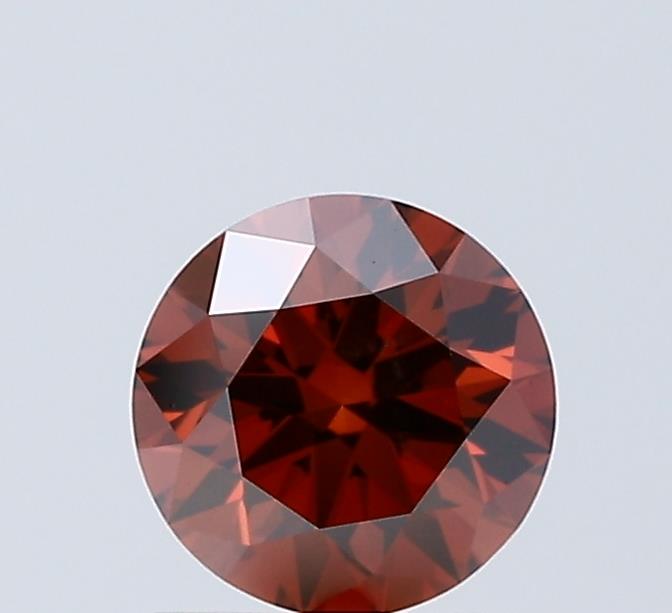
Celebrate timeless moments with rare, radiant hues found in our lab-grown diamond collection.


Primira's
Real Reviews From Real Customers
Lifetime
Warranty
100% Money
Back Guarantee
Easy
Customization
7 Days
Return
14 Days
Exchange
Insured
shipping
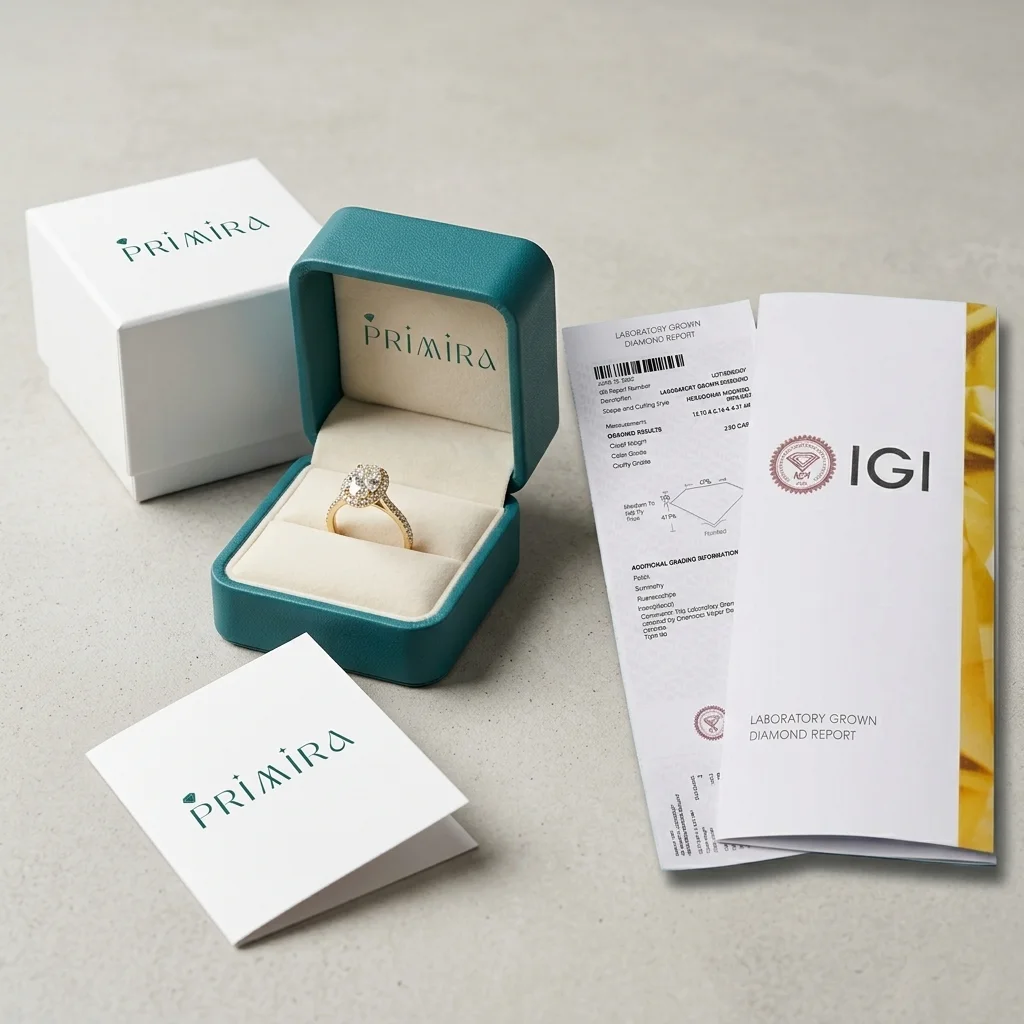
sustainable, beautiful packaging
Give your precious pieces a home they deserve with our stylish, soft-lined jewelry boxes made for effortless organization.
Compare Stone Type
Moissanite
Moissanite, first discovered by the French scientist Henri Moissan in 1893, is a dazzling lab-created gemstone known for its exceptional brilliance. As the second hardest gemstone after diamonds on the Mohs hardness scale, lab-grown moissanite combines durability with stunning sparkle, making it an excellent alternative for those seeking ethical and affordable options.
Lab Grown Diamond
Lab diamonds share the same physical and chemical properties as natural diamonds, making them virtually indistinguishable to the naked eye. While their appearance is remarkably similar, the key difference lies in their creation – lab diamonds are manufactured in controlled environments, offering a sustainable and innovative alternative to traditionally mined stones.
Natural Diamond
Natural diamonds are composed of pure carbon atoms arranged in a crystal structure, formed over millions of years deep within the earth. Extracting these precious gems involves labor-intensive mining, followed by expert cutting and polishing by skilled gem cutters who shape the stones into their final dazzling forms.
FAQ'S
Yes, lab-grown diamonds possess the same chemical, physical, and optical properties as naturally mined diamonds.
Yes, all of Primira Luxury’s lab-grown diamonds are certified by reputable institutions such as the Gemological Institute of America (GIA) or the International Gemological Institute (IGI). These certifications assure the authenticity, quality, trust, and transparency of our lab-grown diamonds, providing you with confidence in your purchase.
Yes, we offer custom design services to create a unique piece tailored to your preferences and Budget , characterised based on the 4Cs – Cut, Colour, Clarity and Carat
Absolutely! We offer wholesale options tailored for business-to-business customers. Whether you’re looking to start a small business or need to purchase jewelry in bulk, we’re here to support your needs. For more details or to discuss your specific requirements, please feel free to contact us directly. You can reach us via email, or for a quicker response, feel free to WhatsApp us at +918200524191. We’re committed to providing quality service and products to help your business succeed.
No. A lot of people think that machines can be programmed to create a specific diamond grade and carat size but that’s really not possible. Machines simply put the right conditions together but then nature takes it from there. Just like with mined diamonds, there will be variances in colour, clarity and carat size in every piece.
Yes, Lab Grown Diamonds are also characterised based on the 4Cs – Cut, Colour, Clarity and Carat – just like natural diamonds
Moissanite is a gemstone that shares similarities with diamonds in terms of brilliance. Its affordability and unique fire have contributed to its growing popularity
Read Our Article Behind Every Collection
Each design at Primira Luxury is handcrafted with precision, purpose, and emotion. From the first sketch to the final polish, our artisans turn your vision into a piece that feels personal, ethical, and timeless.
Read More
Oval Lab Grown Diamonds — No Two Are Cut Alike
Most buyers arrive at this page already wanting an oval. It’s the leading fancy shape going into engagement rings in 2026, and that’s not a marginal shift — bridal-trend tracking shows oval’s share of engagement ring choices rising from roughly a fifth a few years ago to close to a third — where it has now stabilised, having closed the gap with round to within one percentage point , while round’s share has fallen by a comparable amount over the same stretch. The question most buyers actually need answered isn’t “should I get an oval” — it’s “which oval,” because unlike a round brilliant, there’s no single correct version of this shape. Length-to-width ratio, shoulder curve, and tip style all vary by design, not by formula, which means two ovals at identical carat, color, and clarity can still look meaningfully different side by side.
Primira cuts and grades oval lab grown diamonds at our own facility in Surat, the district that processes the largest share of the world’s rough diamond supply. That matters specifically here because an oval’s outline isn’t handed down from a fixed mathematical target the way round’s is — it’s a series of judgment calls our cutters make on the rough itself: how aggressively to elongate, how the shoulders curve into the tips, how the end facets are arranged. A retailer selecting from a supplier’s existing inventory gets whatever outline happened to come in. Buying from the facility that’s actually making those calls means you can ask for a specific one.
The Variable Round Doesn’t Have: Ratio and Outline
Length-to-Width Ratio
An oval’s ratio — length divided by width — is the first decision, and it’s a genuine style choice rather than a quality marker. The full workable range runs roughly 1.30:1 to 1.50:1; inside that, 1.35:1 to 1.50:1 is the range most buyers land on as the best balance of elongation and brilliance. A ratio closer to 1.30:1 reads rounder and fuller — softer, closer to a rounded square. A ratio closer to 1.50:1 reads longer and narrower, with a more pronounced finger-lengthening effect. Neither is more correct than the other; it’s closer to choosing a silhouette than grading a stone.
Shoulder Curve — The Variable Almost No One Names
Between an oval’s widest point and its rounded tips sits a curve most buyers never consciously evaluate, even though it’s doing real work on how the stone reads. A well-proportioned shoulder curves gracefully from belly to tip. Cut too flat, the outline starts drifting toward a marquise silhouette. Cut too square or heavy, it starts reading closer to an elongated cushion. On an oval, the shoulder curve — the arc between the stone’s widest point and its rounded ends — isn’t governed by any published proportion formula; it’s a per-stone outcome of how the rough was oriented at the cutting bench, which is why two ovals at identical carat, color, and clarity can look visibly different from each other.
Tip Style
The rounded ends of an oval can be cut with a single larger facet or with several smaller ones arranged across the tip. Neither is wrong, but they behave differently — a single facet tends to show one clean flash at the end, while a multi-facet tip breaks that same area into smaller, more frequent sparkle. It’s a minor detail next to ratio and shoulder curve, but it’s part of what separates one well-cut oval from another at the same specification.
The Bow-Tie Effect — Elongation’s Honest Trade-Off
Every oval shows some degree of bow-tie — a darker band crossing the stone’s center where the facet pattern can’t return light as evenly as it does at the wider midsection. This isn’t a defect to screen out entirely; it’s a structural consequence of stretching a brilliant facet pattern into an elongated outline, and it shows up to some degree on every oval ever cut, not just the poorly proportioned ones. What cut quality controls is severity, not presence: a well-proportioned stone with correctly balanced crown and pavilion angles keeps the bow-tie subtle enough to read as character rather than a dead zone. A shallow cut lets light escape before it bounces back, and an overly deep cut traps it in the wrong place — both widen the dark band. This is also where ratio and bow-tie interact: pushing toward the longer end of the range (1.45:1–1.50:1) generally requires tighter depth and angle control to keep the bow-tie in check than a more moderate 1.35:1–1.40:1 ratio does.
If you’re choosing between two ovals at the same carat and grade, this — not a published number — is the comparison that actually matters, and it’s worth asking to see the specific stone in motion rather than a single still photo, since bow-tie visibility shifts with angle and light.
Why Oval Doesn’t Get a Cut Grade — And What We Check Instead
Only round brilliant diamonds receive a numeric overall cut grade from IGI or GIA — the formula behind that grade was built around round’s fixed, mathematically defined proportions. Oval, like every fancy shape, doesn’t have one consistent target to grade against, so it isn’t assigned an overall cut grade either. What does get graded, and what appears on every oval’s IGI report, is polish and symmetry — two real, independently verifiable measures of execution quality, separate from the proportion question entirely.
In practice, that means evaluating an oval comes down to three things working together rather than one number: the length-to-width ratio (a style fact, not a quality score), polish and symmetry (graded, verifiable), and bow-tie visibility (assessed visually, since no lab currently scores it numerically). A stone can carry excellent polish and symmetry and still show a heavier bow-tie than another stone graded identically — which is exactly why we’ll confirm ratio and show the specific stone’s character before it goes into production, rather than letting a grade alone stand in for what you’re actually getting.
Oval vs Round Lab Grown Diamond
Oval and round now sit close enough in overall popularity that the comparison is worth making on substance rather than habit. A few things distinguish them in opposite directions:
Growth trajectory. Round remains the most commonly chosen shape overall, but its lead has narrowed sharply — from holding the clear majority of choices a few years ago to closer to a third today, with oval rising to take up most of the difference. That’s a steeper shift than a simple snapshot comparison shows; oval isn’t a stable alternative to round, it’s the shape actively gaining ground on it.
Face-up size. Because an oval’s elongated outline spreads the same carat weight across more visible surface area, it reads larger from above than a round of identical weight — commonly cited at somewhere around 10–15% more apparent spread, depending on the specific ratio chosen. Round concentrates the same weight into a smaller, denser footprint.
Grading. Round is the one shape that receives a formal overall cut grade. Oval doesn’t — see above — which shifts more of the evaluation burden onto ratio and bow-tie assessment rather than a single published number.
Cost. The same yield mechanic explained in full on our round lab grown diamonds page — round’s true-circle requirement sacrifices more of the rough than an elongated outline needs to — generally puts oval below round at matched color, clarity, and carat, though the exact gap varies stone to stone rather than following one fixed ratio.
If consistent, symmetrical brilliance with no outline variation to evaluate is what you want, round is the more predictable choice. If you want more visible spread per carat and you’re comfortable evaluating ratio and bow-tie character as part of the decision, oval is built for exactly that trade-off.
Choosing a Setting for an Oval
Prong vs Bezel
A 4-prong or 6-prong setting is the standard choice and shows the most facet surface, letting whatever ratio and bow-tie character you selected actually be visible. A full or partial bezel wraps some or all of the stone’s perimeter in metal — it sacrifices some light exposure but adds real protection at the tips specifically, since the rounded ends, while not pointed the way a pear or marquise tip is, are still the thinnest cross-section of the stone and benefit from the extra coverage on an active-wear ring.
East-West Orientation
Most oval settings run the stone vertically, lengthening the finger. Setting it horizontally instead — east-west — is a smaller but genuine design choice that reads more contemporary and can make a moderately sized stone feel more distinctive across the finger rather than along it. Worth deciding early, since it changes how prong placement interacts with the shoulder curve.
Clarity and Color Guidance Specific to Oval
Oval’s open, elongated facet pattern doesn’t conceal inclusions and body color the way round’s all-around scatter does — and it behaves differently from round in one specific way worth knowing: color and any visible inclusions tend to concentrate near the tips rather than spreading evenly, because that’s where the facet structure narrows. We stock VVS1 to VS2 across the board, all eye-clean, with no SI2 or lower in any shape — so clarity isn’t where this shows up in practice. Color grade is where it’s worth paying slightly closer attention than you would on a round: D-E-F colorless keeps the tips reading bright with no warmth creeping in at the ends, while G-H-I near-colorless, though still a real value choice elsewhere on the site, is more likely to show a trace of warmth specifically at an oval’s tips than it would across a round’s evenly scattered facets. Worth factoring into the decision if a longer, narrower ratio is what you’re after — more elongation means more tip area where color has room to show.
Custom Requests — Ratio, Curve, and Paired Stones
Because there’s no single correct oval, this is the one shape on the site where specifying a precise outline character is a standard, not an unusual, request. A target ratio narrower than our standard band, a specific shoulder-curve preference (fuller and softer, or longer and sleeker), or a particular tip style — all of these are production specifications, not sourcing requests, confirmed via WhatsApp before cutting begins, the same pre-production step every custom order on the site goes through.
The request that comes up most often beyond a single stone: matched-ratio pairs for two-stone settings. Oval paired with a contrasting shape — round, marquise, or pear — is one of the most requested combinations for a toi et moi ring, and getting the proportion relationship right between two differently shaped stones is a cutting-stage decision, not something correctable after the fact. If that’s the piece you’re building toward, it’s worth specifying both stones together rather than sourcing the oval first and matching a second shape to it later.
If saturation or budget per carat matters more than diamond composition specifically, hand-cut moissanite is also cut to oval on order, at a different price point.
Caring for an Oval-Cut Stone
An oval has no actual point to chip — a real, structural difference from a pear or marquise, whose tapered ends genuinely are vulnerable. But it would overstate the case to call an oval risk-free at the ends: the rounded tips are still the thinnest cross-section of the stone, even without a point, which means a prong sitting at the tip carries slightly more responsibility than one at the wider midsection and is worth checking for tightness over time, particularly on a ring worn daily. This is a milder version of the vulnerability a pear or marquise tip carries, not the same risk in a softer form — worth knowing precisely rather than assuming either “oval is fragile like a pear” or “oval has zero vulnerability at all,” since neither is accurate.
Day-to-day handling otherwise follows the same rules as any loose stone in our care: store separately so diamonds don’t scratch each other, avoid extended bare-finger contact with the table before setting, and keep the certificate with the stone until it’s set.
Certification, Verification, and From Order to Your Door
Every oval lab grown diamond ships with an IGI report stating polish, symmetry, color, and clarity, with the report number laser-inscribed on the girdle and verifiable independently at igi.org. Since there’s no overall cut grade to anchor a claim to, the ratio and outline character you confirm before production is the actual record of what you’re getting — not a number on a certificate standing in for it. That confirmation, alongside carat, color, and clarity, happens via WhatsApp and email within 24 hours of checkout, before anything goes into production.
Certified ovals already in inventory dispatch within 48 hours of order confirmation. A custom ratio, shoulder-curve request, or matched pair for a two-stone setting runs our standard 15 to 35 business day production window, occasionally up to 45 where sourcing or certification coordination adds time. Every shipment leaves our Surat facility fully insured — if something goes wrong in transit, we coordinate the resolution, not you , and the 7-day return window applies if what arrives doesn’t match the confirmed specification. As with our other loose stone pages, As with other loose stones on the site, the buyback program isn’t the right mechanism here — it’s designed around pieces that have been set and worn, not a stone that hasn’t gone into production yet.
Looking for the shape already set? Our oval engagement ring settings cover cathedral and low-profile basket options built around an oval’s specific proportions. Comparing shapes first? Round brilliant lab grown diamonds and our full loose lab grown diamond range cover the rest of the lineup, including pear — the other elongated shape with its own bow-tie and orientation considerations.
Frequently Asked Questions
What’s the ideal length-to-width ratio for an oval diamond?
The full workable range is roughly 1.30:1 to 1.50:1, with 1.35:1 to 1.50:1 the range most buyers prefer as the clearest balance of elongation and brilliance. Closer to 1.30:1 looks rounder and fuller; closer to 1.50:1 looks longer and narrower with a stronger finger-lengthening effect. It’s a style decision, not a quality grade.
What causes the bow-tie effect, and can it be eliminated?
Every oval shows some degree of bow-tie — a darker band across the center where the elongated facet pattern can’t return light as evenly as the wider midsection does. It can’t be eliminated entirely on any oval, but correct depth and angle proportions keep it subtle rather than pronounced. It’s a structural trade-off of the elongated shape, not a defect specific to poorly cut stones alone, though poor cutting does make it worse.
Does an oval lab grown diamond get a cut grade like a round does?
No. Only round brilliant diamonds receive an overall numeric cut grade, because the grading formula is built around round’s fixed proportions. Oval is graded on polish and symmetry instead, with ratio and bow-tie visibility assessed separately rather than folded into one published number.
Oval vs round lab grown diamond — which should I choose?
Round offers maximum, evenly distributed brilliance with no outline variation to evaluate, and currently still leads in overall popularity, though oval has been closing that gap quickly. Oval shows more visible spread per carat at the same weight and costs somewhat less at matched specifications, but requires evaluating ratio and bow-tie character rather than relying on a single grade. The choice comes down to predictable uniform brilliance versus more visible size and a shape with genuine character variation.
Are oval lab grown diamonds less expensive than round at the same carat?
Generally yes, for the same reason explained on our round diamond page — round’s perfectly symmetrical outline sacrifices more of the rough crystal than an oval’s elongated shape requires. The exact difference varies by the specific stones being compared rather than following one fixed percentage.
What setting works best for an oval lab grown diamond?
A 4-prong or 6-prong setting shows the most facet surface and lets the ratio and bow-tie character you chose stay visible. A full or partial bezel trades some of that visibility for real protection at the tips, which matters more for active daily wear than for an everyday low-impact setting.
Do oval diamonds chip easily at the ends?
Less than a pear or marquise, which have actual pointed tips. An oval’s ends are rounded, not pointed, so there’s no sharp point to chip in the first place. They are, however, the thinnest section of the stone, which makes prong security at the tips worth checking periodically — a smaller version of the concern a true pointed shape carries, not the same risk in disguise.
 Chat on WhatsApp