Lab Grown Diamonds Pros and Cons: Your Complete 2026 Guide
Lab grown diamonds pros and cons are dominating conversations in jewelry stores across India in 2026. Are these man-made gems really 60–80% cheaper than natural diamonds while delivering identical sparkle, ethics, and durability? This ultimate guide reveals every advantage and disadvantage so you can confidently pick the perfect engagement ring or fine jewelry piece – without regrets or overspending.
Whether you’re shopping in Surat, Mumbai, or online, understanding lab grown vs natural diamonds helps align your purchase with love, values, and budget.
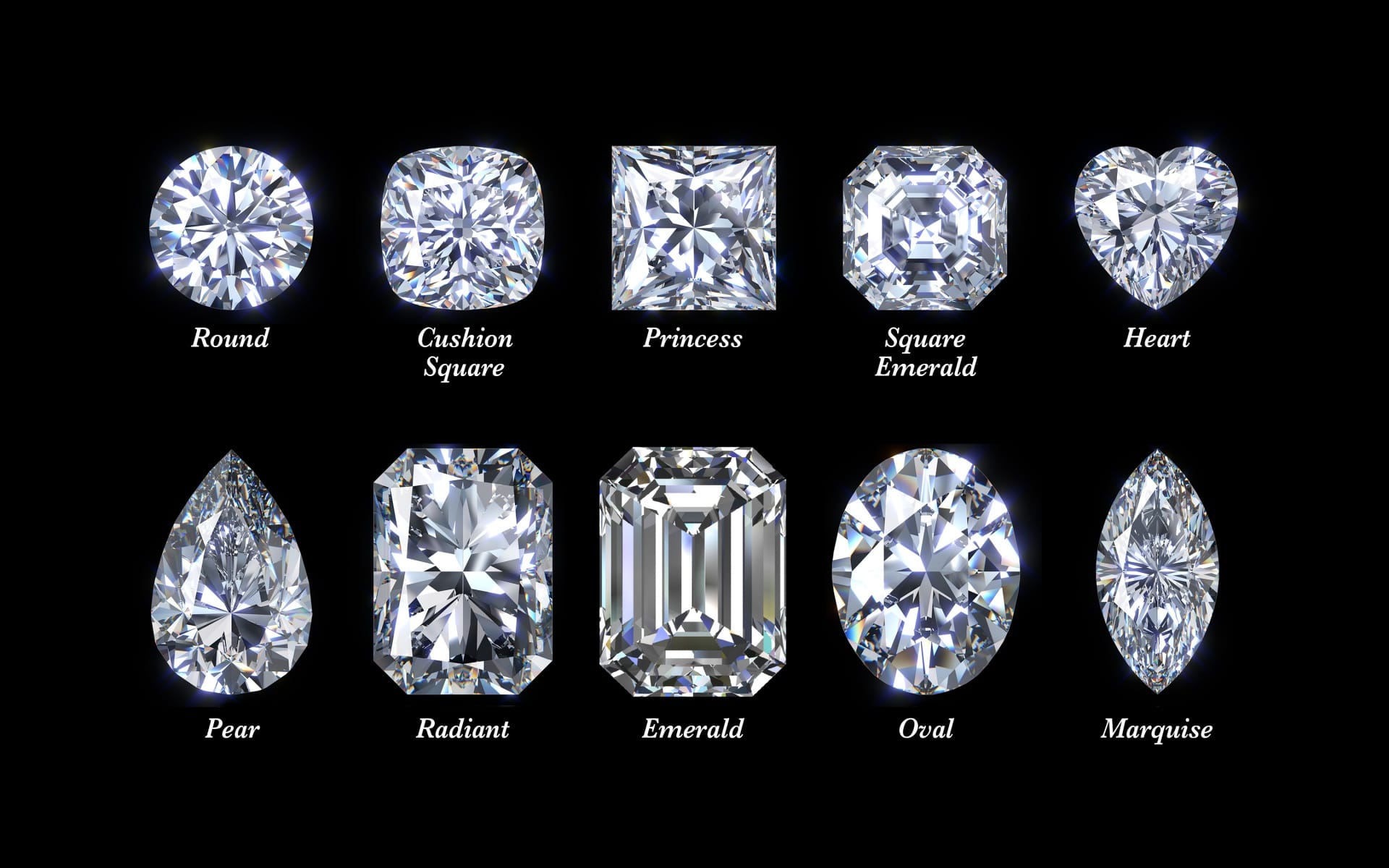
Lab Grown Diamonds vs Natural Diamonds: Pros, Cons & What Wins in 2026?
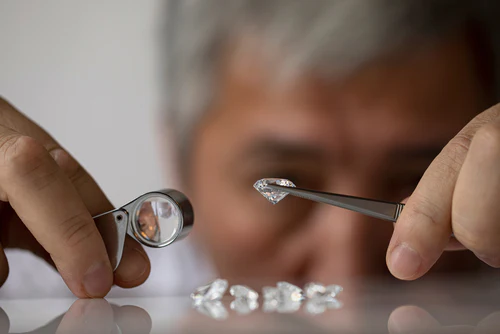
Imagine two diamonds sparkling side-by-side – one formed over billions of years underground, the other created in weeks using advanced HPHT or CVD technology. Both look, feel, and test identical. Yet their stories – and prices – are worlds apart.
Here’s a clear 2026 comparison:
| Aspect | Lab Grown Diamonds | Natural Diamonds |
|---|---|---|
| Price (1 carat example) | ₹20,000 – ₹80,000 (often 60–80% less) | ₹70,000 – ₹5,00,000+ |
| Ethics & Sustainability | Conflict-free, lower carbon footprint, no mining | Mining can impact environment & communities |
| Quality & Sparkle | Chemically, physically identical (10 on Mohs scale) | Same hardness & brilliance |
| Environmental Impact | Much smaller footprint | Higher due to mining |
| Resale Value | Lower (focus on personal joy, not investment) | Traditional (but declining in some segments) |
| Availability & Size | Easier to get larger/higher quality stones affordably | Rarity drives premium pricing |
Data source: 2026 India market reports show lab grown options delivering massive savings while the sector grows at ~14.8% CAGR.
What Are Lab-Grown Diamonds? Facts You Must Know
Lab-grown diamonds (also called cultured or synthetic) are created in controlled labs using technology that replicates nature’s extreme heat and pressure. The result? Pure carbon crystals that are 100% diamond – same composition, same fire, same durability as mined ones.
Key fact in 2026: Indian manufacturers (especially in Surat, Gujarat) lead global production, driving prices even lower while maintaining top GIA/IGI certification standards.
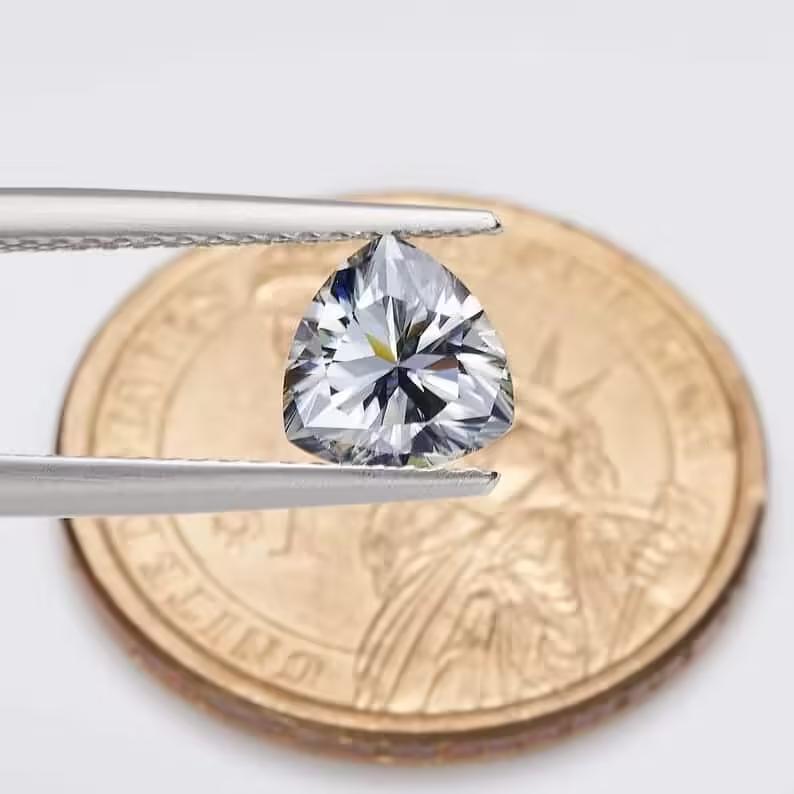
5 Common Myths About Lab Grown Diamonds Debunked (2026 Update)
- “They’re not real diamonds” → False. They are real diamonds – certified as such.
- “They won’t last” → They score 10/10 on Mohs hardness, perfect for daily wear.
- “No prestige” → Modern luxury now celebrates conscious choices; many celebrities and couples choose them proudly.
- “Poor quality” → Labs now produce flawless Type IIa stones more easily than mines.
- “No resale at all” → Resale exists but lower; value lies in ethics, size, and story.
Lab Grown Diamonds Trends 2026: Why India is Going Crazy for Them
India’s lab grown diamond jewelry market hit ~USD 453.7 million in 2026 and is projected to grow rapidly thanks to affordability, sustainability, and customization. Couples want bigger stones, intricate designs, and guilt-free luxury – lab grown delivers all three.
In cities like Surat and Mumbai, buyers are upgrading from 1-carat natural to 2-carat lab grown for similar budgets.
Real Couple Story: How Arjun & Meera Saved 40% with Lab Grown Diamonds
Arjun and Meera from Mumbai dreamed of a stunning 1.5-carat engagement ring. A comparable natural diamond would cost over ₹3 lakh. They chose a certified lab grown stone instead – saving ~40-50% – and invested the difference in a custom halo setting.
Their ring now symbolizes love and responsibility. Ready to create your story? Explore Primira Luxury’s certified lab grown diamonds collection today.
Why Lab Grown Diamonds Feel More Meaningful Than Ever
A diamond isn’t just a stone – it’s a promise. Choosing lab grown embeds values like sustainability and mindfulness into your forever symbol. For eco-conscious couples in 2026, that deeper meaning often outweighs traditional rarity.
How to Buy Lab Grown Diamonds in India: Pro Tips & 4Cs Checklist
Focus on the 4Cs just like natural diamonds:
- Cut: Excellent or Very Good for maximum sparkle
- Color: G-I for near-colorless beauty
- Clarity: VS or SI – eye-clean and excellent value
- Carat: Go bigger for the same budget!
Quick 2026 India Tips:
- Expect 60–80% savings → A premium 1-carat lab grown often costs ₹40,000–₹80,000 vs ₹2–5 lakh natural.
- Always demand GIA/IGI certification.
- Prioritize ethical producers (India leads here!).
- Match setting to diamond—poor setting dulls even the best stone.
Avoid pitfalls: Don’t buy for investment; skip uncertified stones; test in person.
Need expert guidance? Book your free personalized diamond consultation with Primira Luxury now – our Surat-based team helps you every step.
Lab Grown Diamonds Pros and Cons - Final Verdict: Which One is Right for You?
Pros of lab grown diamonds:
- Massive affordability (60–80% cheaper in 2026)
- Identical beauty & durability
- Ethical, sustainable, conflict-free
- Bigger sizes & better designs possible
- Perfect for conscious modern couples
Cons of lab grown diamonds:
- Lower resale value (not an investment stone)
- No “billions-of-years” rarity story
- Rapid price drops can affect perceived luxury
If you want breathtaking sparkle, ethical peace of mind, and smart budgeting – grown wins in 2026. If rarity and traditional investment matter most – go natural.
What matters most to you? Browse Primira Luxury’s lab grown diamond rings
Lab Grown Diamonds Pros and Cons – FAQs
Are lab grown diamonds real?
Yes – 100% real diamonds, chemically and physically identical to natural ones, certified by GIA/IGI.
Do lab grown diamonds have resale value in India?
Resale exists but is lower than natural. Their true value is in ethics, size, and personal meaning – not as financial assets.
Lab grown or natural diamonds - which is better in 2026?
Lab grown wins for most buyers on price, ethics, and customization. Natural suits those prioritizing rarity.
How much cheaper are lab grown diamonds in India right now?
Typically 60-80% less. Example: Quality 1-carat lab grown ~₹20k-80k vs natural ₹70k-5L+.


