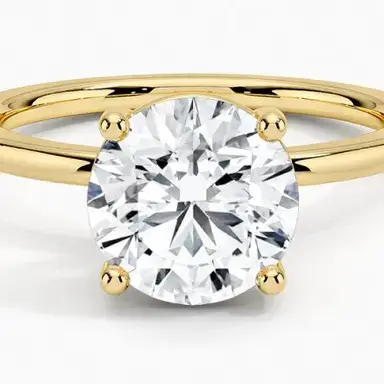
Bead
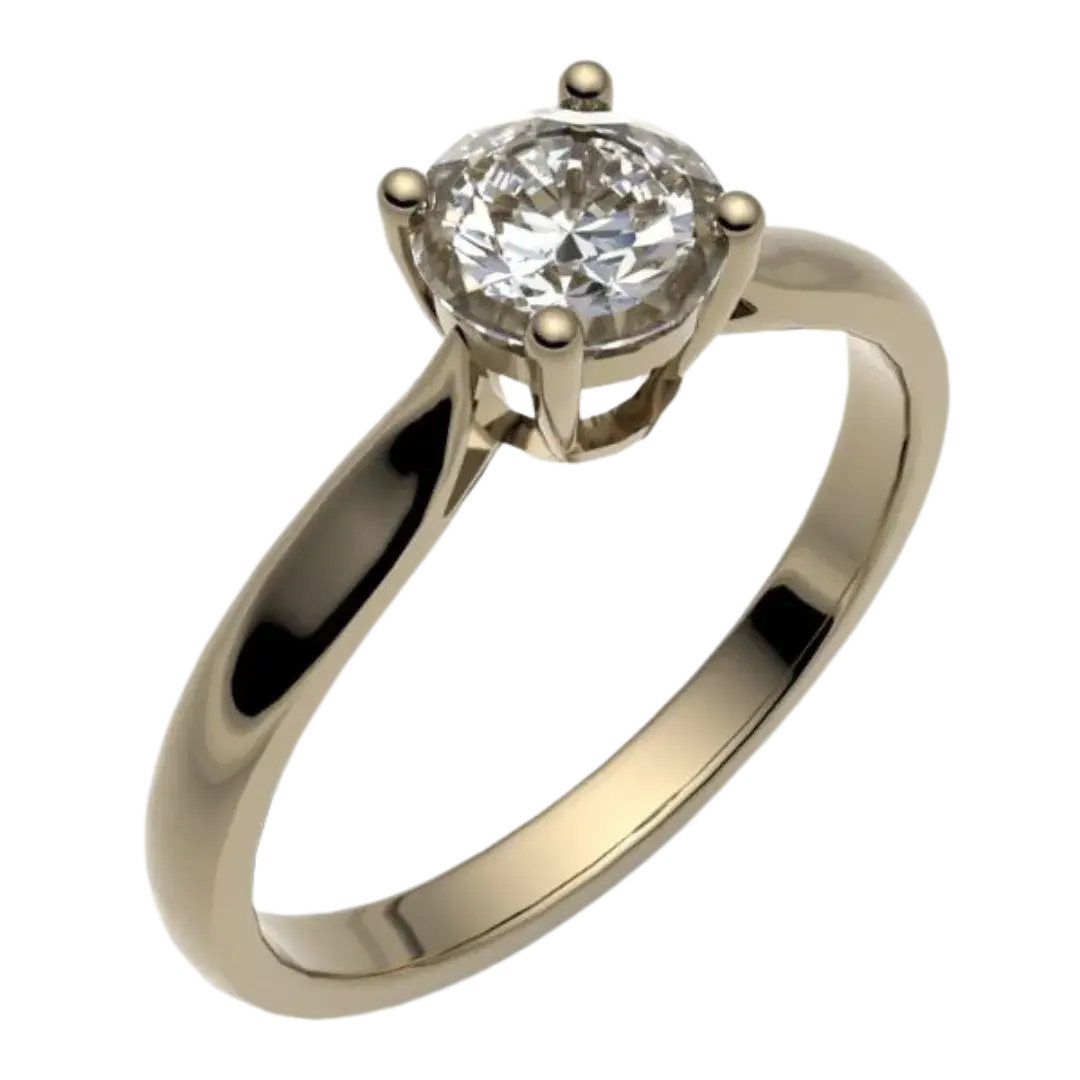
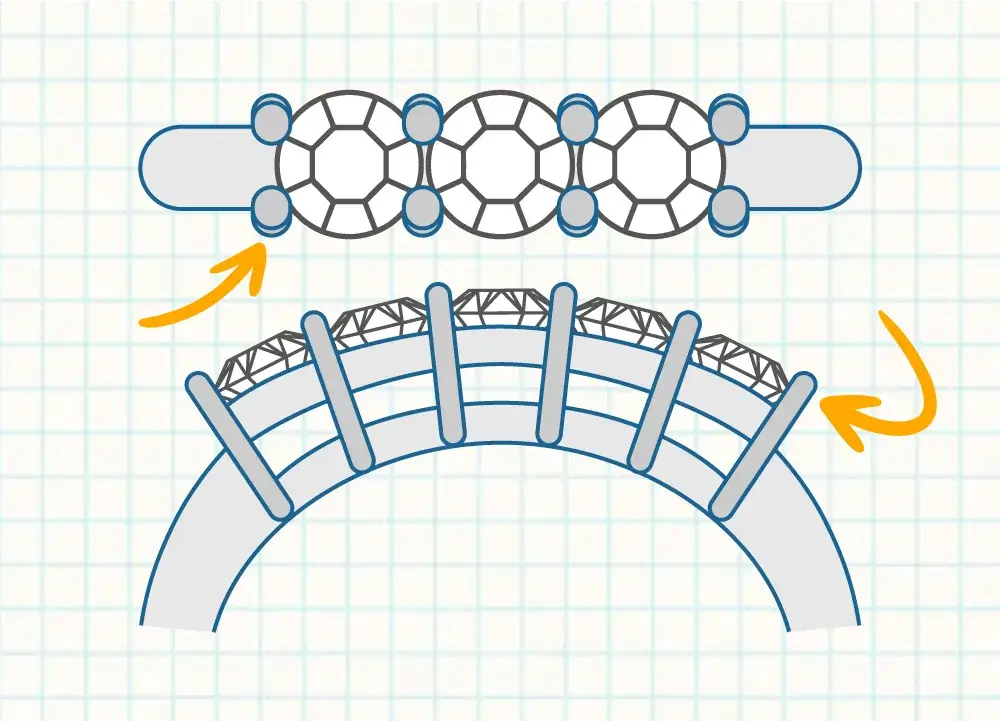
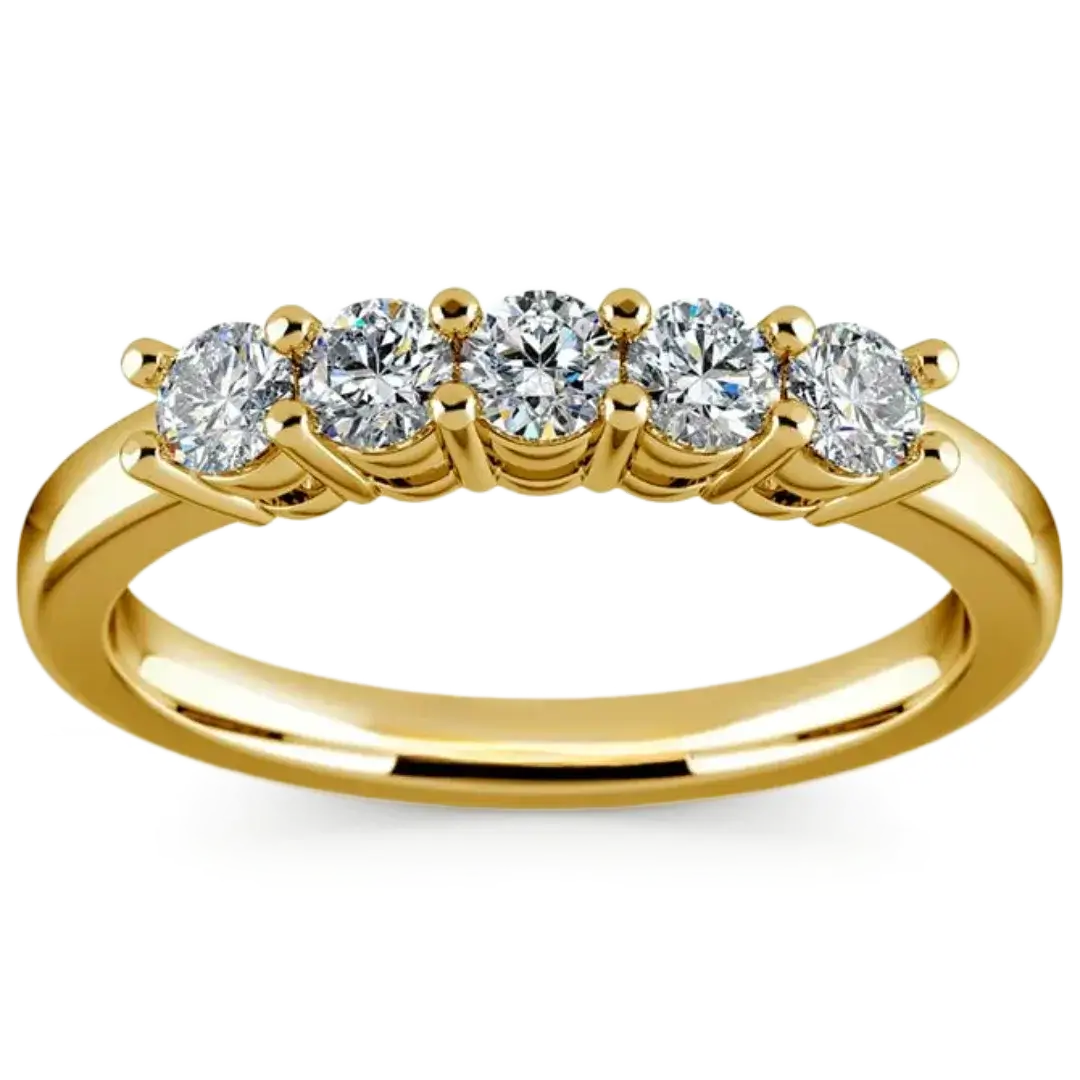
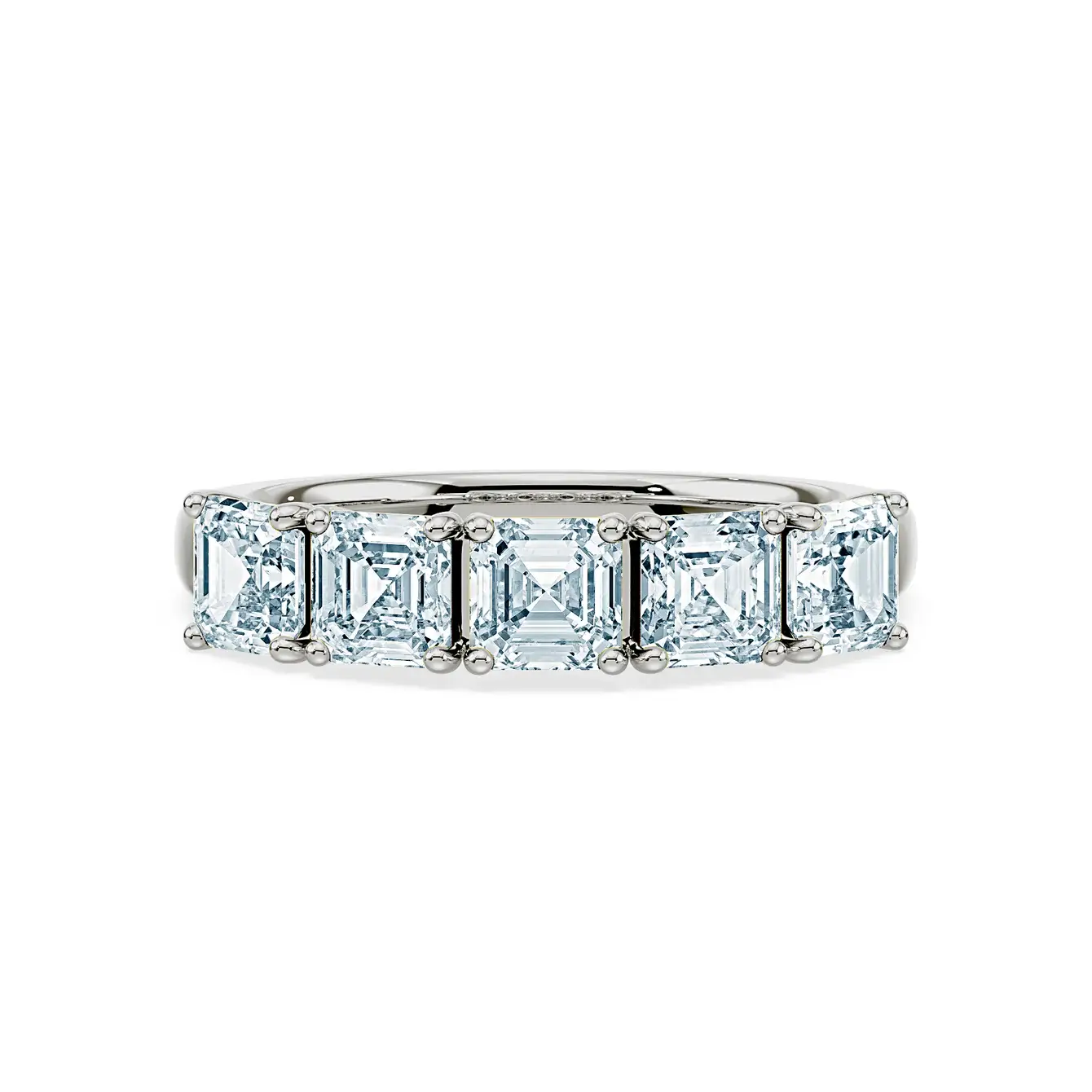
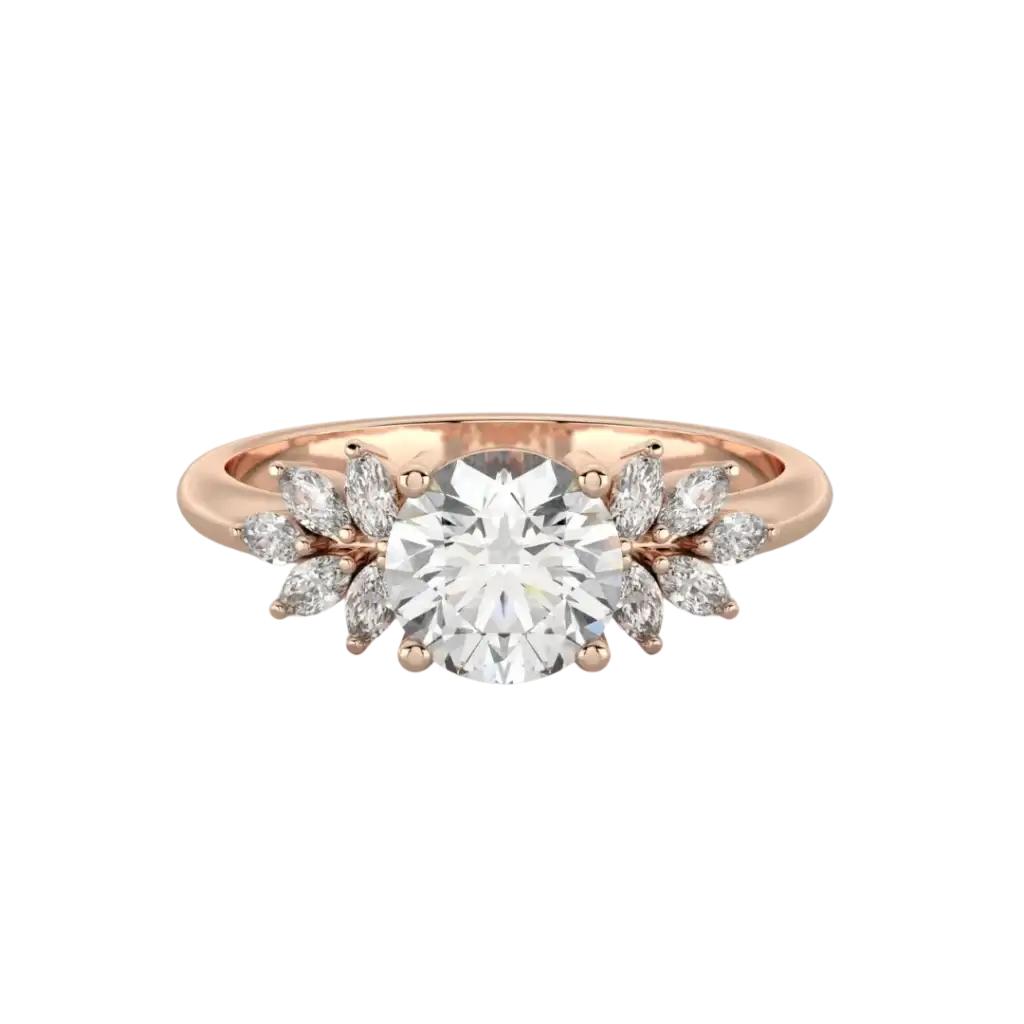
Rounded, bead-shaped tips at the end of each prong, holding the stone securely while adding a small decorative detail at each contact point. This softens the look of the prongs slightly compared to a sharp claw tip, without changing how the setting actually functions.
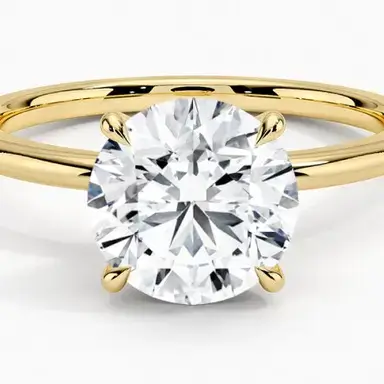
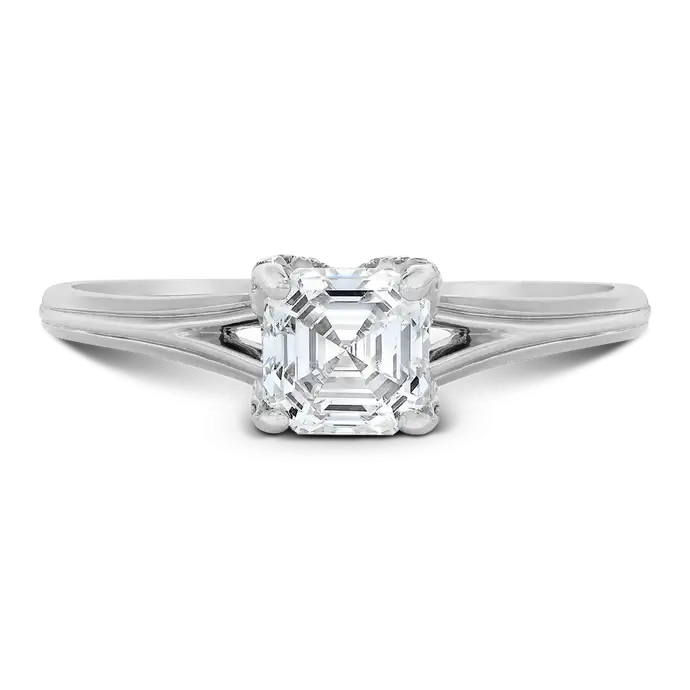
Claw
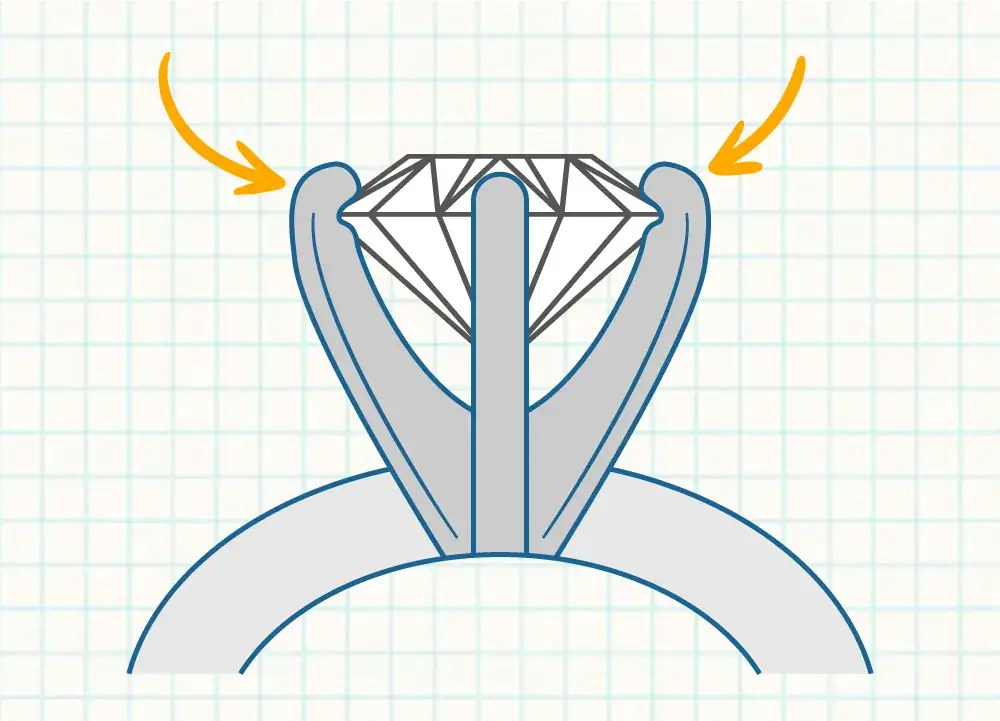
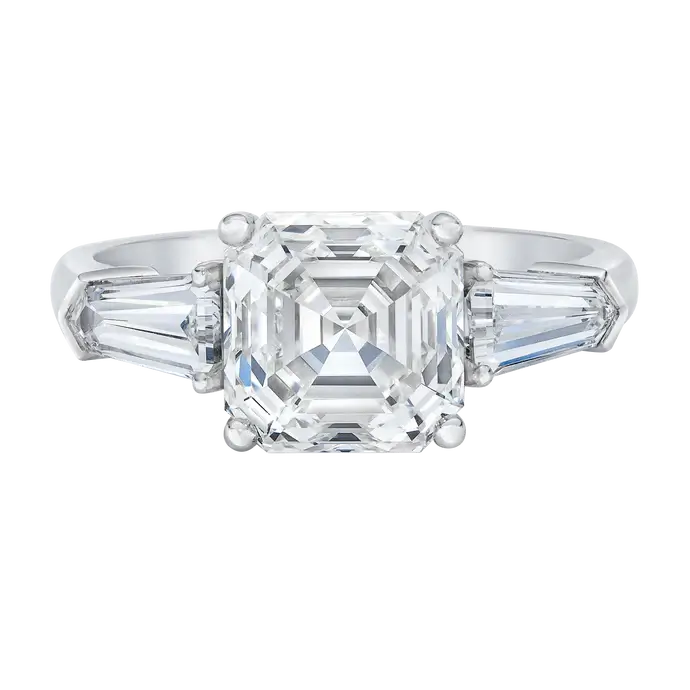
Pointed, claw-shaped prongs that grip the stone with minimal metal, giving maximum visibility to the stone itself. This is the most common prong style overall, and the one most people picture when they think of a classic prong-set ring.
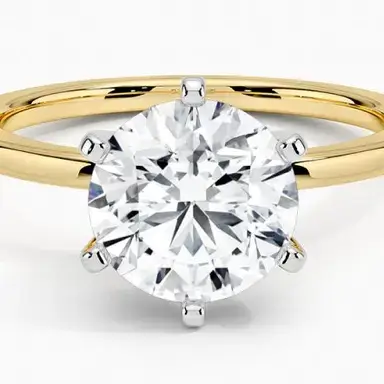
Six Prong
Six prongs instead of the standard four, spreading the stone's weight across more contact points. This adds extra security and is often chosen for larger or heavier center stones, where four prongs alone might feel less reassuring, at the cost of slightly more visible metal around the stone.
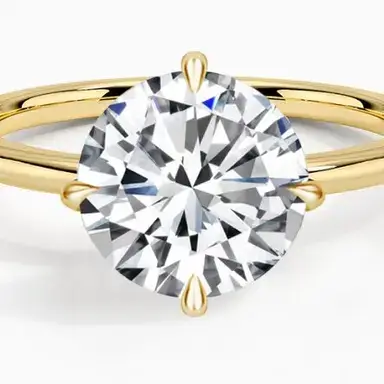
Compass
Four prongs positioned at the north, south, east, and west points of the stone rather than at its corners. This gives a clean, symmetrical look that works particularly well on round and cushion cuts, where corner-style prongs aren't a natural fit.
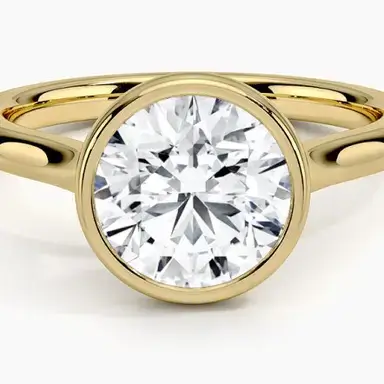
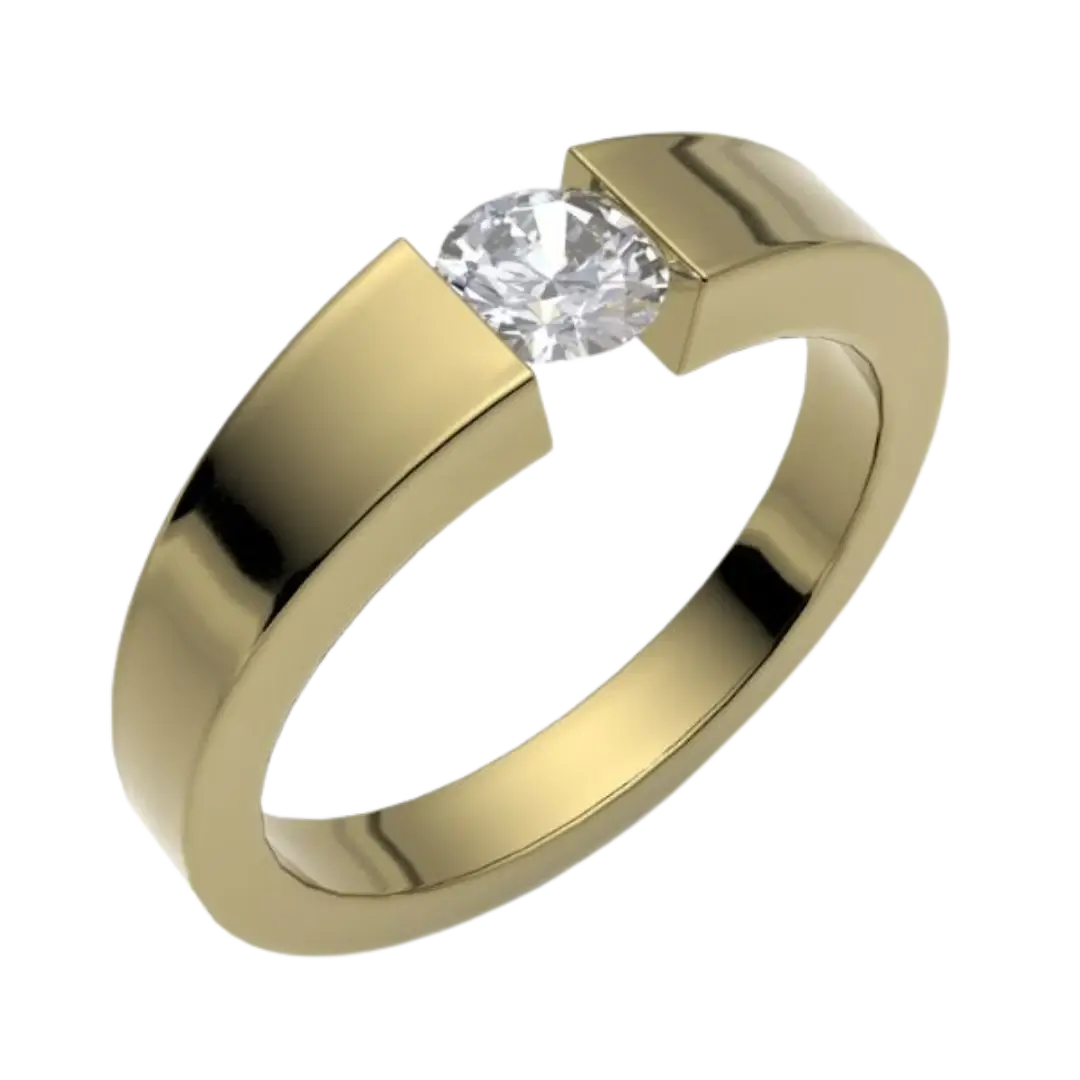
Bezel
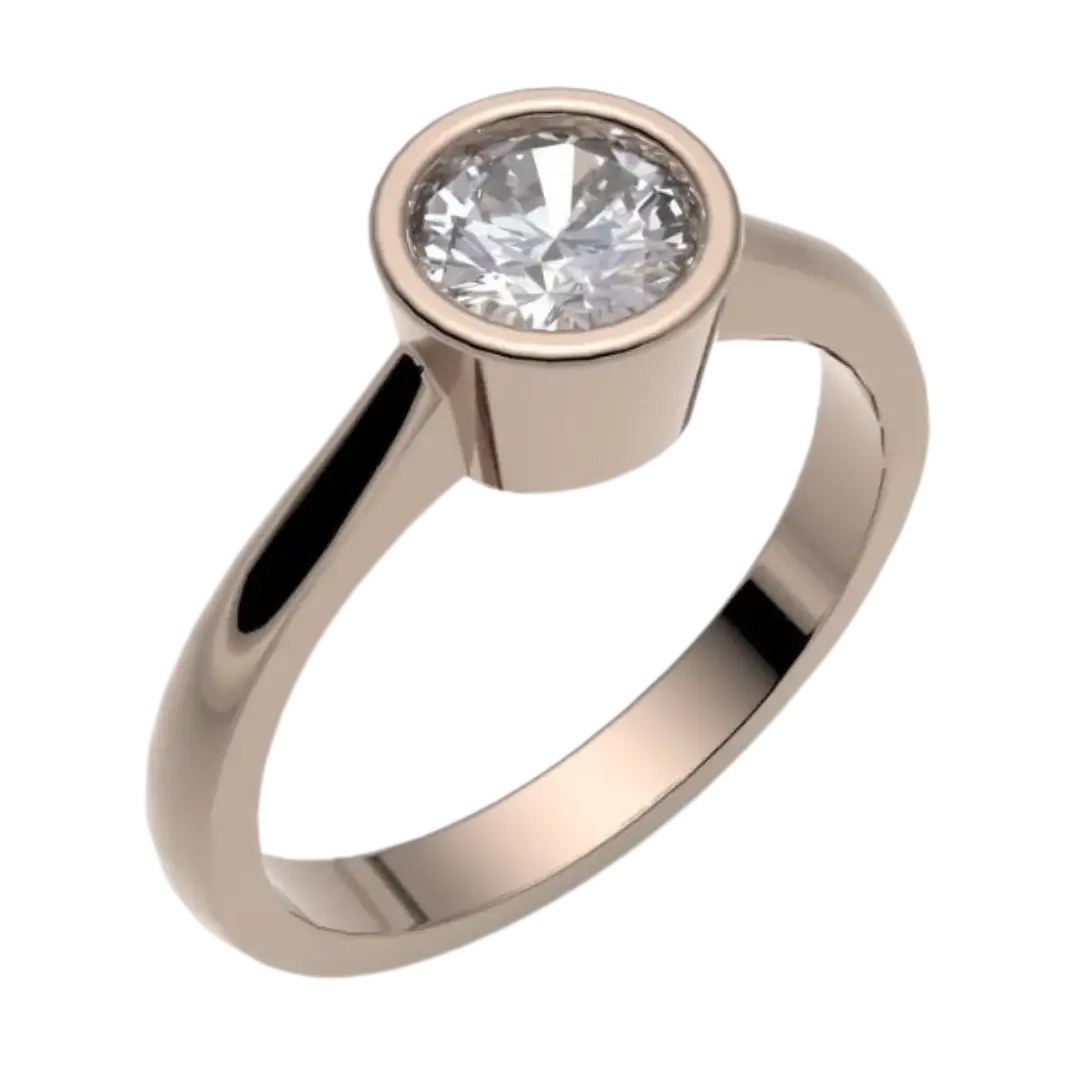
A full metal rim replacing individual prongs entirely, wrapping around the stone's edge instead of gripping it at a few points. This is covered in more detail under Bezel Setting in Tab 1, since the function is identical — full protection, with a small tradeoff in light entry.
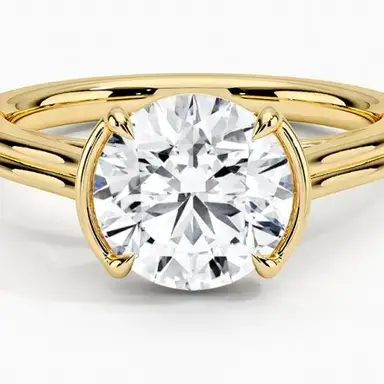
Semi Bezel
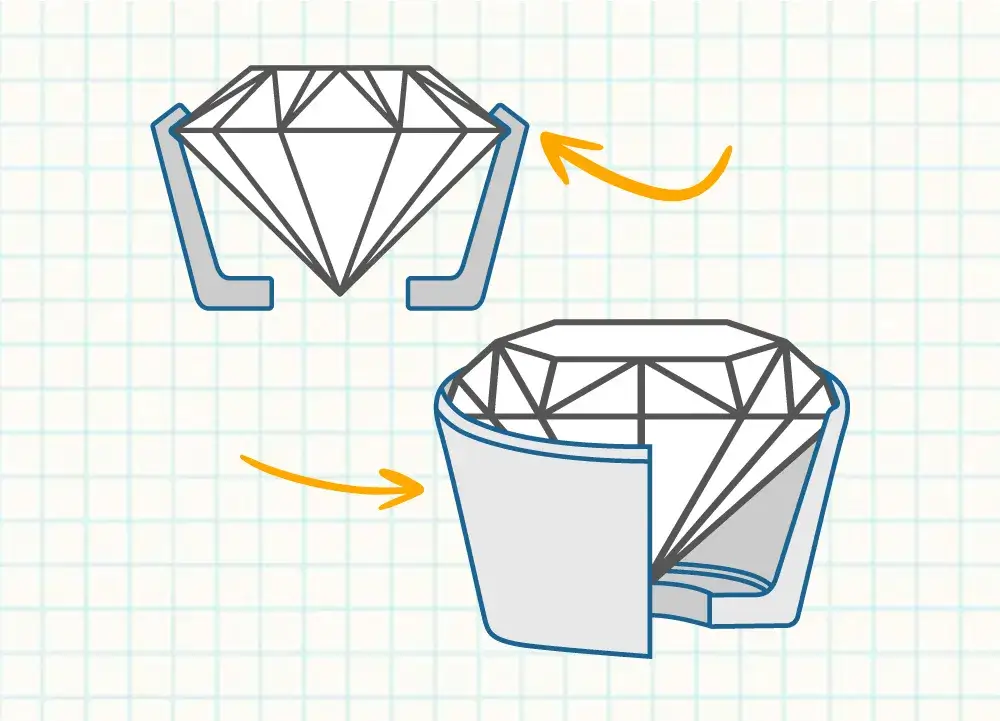
Partial bezel settings uniquely combine metal encirclement with open visibility, offering both durable protection and an elegant showcase for the center stone.
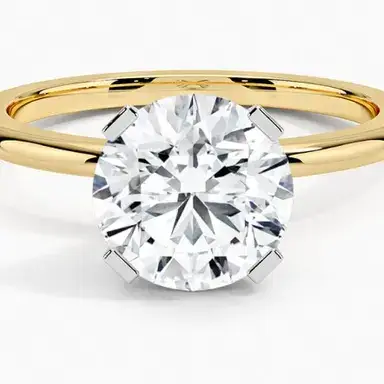
Paddle Prong
Flat, paddle-shaped prongs that sit close against the stone, giving a streamlined, minimalist look compared to traditional pointed claws. This style suits modern, clean-lined ring designs where you want security without the prongs drawing visual attention.

Multi Prong
More than six prongs, generally used on larger or heavier stones where additional contact points provide extra peace of mind. This is less common than four or six-prong settings, and typically reserved for statement pieces or larger center stones specifically.
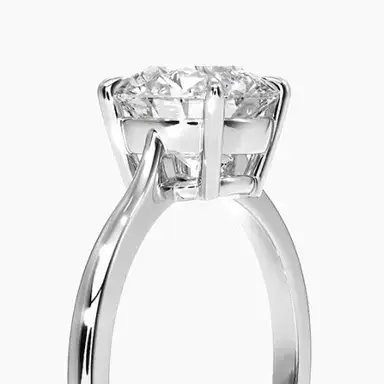
Basket
An open, low-profile metal frame sits beneath the stone, leaving the underside largely open so light can enter from below as well as above. This is the most common style used for prong-set solitaires, since the openness helps maximize the stone's brilliance from every angle.
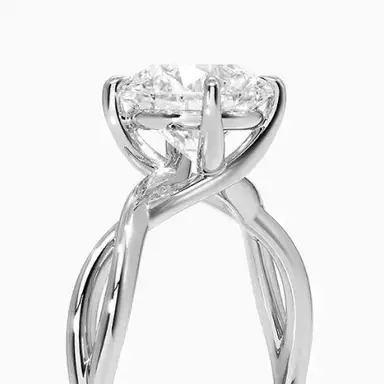
Trellis
Prongs crisscross beneath the stone in a woven, interlocking pattern rather than running straight down. This combines the openness of a basket setting with extra structural support, giving the head of the ring a more detailed, ornamental look from the side.
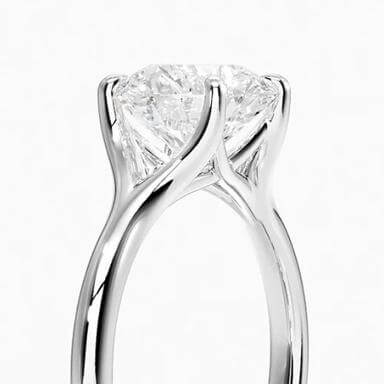
Integrated
The head — the part of the ring that holds the stone — is built as one continuous piece with the band itself, rather than being soldered on as a separate piece. This creates a seamless, low-profile look with no visible join between the head and the shank.
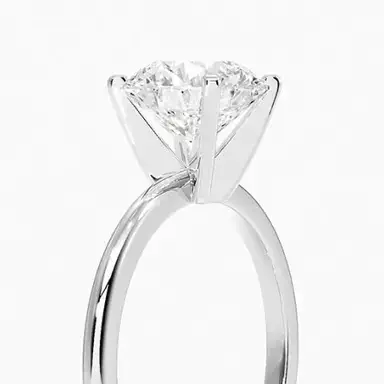
Peg
The head is soldered onto the band as its own separate piece, which raises the stone higher above the band than an integrated setting does. This gives the stone more visual prominence and height, often chosen when the goal is to make the center stone stand out as clearly as possible.
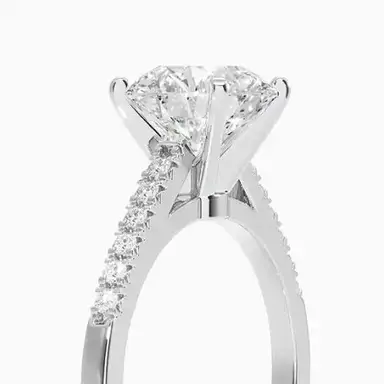
Cathedral
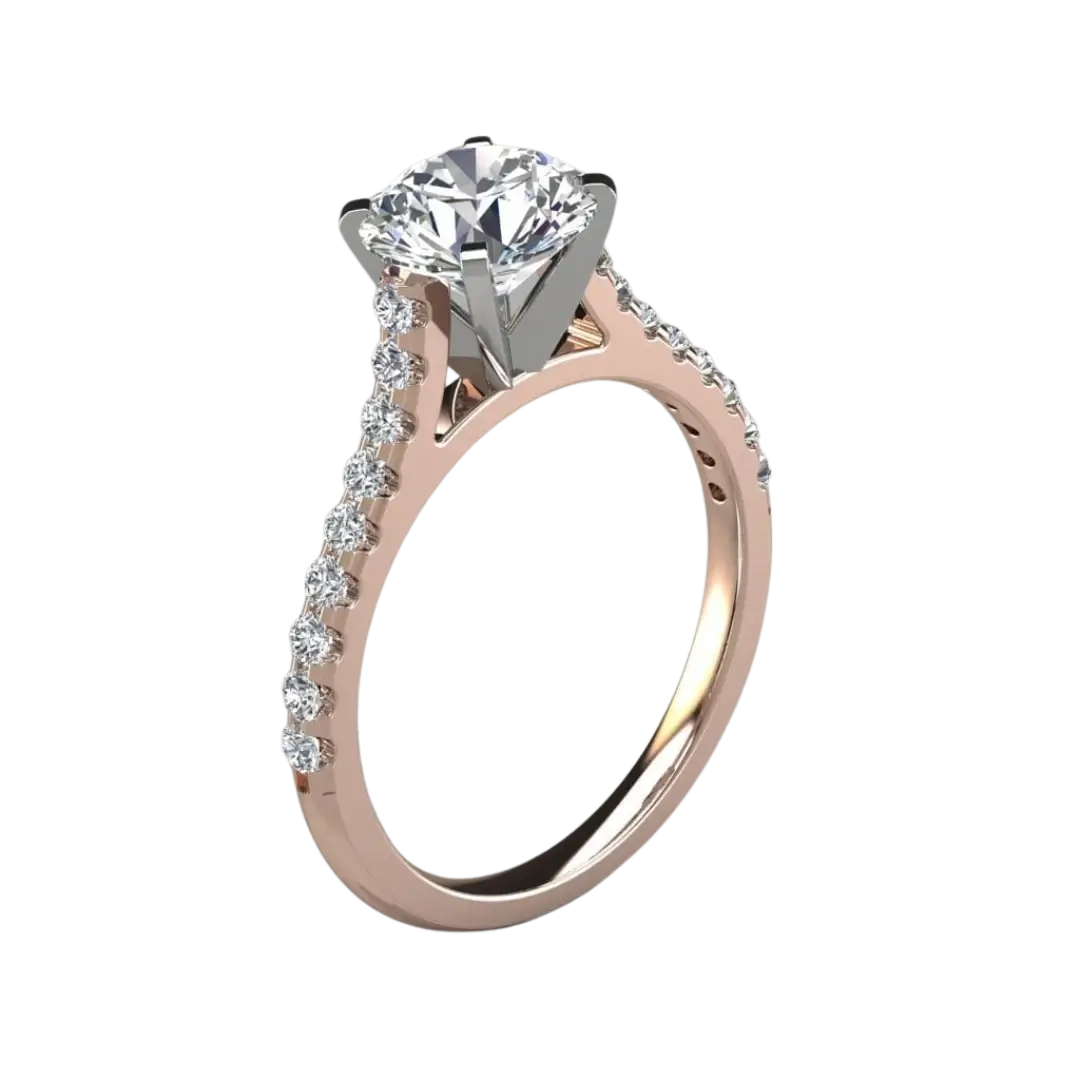
The band's shoulders curve upward into the head, elevating the stone the same way described under Cathedral in Tab 2. Here, the focus is specifically on how that curved structure functions as the center gemstone's support, adding height and a distinctive silhouette to the setting itself.
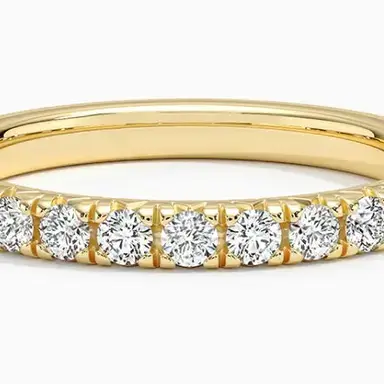
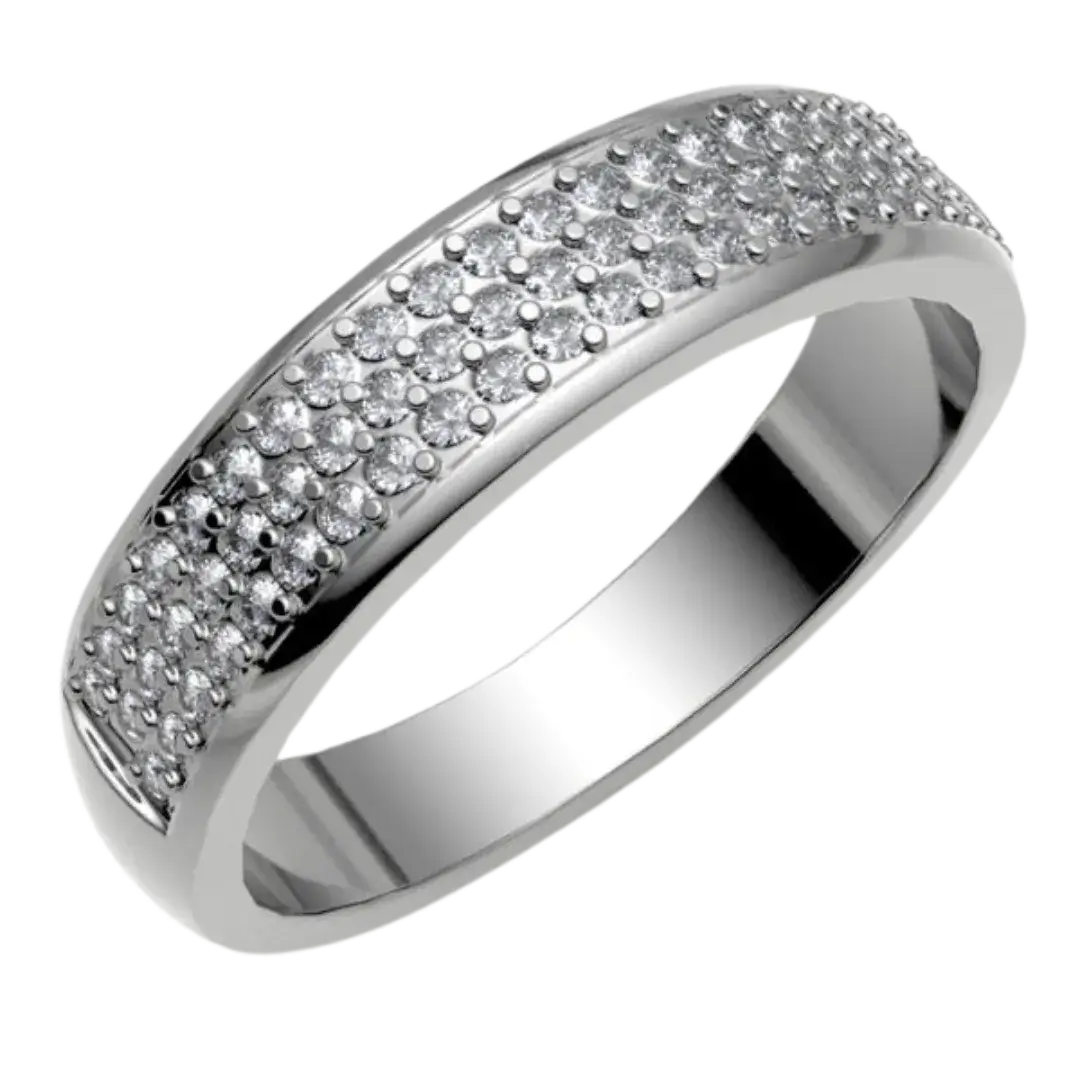
Pavé
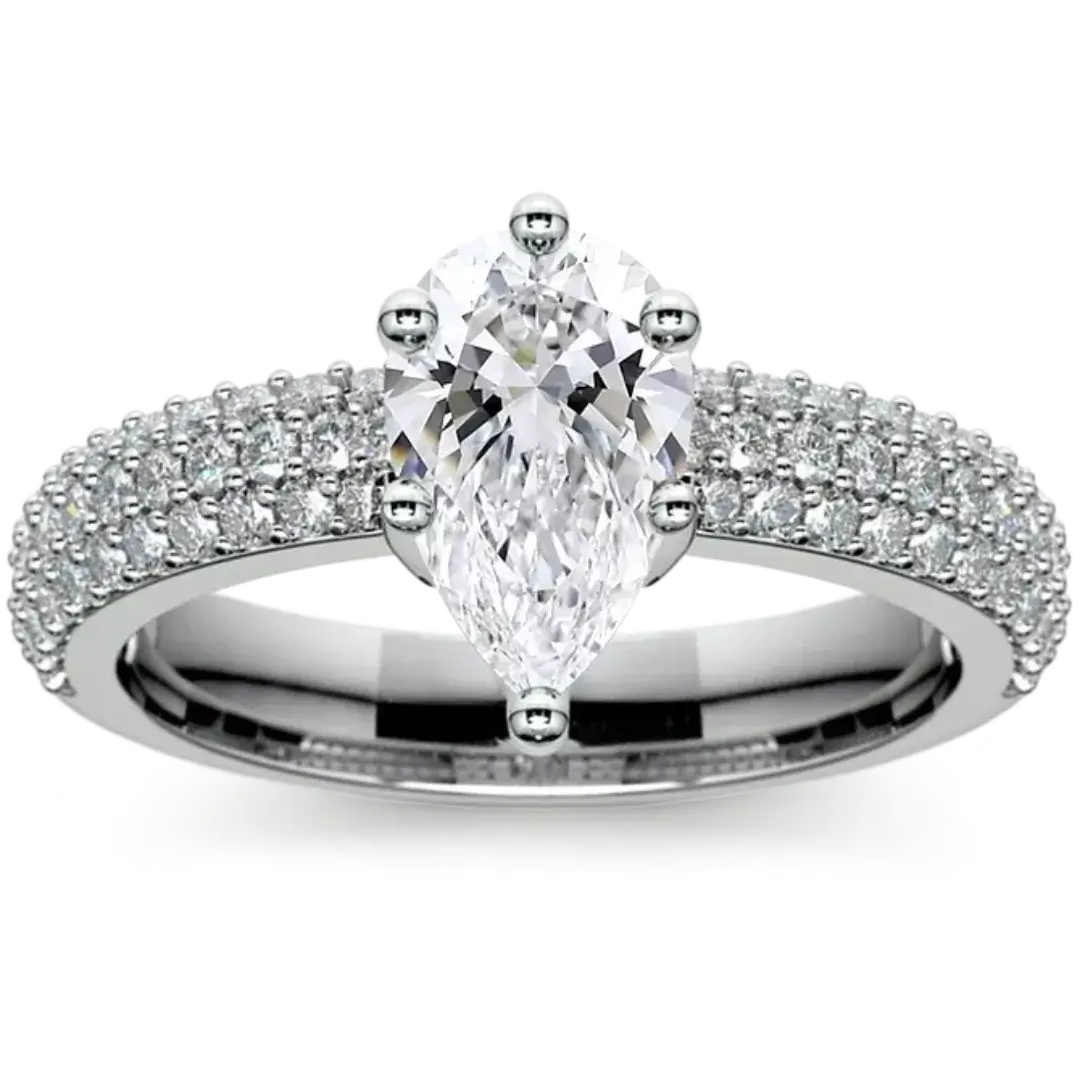
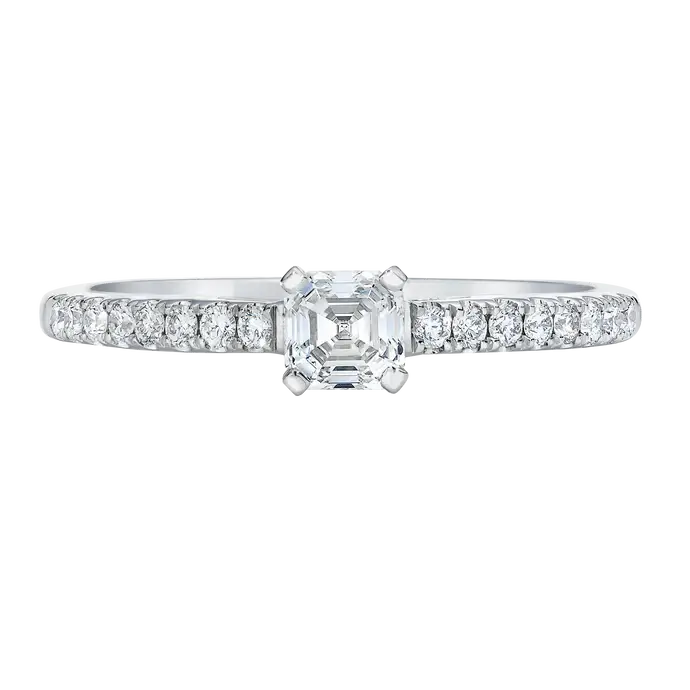
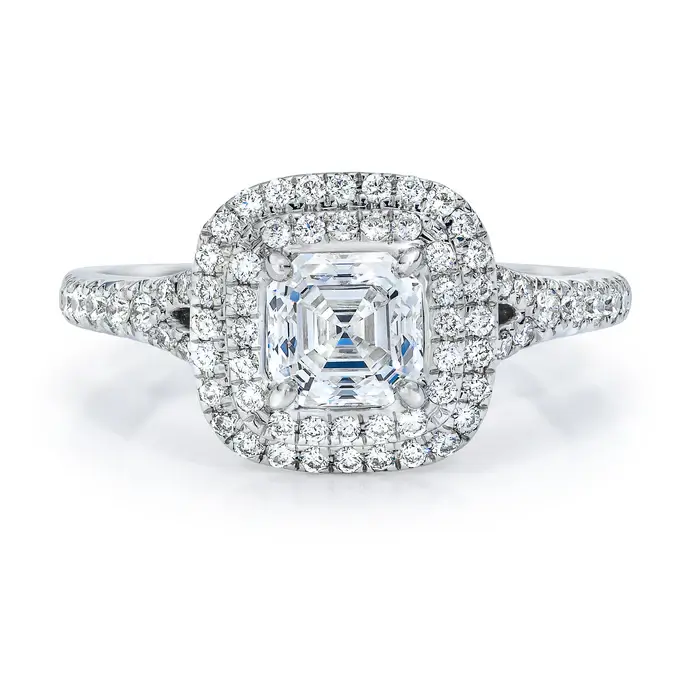
The same closely-set, shared-bead technique covered under Pavé Setting in Tab 1, applied here specifically to accent stones along a band, shoulder, or halo. In this context, pavé is doing the work of surrounding or extending the brilliance of a center stone rather than standing on its own.
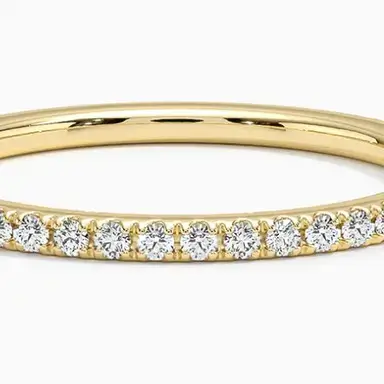
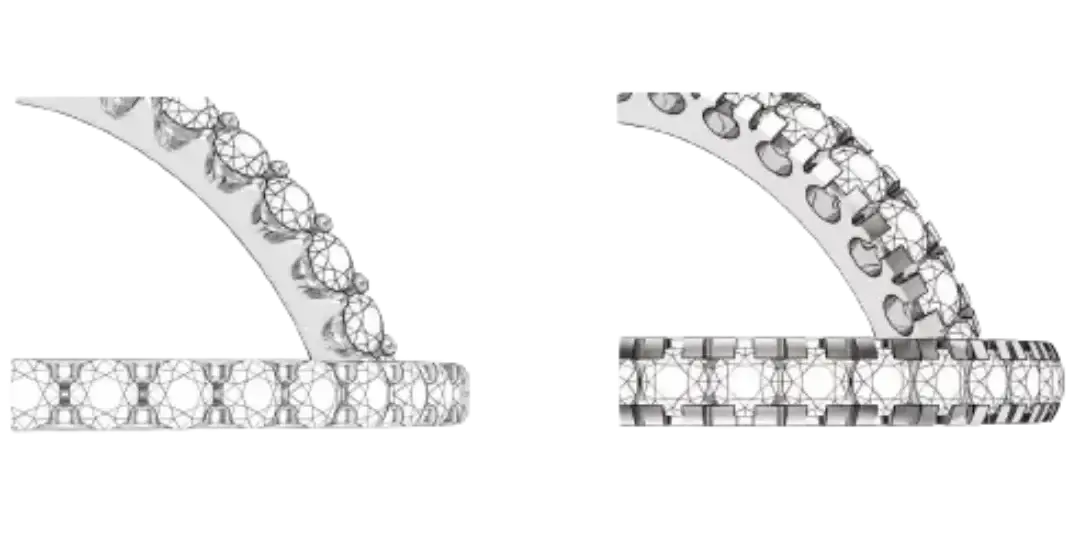
Scalloped Pavé
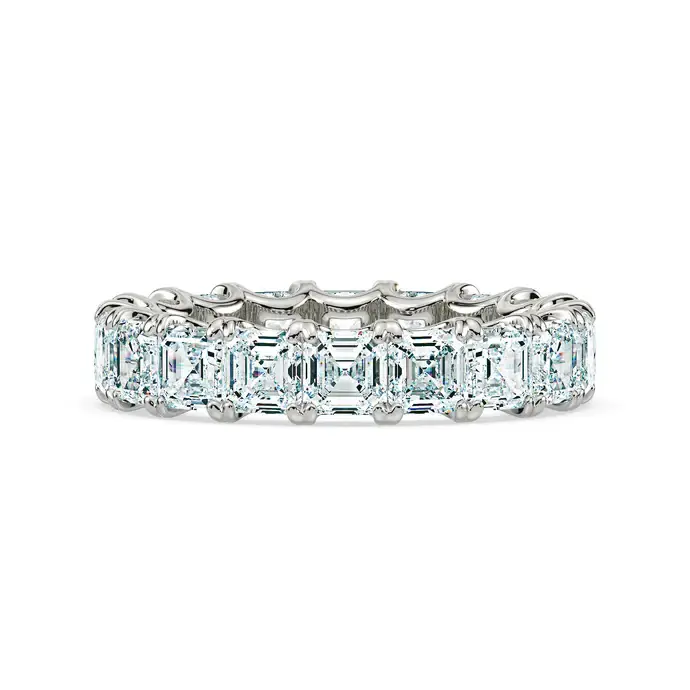
A pavé variation where the metal between stones is cut into a scalloped, U-shaped pattern instead of plain rounded beads. This adds a decorative texture to the setting while still keeping the dense, closely-packed sparkle that defines pavé work.
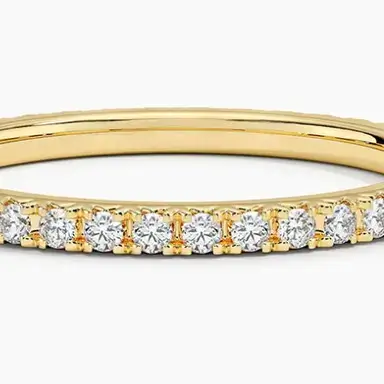
French Pavé
Another pavé variation, using fine V-shaped cuts beneath each stone rather than U-shaped scalloping. French pavé is generally associated with finer, more delicate metalwork, since the V-cuts allow the prongs holding each stone to be thinner and less visually intrusive.
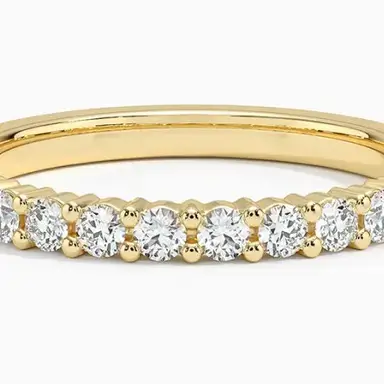
Shared Prong
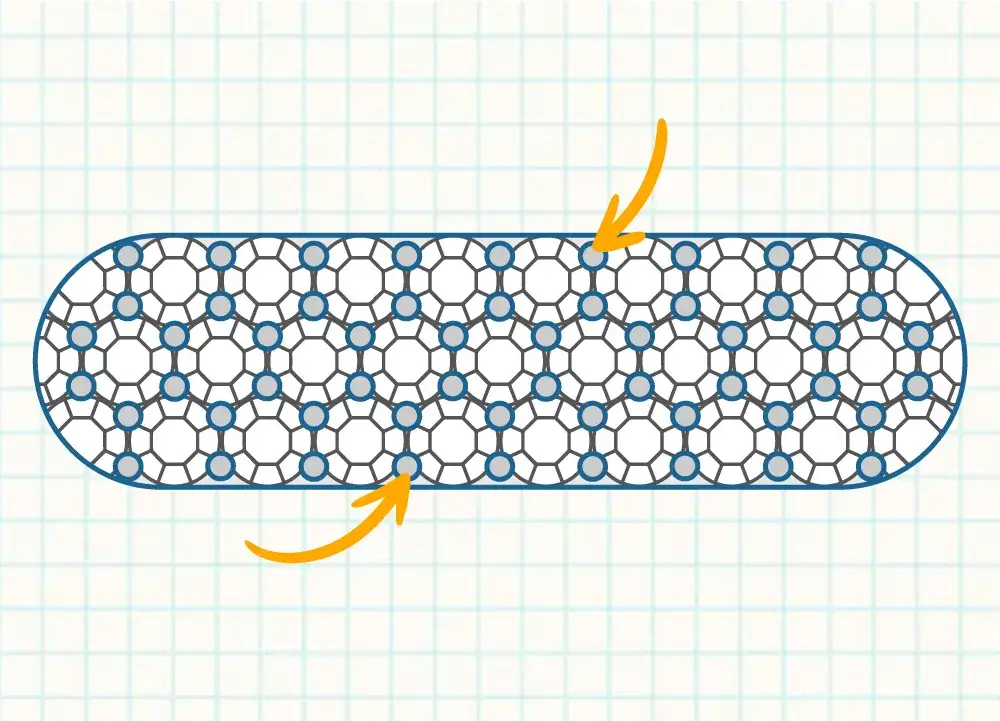
As covered in Tab 1, adjacent accent stones share a single prong between them rather than each having a full set. In a row of accent stones specifically, this creates a more continuous, flowing line of brilliance rather than each stone looking visually boxed in.
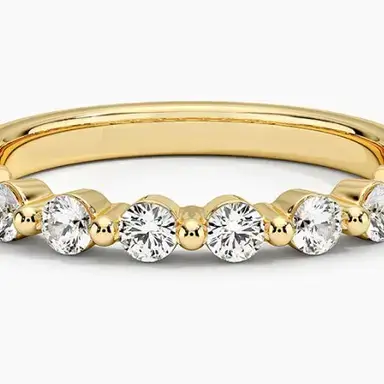
Single Shared Prong
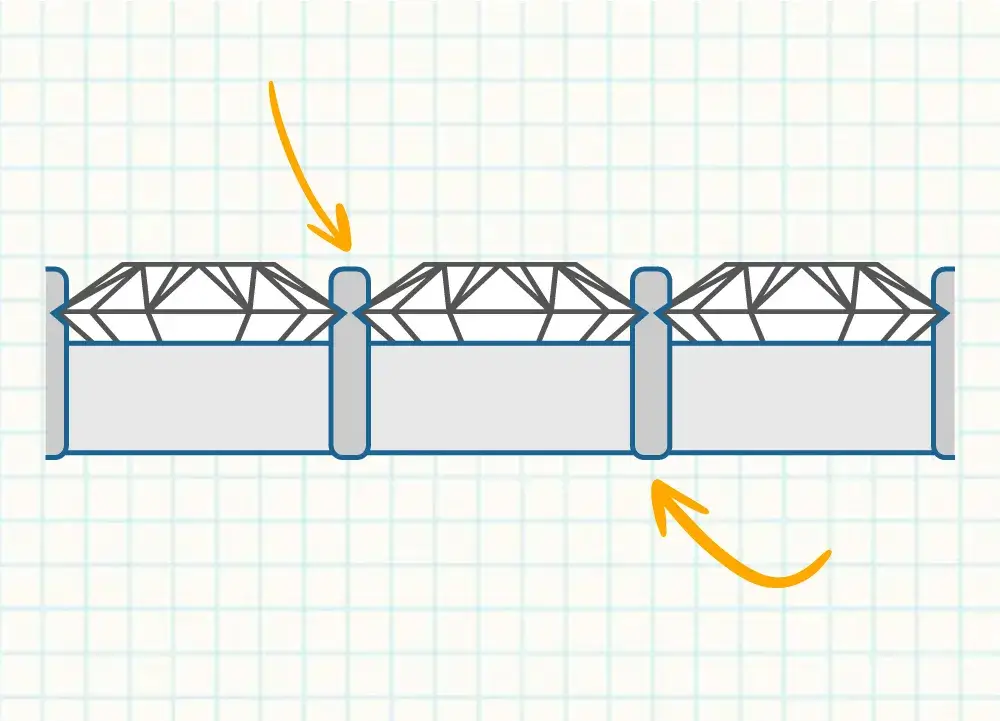
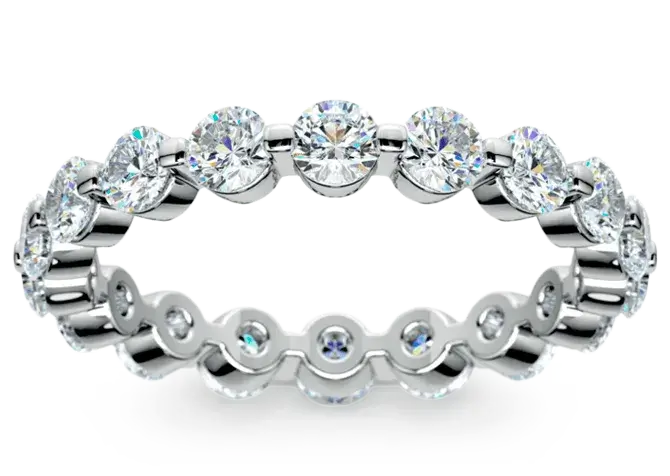
A more minimal version of the shared prong technique, using just one prong per shared point instead of a fuller cluster of metal. This maximizes how much of each stone is exposed to light, at the cost of slightly less metal supporting each individual stone.
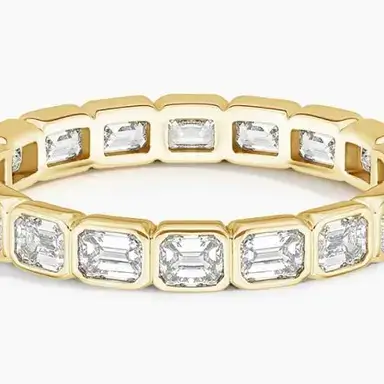
Bezel
The same protective metal rim covered in Tab 1, used here around an individual accent stone rather than a center stone. This is a common choice for accent stones in pieces meant for daily wear, where extra protection at multiple points along the design matters.
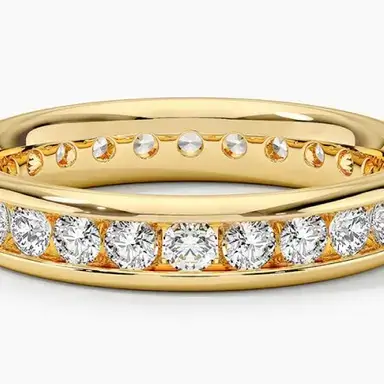
Channel
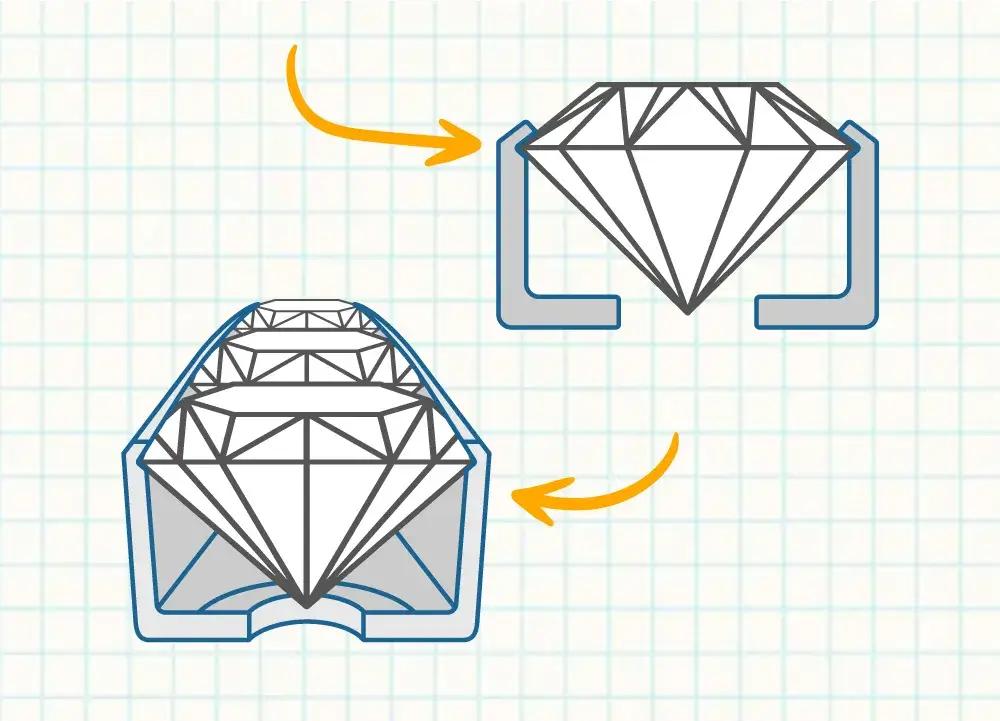
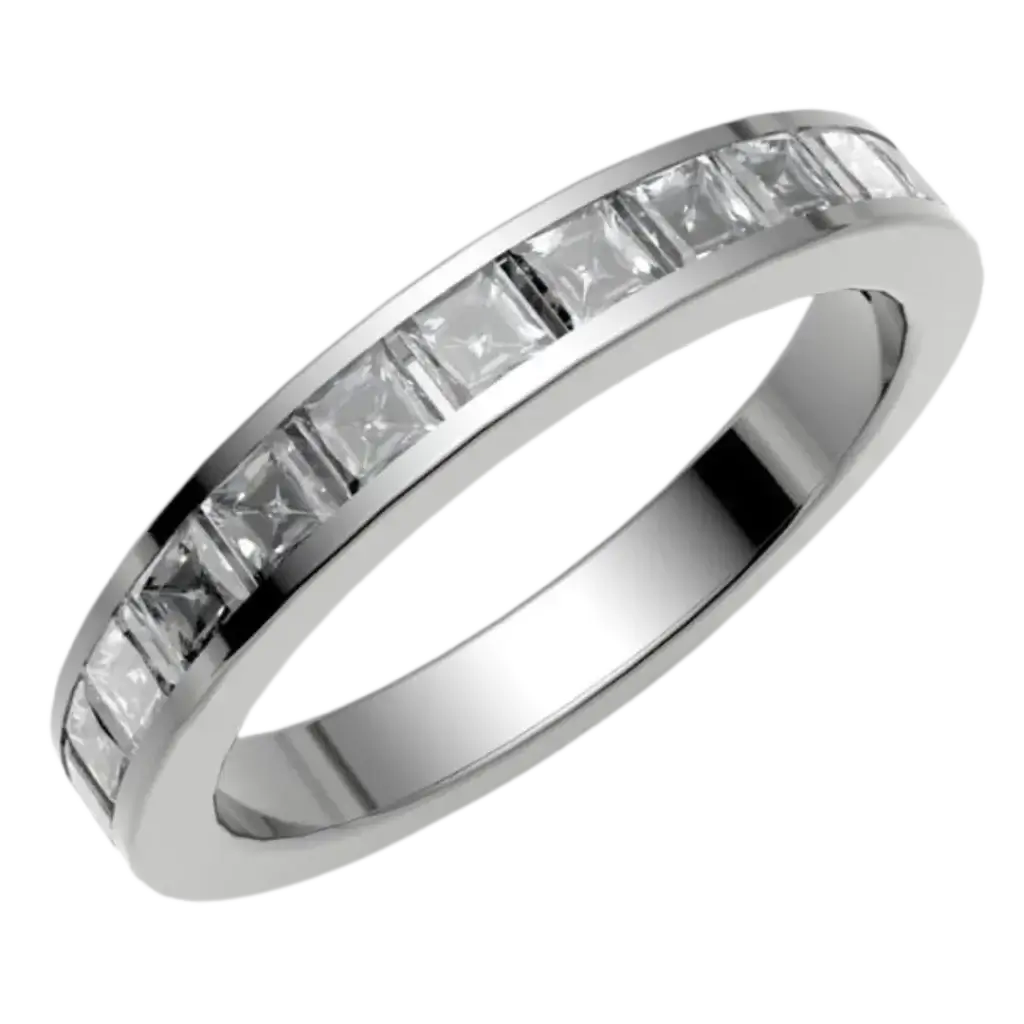
The same side-by-side, prong-free setting covered in Tab 1, most often seen here running along a ring's shoulders or as a full band of accent stones. The smooth, enclosed surface is part of why channel-set accents are a popular choice for everyday rings.
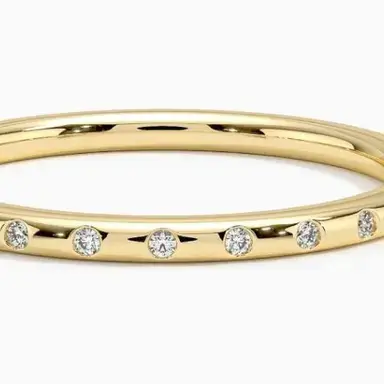
Flush
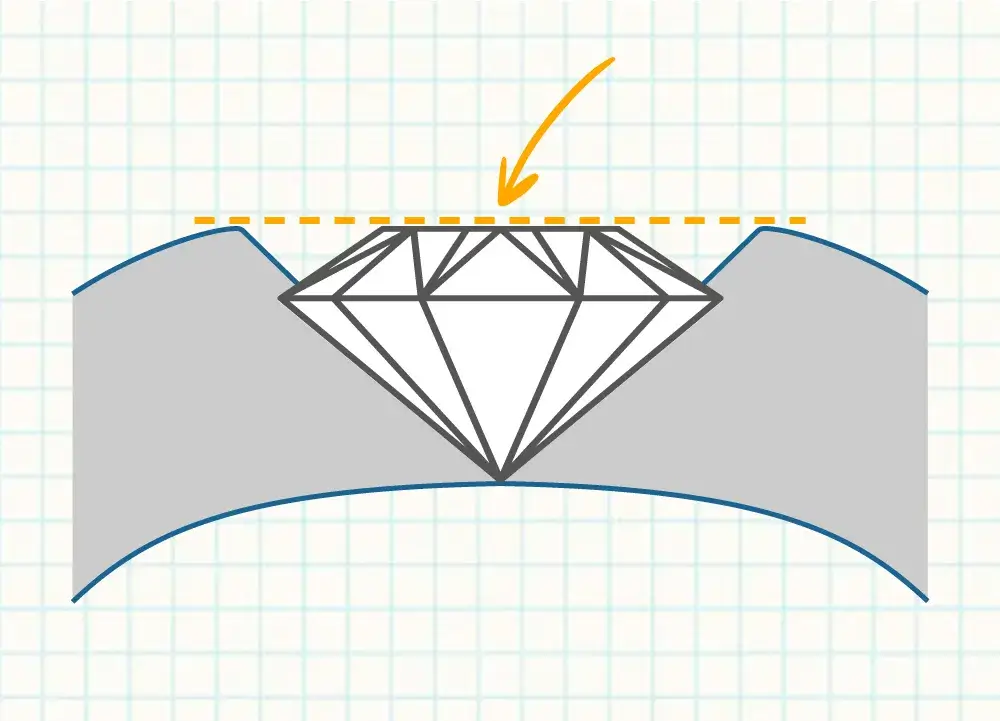
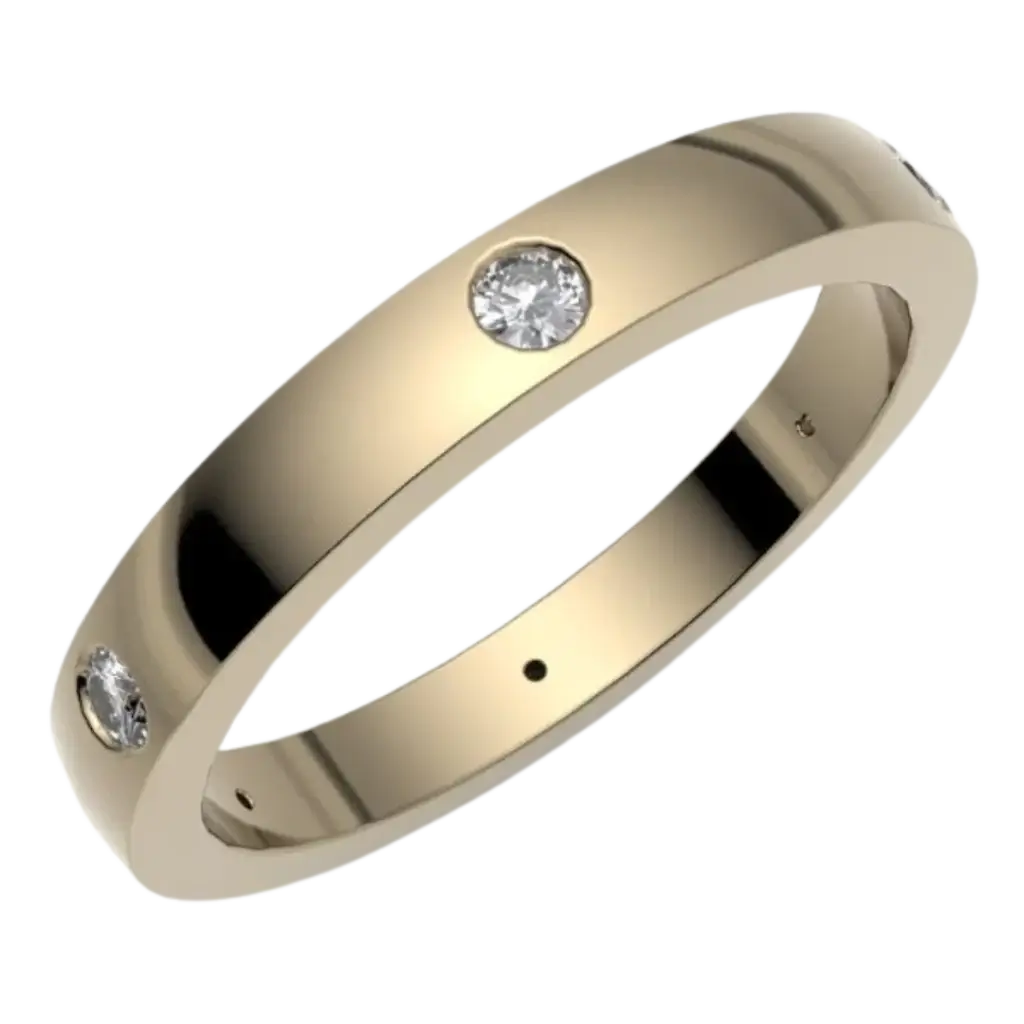
Flush-set accent gems embedded into the band create a sleek, smooth ring surface that highlights the stones while ensuring maximum comfort and durability.
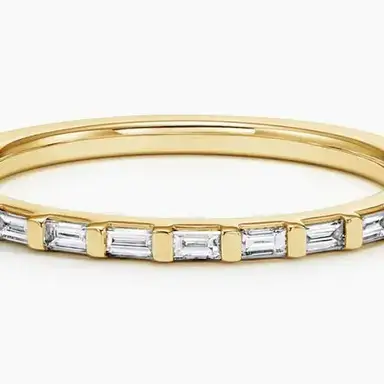
Bar
A modern bar setting securely holds gemstones between parallel vertical channels, offering a sleek and durable alternative to traditional channel settings.
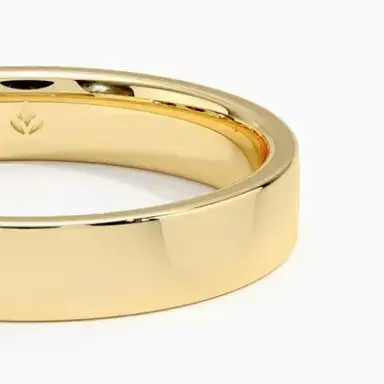
Flat
Contemporary flat band rings with sharp edges offer a modern and minimalist look that perfectly complements the sleek, flat outer surfaces.
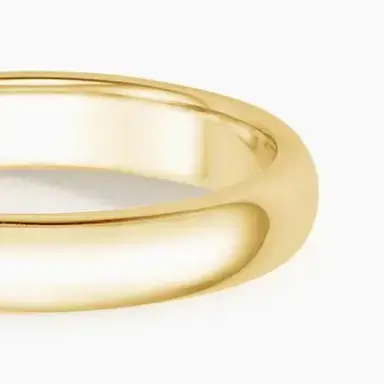
Comfort Fit
Ergonomic comfort fit bands with plush rounded interiors provide superior all-day wearability without compromising on style.
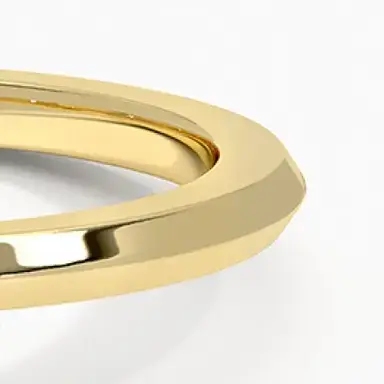
Knife Edge
Modern knife edge bands with sharp angled profiles offer a sleek and elegant design that enhances any wedding ring collection.
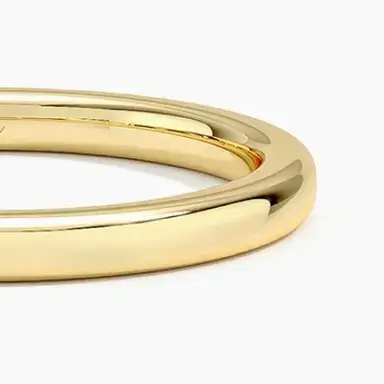
Rounded
Elegant half-round bands with gently domed exteriors offer a timeless design that combines comfort with classic style.
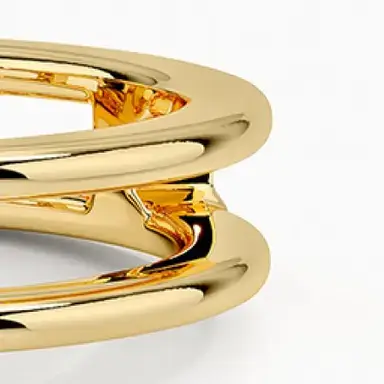
Double Band
Modern dual-band engagement rings with intersecting accents create a unique and elegant aesthetic perfect for contemporary couples.
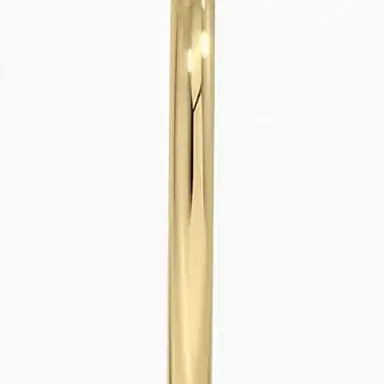
High Polish
A brilliant polished finish on engagement ring metals creates a smooth, reflective surface that enhances the ring’s shiny and lustrous appearance.
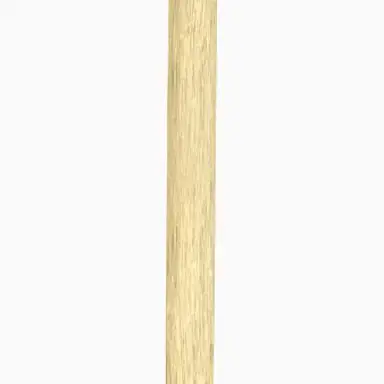
Matte/Brushed/Satin
Soft matte finishes with handcrafted texture offer a distinctive, vintage-inspired look that appeals to those seeking unique, non-reflective ring styles.
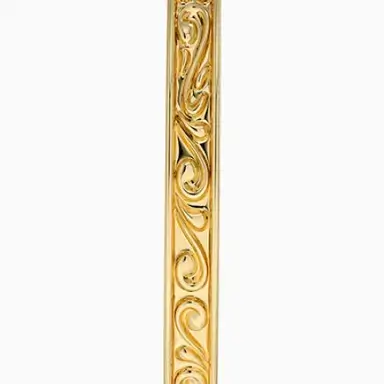
Filigree
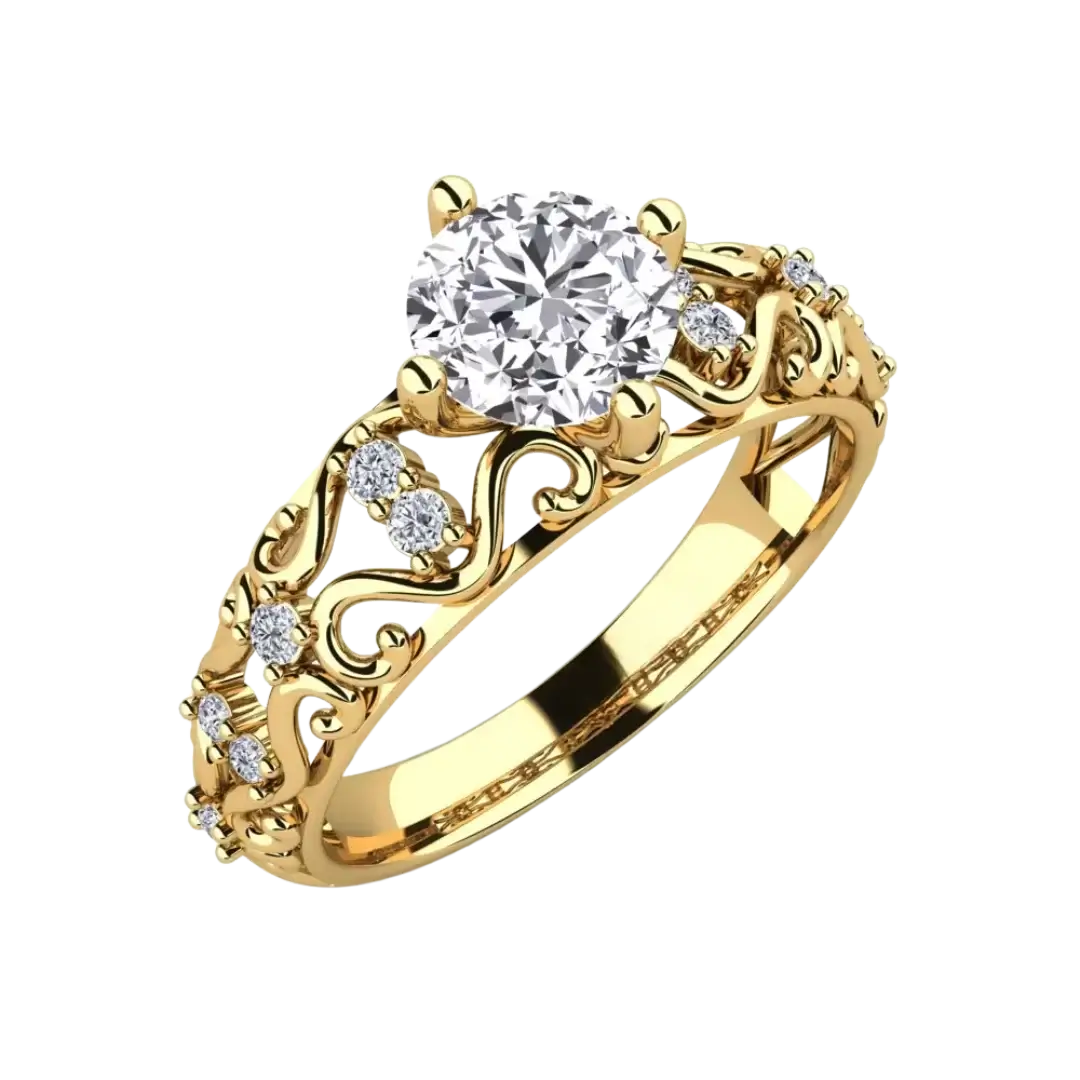
Exquisite vintage filigree designs showcase delicate threads of precious metal, creating intricate and artistic lacy patterns perfect for timeless jewellery.
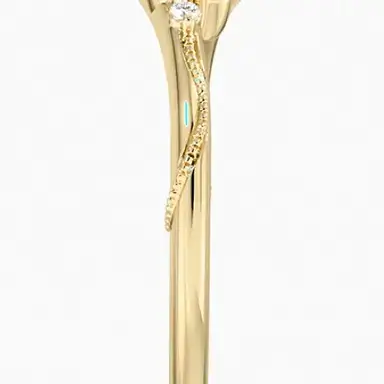
Milgrain
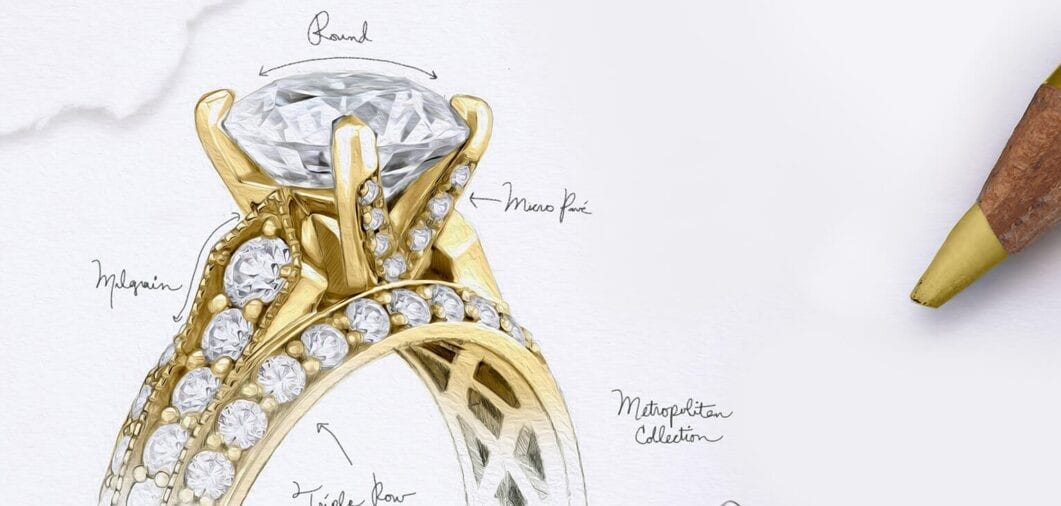
Delicate beaded detailing adds timeless charm to vintage-inspired and antique-style jewellery pieces.
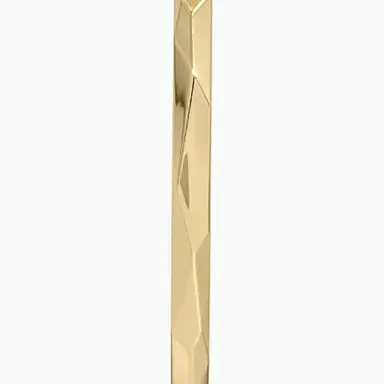
Hammered
Soft indentation textures on precious metal surfaces add subtle visual texture while effectively disguising wear and tear, making them ideal for active lifestyles. This durable finishing detail ensures your ring stays beautiful through daily adventures.
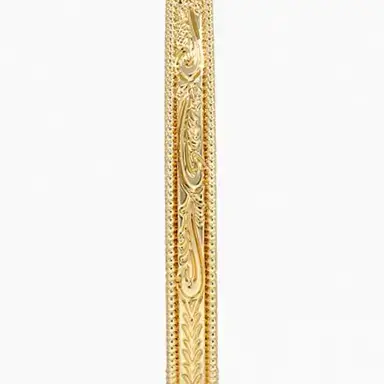
Engraved
Expert jeweller hand engraving transforms precious metals into unique, personalized works of art, with each design hand-carved to ensure no two pieces are exactly alike.

 Chat on WhatsApp