Primira Luxury
Understanding Moissanite Resale Value: How Much Is Your Gem Really Worth?
If you’re wondering what your moissanite jewelry could sell for, you’re in the right place. Unlike diamonds, moissanite resale value isn’t tracked by a universal pricing index, which can leave sellers unsure of how to price their pieces. In this guide, you’ll discover exactly how resale value is determined, what buyers look for, and how to sell your moissanite confidently to get the best return.
Whether you own a moissanite engagement ring, earrings, or a luxury pendant, this guide provides practical insights for collectors and first-time sellers alike.
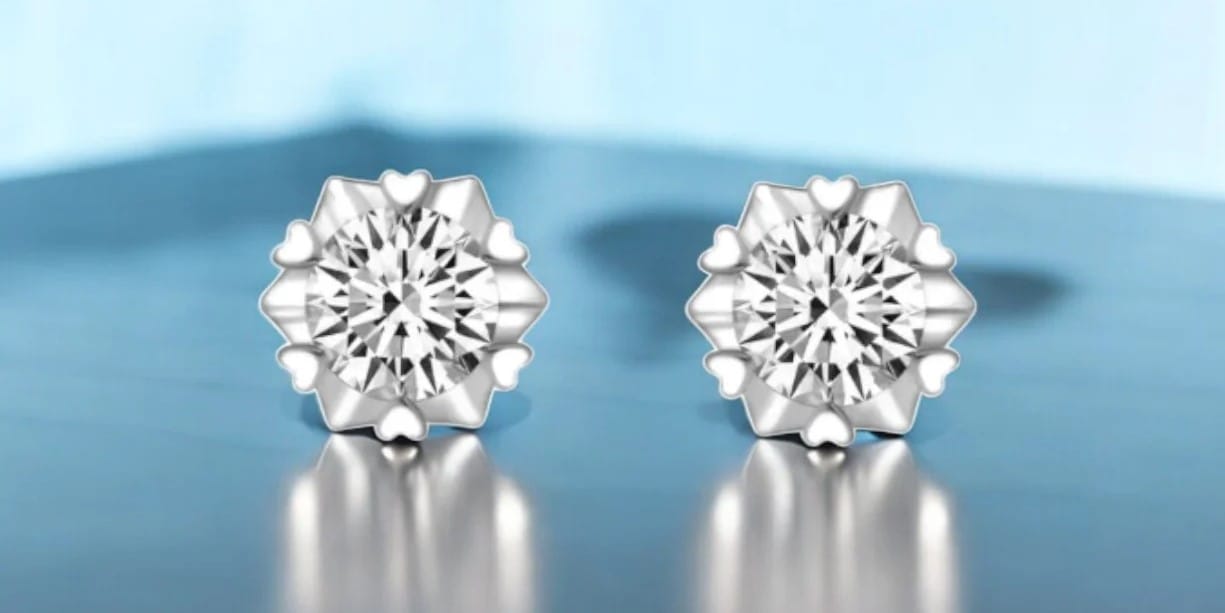
Discover the true moissanite resale value with our comprehensive guide for sellers and collectors. Unlike diamonds, moissanite lacks a standardized pricing index, making factors like cut, carat weight, color, and clarity crucial in determining value. Learn how market demand, popular gem shapes, and designer settings influence resale potential.
Explore practical tips on obtaining certified appraisals, presenting your jewelry professionally, and choosing the right selling platform to achieve top returns. Debunk common myths and understand how to confidently sell moissanite jewelry while maximizing price. Stay informed about current market trends and ensure credibility with certifications to attract serious buyers and secure the best resale outcome.
Table of Content
1. What Is Moissanite Resale Value?
2. Key Factors That Determine Moissanite Resale Value
3. Moissanite vs Diamonds & Other Gems: Resale Reality
4. How to Sell Your Moissanite for Top Resale Value
5. Current Market Trends & Price
6. Appraisal, Certification & Why It Boosts Value
7. Moissanite Resale Myths Debunked
8. Should You Sell Your Moissanite?
Moissanite resale value is the amount you could expect to receive when selling your gem in the secondary market. Since moissanite lacks a standardized pricing index, its value depends on multiple factors such as:
Cut quality – affects sparkle and brilliance
Carat weight – larger stones generally fetch higher per-carat value
Color and clarity – fewer inclusions and colorless stones are more desirable
Market demand – popularity of specific shapes and designs
Brand and setting – designer or luxury settings can increase perceived worth
A well-crafted moissanite ring in a premium setting can command a much higher resale price than an unbranded piece. For instance, a moissanite engagement ring collection with a branded setting often draws more attention from buyers.
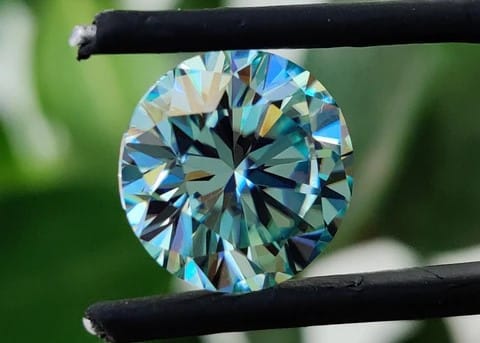
Several factors directly impact how much your moissanite jewelry can sell for:
1. Carat Weight and Dimensions
- Larger moissanites are rarer and tend to have higher per-carat resale value. For example, a 2-carat round brilliant moissanite is generally more sought-after than two 1-carat stones of similar quality.
2. Cut and Brilliance
- Expertly cut stones reflect more light and sparkle, attracting buyers willing to pay a premium. A well-cut cushion or round brilliant moissanite often sells faster and at a higher price.
3. Color and Clarity
- Clear, colorless moissanite with minimal inclusions is more valuable. Buyers prioritize stones that look flawless and brilliant.
4. Market Demand and Popular Shapes
- Certain shapes like cushion, oval, or round brilliant cuts are trending. A classic moissanite ring collection with popular cuts may sell more quickly.
5. Designer Setting and Brand Reputation
- A luxury or branded setting adds credibility and perceived value. Pieces from trusted jewelers are often sold at higher resale prices.
Mini Example:
In London, a 2-carat round brilliant moissanite from a recognized designer sold for more than a similar solitaire piece due to its name and contemporary setting appeal.
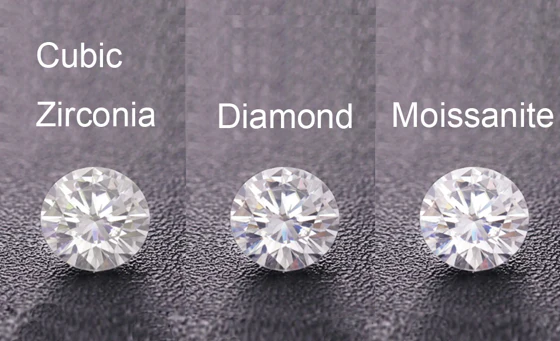
When comparing resale value, it’s essential to understand how moissanite differs from other gems:
| Gemstone | Resale Insight |
|---|---|
| Diamonds | High liquidity, recognized valuation, stable pricing |
| Moissanite | Resale depends on quality, cut, and demand; typically 30–70% of retail |
| Ruby & Sapphire | Value based on rarity and quality; market fluctuations significant |
| Lab-Grown Diamonds | More structured resale framework than moissanite, often similar aesthetic |
Selling moissanite successfully requires strategy and attention to detail:
1. Get an Accredited Appraisal
- Professional appraisals validate your stone’s quality, making buyers more confident.
2. Choose the Right Platform
Luxury resale stores
Trusted online marketplaces
Auctions
For premium pieces, platforms like Primira Luxury resale section attract serious buyers.
3. Optimize Presentation
Clean, polished jewelry, original packaging, and professional photographs can significantly boost perceived value.
4. Consider Timing
Market trends influence willingness to pay higher prices. Seasonal demand for engagement rings or trending styles can improve resale outcomes.
Mini Example:
A Mumbai-based luxury store staged a 1.5-carat cushion moissanite with professional photography and top-quality cleaning. The listing attracted buyers internationally, achieving resale close to 70% of the original retail price.
Demand: Increasing due to brilliance, ethical sourcing, and affordability
Resale Price Range: Typically 30–70% of original retail price
Liquidity: Sales can take time; patient sellers often achieve better returns
Investment Perspective: Moissanite is purchased more for beauty and ethics than long-term financial gain
Pro Tip: Contemporary cuts and trendy designs usually fetch better resale prices.
Before selling, ensure your moissanite is verified:
Certification: Obtain documentation from recognized gemological labs
Quality Check: Confirm cut, clarity, color, and carat weight
Provenance: Brand markings or purchase receipts build buyer trust
Mini Example :
- A Indian investor selling a 1 carat cushion moissanite, which included a GIA appraisal that increased buyer faith and the value of their offer by more than 15 percentage.
Myth: Moissanite has no resale value
Truth: Resale can range between 30-70% of retail depending on quality and demand.Myth: All cuts resell equally
Truth: Brilliance, cut quality, and popularity heavily impact resale value.Myth: Selling online is cheaper
Truth: With strategic marketing and certified appraisals, online sales can match or exceed traditional channels.
Axes: Ethics | Traceability | Craftsmanship | Lead Time
Quick Checkpoints:
Verify authenticity and provide evidence
Choose a sales platform targeting your ideal buyer
Highlight brand, cut, and design to justify pricing
Align timing with market trends
Maintain transparency and ethical standards
Consider lead time for maximum return
Do moissanite stones hold long-term value?
They are generally less liquid than diamonds; moissanite is primarily valued for beauty and ethics.
Can moissanite be realistically resold?
Yes, typical resale ranges 30-70% of purchase price depending on cut, demand, and appearance.
Which factors influence resale price?
Cut, size, color branding, clarity and demand for market are the primary factors.
Is moissanite a good alternative for investment?
It’s excellent for aesthetics and ethical reasons but not ideal for high financial return.
Where is it safe to sell moissanite?
Certified jewelers, trusted online marketplaces, and luxury resale stores like Primira Luxury.
The most reliable sellers provide certificates, audit trails, and manufacturer marks, which assure buyers of authenticity. These safeguards make resale more transparent and boost buyer confidence.
Primira Luxury is proudly powered by WordPress